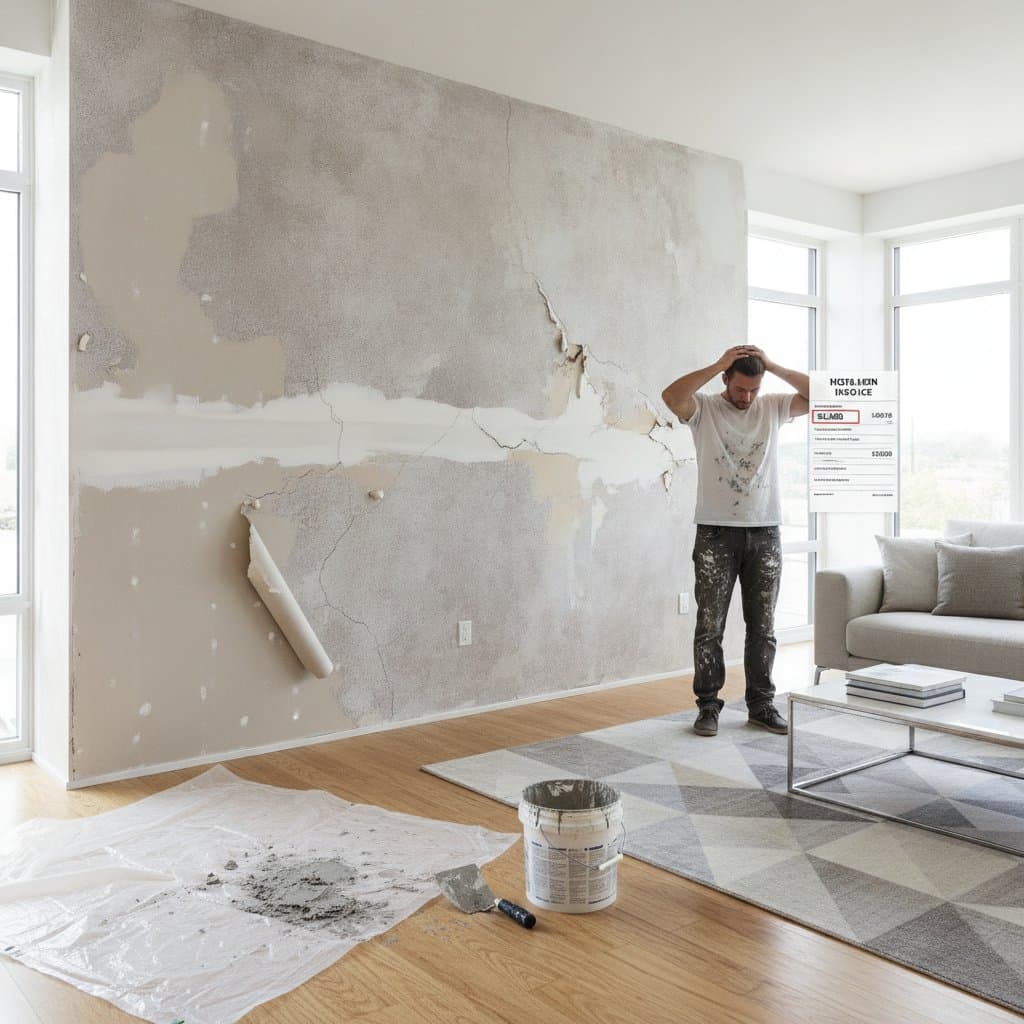
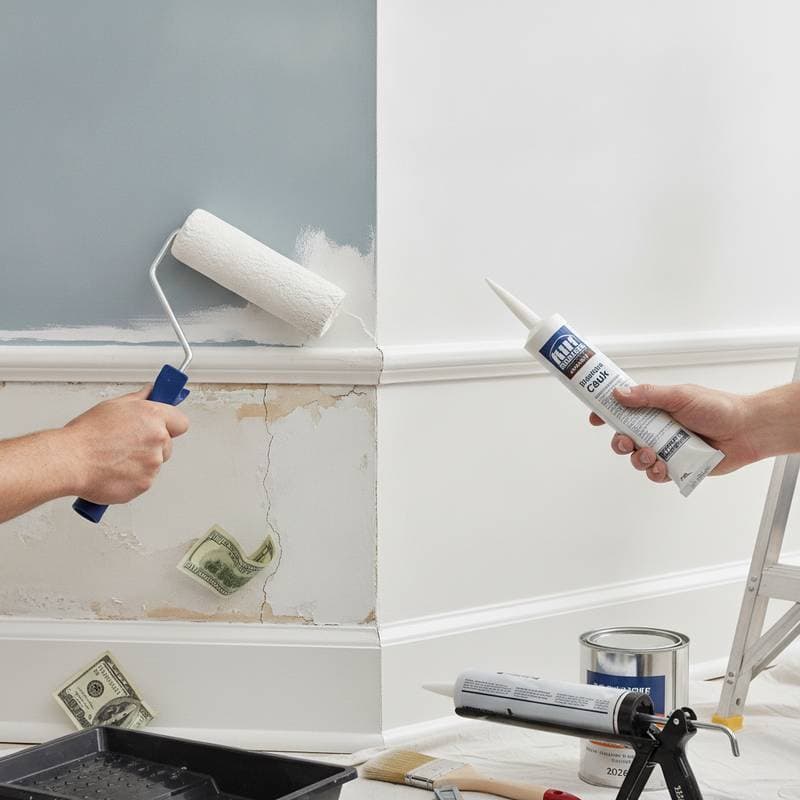
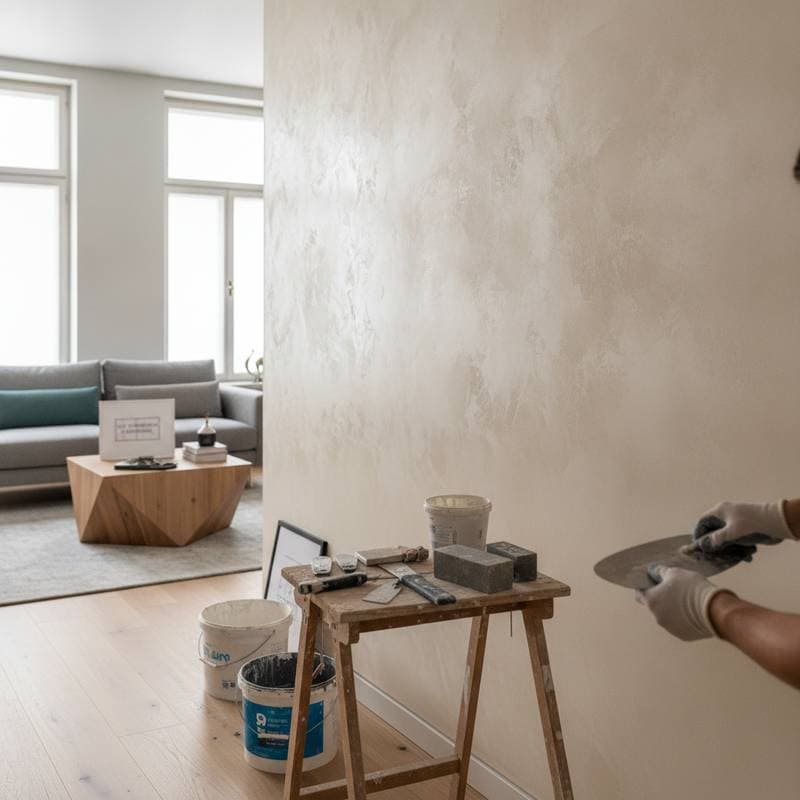
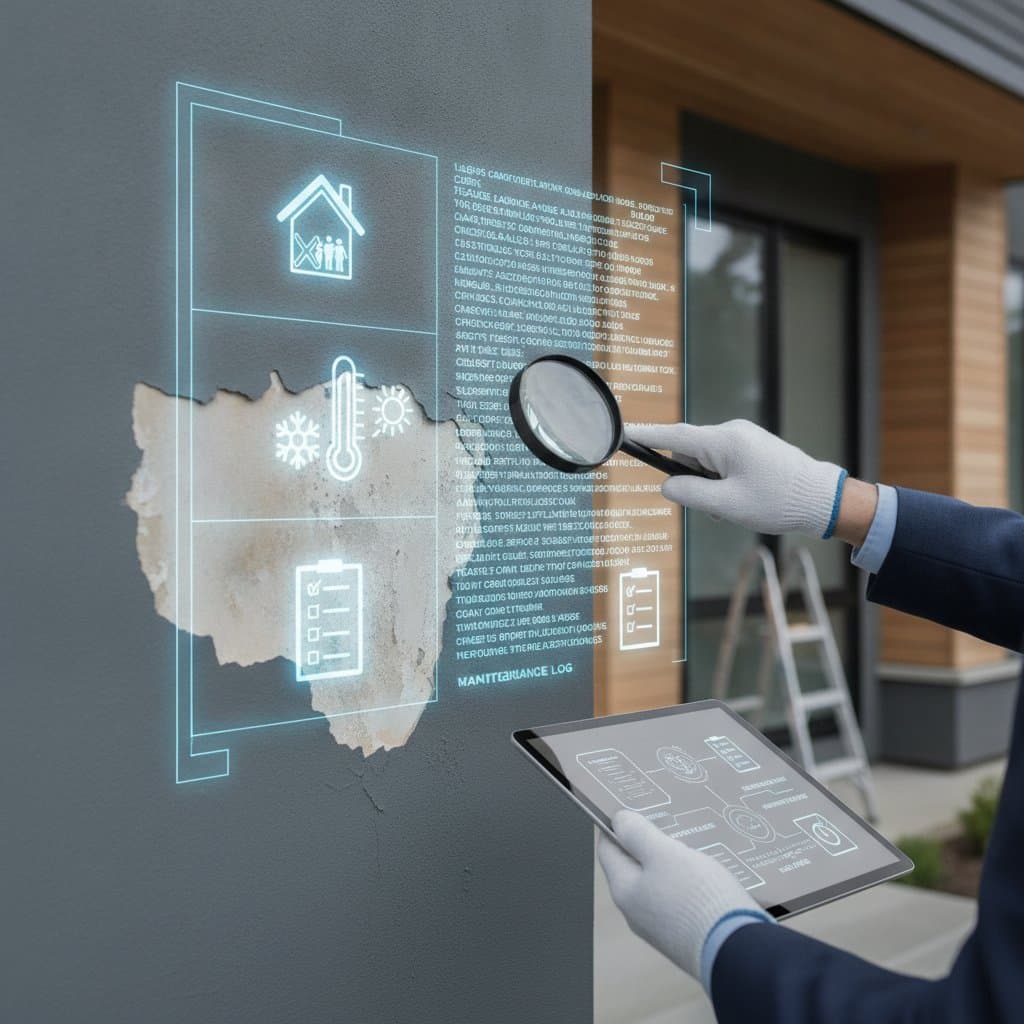
Why Skipping Sanding Between Coats Costs You $800

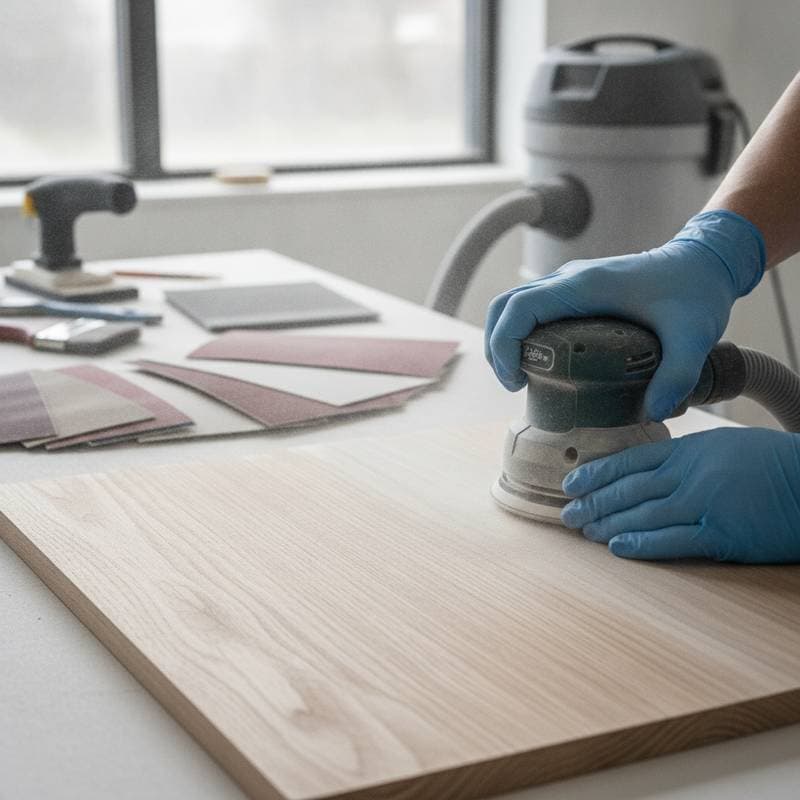
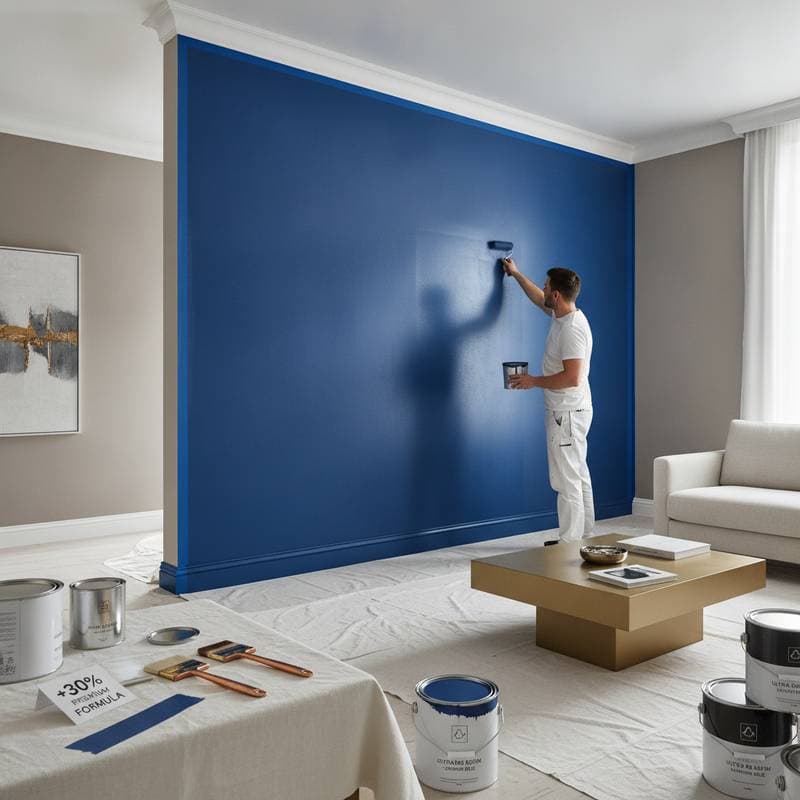
Many homeowners overlook sanding between paint coats to save time, yet this simple step prevents adhesion failures, peeling, and rough textures that demand expensive repairs. Professionals emphasize its role in achieving durable, flawless results, turning a potential $800 loss into a worthwhile investment in quality.

By Sarah Spencer6 min read
Featured image for Why Skipping Sanding Between Coats Costs You $800
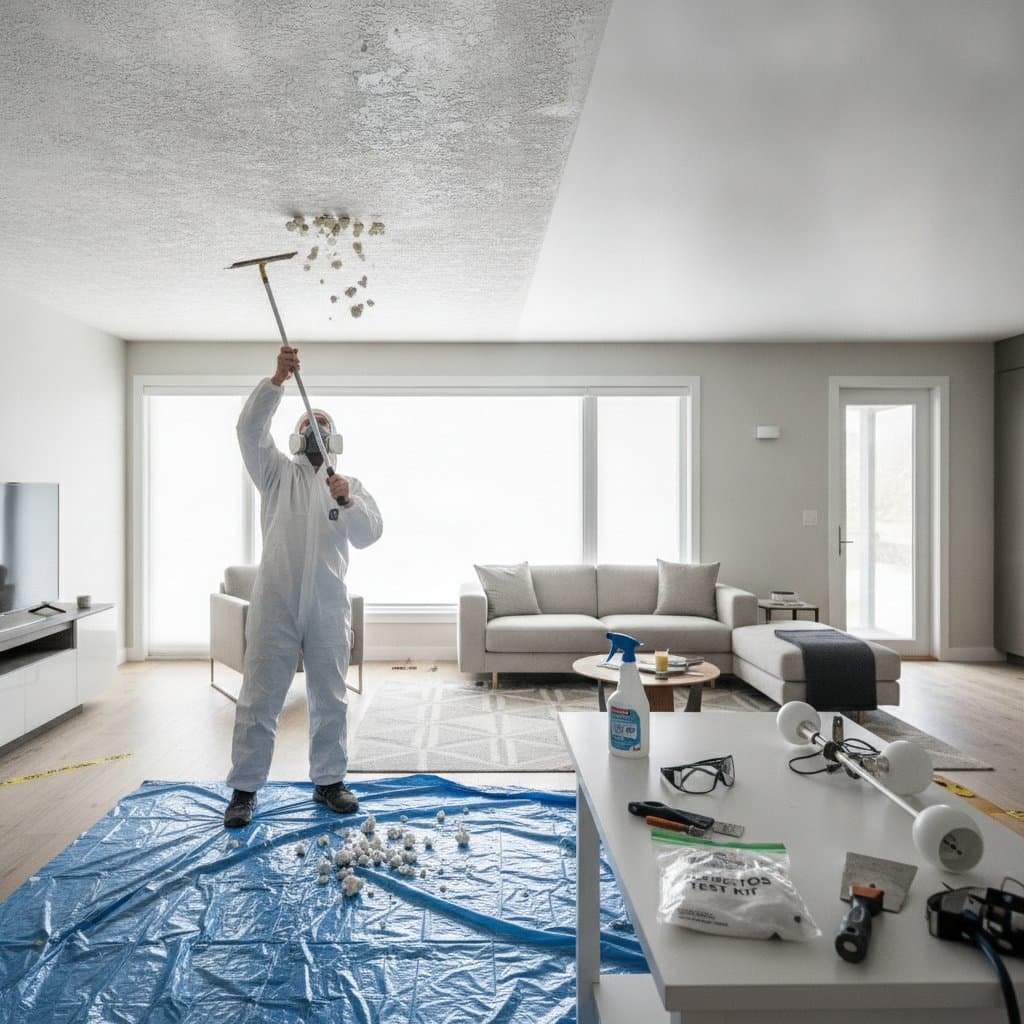
Image for Why Skipping Sanding Costs You $500 in Repairs

Why Skipping Sanding Costs You $500 in Repairs

Sanding between paint coats appears as a minor step, yet neglecting it invites peeling, bubbling, and repair costs up to $500. Proper sanding builds strong adhesion for a professional result that endures. Allocate time for this essential preparation to secure lasting value from your painting project.

Jessica Varela4 min
Image for Sanded vs Unsanded Grout Cost and Performance Guide

Sanded vs Unsanded Grout Cost and Performance Guide

In 2025, selecting sanded or unsanded grout influences the durability, aesthetic, and expense of wall tile installations. Sanded grout excels in wider joints for robust, textured results, whereas unsanded grout provides seamless application on narrower spaces and sensitive surfaces. This guide details pricing structures, material choices, and installation factors to optimize your project budget and achieve enduring wall enhancements.

Jessica Varela7 min
Image for Poor Sanding Creates an $800 Paint Job Disaster

Poor Sanding Creates an $800 Paint Job Disaster

A flawless paint job begins with thorough sanding, a step often overlooked. This guide covers grit selection, professional tools, and techniques to avoid peeling, bubbling, and expensive $800 repairs, ensuring long-lasting professional results.

Misty Goldberg5 min

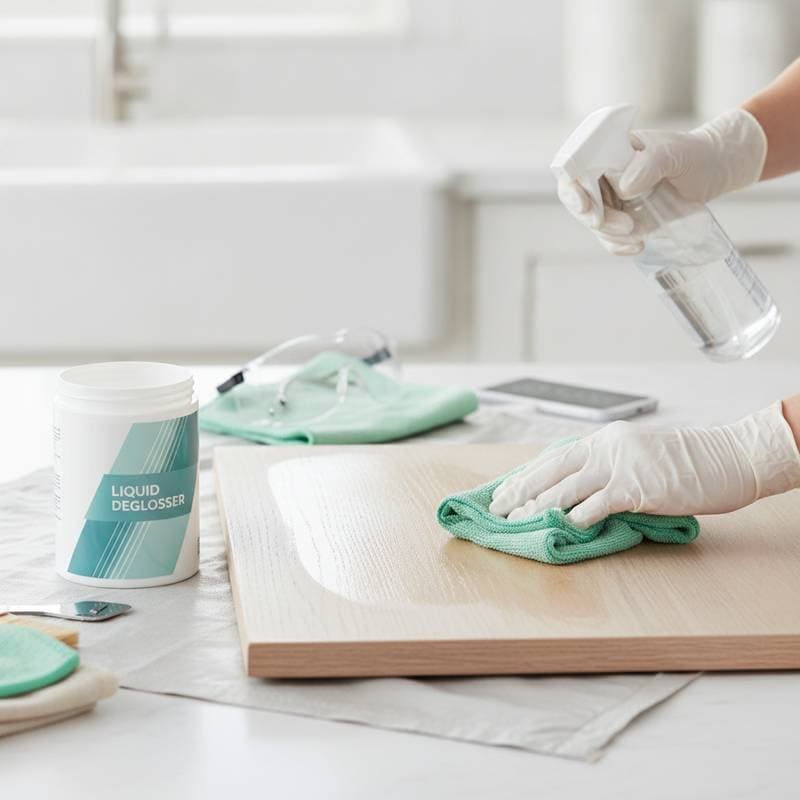
Deglosser Cuts Cabinet Prep Costs by $800

As sanding expenses rise in 2025, liquid deglossers offer homeowners an efficient alternative for cabinet painting preparation. This approach halves labor time, reduces budgets by up to $800, and produces professional finishes, eliminating the need for sanding dust.

Jessica Varela5 min
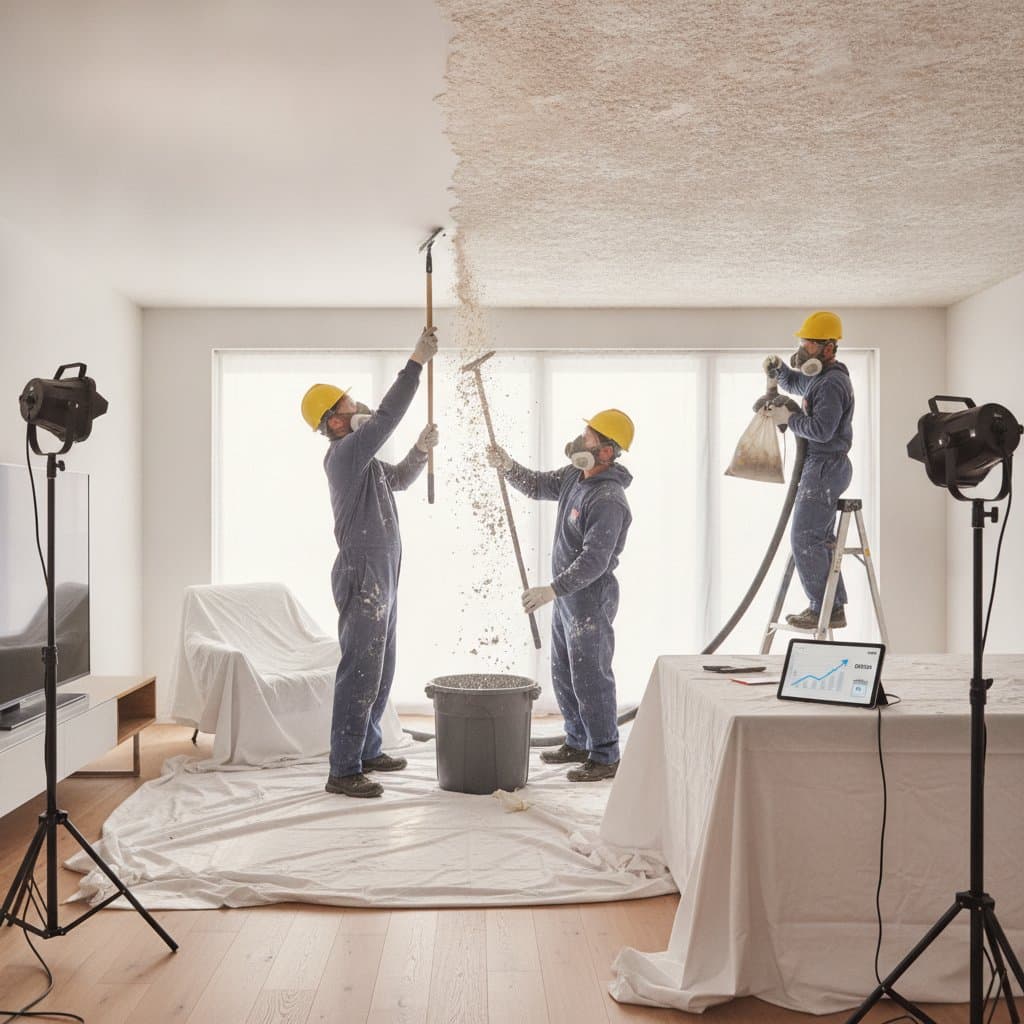
Image for Sanded vs Unsanded Drywall: Save $800 on Finishing

Sanded vs Unsanded Drywall: Save $800 on Finishing

Selecting between sanded and unsanded drywall finishing affects aesthetics, durability, and expenses. Sanded surfaces deliver sleek modernity at a premium, whereas unsanded textures mask flaws and cut costs by up to $800. Determine the ideal choice for your style, budget, and space requirements.

Jessica Varela6 min