Plaster Texture Walls: Why They Cost More Than Drywall
Plaster texture walls deliver depth and elegance that standard drywall cannot match. Homeowners often select them to add craftsmanship to interiors. Project costs have risen, with many now averaging eight thousand dollars above basic drywall work. Understanding the drivers behind these prices supports better planning.
Project Cost Breakdown
Average Cost Ranges
- Basic plaster texture: ten thousand to fourteen thousand dollars.
- Venetian or decorative plaster: sixteen thousand to twenty two thousand dollars.
- Premium custom finishes: twenty four thousand to thirty thousand dollars.
What Is Included
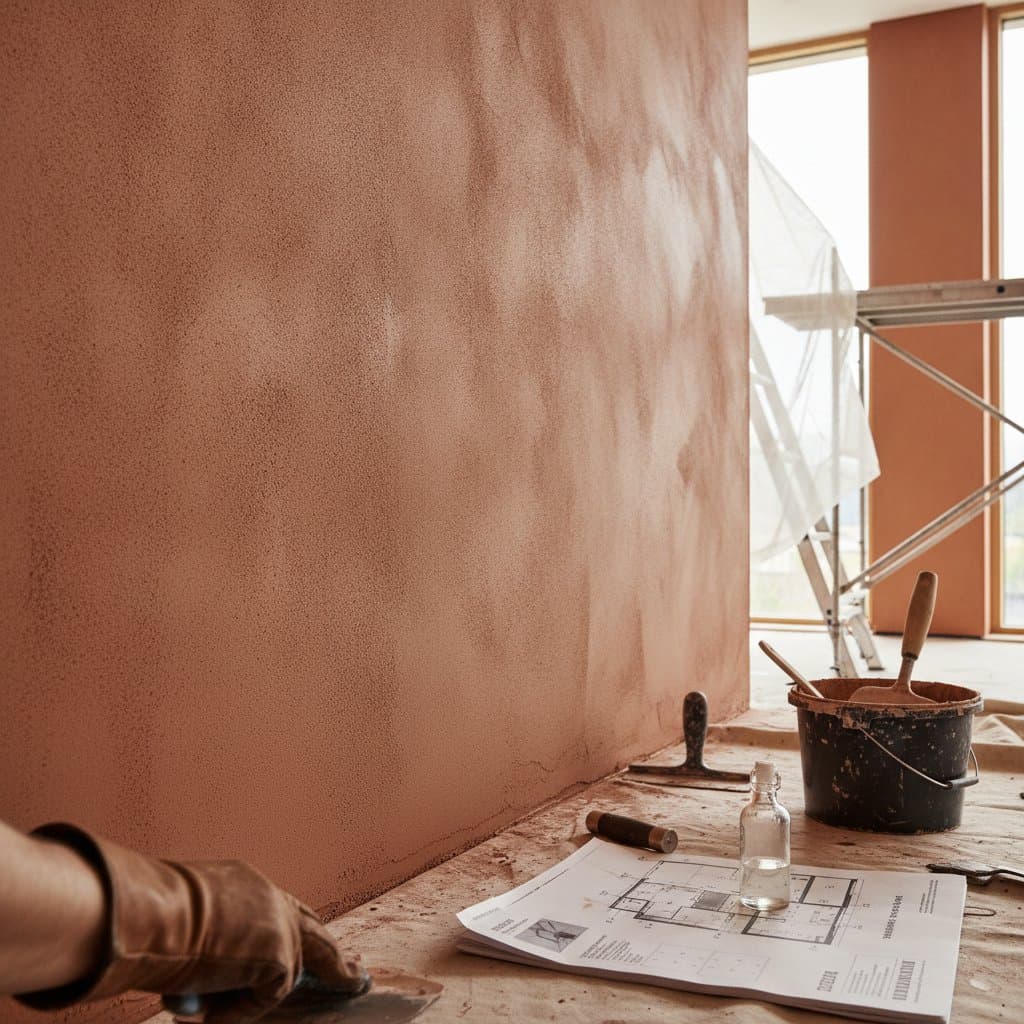
Skilled artisans handle application. High quality lime or gypsum materials form the base. Surface preparation and priming come standard. Cleanup, sealing, and final finishing complete the scope.
What Adds Cost
Custom pigments or metallic additives increase expense. Intricate designs or multi layer textures require extra time. Repairing or leveling existing walls before application extends preparation.
Factors That Affect Final Cost
| Factor | Cost Impact | Examples |
|---|---|---|
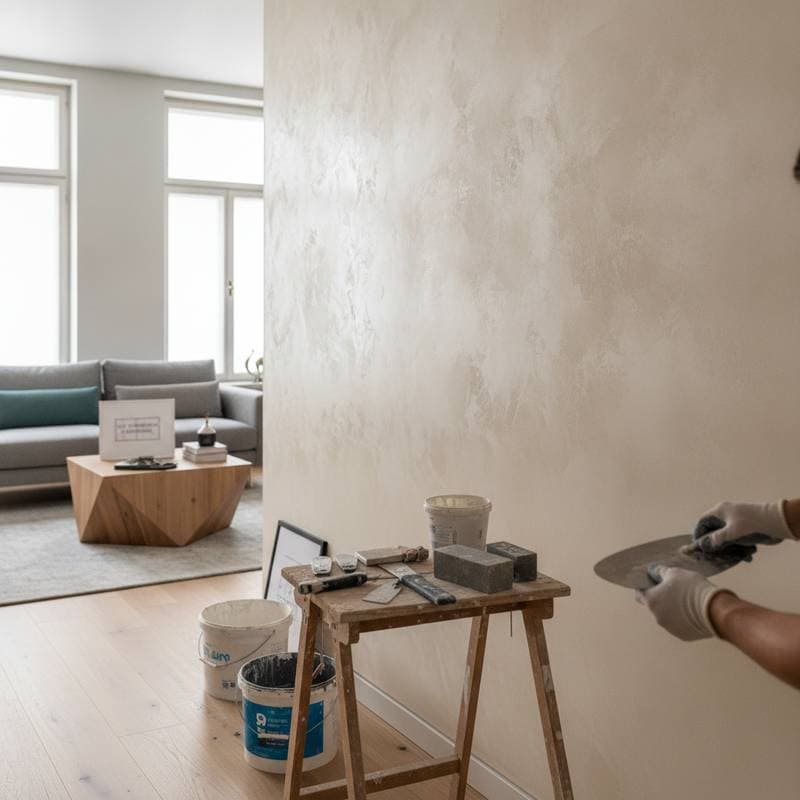
| Material quality | High | Imported Venetian plaster or natural lime blends |
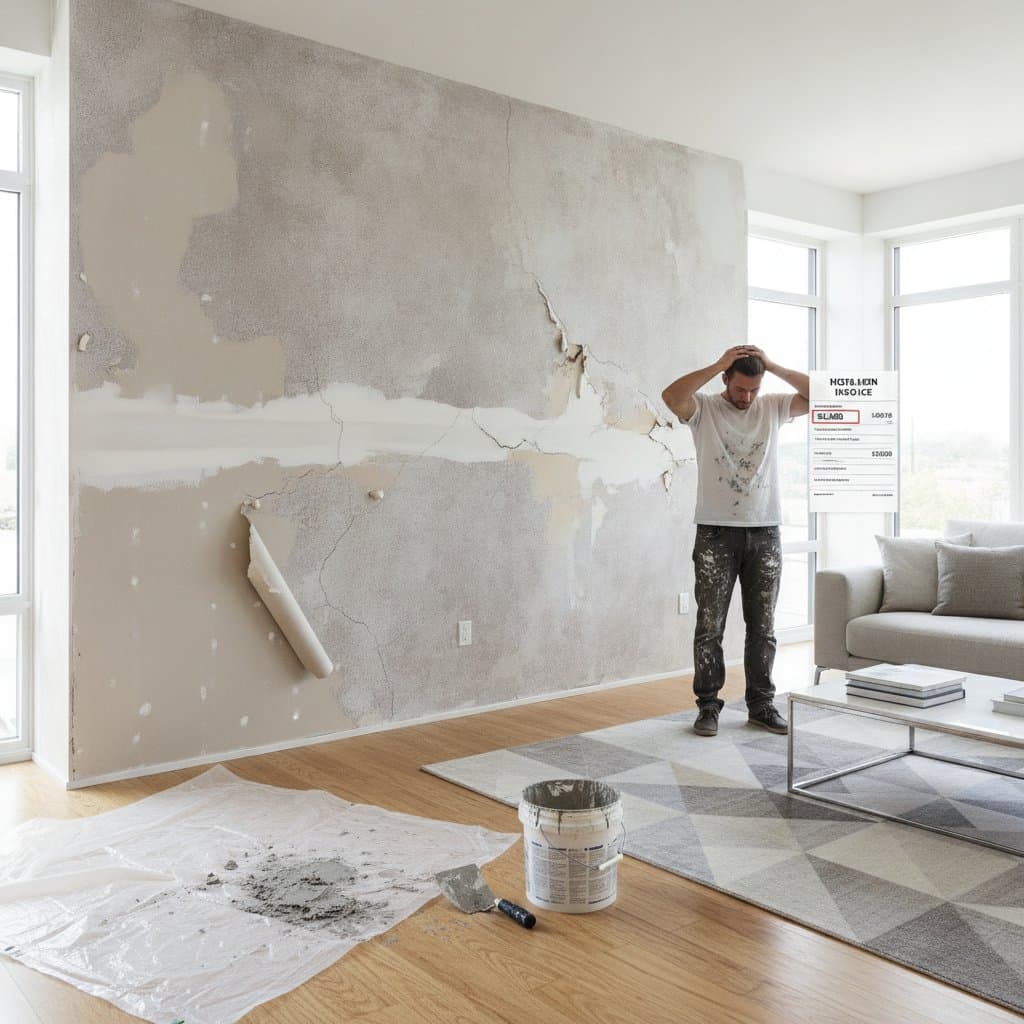
| Wall condition | Moderate | Cracked drywall or moisture damage adds prep time |
| Labor intensity | High | Multi layer burnishing or custom patterns |
| Room size | Variable | Larger areas require more labor and product |
| Regional pricing | Moderate | Skilled artisans may charge premium rates |
Why the Price Gap Exists
Plaster work demands technical skill and patience. Standard drywall finishing uses joint compound and sanding. Plaster texture requires multiple coats applied and cured by hand. The artisan achieves consistent texture while maintaining smoothness and durability. These steps increase labor hours and material use.
Supply costs have risen as well. Authentic Venetian plaster arrives imported and mixes with natural pigments. This can double raw material expense compared with drywall mud. Demand for trained artisans has tightened, which raises labor rates as fewer tradespeople specialize in the craft.
Professional vs DIY
Plaster texture work rarely suits DIY projects. It requires skill in mixing ratios, trowel techniques, and timing between layers. Mistakes prove difficult to correct once material sets. DIY attempts often produce uneven textures, delamination, or visible patchwork.
Homeowners seeking professional results should hire a licensed contractor or decorative plaster specialist. A handyman may manage small patching or single room repairs. Large scale decorative plastering belongs with professionals.
Working With Contractors
Request detailed quotes that outline materials, preparation, and finish types. Ask to review sample boards or completed projects that match the desired look. Confirm licensing, insurance, and experience with decorative or Venetian plaster. Clear communication about color depth, sheen level, and texture pattern prevents misunderstandings.
Planning Your Project
Schedule work during dry seasons when possible. Allow extra time for curing between coats. Budget for potential repairs discovered during surface preparation. Coordinate with other trades to avoid delays.
Frequently Asked Questions
Why are plaster texture walls more expensive than painted drywall?
They require more materials and intensive labor. Each layer must be applied and polished by hand, often using imported plaster and pigments.
How long does a typical plaster texture project take?
A single room can take one to two weeks, depending on drying time and the number of layers. Larger homes or custom finishes may extend the schedule.
Can I apply Venetian plaster myself?
Only with prior experience. The process demands precision, and errors prove difficult to fix once the plaster hardens.
What should I look for in a plaster contractor?
Check for experience with decorative finishes, valid insurance, and references from similar projects. Request samples before committing.
Do plaster walls need special maintenance?
They are durable but benefit from gentle cleaning and occasional waxing or resealing to preserve sheen and protect against moisture.
What if the wall develops cracks later?
Small hairline cracks can be patched and blended by a professional. Structural issues should be corrected before repairs to prevent recurrence.