Why Paint Trends Skip Color Names Entirely
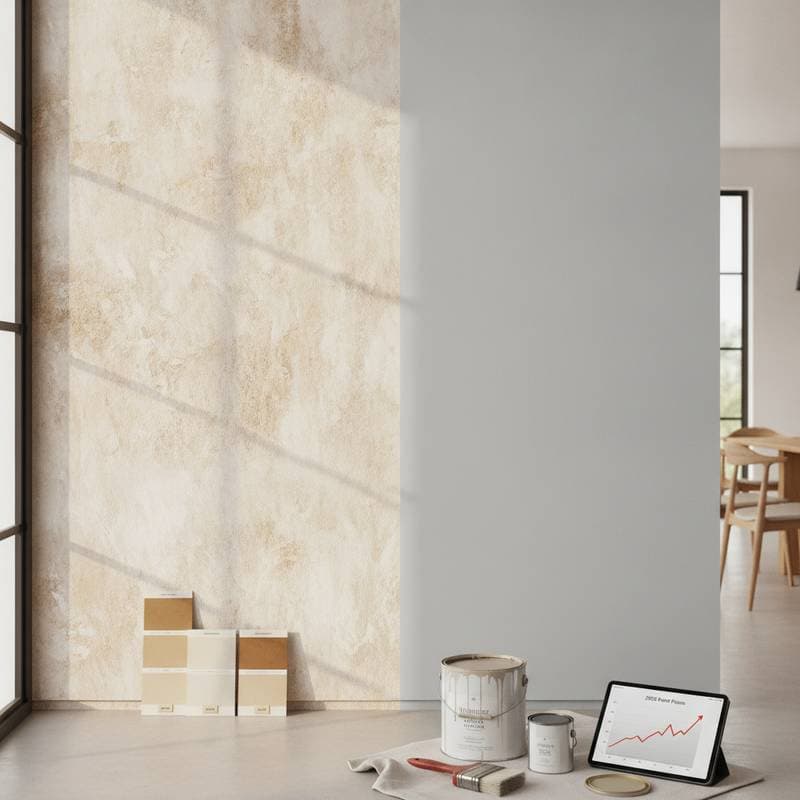
Paint selection is moving away from the color wheel. The practical approach to choosing wall finishes now centers on light reflectance value, commonly called LRV, rather than names like coastal mist, warm linen, or quiet sage.
Color names can sound appealing, but they do not reveal how paint will perform in your space. LRV measures how much light a painted surface reflects on a scale from 0 to 100. Lower numbers absorb more light. Higher numbers reflect more light.
This measurement helps you select paint with confidence whether you are refreshing a rental, preparing a home for sale, or planning a full interior transformation.
Why Color Names Fall Short
Paint names serve as marketing tools. They create mood and help products stand out on display walls. They do not deliver a consistent visual result.
One brand's soft white may appear crisp and bright. Another brand's soft white may carry cream, gray, pink, or yellow undertones. The same named color can also shift dramatically in a north-facing room, a sunlit kitchen, or a windowless hallway.
This inconsistency makes color selection difficult. You might love a sample card in the store, then discover the paint feels dark or overly cool at home.
LRV provides a practical reference point. It does not replace your eye, style, or personal taste. It adds information that helps you predict the outcome.
What LRV Tells You
LRV describes reflected light. Paint with an LRV near the upper end of the scale reflects a large amount of available light. It can help a small room feel more open and prevent a dim space from feeling heavy.
Paint with a lower LRV absorbs more light. It can create depth, reduce glare, and make a large room feel intimate. Dark paint can appear dramatic and polished, especially when trim, ceiling, lighting, and furnishings support the choice.
Consider LRV as a performance detail rather than a style label.
High LRV Paint
High LRV paint works well for:
- Small rooms
- Low light hallways
- Ceilings
- Kitchens with limited windows
- Spaces that need a bright, airy feeling
- Homes prepared for photography or video
High LRV does not always mean stark white. A pale greige, soft blue, or gentle green can reflect plenty of light while adding personality.
Midrange LRV Paint
Midrange values offer balance. They can provide color and warmth without consuming available light. This range often works well in living rooms, bedrooms, dining areas, and open floor plans.
Midrange paint also allows you to layer contrast. A slightly deeper wall can pair with lighter trim, a medium wood floor, and focused artwork.
Low LRV Paint
Low LRV paint creates richness and visual weight. It can make a room feel tailored, cozy, or cinematic. This approach works on production sets when a quick coat needs to create a strong backdrop on camera. The right dark wall can make furniture, art, and metallic finishes look instantly intentional.
Use low LRV colors with care in narrow spaces. Test a large area first, and inspect it in both daylight and artificial light.
Why Designers Are Using Measurements First
Designers, builders, and paint professionals need choices that hold up beyond a sample card. LRV supports clearer conversations with clients and tradespeople.
Instead of saying, "I want something light but not too bright," a client can describe the desired reflectance range, undertone, finish, and room conditions. This information improves sourcing and reduces expensive repainting.
This measurement also helps when a project uses several colors. You can build a visual rhythm by selecting one high LRV shade for a hallway, a midrange shade for living spaces, and a lower LRV shade for a focal room.
The palette still feels personal. The logic becomes repeatable.
How Light Changes the Result
Natural light shifts throughout the day. Window direction, trees, nearby buildings, flooring, and window treatments all affect what you see.
Artificial light matters, too. Warm bulbs can bring out beige, cream, peach, and yellow undertones. Cooler bulbs can emphasize blue, green, and gray. Glossy surfaces reflect light differently from flat walls, so a paint's finish changes the experience.
Use this testing method:
- Paint a large sample board, at least two feet by two feet.
- Move it around the room.
- View it near trim, flooring, cabinetry, and upholstery.
- Check it beside windows and in shadow.
- Observe it in morning, afternoon, and evening conditions.
- Leave it in place before ordering all the paint.
A sample board helps you test the actual room instead of guessing from a small paper chip.
Three Budget Paths for Smarter Selection
Little or No Budget
Use large paper samples, leftover cardboard, or foam board. Paint two coats, let the surface dry fully, and move the board through the room. Photograph it from the main doorway and seating area.
Clean existing walls before judging a new sample. Dust and grease can change how the finish reads.
Midrange Budget
Purchase sample pots from several brands. Compare similar LRV values, not only similar names. A warm white from one collection may sit beside a neutral white from another collection and reveal very different undertones.
Test primer when the existing wall is bold, glossy, stained, or heavily patched. A consistent base gives the new color a fair test.
Higher Budget
Ask a professional painter or color consultant to assess the room. They can review LRV, undertones, sheen, surface condition, and lighting together. This is especially useful for whole home projects, historic properties, and spaces with complicated transitions.
For a business, restaurant, or rental portfolio, document the selected colors, product lines, sheen levels, and surface preparation steps. That system supports consistent touch ups and easier maintenance.
LRV, Finish, and Function
LRV is only one part of a successful paint selection. Sheen affects reflection and durability.
Flat finishes hide small wall flaws and reduce glare. Eggshell offers a soft glow with easier cleaning. Satin brings more durability to busy areas, while semi gloss suits trim, doors, and moisture exposed surfaces.
Choose the finish based on use, not just appearance. A beautiful flat finish may struggle in a busy mudroom. A high sheen can emphasize uneven drywall.
For clients with vision differences, contrast can support easier navigation. Consider a clear difference between walls, trim, doors, and stair edges. Matte surfaces may reduce distracting glare. These choices make beauty more accessible.
Television Lessons for Real Homes
On camera, a room needs a clear focal point. Too many competing colors can flatten the story. The same principle works at home.
Choose one main wall color, one trim approach, and a small number of supporting accents. Let lighting, artwork, textiles, and furniture create movement.
Before a reveal, look through the camera frame. Does the entry feel welcoming? Does the seating area read clearly? Does the wall color support the people and objects in the room? LRV helps answer those questions before the crew arrives or the furniture gets delivered.
A bright wall can lift a shadowy frame. A deep wall can make pale upholstery pop. The measurement gives you a strong starting point, then the room supplies the personality.
Pro Tips for Success
Paint trends may skip color names, but people still deserve choices that feel warm, expressive, and personal. Use LRV as a filter, not a rulebook.
Start with the room's light. Add the surfaces that must stay. Consider how the space functions. Test before committing. Keep a record of the final product and finish.
For professionals, create a simple selection sheet with room, product, LRV, sheen, undertone notes, and preparation requirements. Share it with the client and painting crew. Clear information protects quality, reduces callbacks, and builds trust.
Living with Your Design
The best paint choices support daily life rather than just looking good on a sample card. LRV helps you make selections that work across changing light conditions and different room functions. When you understand how light interacts with color, you can create spaces that feel consistent and comfortable throughout the day.
Document your final selections with specific LRV values, product names, and finish types. This record makes future touch ups straightforward and helps maintain the look you worked to achieve. The measurement approach turns paint selection from guesswork into a repeatable process that delivers reliable results.