Why Terracotta Clay Plaster Commands Premium Pricing
Terracotta clay plaster transforms ordinary walls into surfaces with natural depth and warmth. This finish typically adds around $8,000 to standard painting projects when multiple walls, ceilings, repairs, and custom treatments are involved.
The price difference stems from the process itself. Standard painting requires surface preparation, primer, two finish coats, and cleanup. Clay plaster demands specialized materials, skilled installation, controlled drying periods, and artistic finishing. Homeowners who understand these cost components can evaluate estimates accurately and determine whether the aesthetic aligns with their budget.
Understanding Terracotta Clay Plaster
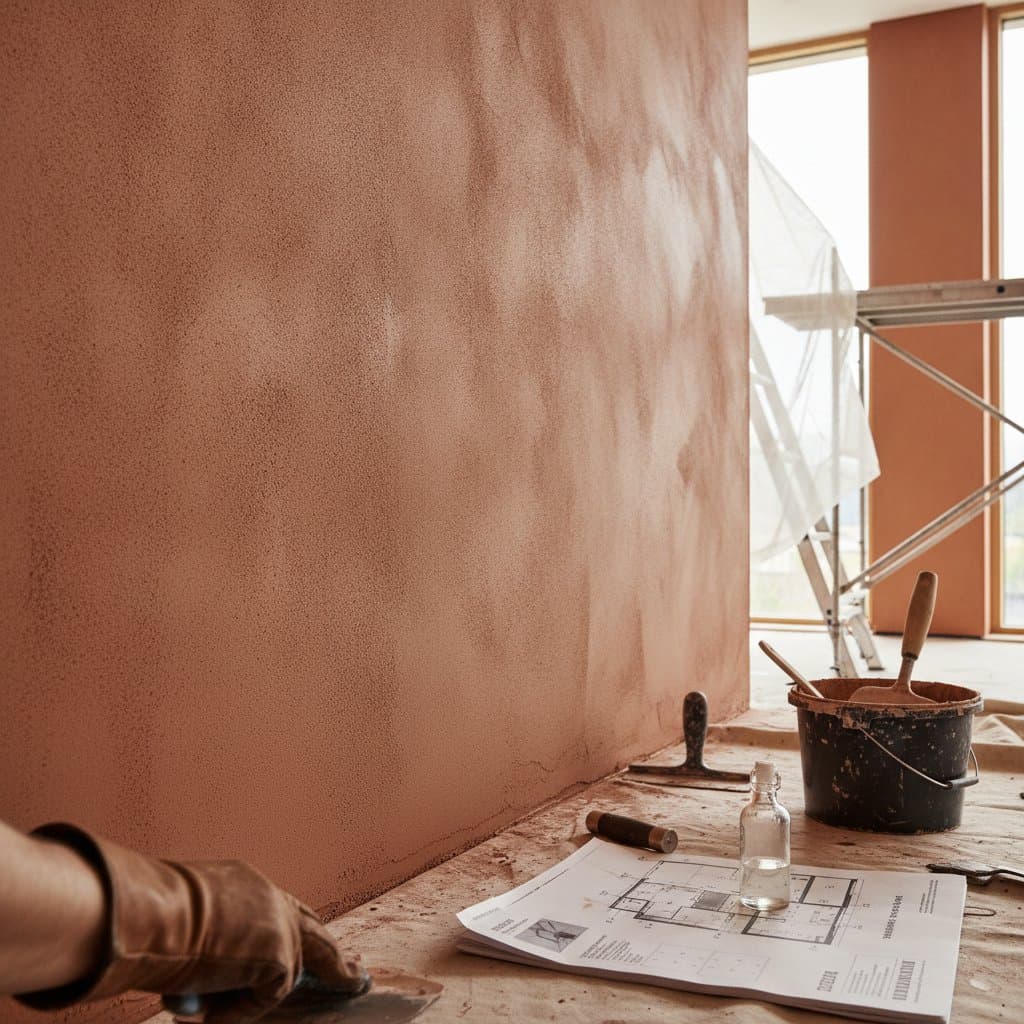
Terracotta clay plaster is a mineral-based wall finish composed of clay, fine aggregates, pigments, and natural components. Installers apply it in multiple layers, then shape, compress, burnish, or texture the surface to achieve the desired appearance.
The finished result can resemble aged plaster, polished earthen walls, or a softly mottled terracotta surface. Unlike ordinary paint, this material becomes integral to the wall rather than sitting as a thin film over drywall.
Installation typically includes these steps:
- Protecting floors, trim, cabinets, and fixtures
- Inspecting walls for cracks, movement, moisture, and uneven areas
- Repairing drywall and removing loose coatings
- Applying a compatible base coat or bonding primer
- Installing one or more plaster layers
- Allowing proper drying between coats
- Refining texture, color variation, and sheen
- Sealing the finished surface when appropriate
- Cleaning the work area and completing touchups
Each stage requires substantially more labor than conventional paint application.
Project Cost Breakdown
Average Cost Ranges
For a typical interior project, homeowners may encounter these broad ranges:
- Basic repainting: $2,500 to $6,000
- Standard terracotta plaster finish: $8,000 to $14,000
- Premium custom plaster installation: $14,000 to $25,000 or more
These figures vary based on room size, wall condition, ceiling height, local labor rates, and design complexity. A single accent wall may cost $2,000 to $5,000, while a complete main floor can exceed $15,000.
What the Price Includes
A professional estimate should identify labor, materials, preparation, protection, and cleanup. Material costs often range from $4 to $12 per square foot, while skilled installation may add $6 to $18 per square foot. Custom samples, specialty pigments, and protective sealers may be listed separately.
A quote should also clarify whether it includes furniture moving, minor drywall repairs, trim masking, ventilation, and final inspection.
What Costs Extra
Several services can increase the price:
- Extensive drywall repair, $500 to $3,000
- Removal of wallpaper or failing coatings, $2 to $6 per square foot
- High ceilings or difficult access, adding 15 to 35 percent
- Custom color development, $300 to $1,500
- Decorative hand tooling or burnishing, $2 to $8 per square foot
- Clear protective sealer, $1 to $4 per square foot
- Moisture remediation, priced after inspection
A contractor should document these possibilities before work begins. Hidden damage behind wallpaper or loose paint can alter the scope, but legitimate changes should be discussed and approved in writing.
Why the Finish Adds Approximately $8,000
The added cost usually comes from four primary sources.
Specialized Labor
Most painters can apply standard coatings efficiently, but clay plaster requires different training. The installer must control thickness, moisture, pressure, timing, and movement across the wall. Small variations affect the final color and texture.
A skilled specialist may charge more per hour or per square foot because the work proceeds more slowly and with less predictability than rolling paint.
Intensive Preparation
Clay plaster reveals wall defects that ordinary flat paint may conceal. Cracks, patched areas, uneven joints, and surface contamination can show through the finish. Installers may need to skim, sand, reinforce, or prime entire walls before applying plaster.
Preparation can consume one third or more of the project labor.
Multiple Application Stages
A durable finish may require a base coat, one or two body coats, and a final refinement layer. Every layer needs suitable drying conditions before the next application. The installer may return several times to build consistent texture and color.
Custom Appearance
Terracotta finishes are often selected for their variation. Achieving attractive variation requires control, not randomness. Samples may be adjusted several times to match flooring, cabinetry, stone, or lighting. Hand finishing adds design labor that is absent from a basic repaint.
Factors That Affect Final Cost
| Factor | Cost Impact | Examples |
|---|---|---|
| Wall condition | Adds 10 to 40 percent | Cracks, failed paint, uneven drywall |
| Surface area | Raises total cost | Multiple rooms and ceilings |
| Access | Adds 15 to 35 percent | Stairwells, tall walls, limited workspace |
| Finish design | Adds $2 to $8 per square foot | Burnishing, tooling, layered color |
| Regional labor | Changes hourly rates | Urban markets often cost more |
| Protection needs | Adds $300 to $1,500 | Occupied homes, delicate furnishings |
Local material availability and seasonal demand also affect pricing. Ask whether the estimate includes delivery, samples, taxes, and disposal fees.
Timeline and Preparation
A modest accent wall may require several working days. A full room often takes one to two weeks, including preparation and drying. Larger projects can take longer when the contractor must coordinate multiple trades or address moisture problems.
Before work starts:
- Remove wall art, curtains, and fragile items.
- Clear furniture from the work zone or confirm moving charges.
- Approve a physical sample under the room's actual lighting.
- Identify plumbing leaks, condensation, or exterior water entry.
- Confirm ventilation and access requirements.
- Review the payment schedule, warranty, and change order process.
Clay plaster can be sensitive to moisture during installation. A contractor should explain ventilation needs and protect the surface from early contact, splashes, and heavy cleaning.
DIY or Professional Installation
DIY may suit a small decorative panel for someone experienced with plaster, surface preparation, and color blending. Material costs may range from $2 to $8 per square foot, but tools, practice boards, samples, and mistakes can narrow the savings.
Professional installation makes more sense for large areas, ceilings, staircases, bathrooms, historic walls, or projects where consistent appearance matters. Safety concerns include ladders, dust, ventilation, and unknown wall conditions. Electrical, plumbing, structural, and moisture issues should be handled by properly qualified professionals.
Choosing and Managing a Contractor
Look for contractors who can show completed clay plaster work, not only standard painting. Ask for references involving a similar finish and request photographs taken in natural and artificial light.
Verify:
- Required state or local licensing
- General liability and workers compensation insurance
- Written scope of work
- Material and product specifications
- Estimated preparation and completion schedule
- Warranty terms and maintenance instructions
Collect at least three detailed proposals when practical. Compare the preparation plan, number of coats, square footage, sealer, repairs, cleanup, and payment schedule. A low bid may exclude essential preparation.
Use a written contract with deposit limits, milestone payments, approved change orders, protection standards, and final inspection terms. Avoid paying the entire balance before the finish is complete and inspected.
Quality Checks and Maintenance
After installation, examine the surface under different lighting conditions. Look for consistent texture, even color distribution, and proper sealing where required. Document any areas that need adjustment before final payment.
Maintenance involves gentle cleaning with appropriate products. Avoid harsh chemicals or abrasive tools that could damage the finish. Most manufacturers provide specific care instructions for their products.
Addressing Moisture Concerns
Moisture damage requires immediate attention before plaster application. Contractors should identify sources of water intrusion and complete remediation before proceeding. Proper ventilation during installation prevents future problems with the finish.
Protecting Your Investment
Quality terracotta clay plaster represents a significant investment in your home's character. Proper contractor selection, clear communication about expectations, and adherence to maintenance guidelines ensure the finish provides lasting value and visual appeal for years to come.