Liquid Deglosser: Skip Sanding and Prep in 15 Minutes
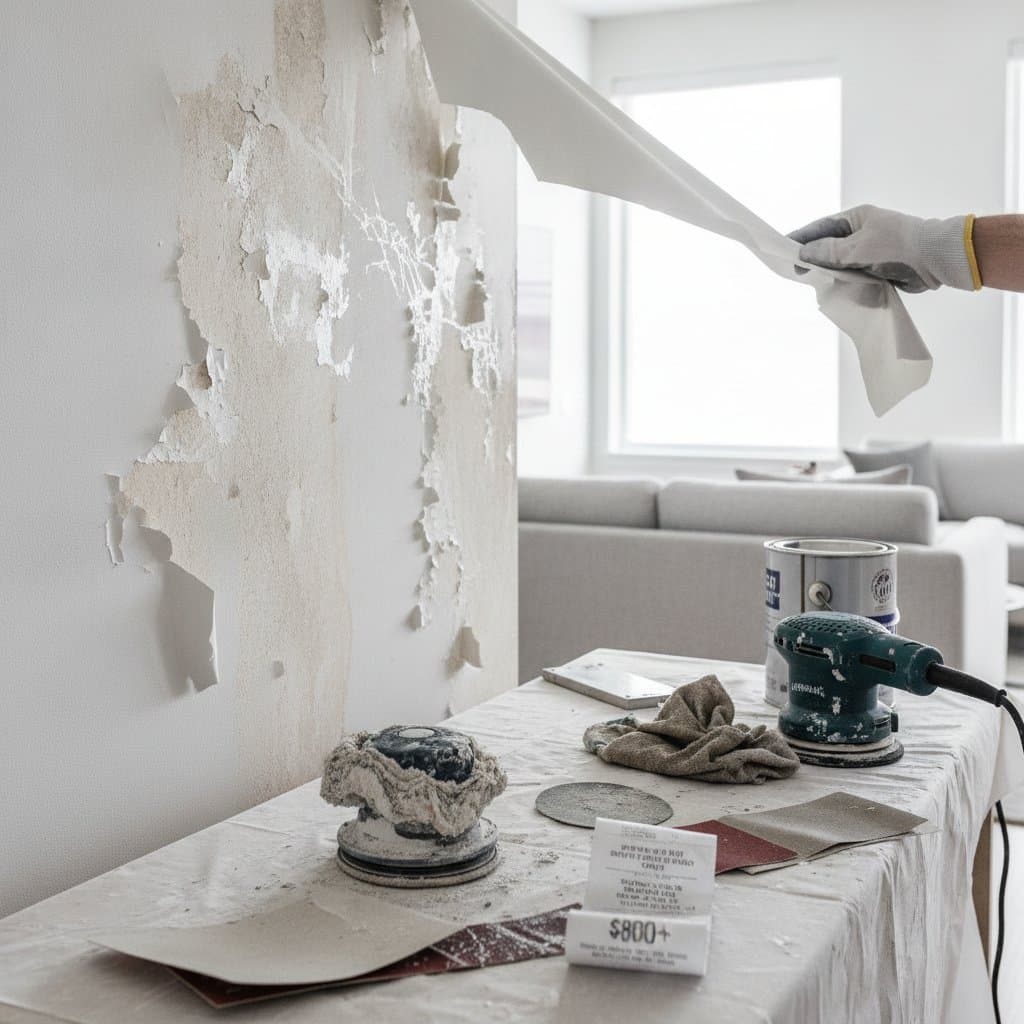
Homeowners often dread the sanding stage of a painting or refinishing project. It creates dust and demands physical effort. Proper surface preparation remains essential for paint or stain adhesion.
Liquid deglosser offers a fast alternative. It prepares surfaces in minutes without sanding mess. Understanding its function, costs, and suitable applications leads to professional results.
Liquid Deglosser Cost Overview
Liquid deglosser ranges from $8 to $25 per quart. Most users spend $12 to $18 for a quart that covers 300 to 400 square feet. One quart handles typical furniture, cabinetry, or trim projects.
This option often costs less than sanding supplies. Sandpaper, masks, and cloths can exceed $30 for medium jobs plus extra labor time. Liquid deglosser needs only a clean cloth and brief drying.
Average Cost Ranges by Project Scope
- Small project (furniture or door trim): $8 to $15
- Medium project (kitchen cabinets or multiple doors): $15 to $35
- Large project (entire room or multiple furniture pieces): $30 to $60
Cost Breakdown per Square Foot
- Materials: $0.03 to $0.07
- Labor for professional application: $0.25 to $0.60
- Preparation supplies such as cloths and gloves: $0.01 to $0.03
- Extra coats on glossy surfaces: $0.02 to $0.05
Factors Affecting Liquid Deglosser Costs
Surface condition affects usage. Heavily varnished areas may need multiple coats. Lightly finished wood usually requires one coat.
Project type influences effort. Cabinets demand precision tools while flat doors need less product. Intricate carvings increase application time.
Product quality matters. Premium formulas cut finishes faster yet cost more. Budget versions suit basic prep but may need extra wiping.
Labor choice changes totals. Professionals ensure even results and add expense. DIY application saves money yet requires ventilation and care.
Detailed Cost Analysis by Product Category
| Product Type | Basic Range | Standard Range | Premium Range | Key Differences |
|---|---|---|---|---|
| General-purpose deglosser | $8 to $12 | $13 to $18 | $19 to $25 | Reaction speed, odor level, residue removal |
| Cabinet-focused formulas | $10 to $14 | $15 to $22 | $23 to $30 | Cleaning strength, finish smoothness |
| Eco-friendly or low-VOC types | $12 to $16 | $17 to $24 | $25 to $32 | Indoor safety, drying time, scent |
Value and ROI Considerations
Liquid deglosser saves hours of sanding and cleanup. The resulting surface accepts paint as well as sanded wood, especially over glossy finishes. High return appears on cabinets, trim, and furniture where adhesion affects longevity.
A prepared surface extends paint life and cuts future repairs. Professional projects often allocate large labor shares to prep. Switching to deglosser can lower total costs by 10 to 20 percent.
How Liquid Deglosser Works
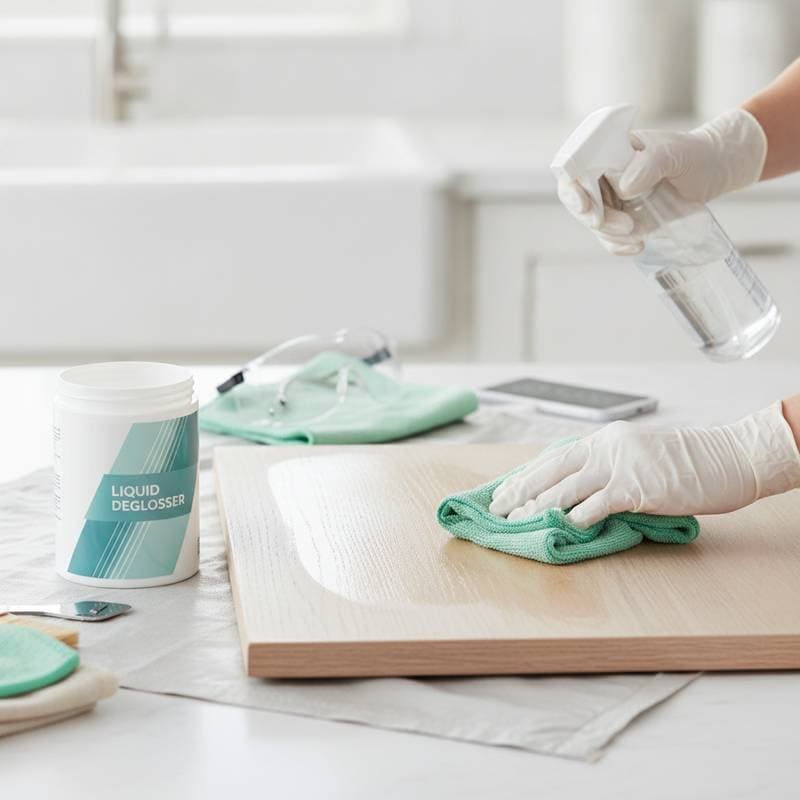
Liquid deglosser softens the glossy layer on paint, varnish, or polyurethane. Wipe it on with a lint-free cloth, wait several minutes, and paint once dry. The surface becomes tacky enough for new coatings to grip.
Advantages of Using Liquid Deglosser
- Speed: completes prep in minutes for fast projects.
- Clean process: produces no dust that spreads to other areas.
- Ease of use: needs few tools and little experience.
- Consistent finish: avoids uneven sanding marks.
Limitations to Consider
Liquid deglosser does not replace sanding on rough or damaged surfaces. It performs best on sealed wood rather than raw or porous material. Strong fumes require good ventilation in closed rooms.
Money-Saving Strategies
- Purchase larger containers for lower unit cost on big jobs.
- Wash surfaces with soap and water first to reduce product needed.
- Choose reusable microfiber cloths for even application.
- Apply in small sections to control coverage and waste.
- Pair with quality primers to extend repaint intervals.
Planning Your Budget
Include gloves, rags, and cleaners when estimating. Small jobs total around $15 while full kitchen prep may reach $50. Add a small buffer for extra product or surface surprises.
Ask contractors whether they include deglosser in prep. Some prefer sanding for certain finishes while others choose deglosser for speed. Clear expectations produce accurate bids.
Frequently Asked Questions
1. What is the average cost of using liquid deglosser for a typical home project?
Most household projects require $10 to $25 per quart. This amount covers 300 to 400 square feet. Total expenses with supplies range from $15 to $40 for medium jobs.
2. Which factors most influence the total cost of using liquid deglosser?
Surface condition, project size, product quality, and application method drive costs. Glossy finishes consume more product. Premium low-odor versions raise per-quart prices. Professional labor increases the final bill.
3. How can homeowners save money when using liquid deglosser?
Match quantity to project size. Clean surfaces beforehand. Work in sections and reuse quality rags. Mid-range products balance performance and price.
4. Is liquid deglosser a good substitute for sanding?
It replaces sanding on glossy sealed surfaces and delivers comparable adhesion. Rough, damaged, or raw wood still needs mechanical sanding first.
5. Should I hire a professional to apply liquid deglosser?
Hire help for large or detailed projects where even coverage matters. DIY works well for small furniture or trim when ventilation and safety steps are followed.
6. When is the best time to use liquid deglosser for painting projects?
Apply it immediately before painting on glossy cabinets, doors, or trim. It prepares the surface in one session without the delay of dust cleanup.
Achieving Durable Paint Results
Select the right product strength for your surface. Follow ventilation guidelines and test a small area first. Proper preparation with liquid deglosser supports long-lasting finishes on cabinets and trim.