Venetian Plaster or Drywall: 2026 Resale Value Winner
Homeowners planning upgrades often face a key design and financial question. Should they invest in luxurious Venetian plaster walls or stick with traditional drywall finishes? Both options have distinct cost structures, aesthetic differences, and long-term value implications. Understanding how each material affects resale value, maintenance, and buyer perception helps homeowners make the best choice for their property and budget.
Venetian Plaster vs. Drywall Cost Overview
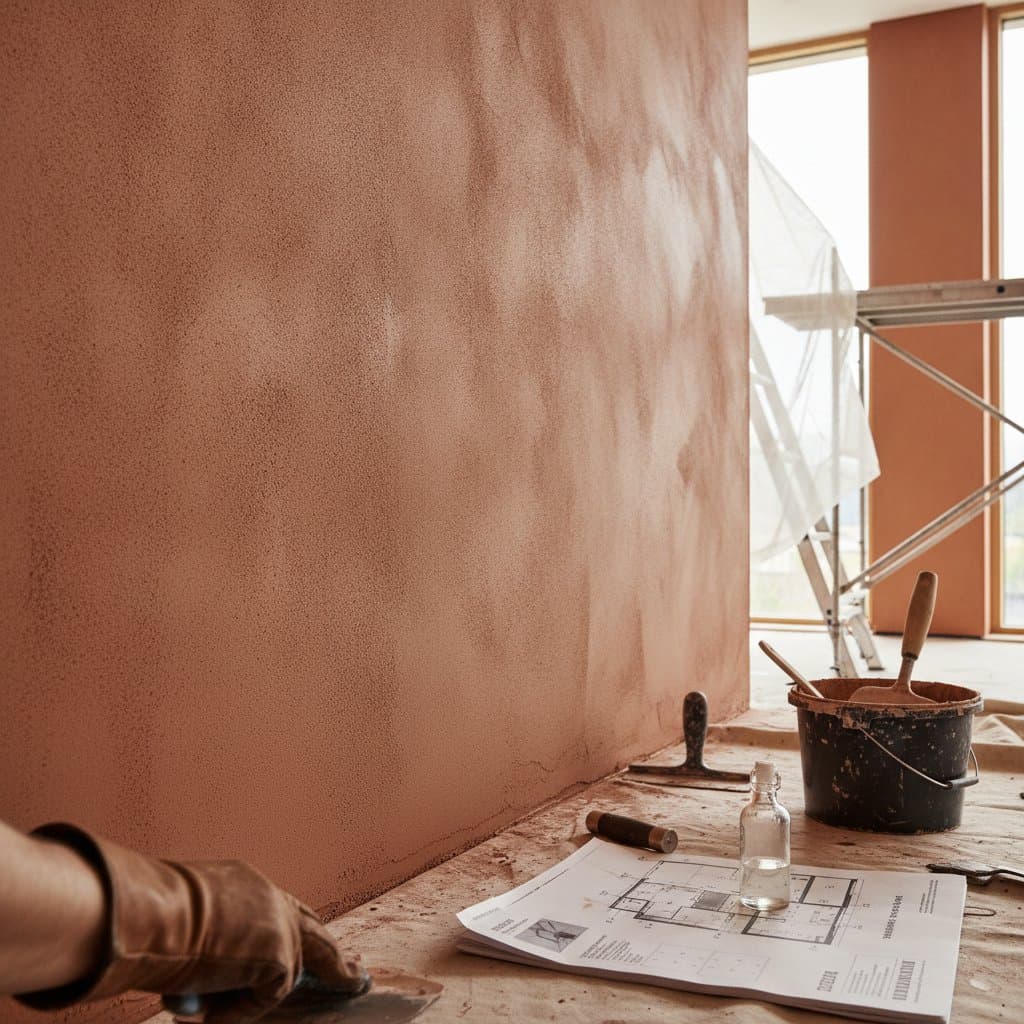
Venetian plaster is a high-end wall finish made from lime, marble dust, and pigment. It is applied in thin layers to create a polished, stone-like surface. Drywall is a gypsum-based wall covering that forms the foundation for paint or texture. The cost difference between the two can be substantial, but so can the impact on resale appeal.
The typical cost range for Venetian plaster is $8 to $25 per square foot, depending on material quality, color complexity, and labor expertise. A professionally installed drywall finish, including taping, mudding, and painting, usually costs $1.50 to $4 per square foot.
Most homeowners invest in Venetian plaster for high-visibility areas such as living rooms, entryways, or dining rooms where its depth and sheen deliver noticeable impact.
Average Cost Ranges by Room Size
- Small room (up to 150 sq. ft.): Venetian plaster $1,200 to $3,500; Drywall $250 to $600
- Medium room (150 to 300 sq. ft.): Venetian plaster $2,400 to $7,000; Drywall $450 to $1,200
- Large room (over 300 sq. ft.): Venetian plaster $4,000 to $12,000; Drywall $800 to $2,000
Cost Breakdown per Square Foot
| Category | Venetian Plaster | Drywall Finish |
|---|---|---|
| Materials | $3 to $8 | $0.50 to $1.50 |
| Labor | $5 to $17 | $1 to $2.50 |
| Preparation | $0.50 to $2 | $0.25 to $0.75 |
| Finishing and Sealing | $1 to $3 | Included in paint cost |
Venetian plaster requires skilled artisans who apply and burnish each layer. Drywall finishing is faster and easier to repair. This difference in labor intensity explains why Venetian plaster commands a premium.
Factors Affecting Costs
Several variables influence the total cost and long-term return of both finishes.
- Material Quality: Premium plasters with genuine lime and marble dust cost more but offer exceptional depth, durability, and moisture resistance.
- Surface Preparation: Venetian plaster demands smooth, primed walls free of imperfections. Extra preparation time can add $1 to $2 per square foot.
- Application Complexity: Specialty finishes such as high-gloss or color-layered plasters take longer to apply.
- Labor Expertise: Skilled plaster artisans are limited in many regions, which drives up labor rates.
- Regional Market Conditions: Labor and material prices vary widely by location.
- Maintenance and Longevity: Venetian plaster can last decades with minimal upkeep, while drywall may need repainting every few years.
Cost Comparison by Finish Quality
| Finish Type | Basic Range | Standard Range | Premium Range | Key Differences |
|---|---|---|---|---|
| Venetian Plaster | $8 to $12 | $13 to $18 | $19 to $25 | Basic offers matte finish; premium features polished marble effect |
| Drywall Finish | $1.50 to $2.50 | $2.50 to $3.50 | $3.50 to $4 | Basic is smooth and painted; premium offers high-quality detailing |
Value and ROI Considerations
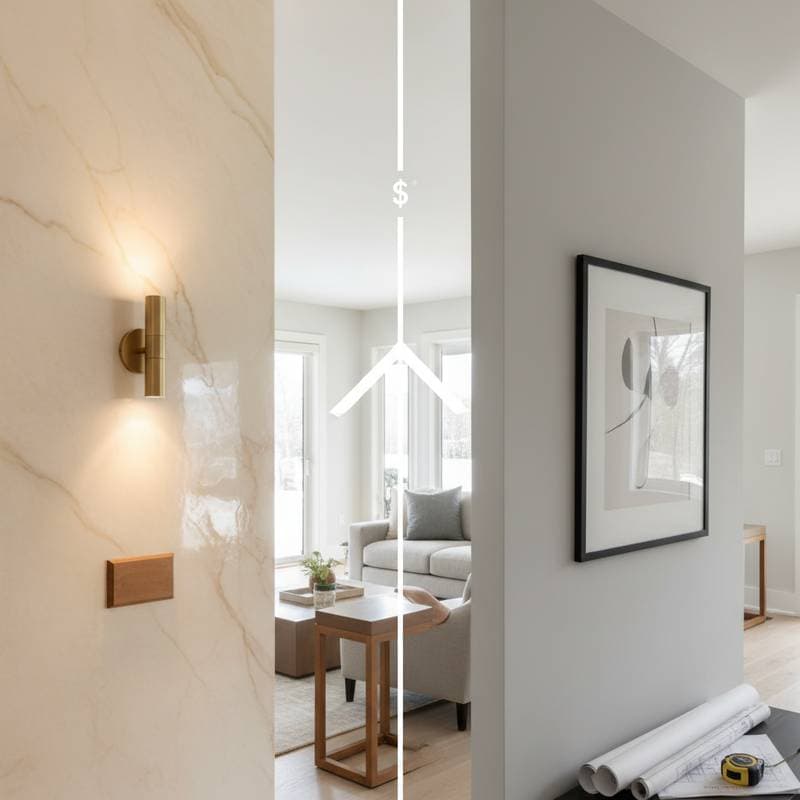
Venetian plaster delivers a refined look that appeals strongly to high-end buyers. Its tactile, natural finish adds character and a sense of craftsmanship rarely seen in standard drywall homes. For properties in luxury markets, plaster can increase perceived property value by 5 to 10 percent, especially when used strategically in focal areas.
Drywall remains the practical choice for most homeowners seeking affordability and ease of maintenance. While it does not elevate resale value dramatically, it maintains broad appeal and provides a neutral canvas for buyers.
The return on investment depends on the home target market. Upscale buyers often expect premium finishes such as plaster. Mid-market buyers prioritize cost efficiency.
Hidden and Long-Term Costs
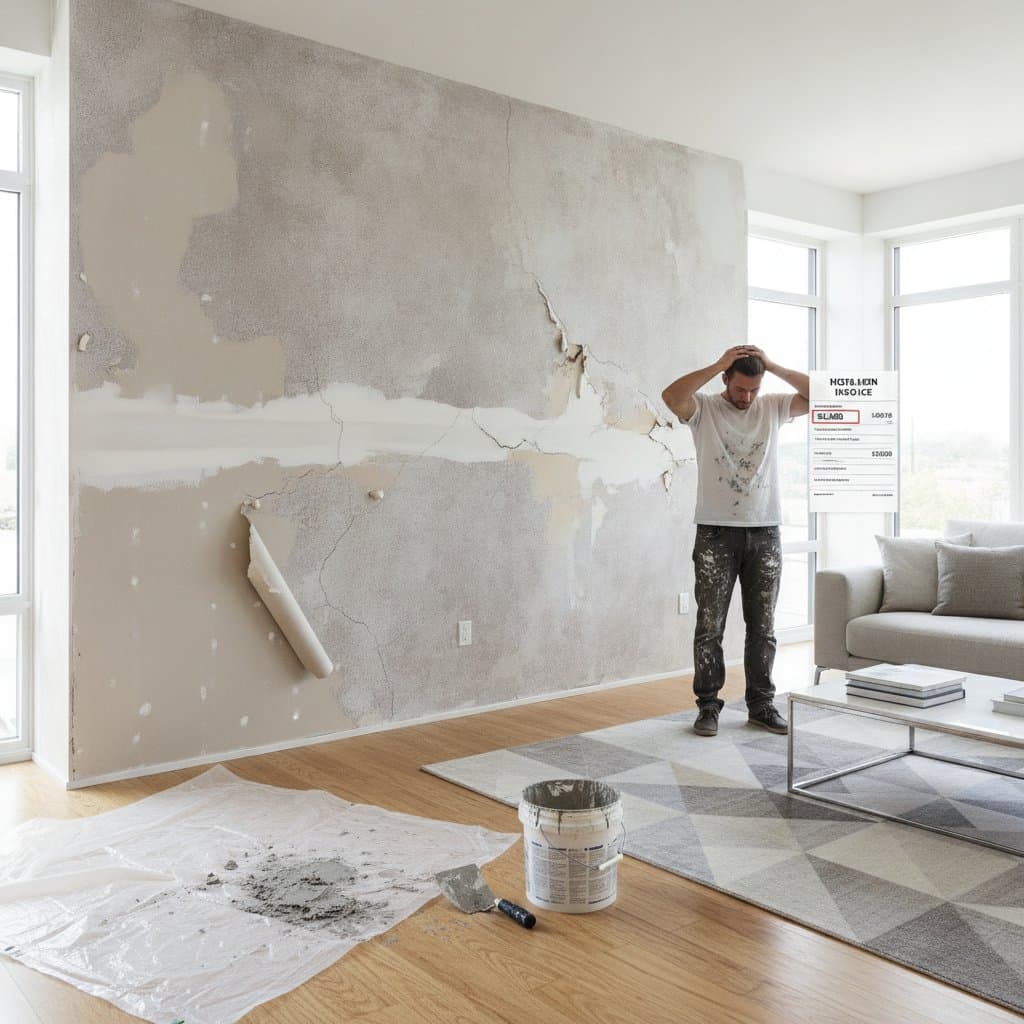
Venetian plaster offers exceptional durability, but repairs can be costly if damaged. Matching color and texture requires professional touch-ups, which can add $200 to $500 per area. Drywall repairs are simpler and can often be completed by the homeowner for minimal cost.
Over time, Venetian plaster resists fading, moisture, and mold better than painted drywall. Its longevity can translate into fewer repainting cycles.
Money-Saving Strategies
Homeowners who love the Venetian look but want to control costs can consider these strategies:
- Use Venetian plaster selectively on statement walls or high-traffic areas instead of entire rooms.
- Choose synthetic or hybrid plasters that mimic the appearance at a lower price point.
- Handle prep work personally by sanding and priming before professional application.
- Schedule off-season work when contractors often offer better rates.
- Compare quotes carefully and ask for itemized pricing.
Planning Your Budget
A successful renovation begins with clear budgeting. Start by identifying the purpose of your project. If the goal is resale maximization, evaluate how each finish complements the property overall style and market position.
Budgeting framework:
- Estimate total square footage for the project.
- Multiply by the chosen finish rate.
- Add 10 to 15 percent for contingencies such as prep surprises or design changes.
- Factor in future maintenance savings for a true cost comparison.
Homeowners planning to stay long-term may find Venetian plaster timeless appearance and low maintenance justify the price. Those preparing to sell sooner might favor drywall for its affordability and flexibility.
Professional vs. DIY Application
Venetian plaster is not an ideal DIY project. The technique requires precision layering, burnishing, and timing to achieve the correct sheen. Inexperienced application can lead to uneven surfaces and wasted materials.
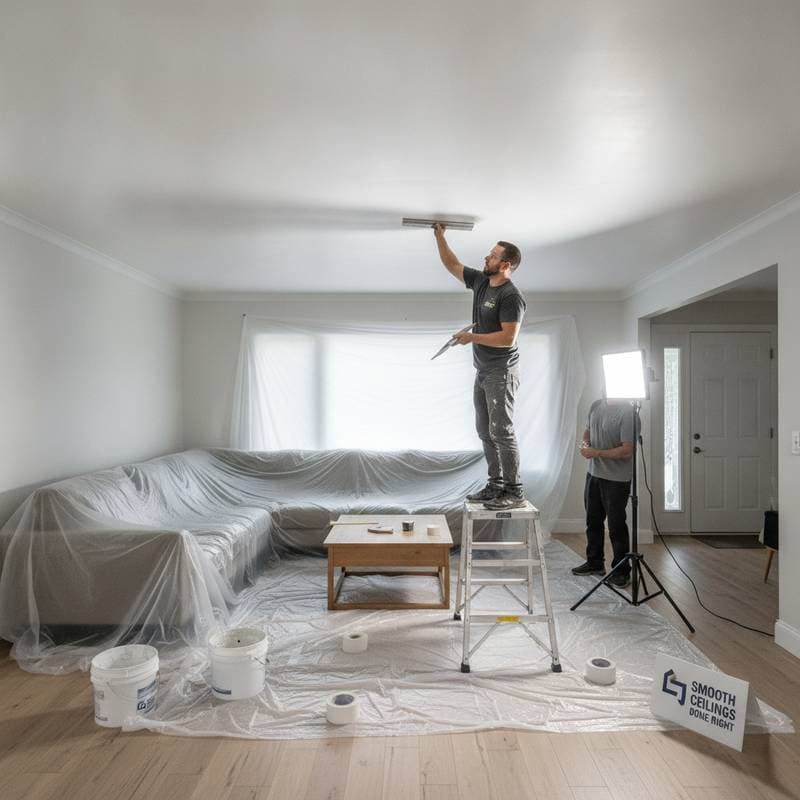
Drywall finishing can be managed by skilled DIYers willing to invest time and patience. Professional drywall finishers deliver faster, smoother results.
Comparing total costs:
- DIY Drywall: $0.75 to $2 per sq. ft. including materials and tools.
- Professional Drywall: $1.50 to $4 per sq. ft.
- Professional Venetian Plaster: $8 to $25 per sq. ft.
Getting Started with Your Project
Before choosing between Venetian plaster and drywall, evaluate your home architecture, buyer demographic, and long-term plans. For contemporary luxury homes or historic renovations, plaster delivers unmatched authenticity and visual depth. For family homes or rental properties, drywall provides practicality and cost efficiency.
Gather multiple quotes, review portfolios, and request samples of finishes under natural light. Clear communication with contractors about expectations, maintenance, and finish options ensures that your project stays on budget and timeline.
Frequently Asked Questions
What is the average cost difference between Venetian plaster and drywall?
Venetian plaster ranges from $8 to $25 per square foot, while drywall finishing costs $1.50 to $4 per square foot. The gap reflects material quality and labor intensity.
Which finish adds more resale value?
Venetian plaster tends to attract higher-end buyers and can enhance perceived property value by up to 10 percent. Drywall maintains universal appeal but rarely adds premium resale value.
How can I save money on Venetian plaster?
Focus on selective application, choose hybrid materials, handle prep work yourself, and schedule work during slower contractor periods.
Should I attempt Venetian plaster as a DIY project?
No. The technique demands professional skill for consistent results that impress buyers. Drywall offers more DIY flexibility.
How should I budget for unexpected project costs?
Add 10 to 15 percent to your base estimate to cover preparation surprises or design adjustments.
When is the best time to schedule wall finishing for lower prices?
Contractors often provide better rates during slower months. Plan accordingly to reduce overall expenses.