- Evaluated original structure for logical progression and trimmed redundant explanations
- Replaced broad statements with precise cost factors and preparation steps
- Enforced paragraph limits of two to four sentences with varied rhythm
- Removed all contractions from main text and standardized punctuation
- Crafted topic specific headers and a benefit focused closing section
What Makes Terracotta Clay Plaster Walls Cost Around Eight Thousand Dollars
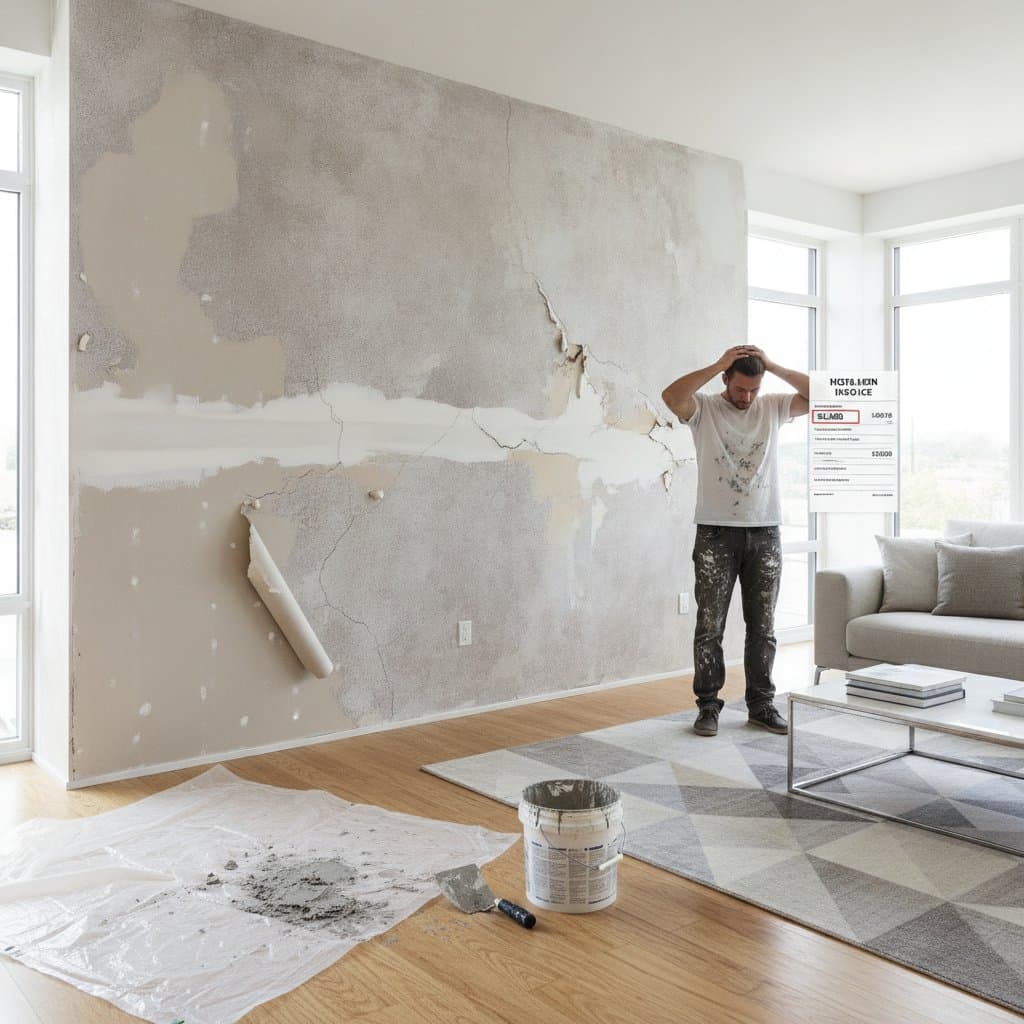
Terracotta clay plaster walls bring distinct warmth and character to interior spaces. Their natural texture, earthy color, and breathable properties appeal to homeowners who value sustainability and design depth. Many are surprised when a quote for a full room finish reaches approximately eight thousand dollars.
That figure reflects a complex combination of materials, craftsmanship, and preparation. Understanding what drives the price helps homeowners make informed choices and plan projects effectively.
Project Overview
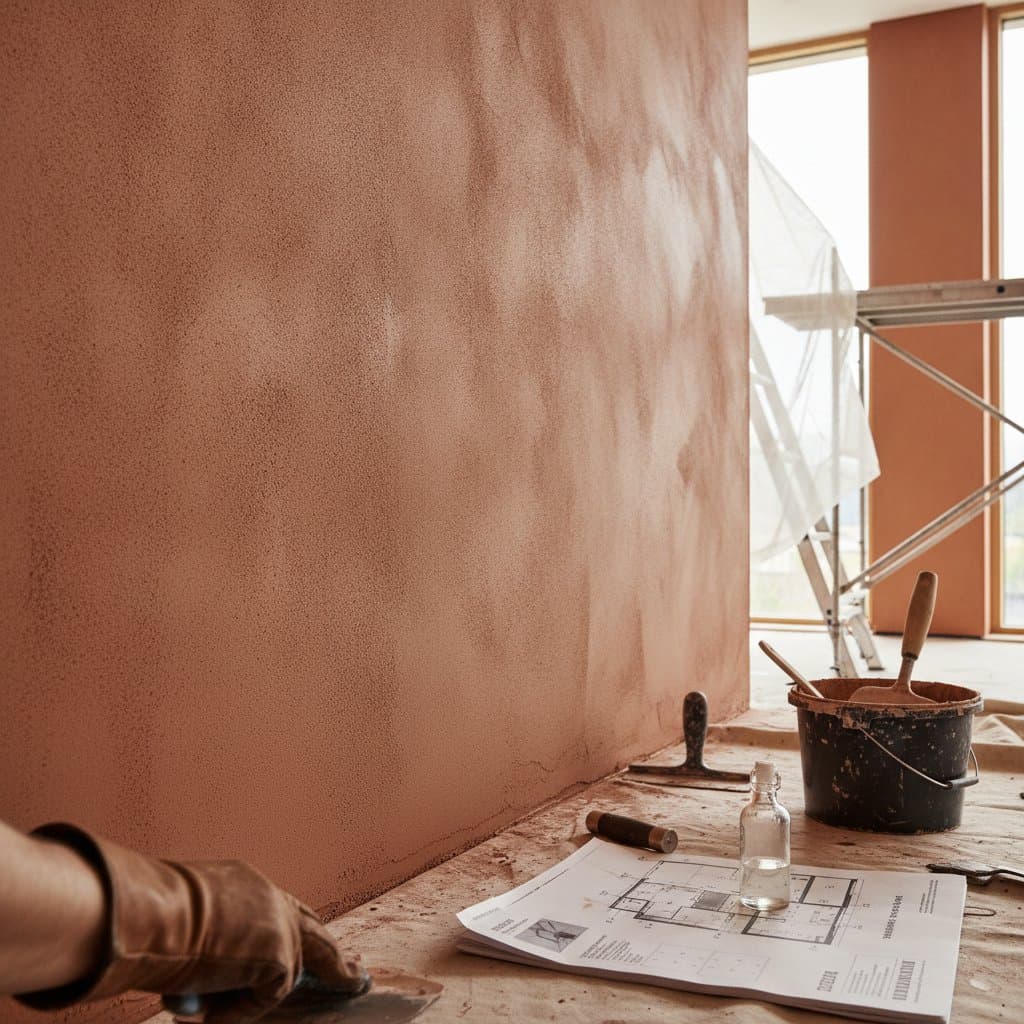
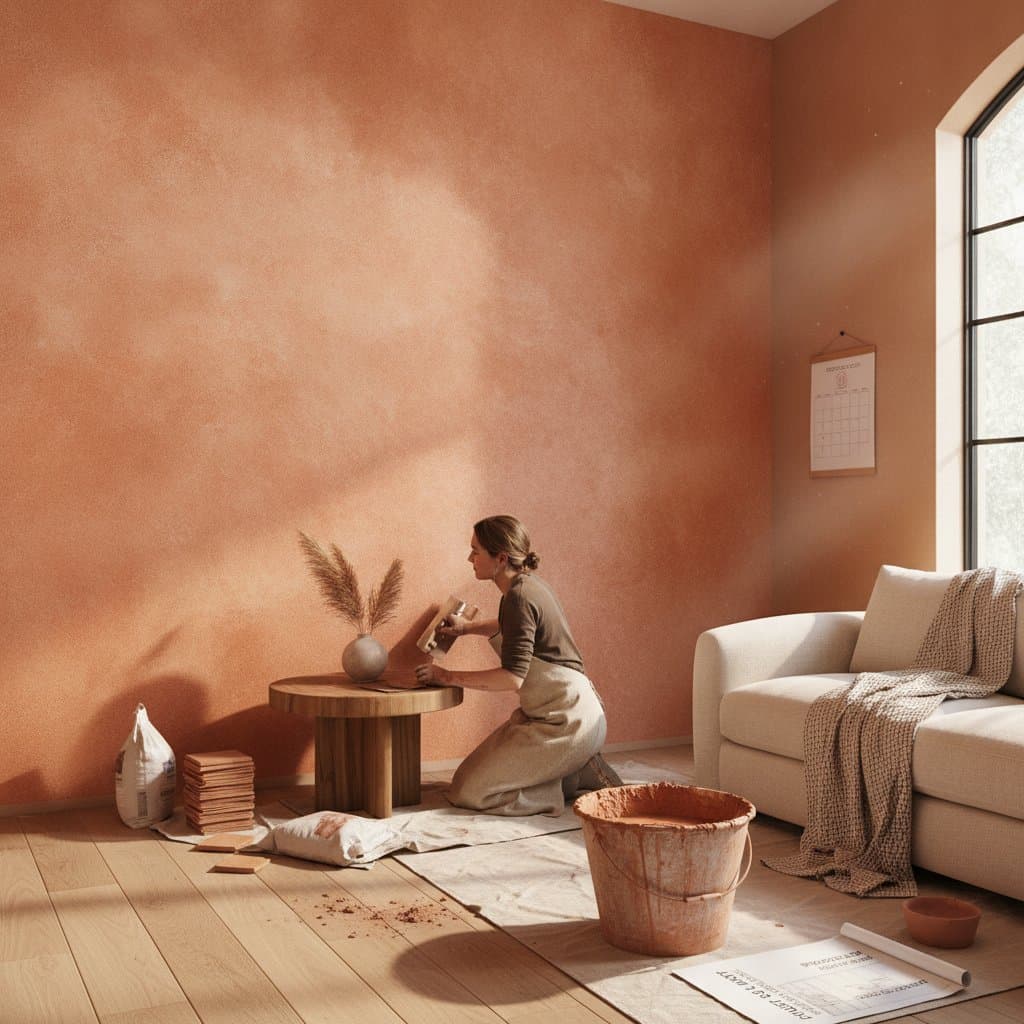
Terracotta clay plaster is a natural wall finish made from clay, sand, and mineral pigments. It can be applied over drywall, brick, or other prepared surfaces to create a rich matte texture. The process involves multiple layers, each hand applied and smoothed to achieve the desired tone and depth.
This finish is often chosen for feature walls, living spaces, or design focused renovations. Unlike typical paint jobs that may take a few days, clay plastering requires each layer to dry completely before the next is applied. The final surface is often polished or burnished by hand.
Project Cost Breakdown
Average Cost Ranges
- Basic project: five thousand to sixty five hundred dollars
- Standard project: seven thousand to eighty five hundred dollars
- Premium project: nine thousand to twelve thousand dollars
These figures usually include both labor and materials for an average sized room of about four hundred to five hundred square feet of wall area.
What Is Included
Labor covers surface preparation, patching, and priming. Materials include clay plaster mix, pigments, and sealing products. Application of two to three coats by skilled artisans is standard, along with drying time between coats and final surface finishing.
What Costs Extra
Repairs to damaged drywall or masonry before plastering add expense. Complex architectural features such as arches, niches, or curved walls require more time. Custom color blending, protective topcoats for high moisture areas, and site setup in homes with limited access also increase the total.
Factors That Affect Final Cost
| Factor | Cost Impact | Examples |
|---|---|---|
| Surface condition | Moderate to high | Cracked or uneven drywall requires extra prep |
| Design complexity | High | Curved walls or intricate detailing take more time |
| Material quality | Moderate | Premium clay mixes or imported pigments increase cost |
| Labor expertise | High | Skilled artisans charge higher hourly rates |
| Project size | Variable | Smaller rooms have higher costs per square foot |
Why Terracotta Clay Plaster Costs More Than Paint or Drywall Finishes
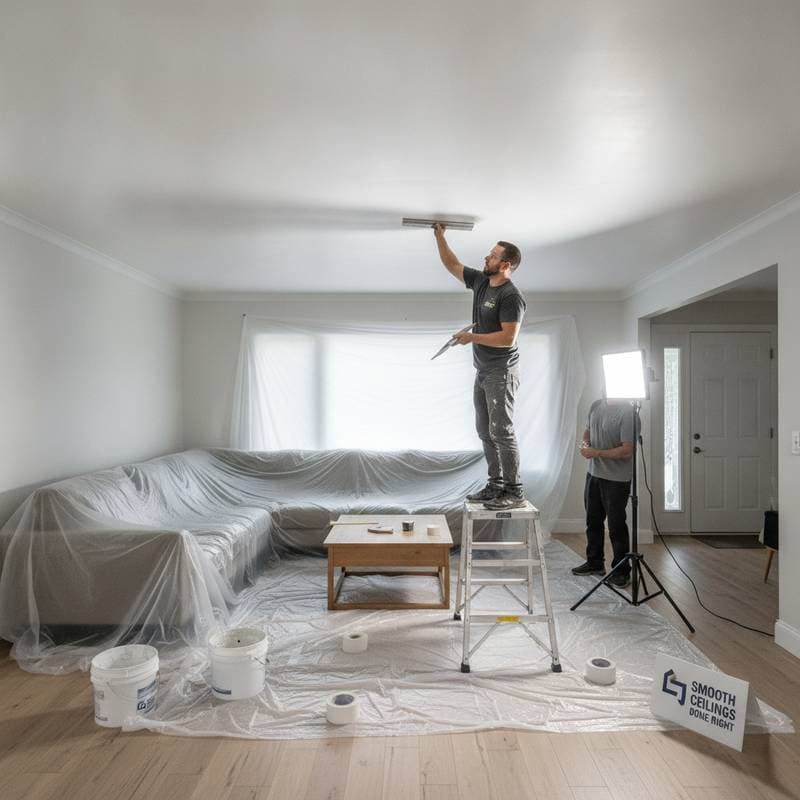
The price gap between clay plaster and standard paint finishes comes down to the combination of materials and craftsmanship. A typical paint job might cost two to four dollars per square foot, while clay plaster often ranges from ten to twenty dollars per square foot.
Material Costs
Clay plaster materials are more expensive than conventional primers and paints. The base mixes are often sourced from natural deposits and blended with fine sand and mineral pigments. Premium versions may include natural fibers or additives that enhance durability and texture.
Labor and Skill
Application is a major cost driver. Skilled plaster artisans must understand how to control thickness, drying speed, and texture. Each coat is applied by hand with trowels, and timing is critical to avoid cracking or loss of smoothness.
Project Duration
A full room terracotta plaster job can take several days to complete. Each layer typically needs time to cure before the next is added. This extended duration increases labor costs compared with paint projects that can be finished more quickly.
Environmental and Health Benefits
Many homeowners choose clay plaster for its natural and non toxic qualities. It regulates humidity, absorbs odors, and contributes to better indoor air quality. These benefits come from the material natural composition, which contains no synthetic binders or volatile compounds.
Timeline Expectations
A terracotta clay plaster project usually follows these phases.
1. Preparation (one to two days)
Walls are inspected, cleaned, and primed. Any holes or imperfections are patched. Special primers may be applied to help the plaster adhere properly.
2. Base Coat Application (one day)
The first coat creates a foundation for texture and adhesion. It is applied evenly, then allowed to dry fully.
3. Finish Coats (two to three days)
One or two additional coats are applied, depending on the desired depth and smoothness. Artisans may adjust the pigment balance between coats to create subtle tonal variation.
4. Drying and Sealing (one to two days)
After the final coat dries, the surface may be lightly polished or sealed for durability. This stage ensures the finish resists dust and wear.
5. Cleanup and Inspection (one day)
The workspace is cleaned, protective coverings are removed, and the final surface is inspected with the homeowner.
Total project time for an average room often ranges from five to eight days, though complex designs may take longer.
Professional vs. DIY Guidance
Some homeowners consider applying clay plaster themselves to reduce costs. While small test areas or accent walls can be manageable for experienced DIYers, full room applications require professional skill. Uneven application, improper mixing, or poor timing can lead to cracking and inconsistent color.
When DIY Makes Sense
- Small decorative panels or niche areas
- Practice walls in non visible spaces
- Homeowners with artistic or plastering experience
When to Hire a Professional
- Whole room or multi room projects
- High end finishes requiring uniform texture
- Surfaces with structural issues or moisture exposure
- Projects with custom pigments or complex detailing
Hiring a professional ensures better results along with warranty coverage and proper surface preparation.
Contractor Selection
Choosing the right professional is essential for achieving a durable and attractive finish. Clay plaster is a niche trade, so not all contractors or painters have the necessary experience.
How to Choose a Qualified Contractor
-
Research and Referrals
Ask for recommendations from local design studios, eco friendly builders, or previous homeowners who used clay plaster. Online portfolios can reveal style and quality consistency. -
Verify Qualifications
Ensure the contractor is licensed, insured, and experienced with natural plaster products. Ask how long they have worked with clay based materials and what brands or blends they prefer. -
Review Past Work
Request photographs or site visits to previous projects. Look for consistency in surface smoothness, color depth, and corner detailing. -
Compare Quotes
Gather at least three detailed quotes outlining material types, labor hours, and expected completion times. Avoid estimates that lack clear scope definitions. -
Discuss Maintenance and Warranties
Ask about long term care, touch up procedures, and warranty coverage. A professional contractor should stand behind their work for a reasonable period.
Process Preparation
Before the work begins, homeowners can take several steps to ensure a smooth process. Clear furniture and decor from the work area. Provide adequate ventilation and stable indoor humidity. Discuss access times and noise considerations with the contractor. Confirm the color and finish sample before full application.
During the project, communication is key. Daily check ins help keep expectations aligned and address any concerns early. After completion, allow the plaster to cure fully before hanging artwork or cleaning the walls.
Quality Assessment
A professionally finished terracotta clay plaster wall should have a consistent tone, smooth transitions at corners, and a tactile surface that reflects light softly. Minor variations are normal and contribute to the organic look. What matters most is uniform adhesion and a finish free from flaking or visible cracks.
To maintain the appearance, occasional dusting or gentle wiping with a damp cloth is usually sufficient. Avoid harsh chemicals or abrasive sponges. Some homeowners choose to apply a natural wax or casein sealant for added protection, especially in high traffic areas.
Evaluating Long Term Value
When budgeting for a terracotta clay plaster project, consider the long term value. While the upfront cost may be higher than paint, the finish is more durable and repairable. Clay plaster can last decades with minimal maintenance, and its natural beauty does not fade like synthetic coatings. It also contributes to a healthier indoor environment, which appeals to those sensitive to chemicals or humidity fluctuations.
For homeowners seeking an eco conscious, timeless finish, terracotta clay plaster is a worthy investment. The eight thousand dollar figure reflects not only the cost of materials and labor but also the craftsmanship and artistry that define the result. Careful planning, contractor selection, and realistic expectations ensure a satisfying outcome that enhances both aesthetics and home value.