Is an $800 Dust-Free Drywall System Worth It?
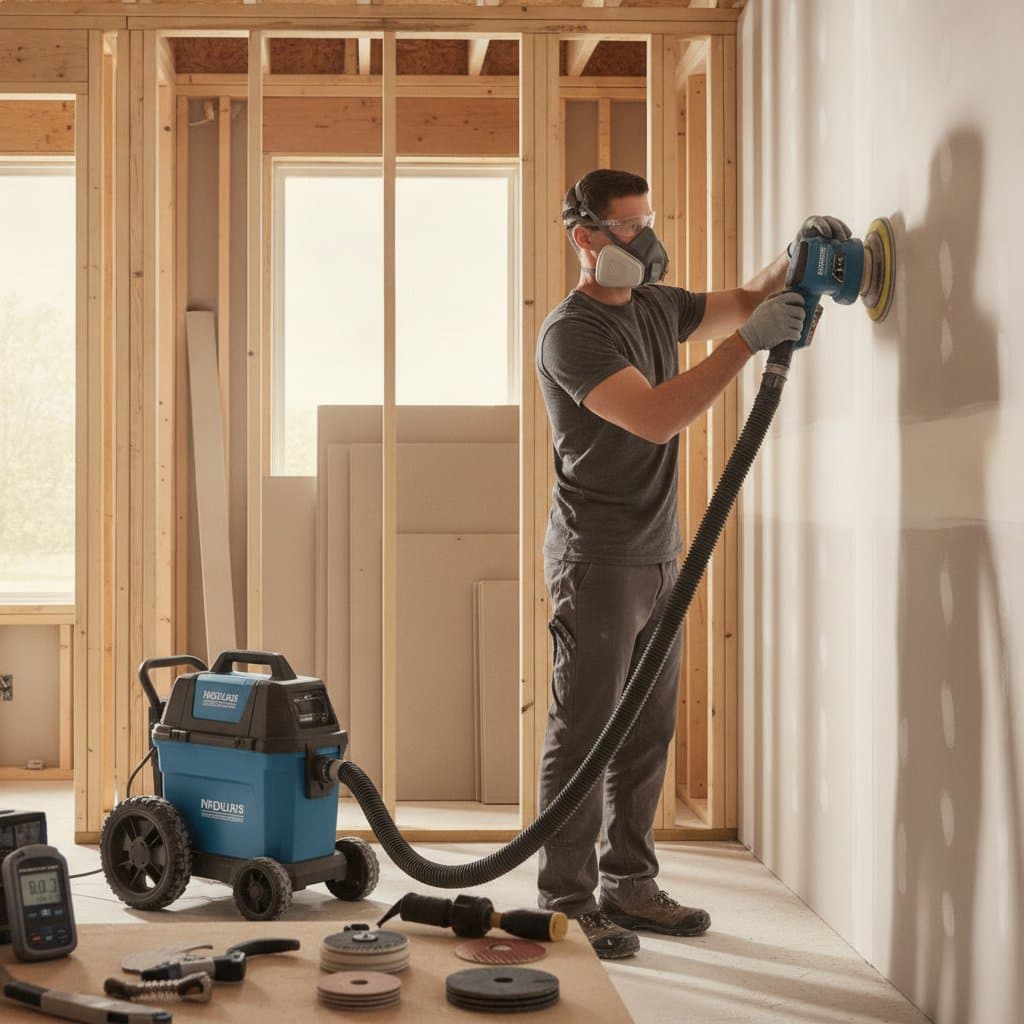
Drywall sanding creates fine particles that settle on every surface and enter air systems during renovations. Traditional methods leave extensive residue that demands hours of additional work. Dust-free systems connect a sander to a vacuum unit so particles are captured at the source.
Homeowners often consider an $800 setup when weighing time savings against equipment expense. This overview examines actual costs, performance differences, and practical ways to decide on a purchase or rental.
Typical Price Ranges
A full dust-free drywall sanding system falls between $600 and $1,000. The $800 level usually covers a mid-range sander paired with a dedicated extractor that offers reliable suction and a reusable filter.
Basic portable units start near $400. Premium commercial models exceed $1,200. A conventional sander without extraction costs $60 to $200 yet requires separate cleanup labor.
Room-by-Room Cost Comparison
- Small rooms near 100 square feet: traditional sanding runs $80 to $120 while a dust-free approach costs $130 to $180 and saves one to two hours of cleanup.
- Medium rooms near 250 square feet: traditional work totals $150 to $250 while dust-free service reaches $250 to $350 and saves two to four hours.
- Large rooms near 400 square feet: traditional sanding reaches $300 to $450 while dust-free service totals $450 to $600 and saves four to six hours.
These figures reflect average labor rates and include both sanding and final cleaning.
Elements That Shape System Price
Suction strength and filter quality determine how much dust remains in the air. HEPA filters capture 99 percent of fine particles yet add to the purchase price and require periodic replacement at $40 to $80 each.
Longer hoses with swivel fittings improve reach and reduce strain during extended use. They add $50 to $100 to the total. Stronger motors increase efficiency but raise both cost and noise unless the unit includes sound-dampening features.
Established brands charge more yet supply longer warranties and ready replacement parts. This matters for repeated projects or professional crews.
Value Beyond the Initial Outlay
Dust-free sanding reduces preparation and post-job cleaning by up to 80 percent. It protects HVAC equipment from contamination and produces smoother surfaces that accept paint evenly.
Contractors finish rooms faster and receive fewer follow-up requests for dust removal. Homeowners gain a healthier workspace during occupied renovations.
Practical Ways to Control Spending
Rent a unit for $50 to $80 per day to test performance before purchase. Pair a mid-range sander with an existing shop vacuum that carries a HEPA filter for a lower-cost hybrid. Purchase during slower months when retailers discount equipment.
Clean filters after each use and replace them on schedule to preserve suction and avoid repeat passes.
Questions Homeowners Commonly Ask
What is the average cost of a dust-free drywall sanding system? A complete setup generally ranges from $600 to $1,000. The $800 tier supplies a balanced professional unit suitable for most residential work.
What factors affect pricing the most? Suction power, filter type, motor durability, and brand support drive the largest differences.
How can costs be lowered? Rent first, combine components already owned, and watch for seasonal sales.
Should the work be hired out or completed in house? DIY remains possible yet produces more mess and time. Professionals using dust-free equipment deliver cleaner results on a shorter schedule.
How should contingency funds be set aside? Add 10 to 15 percent to the budget for extra filters or additional passes on heavily repaired surfaces.
Choosing the Right Path Forward
An $800 system returns value when multiple rooms or future projects are planned. For single small jobs, rental or professional service often proves more economical. Evaluate room count, available time, and tolerance for post-sand cleaning before deciding.