The $800 Mistake: Skipping Deglossers Before Repainting
Repainting might seem straightforward. You pick a color, grab a brush, and start applying. Yet skipping one small step before painting can turn a simple weekend project into an expensive redo. That step is using a deglosser.
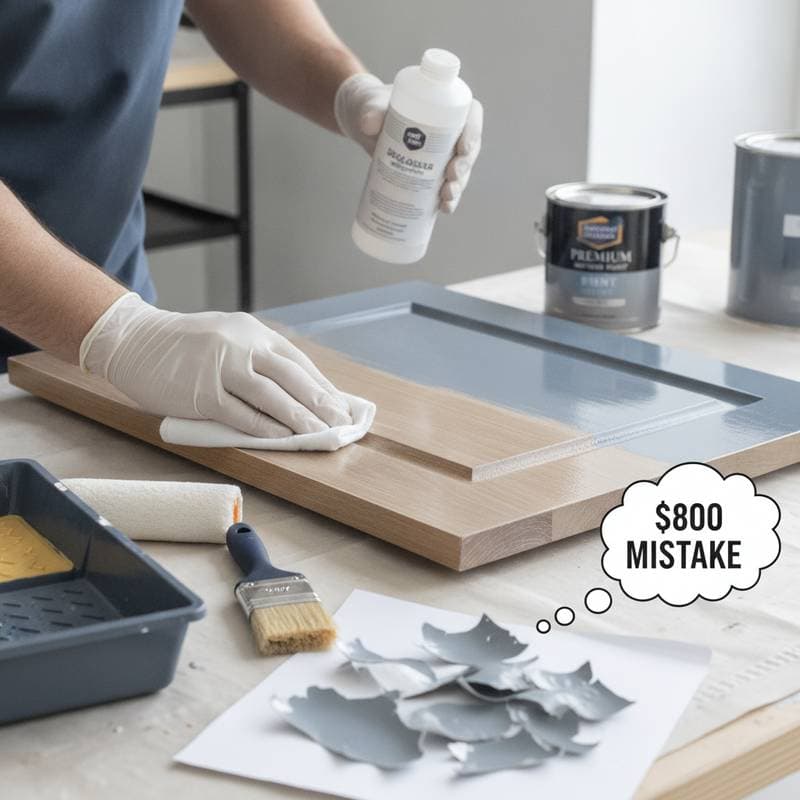
Many homeowners overlook it, only to discover peeling paint, poor adhesion, and uneven finishes a few months later. The cost of redoing that failed paint job can easily reach $800 or more. This makes deglossing one of the smartest investments in any painting project.
Why Deglossing Matters
A deglosser, sometimes called liquid sandpaper, removes the glossy sheen from previously painted or finished surfaces. Glossy paint resists new layers, meaning fresh paint has trouble bonding. A deglosser softens that slick surface so new paint adheres evenly and lasts longer.
Skipping this step often leads to peeling, flaking, or bubbling paint. Those issues require sanding, scraping, and repainting to fix. The time and materials needed for a second attempt can quickly exceed the cost of doing it right the first time.
Average Cost of Deglossing
Deglossing is inexpensive compared to the cost of repainting failure. Here is a quick overview of what homeowners can expect:
| Project Type | DIY Deglossing Cost | Professional Deglossing Cost | Repainting Repair if Skipped |
|---|---|---|---|
| Small room (100 sq. ft.) | $15 - $30 | $60 - $120 | $200 - $400 |
| Medium room (250 sq. ft.) | $25 - $50 | $100 - $200 | $400 - $800 |
| Large room (400 sq. ft.) | $40 - $75 | $150 - $300 | $600 - $1,000 |
That $800 mistake is not an exaggeration. When paint fails to stick, the repair involves removal, surface prep, primer, and another full coat of paint. Professionals charge for all that extra labor, and materials are wasted.
Factors that Influence Deglossing Costs
Surface type affects the approach. Wood, laminate, metal, and previously painted drywall all require different methods. Hard, glossy surfaces like cabinets or trim need more deglosser and careful application, which increases both labor and material cost.
Surface condition also plays a role. If the old paint is chipping or greasy, prep work grows more complex. Cleaning, patching, and applying multiple rounds of deglosser can add hours to the project. Skipping that attention to detail often leads to weak adhesion later.
Product quality matters as well. Deglossers vary in strength and safety. Cheaper products might require multiple coats, while premium brands work faster with less odor and residue. Spending a little more here can reduce labor time and improve results.
Labor and access add further variables. Cabinet doors, crown molding, and high walls increase labor costs due to setup and reach challenges. Professionals may charge by the hour or by square footage, depending on the project complexity.
Cost Breakdown for a Standard Room
A medium room of 250 square feet carries total preparation and painting costs between $400 and $900. Deglosser and cleaning materials run $25 to $50. Labor for deglossing and prep costs $100 to $200. Paint and primer materials add $150 to $300. Final finish and cleanup complete the range at $125 to $350.
These numbers include both material and labor for a complete repaint. When deglossing is skipped, that same project could easily double in cost due to paint failure correction.
The True Price of Skipping Deglossing
When paint fails to bond correctly, the surface often needs stripping and sanding before repainting. That process takes time and can damage underlying materials. Homeowners who try to fix it themselves often spend extra on tools like scrapers, sanding blocks, and additional paint. The frustration of redoing the same project can outweigh the small savings from skipping a few minutes of prep.
Professionals see this issue often, especially in kitchens and bathrooms where moisture interacts with glossy surfaces. Repainting cabinets without deglossing almost always leads to peeling around handles and edges within months.
Value and Long-Term Benefits
Deglossing adds longevity and durability to your paint job. When the new coat bonds properly, it resists moisture, cleaning chemicals, and daily wear. That means fewer touch-ups and a more polished finish. For homeowners planning to sell, a well-prepared paint surface adds value and improves buyer perception.
Over time, the cost of proper prep pays off in fewer repaints. Spending $30 and an hour on deglossing can extend the life of a paint job by several years, saving hundreds in materials and labor.
Money-Saving and Preparation Tips
Clean thoroughly before deglossing. Dirt and grease prevent even deglosser application. Use lint-free cloths to spread the product evenly and prevent dust contamination. Work in sections because deglossers dry quickly, so apply and paint systematically to maintain adhesion.
Invest in quality paint and primer. Good prep only matters if the products applied afterward can match its quality. Hire professionals for complex surfaces. Trim, doors, and cabinets require skill and consistency to achieve a smooth finish.
Planning Your Budget
When planning a painting project, include a line item for surface preparation. Budget roughly 10 to 15 percent of the total project cost for cleaning, sanding, and deglossing. That small percentage can prevent hundreds of dollars in future repairs. Always get quotes that specify surface prep tasks so you know exactly what is included. Contractors who skip this step in their estimate may deliver disappointing results.
Achieving Lasting Results
Proper deglossing protects your investment from the start. It turns a potential redo into a durable finish that holds up for years. Homeowners who follow these steps enjoy smoother projects and fewer surprises down the line.