Why Clay Paint Outsells Regular Paint 3-to-1 in 2026
Homeowners now select materials with greater care for their living spaces. Awareness of indoor air quality, environmental impact, and natural design has shifted the paint market toward clay-based options. This preference appears across residential and commercial projects as a lasting change rather than a temporary fad.
Clay paint combines natural ingredients with a distinctive matte finish. Its performance in health, durability, and aesthetics explains the sales advantage over traditional latex or acrylic paints.
Clay Paint Cost Overview
Clay paint derives from natural clays, minerals, and pigments. The composition raises the initial price yet delivers extended value through reduced maintenance and improved air quality.
Average Cost Ranges by Project Size
- Small Room (up to 150 sq. ft.): $150 to $350
- Medium Room (150 to 300 sq. ft.): $300 to $600
- Large Room (300 to 500 sq. ft.): $600 to $1,000
Cost Breakdown per Square Foot
Clay paint averages $2.50 to $5.50 per square foot when materials and labor are included. Materials account for $1.50 to $3.00, labor for $1.00 to $2.00, surface preparation for $0.50 to $1.00, and extras such as texture or custom color for $0.25 to $0.50. Traditional acrylic paint ranges from $1.50 to $4.00 per square foot.
Factors Affecting Clay Paint Costs
Several elements determine final pricing and help homeowners plan accurately.
- Material Composition: Natural minerals and pigments come from smaller production runs. This raises the per-gallon cost while removing volatile organic compounds and the need for special ventilation.
- Application Process: The thicker consistency requires thorough mixing and often two or three coats. Skilled application produces even coverage and a deeper matte surface.
- Surface Preparation: Clean, porous walls accept clay paint best. Older surfaces may need sanding or priming to ensure adhesion and uniform color.
- Quality Grade: Basic formulas use standard clays. Premium versions add fine aggregates and plant binders that increase both cost and longevity.
- Regional and Climate Factors: Higher humidity areas require extra sealing steps. Local supply and shipping also affect the total.
Detailed Cost Analysis by Finish Quality
| Finish Type | Basic Range | Standard Range | Premium Range | Key Differences |
|---|---|---|---|---|
| Smooth Matte | $2.50 to $3.50 | $3.50 to $4.50 | $4.50 to $5.50 | Improved pigment consistency and depth in higher tiers |
| Textured Clay | $3.00 to $4.00 | $4.00 to $5.00 | $5.00 to $6.50 | Greater mineral visibility and artisan layering at premium level |
| Custom Pigment | $3.50 to $4.50 | $4.50 to $5.50 | $5.50 to $7.00 | Expanded palette and bespoke shades in upper ranges |
Why Homeowners Choose Clay Paint
Health and Air Quality Benefits
Clay paint contains no synthetic binders or petrochemical additives. It absorbs and releases moisture to help control humidity and limit mold. The finish dries without lingering chemical odors.
Aesthetic Appeal and Texture
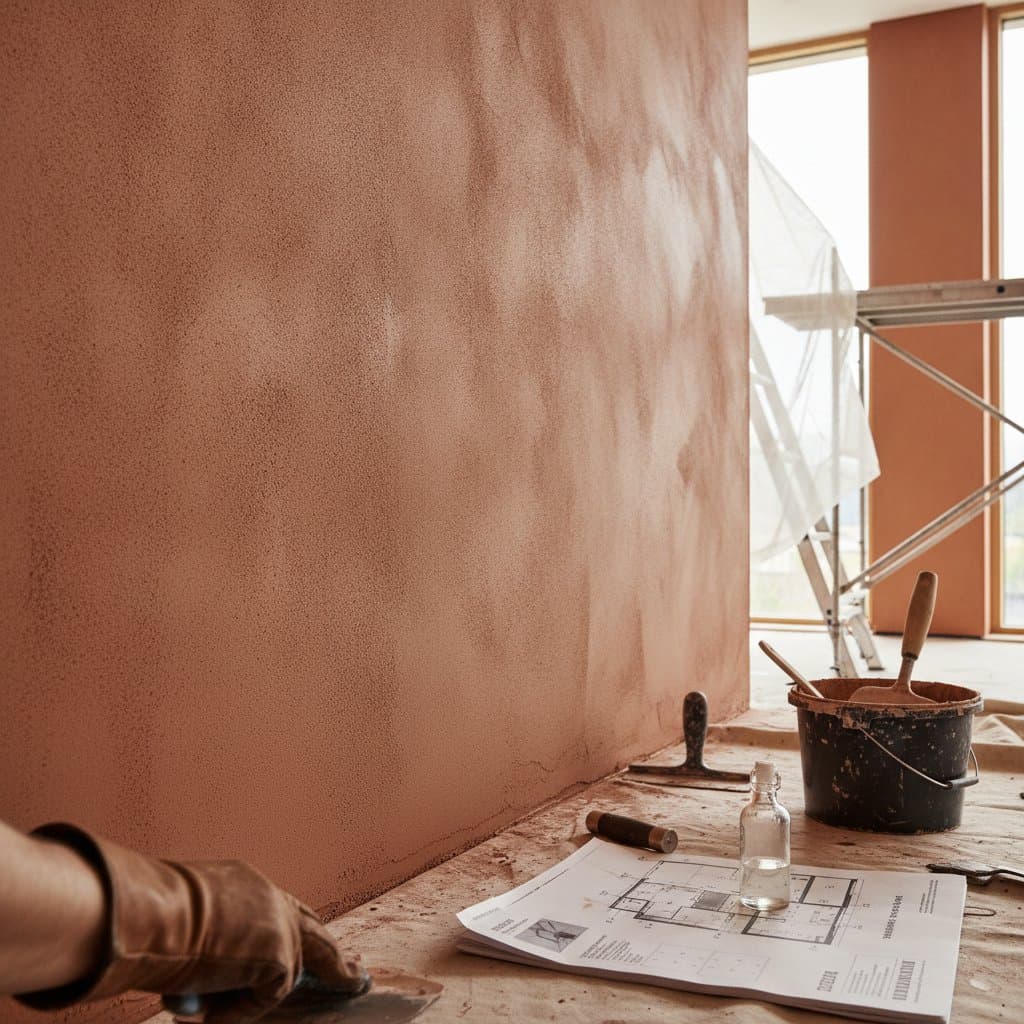
The matte surface softens light and conceals minor wall flaws. Natural tone variations create an organic appearance that suits both modern and traditional rooms.
Sustainability and Eco-Friendliness
Ingredients are biodegradable and renewable. Production and disposal create minimal synthetic waste, aligning with low-impact renovation goals.
Durability and Maintenance
Properly applied clay paint retains color for years. Touch-ups blend without visible seams. The surface resists dust and cleans with a damp sponge.
Design Versatility
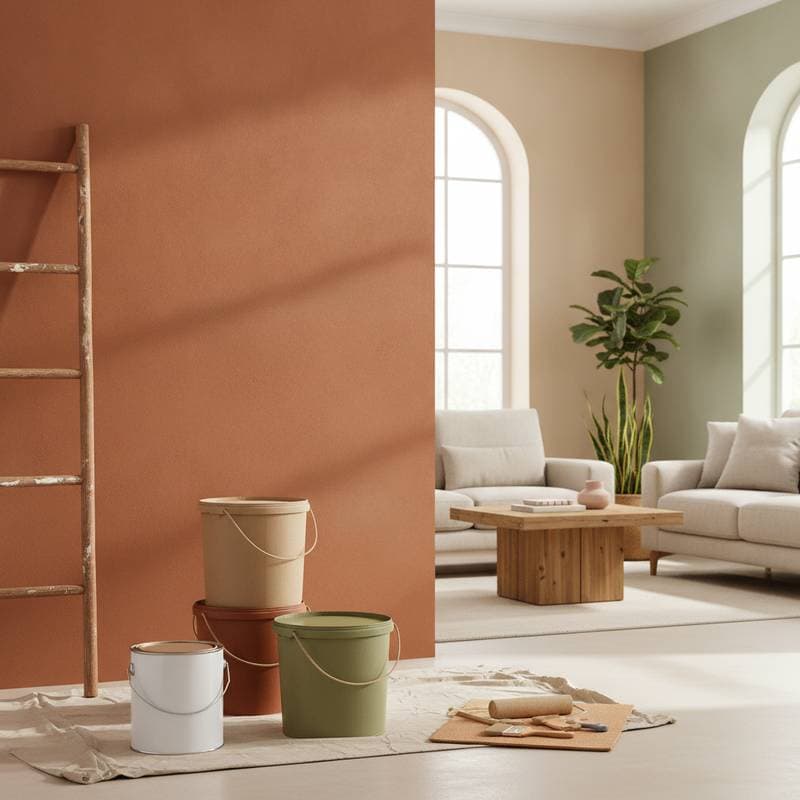
Clay paint works on accent walls, ceilings, and full rooms. It complements wood, stone, and metal in varied color schemes.
Value and Return on Investment
The higher upfront cost yields longer intervals between repaints and a healthier indoor environment. Natural finishes also attract buyers who value sustainable materials.
Money-Saving Strategies for Clay Paint Projects
- Purchase larger quantities to reduce the cost per gallon.
- Complete surface cleaning and sanding before the crew arrives.
- Limit clay paint to feature walls when budgets are tight.
- Select standard colors instead of custom blends.
- Schedule work during slower seasons for lower labor rates.
Planning Your Budget
Add 10 to 15 percent to the estimate for contingencies such as extra coats or minor repairs. Confirm whether preparation and cleanup are included in the quoted price.
Frequently Asked Questions
What is the average cost for clay paint compared to regular paint?
Clay paint ranges from $2.50 to $5.50 per square foot. Regular latex paint ranges from $1.50 to $4.00 per square foot. The difference reflects natural ingredients and thicker application.
What factors have the biggest impact on clay paint costs?
Material quality, wall condition, applicator experience, and finish type exert the strongest influence. Custom colors and textured surfaces raise totals.
How can I save money on clay paint without sacrificing quality?
Prepare surfaces in advance, choose standard colors, and apply clay paint to select areas. Bulk purchases and off-peak scheduling also lower expenses.
Should I hire professionals or attempt this as a DIY project?
Small accent walls suit experienced do-it-yourselfers. Larger spaces benefit from professionals who achieve consistent texture and coverage.
How do I budget for unexpected costs in a clay paint project?
Reserve 10 to 15 percent of the total for added coats or repairs. Verify that the painter quote covers preparation and final cleanup.
When is the best time to start a clay paint project for the lowest costs?
Late winter and early spring often bring reduced labor rates. Moderate temperatures support even curing and durable results.