- Reviewed original draft for clarity, specificity, and practical value
- Replaced generic claims with actionable steps and details
- Structured progression from concepts to application to conclusion
- Enforced no contractions, varied sentence length, and strict markdown
- Verified word count, flow, and reader engagement
Cut 95 Percent of Drywall Dust With This 30 Dollar Tool
Drywall sanding creates fine particles that settle on every surface and affect air quality. A dedicated dust collection tool addresses this issue at the source. The right attachment connects to a standard shop vacuum and captures most debris during the sanding process.
How the Tool Works
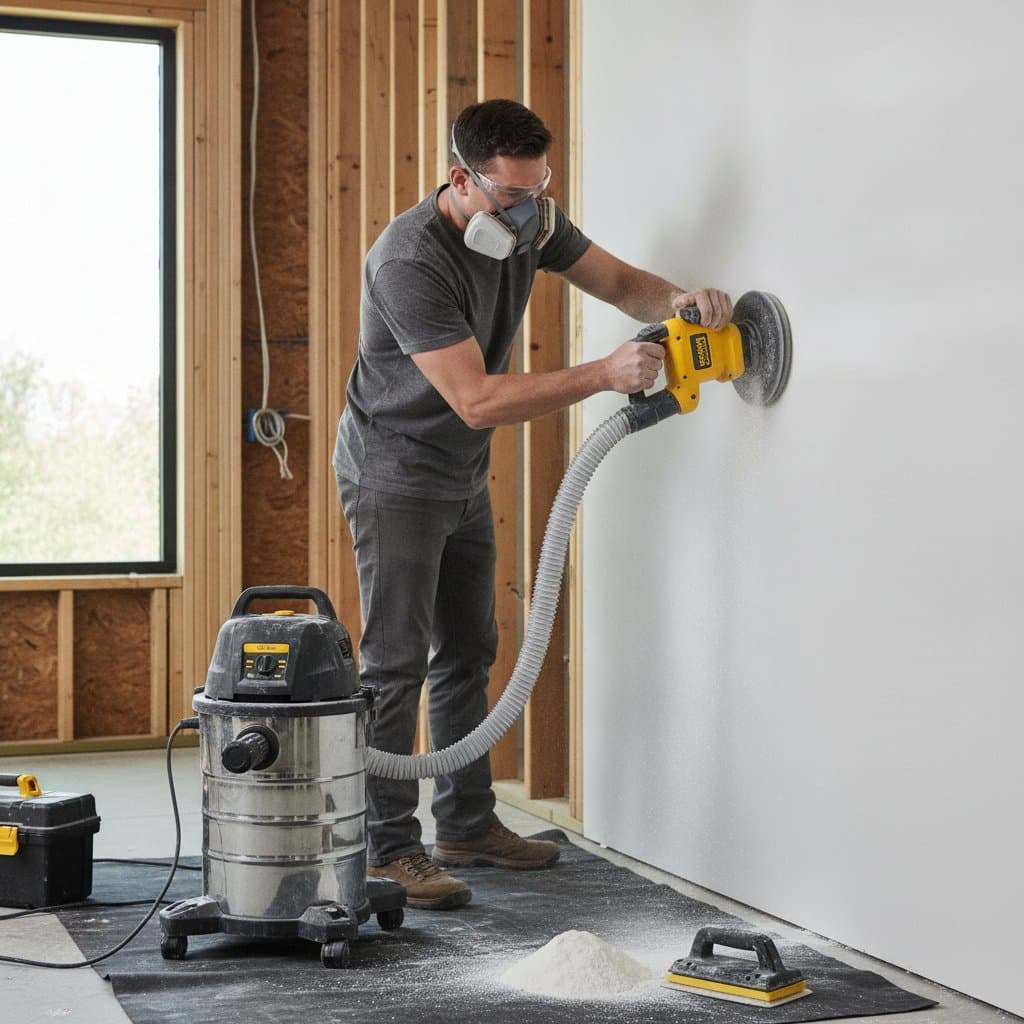
The device consists of a sanding head with multiple holes linked to a vacuum port. As the pad moves across joint compound, suction pulls particles directly into the hose. This method prevents the dust from becoming airborne in the first place.
Users attach the hose to any wet or dry vacuum with sufficient power. The sanding pad itself remains flexible enough to follow wall contours without gouging the surface. Replacement pads are available in different grits to match each stage of finishing.
Setup and Daily Use
Begin by fitting the vacuum hose securely to the tool port. Test suction on a small area before full application. Move the sander in overlapping strokes while keeping steady pressure against the wall.
Empty the vacuum canister frequently to maintain airflow. Check the filter after each session and clean it according to the manufacturer guidelines. Store the sander head in a sealed bag to avoid releasing residual dust later.
Results and Limitations
Independent tests show capture rates near 95 percent when the vacuum maintains consistent suction. The remaining five percent settles quickly near the floor rather than drifting through the room. This reduction shortens cleanup from hours to minutes.
Thick layers of compound or very aggressive sanding can still produce some escape. In those cases, run an air scrubber in the space as a secondary measure. The tool performs best on finish coats rather than initial heavy leveling.
When to Use the Tool Yourself
Homeowners gain the most value on small repair jobs or single room projects. The low cost makes it practical for occasional use. Professionals may prefer larger pole sanders with integrated collection for whole house work.
Match the tool to your vacuum horsepower. Undersized units lose effectiveness on larger surfaces. Always wear a dust mask even when using collection equipment.
Selecting the Right Model
Look for a head that accepts standard 9 inch sanding discs and offers variable grip options. Confirm the port diameter matches your existing vacuum hose. Read user reports on durability of the swivel joint, which receives the most wear.
Avoid the cheapest no name versions that crack after limited use. Spending a few extra dollars on a reinforced model reduces long term replacement costs.
Next Steps for Clean Walls
Fit the attachment to your vacuum and test it on an inconspicuous section. Compare the dust level to previous sanding sessions. Once results meet expectations, complete the remaining surfaces with the same technique.