Terracotta Clay Finishes Take Center Stage in 2026 Interiors
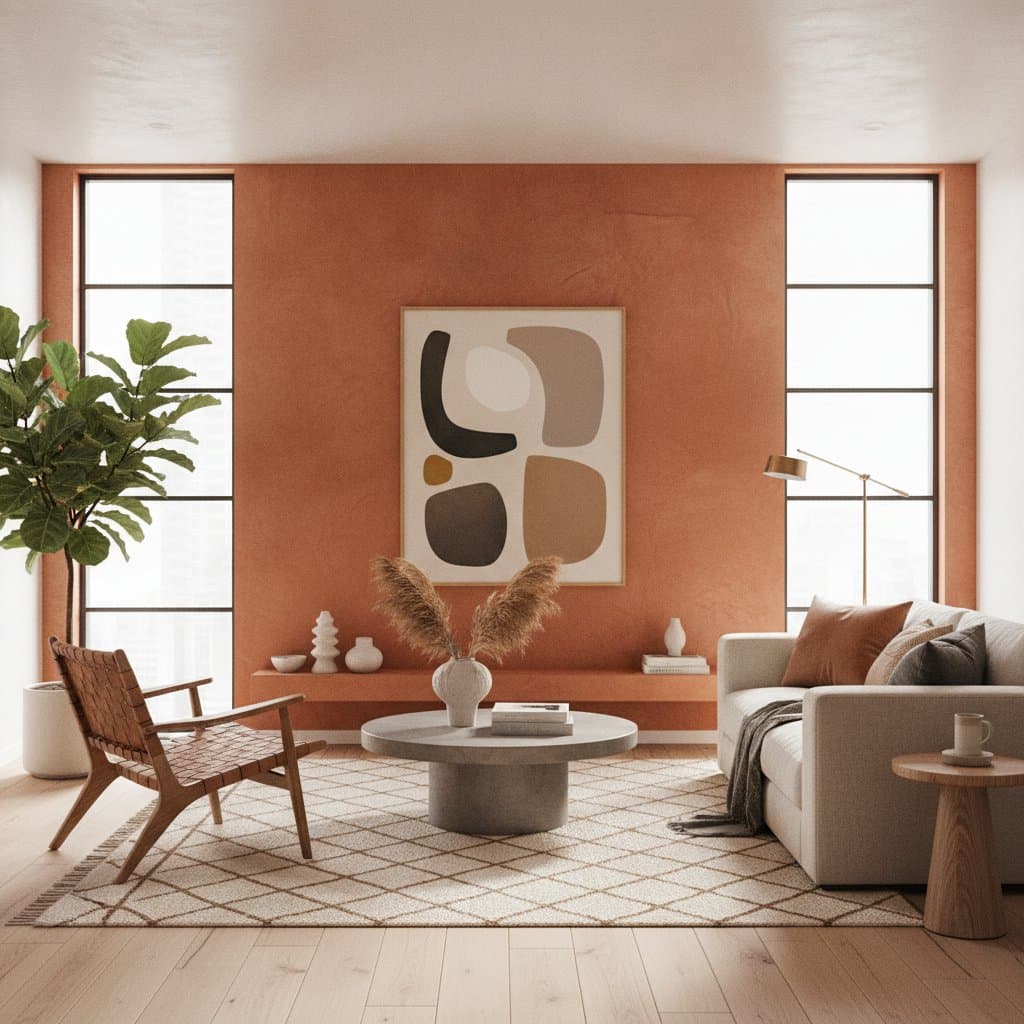
Warm, tactile, and rooted in natural materials, terracotta clay finishes now anchor many interior design projects. Homeowners increasingly favor these surfaces over glossy or uniform alternatives because they introduce subtle depth and a sense of calm. The trend reflects a broader shift toward finishes that feel crafted rather than manufactured.
Clay based coatings deliver soft light absorption and gentle tonal shifts across each wall. These qualities create rooms that read as both contemporary and grounded. Designers pair the finishes with wood, stone, and linen to maintain visual balance.
Benefits That Drive Homeowner Interest
Terracotta finishes generate warmth through natural mineral pigments that vary slightly with every application. The resulting matte surface reduces glare and helps large rooms feel more intimate. Homeowners notice the difference most in living areas and bedrooms where consistent softness matters.
Many clay products contain low volatile organic compounds and derive color from mineral sources. This composition supports better indoor air quality while meeting sustainability goals. The same finishes accommodate both understated bedroom palettes and richer dining room statements when layered with complementary textures.
Typical Project Costs
Cost Ranges by Scope
- Basic application: 3 to 5 dollars per square foot
- Standard application: 6 to 9 dollars per square foot
- Premium application: 10 to 15 dollars per square foot
Services Covered in Base Pricing
Surface preparation, minor patching, clay material application, texturing for natural variation, and final inspection are included. Additional charges apply for drywall replacement, multi layer lime wash techniques, custom color development, or protective sealers in high traffic zones.
Variables That Influence Total Expense
| Factor | Impact Level | Common Examples |
|---|---|---|
| Surface condition | Moderate | Cracks or uneven drywall require extra prep time |
| Texture complexity | High | Multiple layers or artistic blending increase labor |
| Material source | Moderate | Artisan or imported clays carry higher material fees |
| Applicator skill | High | Experienced teams deliver more consistent results |
| Room size | Variable | Larger areas lower the per square foot rate |
Application Steps
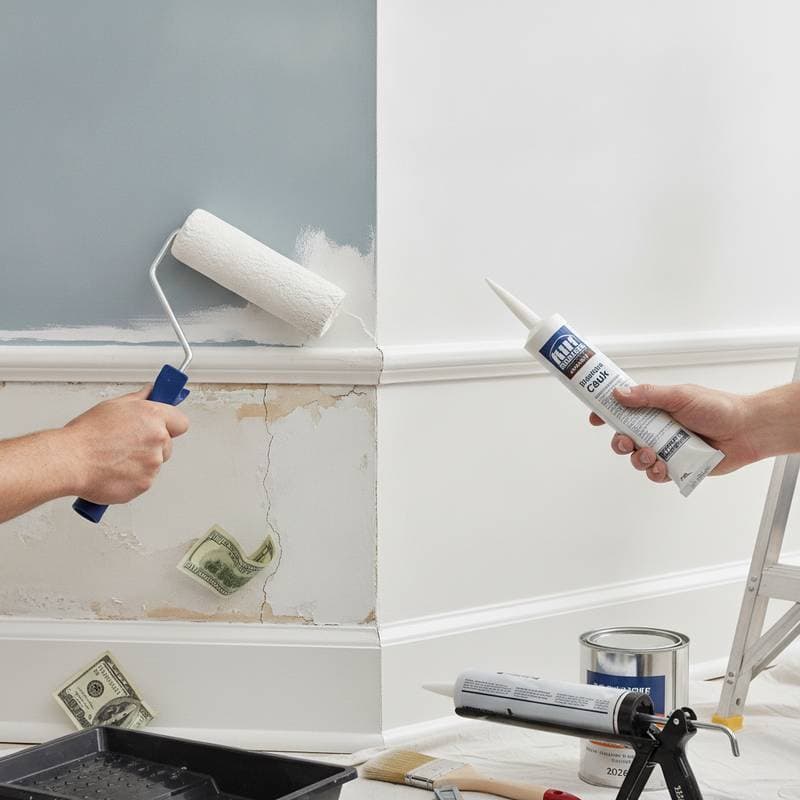
Work begins with a clean, dry substrate. Installers sand glossy paint and apply primer when needed for proper adhesion. They then mix the clay to project specific consistency before troweling the first coat. Subsequent coats build depth, with full drying intervals between each layer. Final polishing or breathable wax sealing improves durability on request.
Most residential rooms require two to five days from preparation through completion. Stable temperatures and steady airflow during drying prevent uneven patches.
DIY Considerations Versus Professional Results
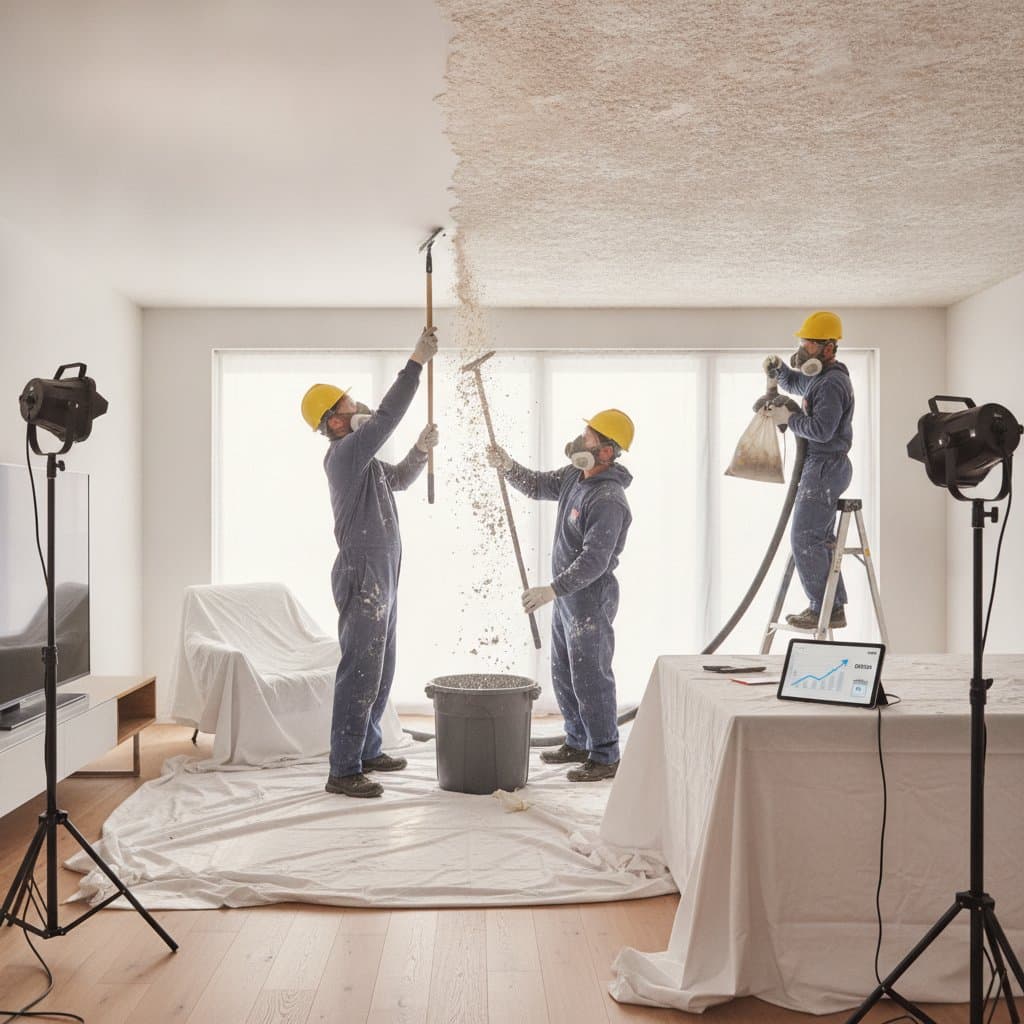
Homeowners can attempt small accent walls, yet full room applications reward practiced technique. Inconsistent trowel pressure or rushed drying times often produce visible streaks once the surface cures. Professional crews rely on specialized trowels, brushes, and environmental awareness to achieve uniform coverage.
Labor adds to project cost but typically prevents rework. Reserve DIY efforts for low visibility areas where minor variations contribute character. Reserve larger or high visibility spaces for trained applicators.
Selecting an Experienced Applicator
Begin by reviewing portfolios of clay or lime plaster projects. Request recent references and confirm familiarity with the specific product line under consideration. Obtain a written scope that separates preparation, materials, labor, and cleanup. Verify insurance coverage and schedule a sample panel review before full commitment.
Project Preparation Guidelines
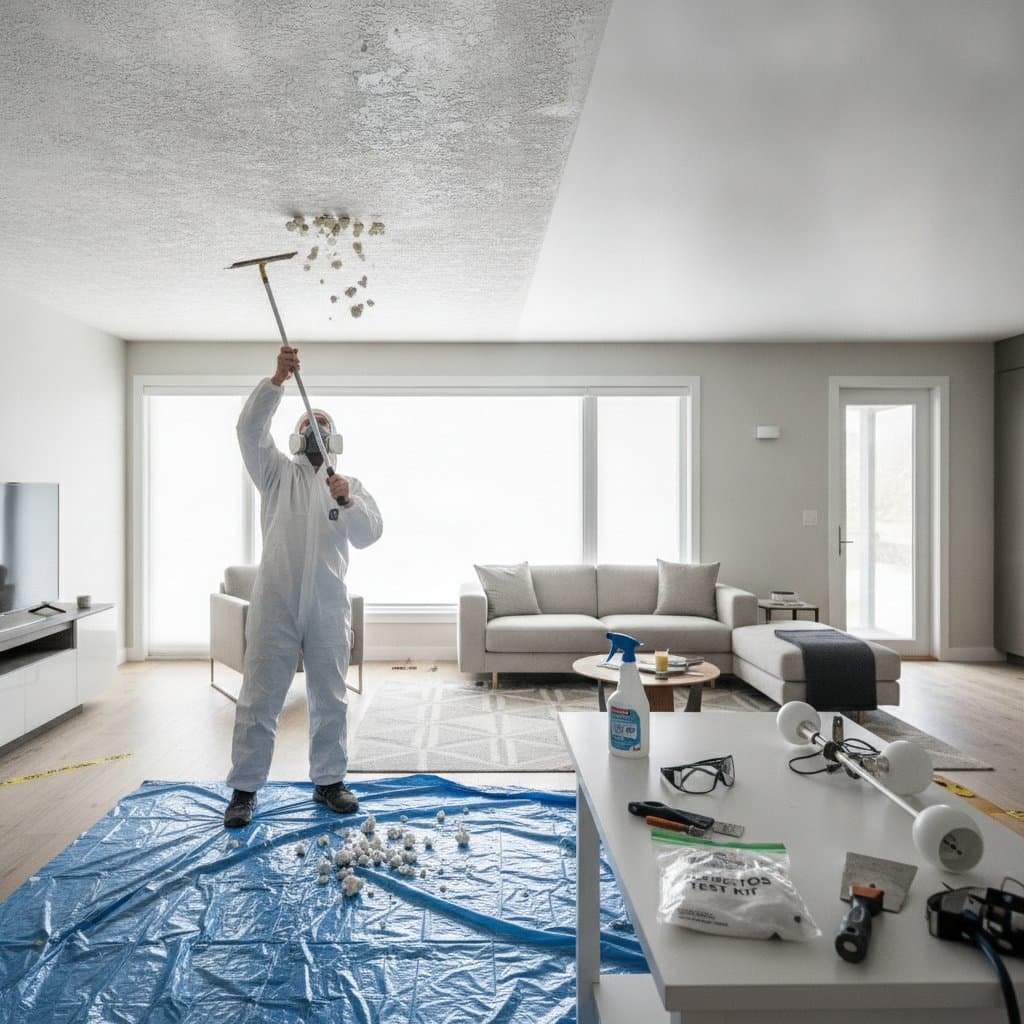
Clear the work zone, cover flooring, and maintain ventilation. Schedule wall finishing after any sanding or heavy construction to limit dust contamination. Consistent indoor conditions throughout the drying period support even color development.
Integrating Terracotta Finishes into Daily Living
Once cured, the surfaces require only gentle dusting with a soft cloth. This simple routine preserves the natural patina for years. The resulting walls deliver lasting warmth that standard paints rarely achieve, turning everyday rooms into spaces that feel both refined and personal.