Skim Coat or Venetian Plaster: Which Suits Luxury Walls in 2026
Luxury interiors often begin with the walls. The right wall finish can transform a room from plain to polished. Two finishes that dominate high end design conversations are skim coat and Venetian plaster. Both deliver a refined look, yet they differ in cost, process, and long term value.
Understanding the Finishes
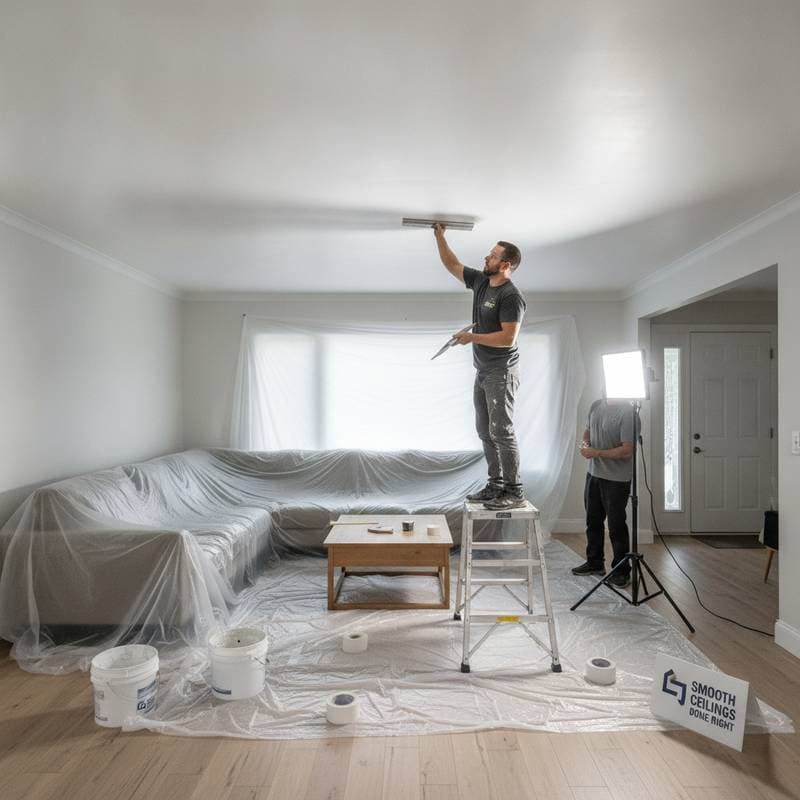
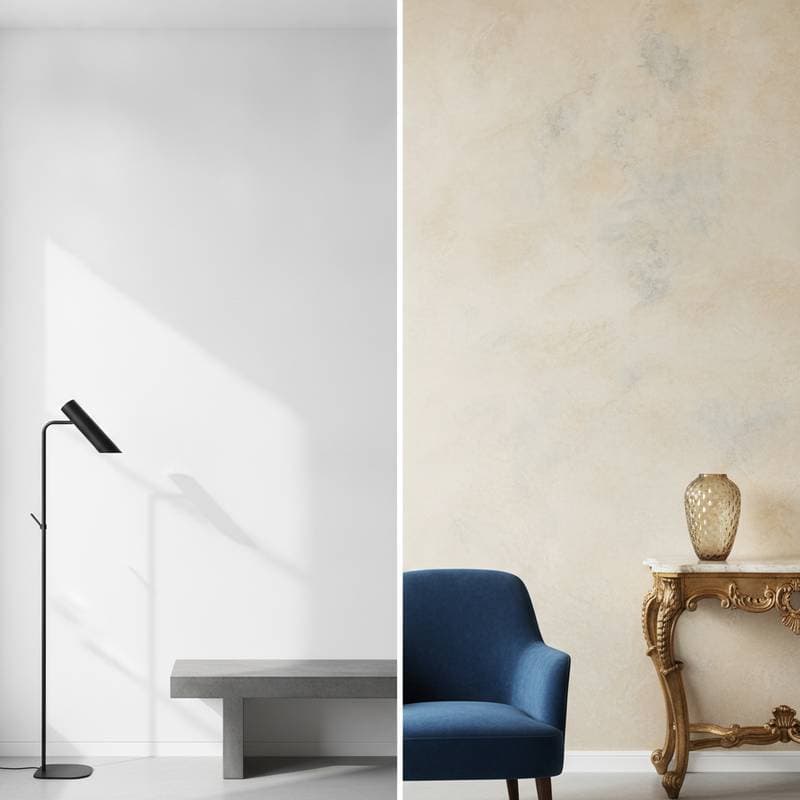
A skim coat is a thin layer of joint compound or plaster applied over drywall to create a perfectly smooth surface. It evens out imperfections, covers seams, and leaves walls ready for paint or decorative finishes. The result is a clean, modern look that suits minimal and contemporary interiors.
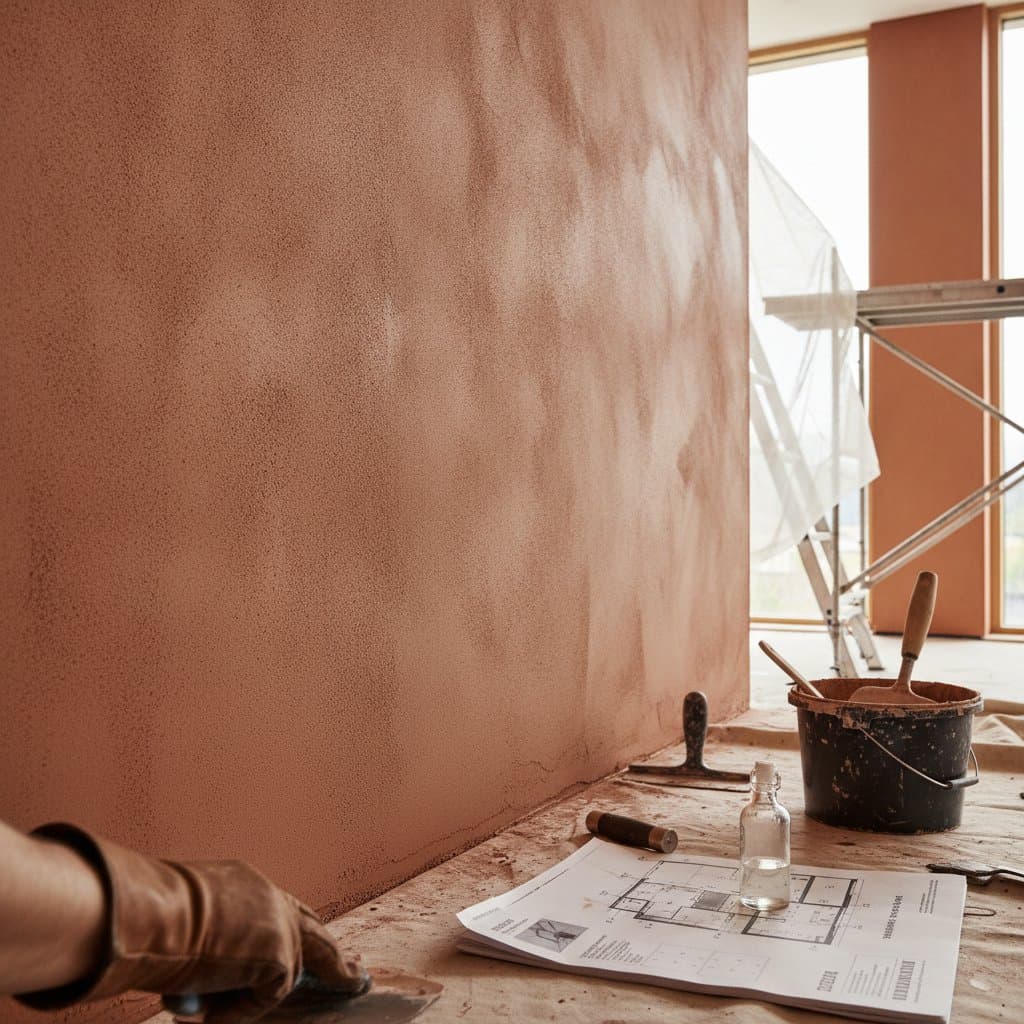
Venetian plaster uses a blend of marble dust and lime plaster. Applied in multiple thin layers and burnished to a sheen, it creates depth and movement that mimic natural stone. Venetian plaster is often left unpainted, as its color and texture are integral to its appeal. It is durable, breathable, and gives a tactile richness that few other finishes can match.
Project Cost Breakdown
Average Cost Ranges
- Basic skim coat: 1.50 to 3.50 per square foot
- Standard Venetian plaster: 8 to 15 per square foot
- Premium Venetian plaster: 20 to 30 per square foot
What Is Included
- Skim coat covers surface preparation, compound application, sanding, and priming.
- Venetian plaster covers surface prep, multiple plaster layers, polishing, and sealing.
What Costs Extra
- Specialty finishes or color blending
- Complex wall shapes or high ceilings
- Repairs to damaged drywall or old plaster
- Protective coatings for high moisture areas
Factors That Affect Final Cost
| Factor | Cost Impact | Examples |
|---|---|---|
| Wall condition | Moderate | Cracks or uneven surfaces increase prep time |
| Finish complexity | High | Decorative burnishing or multicolor effects |
| Material quality | High | Authentic lime based plaster costs more than synthetic |
| Labor expertise | High | Skilled artisans charge premium rates |
What Drives the Decision
Choosing between skim coat and Venetian plaster comes down to budget, desired look, and maintenance preference. A skim coat is ideal for homeowners seeking a flawless but understated wall surface. It provides a blank canvas for paint or wallpaper and is easy to touch up.
Venetian plaster is an investment in artistry. It suits spaces where texture and light reflection are part of the design vision. Venetian plaster also performs well in humid environments, as it resists mold and allows moisture to evaporate. Skim coat walls require proper sealing and occasional repainting to maintain their appearance.
Timeline Expectations
A skim coat project for an average sized room usually takes two to three days. This includes drying between coats and sanding. A Venetian plaster project may require four to seven days, depending on the number of layers and level of polish desired. High end finishes often require more curing time between applications.
Homeowners should also factor in preparation, such as moving furniture and protecting floors, which adds a few hours to the schedule.
Professional vs. DIY
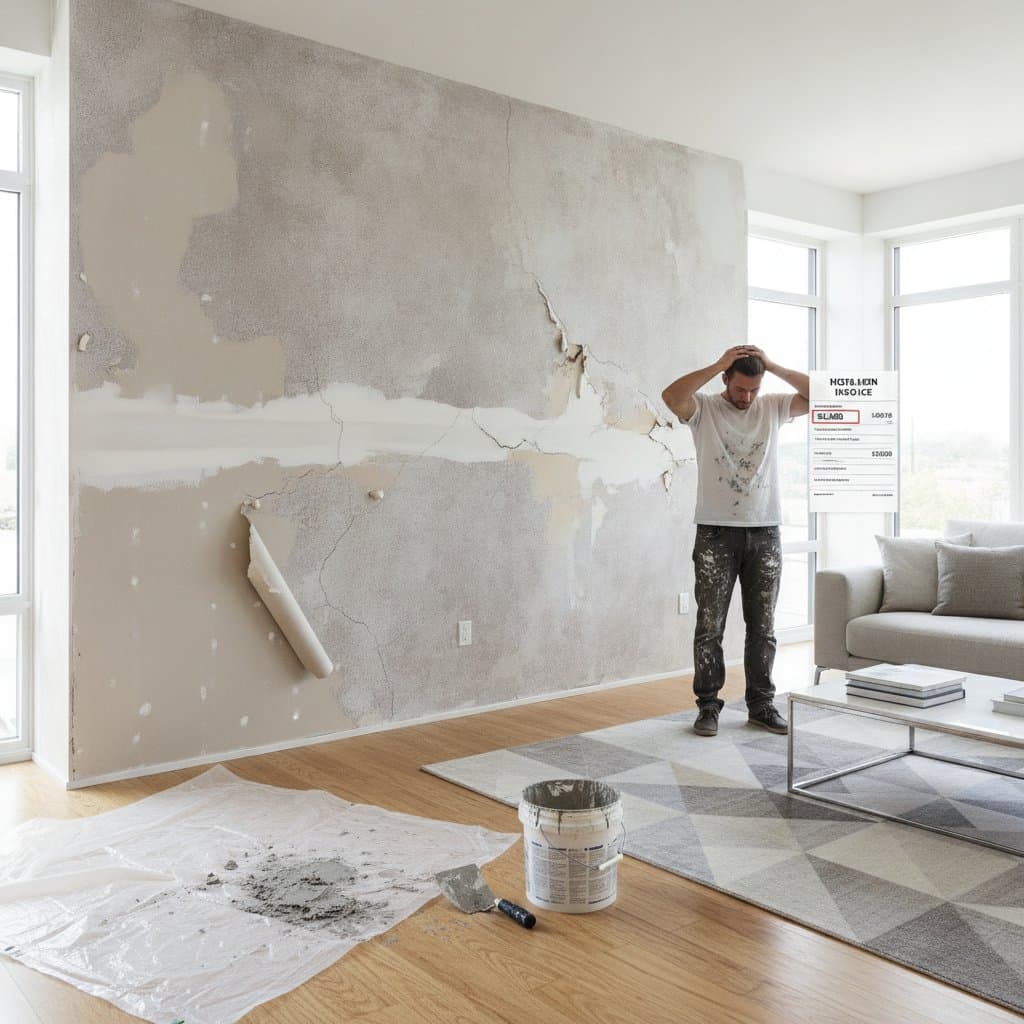
A skim coat might seem approachable, yet achieving a uniform surface without streaks or ridges requires skill and patience. DIYers often underestimate how quickly joint compound dries, leading to uneven textures. Venetian plaster is even more demanding. The technique involves layering, burnishing, and color blending that take years to master.
A professional plasterer ensures consistent sheen and texture across the entire wall. For homeowners aiming for a luxury finish, hiring a professional is the more realistic route. It saves time, reduces waste, and guarantees a level of craftsmanship that DIY tools cannot replicate.
Contractor Selection Tips
- Request multiple quotes to compare pricing and scope.
- Ask for photos of completed projects with similar finishes.
- Verify credentials and ensure the contractor is licensed and insured.
- Discuss materials in detail, especially for Venetian plaster. Authentic lime plaster yields different results than synthetic options.
- Clarify warranty terms before work begins, including coverage for cracking or discoloration.
A clear contract should outline project duration, payment schedule, and cleanup responsibilities. Transparent communication from the start prevents misunderstandings later.
Preparing for the Process
Before work begins, homeowners should remove artwork, drapes, and furniture near walls. Cover floors with drop cloths and tape off trim to protect against splatter. Good ventilation helps plaster layers dry evenly and reduces dust during sanding. After completion, avoid hanging heavy objects for several days to allow surfaces to cure fully.
Venetian plaster needs gentle maintenance. Wipe with a damp cloth and avoid harsh cleaners. A fresh application of wax or sealer every few years can restore its shine. Skim coat walls should be inspected for nicks and touched up with paint as needed.
Selecting the Finish That Matches Your Goals
For modern, clean interiors, a skim coat offers a refined yet subtle finish at a lower cost. For timeless elegance and artistic depth, Venetian plaster stands unmatched. Each has its place in luxury design. The right choice depends on how much visual texture and investment a homeowner wants to bring into their space.
Frequently Asked Questions
What factors influence the cost of Venetian plaster compared to a skim coat?
Material type, wall condition, and artisan skill level are the biggest influences. Authentic lime based Venetian plaster costs more than synthetic alternatives. Complex color blending or high gloss finishes also increase total price.
What problems occur if a skim coat is poorly applied?
Uneven textures, visible seams, and bubbling paint are common signs of poor application. These problems require sanding and re coating to fix. Hiring a qualified professional prevents these costly corrections.