Micro-Cement Paint: The Must-Have Concrete Finish for Modern Surfaces
Micro-cement paint has become one of the most sought-after finishes for homeowners and designers who want the look of concrete without the bulk or weight. It combines sleek aesthetics with lasting durability. The material creates a surface that feels both refined and industrial. Application extends to floors, walls, countertops, or stairs.
Homeowners choose micro-cement paint because it blends texture, tone, and performance in ways that traditional paint or plaster cannot match. It delivers the raw appeal of concrete while maintaining flexibility. Understanding its cost, process, and maintenance helps property owners make confident decisions.
What Micro-Cement Paint Is
Micro-cement paint is a high-performance coating applied in thin layers over surfaces such as concrete, tile, wood, or plaster. It forms a continuous, joint-free finish that mimics polished concrete. The product consists of cement, polymers, and fine additives that improve adhesion and flexibility. This composition allows application almost anywhere without cracking or peeling.
The result is a textured, mineral-rich surface that resists moisture and wear. It performs well in kitchens, bathrooms, and entryways. Because it accepts tinting in various shades from natural gray to deep charcoal or warm beige, it adapts easily to modern and industrial interiors.
Project Cost Breakdown
Average Cost Ranges
- Basic project: $8 to $12 per square foot
- Standard project: $13 to $18 per square foot
- Premium project: $19 to $25 per square foot
What Is Included
Surface preparation includes cleaning and light sanding. Application covers primer and bonding agent. Multiple layers of micro-cement paint receive trowel finishing. A protective sealer adds moisture and stain resistance. Final polishing or matte finish matches the design choice.
What Costs Extra
Structural surface repair before coating adds expense. Decorative pigments or metallic finishes increase material costs. High-gloss sealing supports commercial-grade durability. Custom textures or gradient color effects require additional labor. Removal of existing tile or flooring before application extends the timeline.
Factors That Affect Final Cost
| Factor | Cost Impact | Examples |
|---|---|---|
| Surface condition | Moderate to high | Uneven or damaged floors need extra prep work |
| Application area | Moderate | Vertical surfaces often take longer to coat |
| Finish type | High | Gloss and metallic options increase material costs |
| Room size | Low to moderate | Smaller areas can have higher per-square-foot cost |
| Labor expertise | High | Skilled artisans charge more but deliver smoother results |
Micro-cement paint is not a low-cost option. Its durability and unique aesthetic justify the investment. Compared with installing full concrete slabs or tiles, it remains lighter, faster to apply, and easier to maintain.
Process and Timeline Expectations
Most micro-cement paint projects take between three and seven days to complete. The duration depends on surface size and complexity. The process involves several key steps that ensure a strong, lasting finish.
- Surface preparation requires the existing substrate to be clean, level, and dry. Any cracks or gaps receive repair to create a uniform base.
- Priming applies a bonding primer to help the micro-cement adhere properly.
- Base coat application spreads the first layer of micro-cement paint thinly with a trowel. It sets the foundation for texture and strength.
- Finishing layers add one or two additional coats. Each receives careful smoothing and time to cure.
- Sealing applies a protective topcoat to prevent stains, scratches, and moisture damage.
- Polishing or matte finishing buffs or seals the surface to achieve the desired sheen.
Drying times between layers remain essential for a long-lasting result. Rushing through this stage can lead to bubbles or uneven texture. Homeowners should plan for limited use of the area during the curing period.
Professional vs. DIY Application
Although micro-cement paint is often marketed as a versatile material, it requires skill to apply correctly. The technique involves precise layering and timing. Uneven pressure or incorrect mixing can lead to cracking, peeling, or color inconsistency.
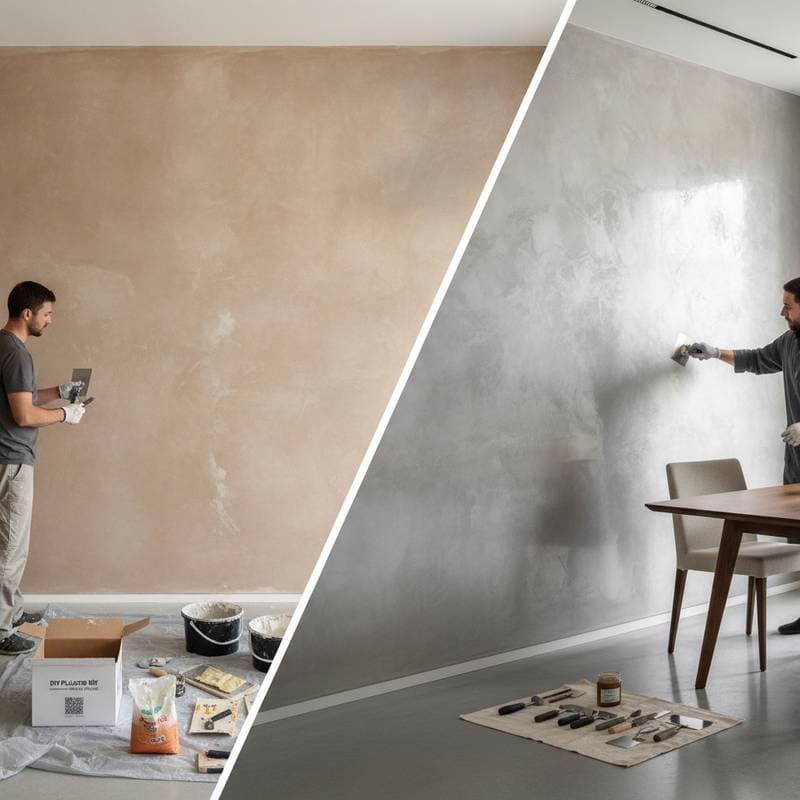
DIY application is possible for small decorative surfaces such as countertops or accent walls when the homeowner has experience with trowel-applied finishes. The material can be purchased in kits that include primer, micro-cement, and sealant. The learning curve stays steep.
Professional installation is recommended for large surfaces or high-traffic areas. Experienced contractors understand how to balance moisture, temperature, and thickness for flawless results. The difference in finish quality between a trained artisan and a novice is often visible at first glance.
Hiring a professional also ensures that warranties remain valid and the surface performs well under daily use. Many professionals offer design consultations to match texture, sheen, and color with the rest of the home.
Preparing for Your Project
Before beginning a micro-cement paint project, homeowners should plan carefully. A few key steps can make the process smoother and the results more predictable.
- Clear the workspace to give technicians full access to walls or floors.
- Confirm color samples before application. Lighting changes how tones appear once dry.
- Discuss sealing options with the contractor. A matte sealer gives a natural look, while a glossy one enhances brightness and makes cleaning easier.
- Review moisture control if applying in bathrooms or kitchens. Proper sealing prevents water damage.
- Schedule work during a period when the space can remain unused for several days.
Proper preparation eliminates surprises and helps ensure the finish performs as expected.
Maintenance and Longevity
Micro-cement paint is known for resilience, but it still benefits from regular care. Cleaning with a mild, pH-neutral soap and soft cloth preserves the surface. Avoid abrasive pads or acidic cleaners that can degrade the sealer.
Resealing may be required every few years depending on traffic and exposure. This keeps the surface resistant to stains and maintains its sheen. Small scratches can often be buffed out without full resurfacing. The upkeep remains simple and cost-effective.
For homeowners concerned about long-term value, micro-cement paint provides an excellent return. It lasts much longer than standard paint and keeps its appearance even under heavy use.
Style and Design Applications
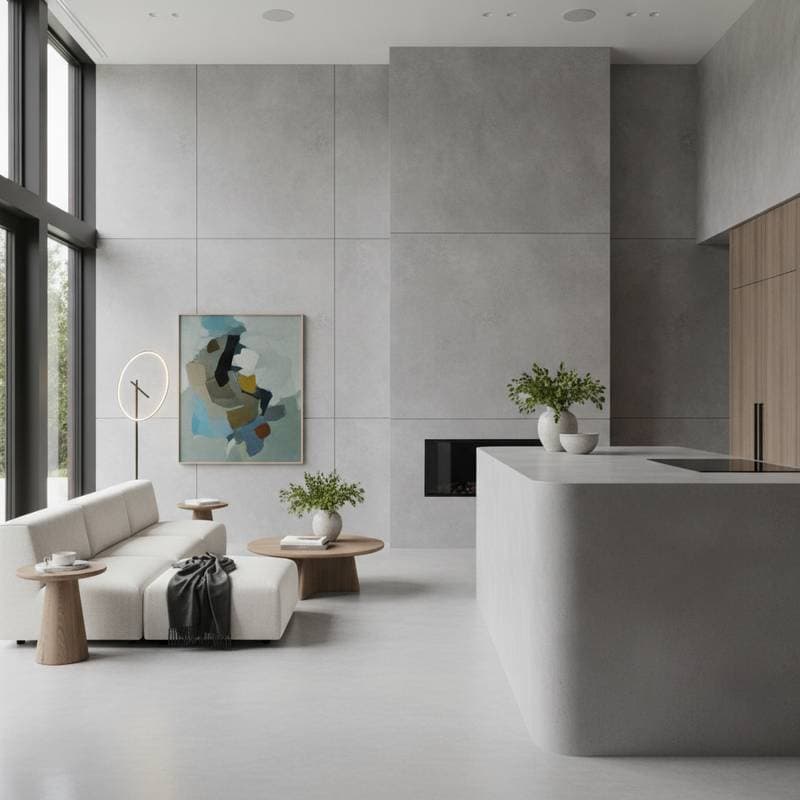
The versatility of micro-cement paint allows it to complement a wide range of interior styles. In minimalist interiors, it enhances open spaces with smooth, uniform surfaces. In industrial-style homes, it reinforces the raw concrete aesthetic without the weight of poured materials.
Selecting Micro-Cement Paint for Your Home
Micro-cement paint suits projects that value both appearance and practicality. Review surface condition, budget range, and desired finish before committing to a contractor. The material rewards careful planning with a durable, modern result that performs reliably over time.