Limewash vs Clay Paint: Selecting the Right Eco Finish
Sustainable building materials have moved from niche interest to mainstream expectation. Among interior paints, two natural contenders often compete for attention. Limewash and clay paint both deliver striking aesthetics along with breathable finishes and eco friendly formulations. They differ in composition, performance, and maintenance requirements.
Homeowners who aim to create healthier, low impact interiors must understand these differences before choosing a coating. This guide compares limewash and clay paint across cost, durability, application, and environmental impact. It also explores when each option makes sense along with surface preparation steps.
Composition and Core Properties
Limewash Basics
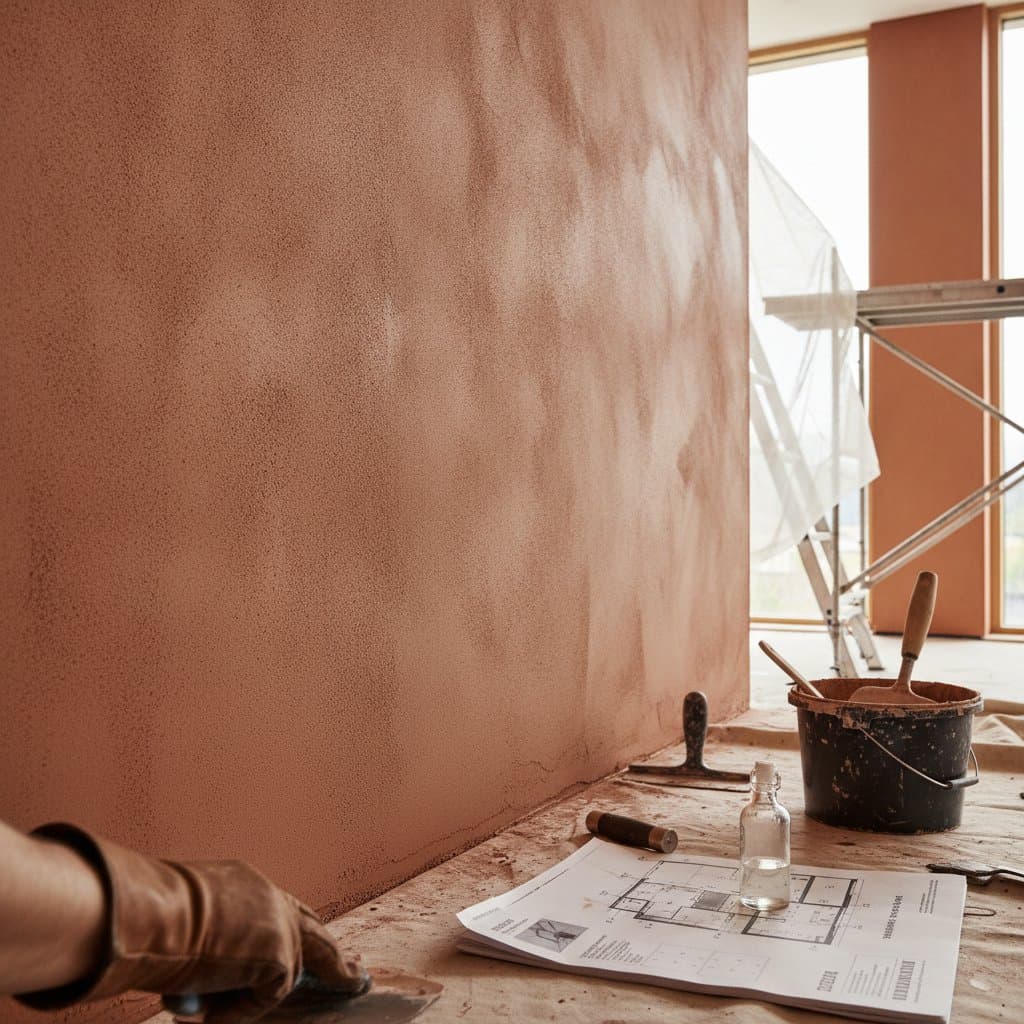
Limewash originates from slaked lime mixed with water and natural pigments. It creates a soft, translucent finish that gradually develops character as it ages. The material bonds chemically with mineral surfaces and forms a breathable layer that resists moisture buildup. Its chalky depth and gentle movement suit both historic restorations and modern minimalist designs.
Clay Paint Basics
Clay paint uses natural clay, minerals, and plant based binders to create a matte, velvety surface. It provides strong coverage, hides minor imperfections, and maintains an earthy tone. Clay paint adheres through a fine mineral matrix rather than chemical bonding. This produces a distinctive texture and richness that synthetic paints often lack.
Both finishes remain non toxic and low in volatile organic compounds. They improve indoor air quality effectively. Their behavior on walls and long term maintenance needs differ more than many expect.
Project Cost Breakdown
Average Cost Ranges
-
Basic limewash project: 2.50 to 4.50 per square foot
-
Standard limewash project: 5.00 to 7.50 per square foot
-
Premium limewash project: 8.00 to 10.00 per square foot
-
Basic clay paint project: 3.00 to 5.00 per square foot
-
Standard clay paint project: 6.00 to 8.00 per square foot
-
Premium clay paint project: 9.00 to 11.00 per square foot
Included Services
Surface preparation includes cleaning and light sanding. Application covers two to three coats. Pigment tinting ensures color consistency. Final touch ups and cleanup complete the work.
Additional Expenses
Repairs to damaged plaster or drywall add cost before painting begins. Specialty finishes or custom tints increase the total. Protective sealants become necessary for high traffic or moisture prone areas.
Cost Influencing Factors
| Factor | Cost Impact | Examples |
|---|---|---|
| Surface condition | Moderate | Cracked plaster, patching needs |
| Wall texture | Low to high | Smooth versus rough masonry |
| Labor expertise | High | Skilled artisans for layered limewash finishes |
| Regional pricing | Moderate | Material sourcing and local labor rates |
Appearance and Performance
Limewash Traits
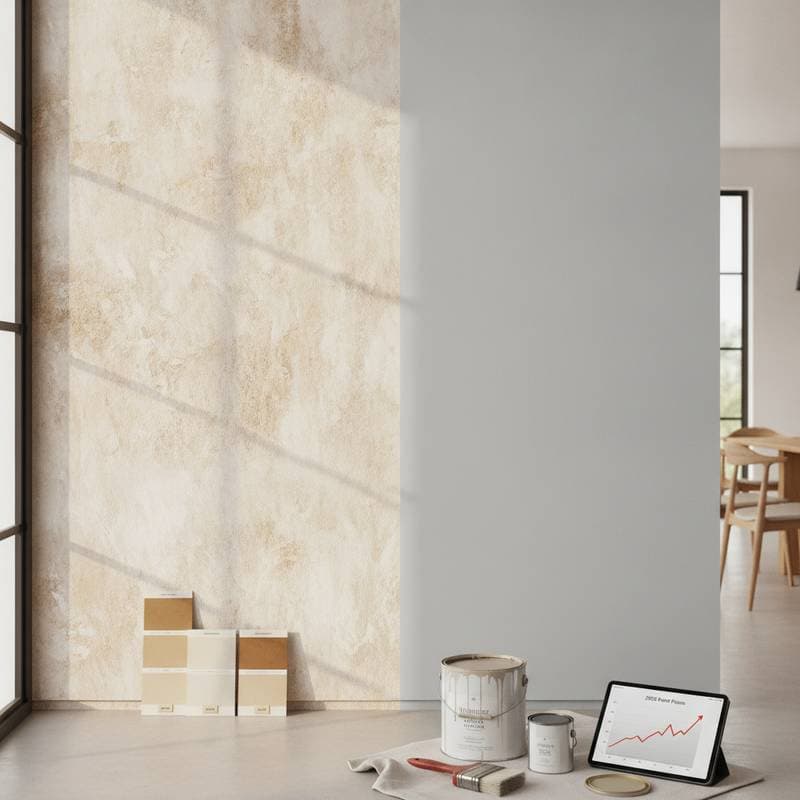
Limewash produces a matte surface with subtle tonal variation. Light interacts with its microcrystalline structure and creates movement that shifts throughout the day. Some homeowners appreciate the natural irregularity while others find it too unpredictable. The finish stays breathable and naturally antimicrobial, which suits brick, plaster, and stone walls.
Clay Paint Traits
Clay paint offers a consistent, velvety finish that feels soft to the touch. It masks surface flaws more effectively than limewash and maintains uniform color. The texture absorbs light rather than reflecting it and creates a calm, grounded atmosphere. Its natural mineral composition helps regulate humidity and contributes to a balanced indoor climate.
Application Timeline
A professional limewash project on a standard interior typically takes two to four days. This includes preparation and drying periods. Multiple coats may require additional time since each layer must carbonate properly before the next application.
Clay paint projects move slightly faster and finish within one to three days depending on wall size and ventilation. Clay paint does not require chemical curing, so recoating can occur once the surface feels dry to the touch. Both materials benefit from moderate temperatures during application and should not be used in overly humid or cold conditions.
Professional versus DIY Approach
Situations for Professional Help
Limewash requires skill to achieve even layering and smooth transitions. Professionals understand how to manage absorption rates on mineral surfaces, prevent streaking, and maintain color consistency. Clay paint is easier for DIY enthusiasts yet still benefits from professional application on large or complex surfaces.
Suitable DIY Projects
Small accent walls or decorative sections using clay paint are manageable for homeowners with basic painting experience. Limewash can be attempted on small outdoor masonry areas, but expect a learning curve and variable results.
Safety Measures
Limewash is mildly caustic before it cures, so protective gloves and eyewear are essential. Clay paint poses minimal safety risks, though dust from dry pigments should not be inhaled.
Contractor Selection and Preparation
Choosing Professionals
Look for licensed painters with experience in mineral finishes. Request photos of previous limewash or clay paint projects to evaluate quality. Obtain at least two quotes and ask how they prepare surfaces and manage drying times. Professionals who understand the chemistry behind natural finishes deliver more consistent results.
Homeowner Preparation Steps
Clear the area of furniture and cover floors with drop cloths. Repair cracks or holes before painting. For limewash, ensure the surface is mineral based and not sealed with synthetic coatings. For clay paint, use a compatible primer if applying over non porous materials.
During and After the Project
Stay available to discuss color adjustments and finish preferences as work progresses. Once the project is complete, avoid washing walls for several weeks. Both finishes continue to cure over time and deepen their tone and durability.
Environmental and Health Impact
Both limewash and clay paint are highly sustainable compared to standard acrylic coatings. Limewash absorbs carbon dioxide as it cures and offsets part of its production footprint. Clay paint uses renewable raw materials and natural pigments, which reduces synthetic waste.
Neither option emits harmful fumes, making them suitable for sensitive users. Limewash excels in moisture control and mold resistance. Clay paint enhances air quality by passively regulating humidity. When disposal time arrives, both products are biodegradable and safe for the environment.
Maintenance and Longevity
Limewash requires periodic refreshing every few years, though reapplication is simple and cost effective. Each new coat bonds with the existing layer and maintains the wall breathability. Clay paint is more stable once applied but may show wear in high traffic areas. Gentle cleaning with a damp cloth can restore its appearance without damaging the surface.
For both materials, durability improves when surfaces are prepared correctly and protected from excess moisture or abrasion.
Selecting the Appropriate Finish
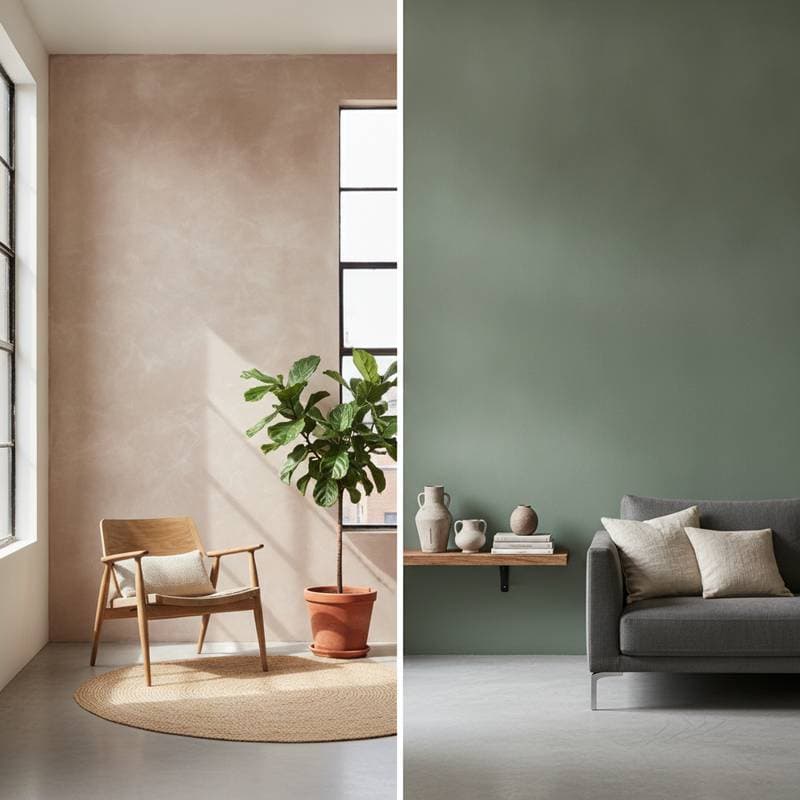
Choosing between limewash and clay paint depends on the space, surface type, and desired aesthetic. Select limewash for masonry walls, stone fireplaces, and exterior facades where breathability and natural weathering are assets. Choose clay paint for interior rooms that need consistent color, easy maintenance, and soft visual depth.
Consider your environment as well. Limewash thrives in dry or moderately humid climates. Clay paint performs best indoors where temperature and moisture remain stable. Both options contribute to healthier homes and align with modern sustainability goals. The right choice balances visual preference with practical performance.