Why Ceiling Paint Color Affects Home Value
Homeowners preparing for resale often prioritize walls, floors, and fixtures. The ceiling, sometimes called the fifth wall, shapes how spacious and welcoming each room appears. A well-chosen color can alter perceived proportions, improve light reflection, and contribute to overall property appeal.
Ceiling Painting Cost Ranges
Painting a ceiling typically costs between one and three dollars per square foot. Most homeowners pay four hundred to nine hundred dollars for an average room. Costs depend on height, texture, and paint grade.
Costs by Room Size
- Small room of one hundred square feet: one hundred to three hundred dollars
- Medium room of two hundred fifty square feet: two hundred fifty to seven hundred fifty dollars
- Large room of four hundred square feet or more: four hundred to one thousand two hundred dollars
Cost Components per Square Foot
Materials range from fifty cents to one dollar fifty. Labor accounts for seventy-five cents to two dollars. Preparation adds twenty-five to seventy-five cents. Additional factors such as access and fixtures contribute another twenty-five to fifty cents.
Higher ceilings, textured surfaces, and darker colors increase both time and material needs. Premium paints often reduce the number of coats required.
How Color Choices Shape Buyer Impressions
Light ceiling colors reflect illumination and make rooms feel larger. Warm tones create comfort in living spaces, while cooler shades promote calm in bedrooms. Neutral selections appeal to more buyers and support a sense of continuity throughout the home.
A fresh ceiling finish signals attention to detail. Buyers notice stains or outdated tones and may question overall maintenance. Coordinated colors reinforce a polished presentation that can influence offer speed and amount.
Paint Categories and Performance
Flat ceiling paint provides a non-reflective surface that hides minor imperfections. Satin finishes add subtle sheen for better light bounce. Specialty colors allow custom tints for distinctive spaces.
Basic grades cost twenty-five to forty dollars per gallon. Standard options run forty to sixty dollars. Premium products range from fifty-five to ninety-five dollars. Higher-grade paints typically last longer and maintain brightness.
Design Trends That Support Resale
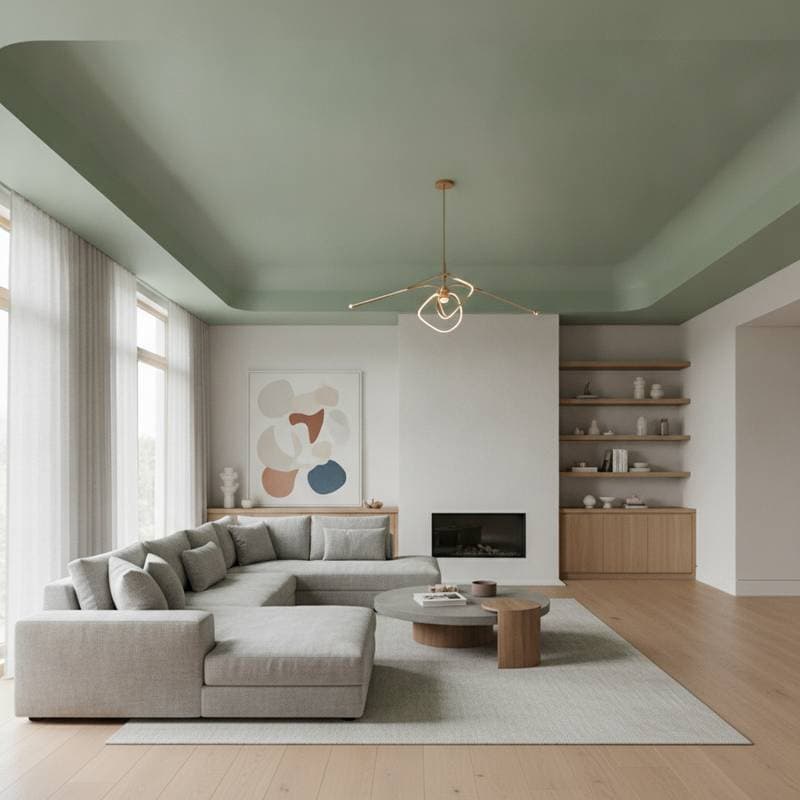
Soft grays, pale blues, and warm creams are gaining interest alongside classic white. Pale gray paired with matching trim creates a seamless, elevated look. Bold navy or charcoal works in dining rooms or studies when balanced with surrounding tones.
Test samples under morning, afternoon, and evening light before final selection. The same shade can shift in temperature depending on bulb type and window orientation.
Return on Investment and Longevity
Interior painting projects generally return seventy-five to one hundred percent of cost when colors align with buyer preferences. High-quality ceiling paint lasts seven to ten years under normal conditions. Annualized expense remains low compared with other upgrades.
Buyers respond to visual freshness. Crisp ceilings reduce assumptions about hidden issues and support stronger perceived value.
Ways to Control Project Expenses
Prepare surfaces by removing fixtures and clearing dust before crews arrive. Select high-coverage paints to minimize coats. Schedule work during slower months when rates may drop. Bundle ceiling work with walls or trim for combined pricing. Maintain steady ventilation during drying to avoid rework.
Budget Planning Steps
Measure square footage and multiply by the average per-square-foot cost. Add ten to fifteen percent for contingencies such as patching or primer. Request quotes from several contractors and compare preparation, materials, and cleanup details. Professional application delivers uniform results on textured or high ceilings.
Professional Work Compared with DIY
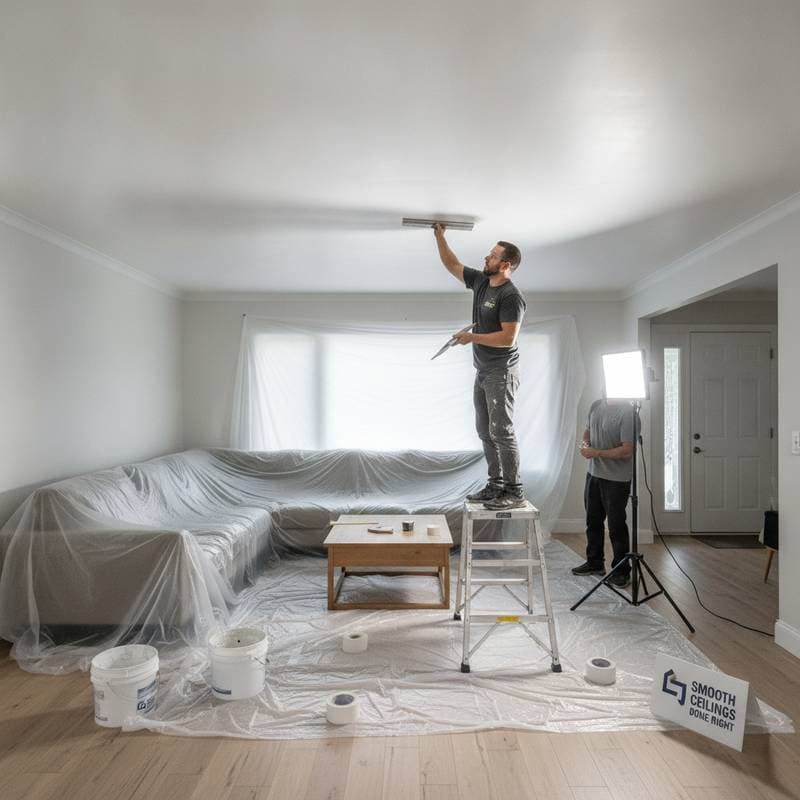
DIY saves thirty to fifty percent on labor but requires safe ladder access and steady technique. Results may show roller marks or uneven coverage that buyers notice. Professional crews complete large or elevated areas faster and produce finishes that enhance market presentation.
Choosing Colors for Strongest Appeal
Focus on light neutrals such as soft white, pale gray, and warm beige when selling. These shades brighten rooms and complement most furnishings. In larger spaces a slightly deeper tone can add intimacy without shrinking the feel. Sample boards help confirm the final effect before full application.