TSP vs. Liquid Sandpaper: Determining the 2025 Preparation Winner
Effective paint application begins with meticulous surface preparation. Whether refreshing kitchen cabinets, restoring trim, or updating furniture, proper prep determines the longevity and quality of the finish. Two established options frequently recommended by professionals are TSP cleaner and liquid sandpaper, also known as liquid deglosser. These tools prepare surfaces for paint in distinct manners. This article examines their functions, appropriate uses, and identifies the optimal choice for 2025 projects.
Understanding TSP and Its Professional Appeal
TSP, which stands for trisodium phosphate, serves as a robust cleaner that professionals have relied upon for generations. It effectively eliminates grease, smoke residue, and accumulated grime that can hinder paint adhesion. This makes TSP particularly valuable for surfaces in high-traffic areas such as kitchen walls, doors, and trim, where oils from cooking or frequent handling create barriers to a smooth application.
To apply TSP correctly, follow these steps:
- Dilute the TSP powder with warm water according to the manufacturer's instructions, typically one-quarter cup per gallon.
- Use a sponge or soft-bristled brush to apply the solution evenly, allowing it to dwell for several minutes to break down contaminants.
- Rinse the surface thoroughly with clean water to remove all residue, then allow it to dry completely, which may take one to two hours depending on humidity.
A practical verification method involves running a clean hand over the surface; a squeaky sensation indicates readiness for priming. TSP excels at deep cleaning but does not alter the surface texture, so light sanding remains necessary for glossy areas to ensure optimal paint bonding.
For cost-conscious projects, consider these options:
- Low budget: Purchase powdered TSP, which costs under five dollars and covers large areas when mixed properly.
- Mid budget: Opt for eco-friendly liquid TSP substitutes, priced around ten dollars per bottle, that reduce phosphate content while maintaining efficacy.
- Higher budget: Select professional formulations with added degreasing agents, ideal for extensive commercial jobs and available for twenty dollars or more.
Professionals value TSP for its reliability in tackling heavily soiled surfaces, forming a solid foundation for subsequent steps like sanding or priming.
Exploring Liquid Sandpaper's Advantages
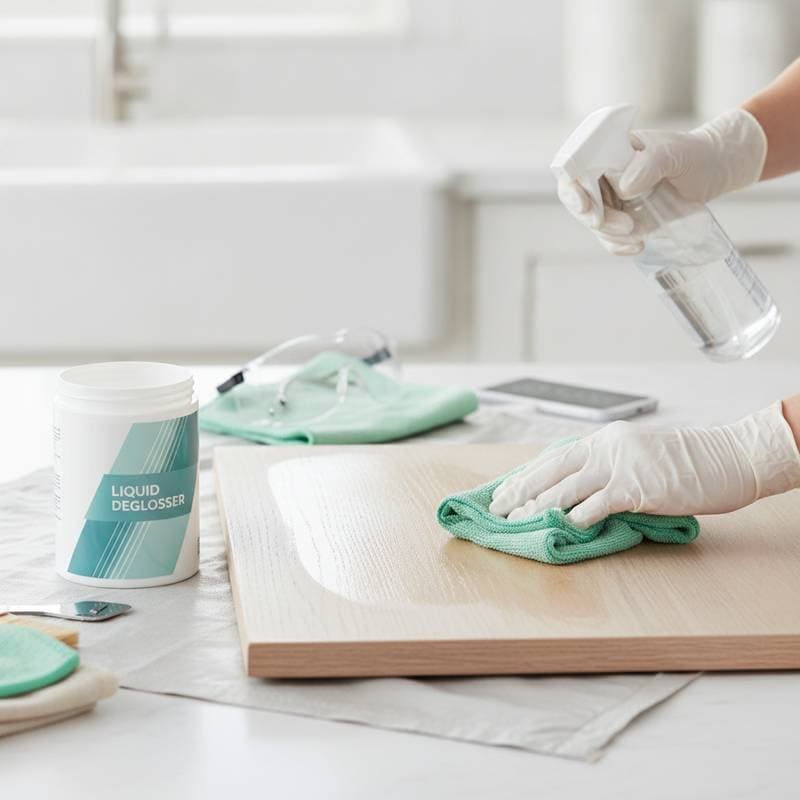
Liquid sandpaper, or liquid deglosser, functions as a chemical agent that etches and dulls glossy finishes without the need for abrasive sanding. This approach proves ideal for confined spaces, intricate moldings, or environments where dust generation poses challenges, such as indoor renovations or film set preparations. It streamlines the process, often reducing preparation time by half compared to traditional methods.
Application requires precision:
- First, wipe the surface with a damp cloth to remove loose dust and debris.
- Soak a lint-free cloth with the deglosser and apply it in circular motions, ensuring even coverage without pooling.
- Allow the product to act for the recommended time, usually three to five minutes, then proceed with painting while the surface retains a slight tackiness, as specified on the label.
Budget considerations include:
- Low budget: A small bottle suffices for minor touch-ups on furniture, costing less than eight dollars.
- Mid budget: Mid-tier brands handle cabinets and trim effectively, priced at twelve to fifteen dollars.
- Higher budget: Professional-grade products that integrate cleaning and deglossing, around twenty-five dollars, offer enhanced performance for demanding surfaces like metal or laminate.
This method minimizes cleanup and suits sealed wood, previously painted areas, or varnished items where sanding risks damage or excessive dust. Essential precautions involve working in well-ventilated spaces and wearing protective gloves to mitigate exposure to potent fumes.
Direct Comparison of the Two Methods
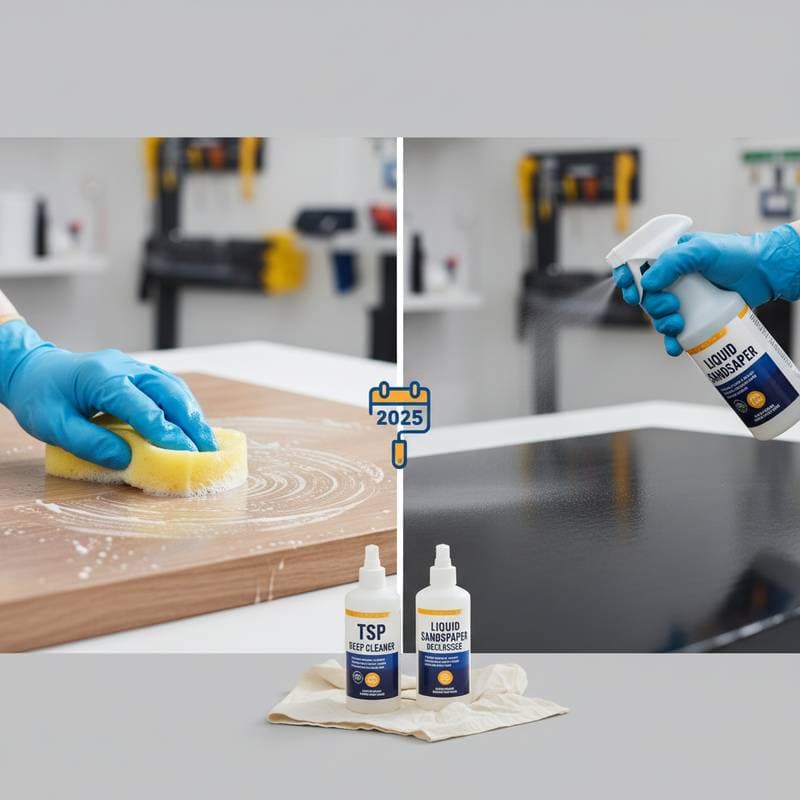
To evaluate their strengths, consider this side-by-side analysis:
| Feature | TSP Cleaner | Liquid Sandpaper |
|---|---|---|
| Primary Function | Eliminates dirt, grease, and grime | Dulls and etches glossy surfaces |
| Ideal Surfaces | Soiled walls, trim, and cabinets | Painted, varnished, or sealed materials |
| Required Tools | Sponge, bucket, and rinse water | Lint-free cloth and gloves |
| Drying Requirements | Complete drying before painting | Apply paint while surface is tacky |
| Best Applications | Pre-sanding deep clean | Quick prep in dust-sensitive areas |
Professionals often integrate both for comprehensive results. For instance, initiate with a TSP wash to clear residues, followed by liquid deglosser to prepare the gloss. This sequence yields adhesion suitable for high-visibility projects, such as production sets requiring rapid, flawless execution.
Selecting the 2025 Preparation Champion
No single method dominates universally; selection hinges on the project's specifics. TSP emerges as the preferred choice for greasy or contaminated kitchens, where thorough decontamination ensures paint durability. Conversely, liquid sandpaper prevails for glossy furniture or trim in scenarios avoiding sanding, offering speed and precision.
The true 2025 advancement lies in strategic combination: cleanse with TSP, degloss with liquid sandpaper, then apply primer. This layered approach maximizes adhesion, minimizes failures like peeling, and supports finishes that withstand daily wear for years.
Essential Techniques for Optimal Outcomes
Success demands attention to detail. Test each product on an inconspicuous area to confirm compatibility and avoid discoloration. With TSP, thorough rinsing prevents residue that could interfere with primer bonding; multiple passes may be necessary on stubborn grime.
For liquid deglosser, prioritize ventilation to disperse fumes, and employ microfiber cloths to eliminate lint risks during application. In rental properties or dust-restricted settings, deglosser facilitates non-invasive updates without tools like sanders.
Additional considerations include wearing protective eyewear and disposing of solutions per local regulations. These practices not only enhance safety but also elevate the overall efficiency of the preparation phase.
Maintaining Professional Finishes Over Time
After paint cures fully, typically seven days, simple upkeep preserves the quality. Wipe surfaces with a mild, non-abrasive cleaner using a soft cloth to remove dust and minor stains without compromising the coating.
Should repainting become necessary, replicate the preparation process to build upon the existing foundation. This consistent methodology ensures repeated success, transforming routine updates into enduring enhancements.
By adopting TSP, liquid sandpaper, or their synergy, professionals and homeowners alike achieve surfaces primed for excellence. Invest time in preparation to secure paint jobs that endure and impress.