Limewash vs. Traditional Paint: Does the $800 Premium Justify the Choice?
Homeowners seeking to update wall finishes frequently encounter limewash and traditional paint as leading choices, each delivering unique visual and tactile effects. These options suit both interior and exterior applications, yet they vary significantly in expense, longevity, upkeep, and style. The typical $800 surcharge for limewash prompts a critical evaluation: does this investment align with long-term benefits? A clear grasp of the underlying distinctions empowers informed decision-making.
Typical Expenses by Project Scale
Project size and material grade heavily influence the financial comparison between limewash and paint.
- Compact space (up to 150 square feet):
- Paint: $300 to $600
- Limewash: $700 to $1,200
- Moderate space (150 to 300 square feet):
- Paint: $600 to $1,200
- Limewash: $1,200 to $2,000
- Expansive space or outdoor surface (300 to 500 square feet):
- Paint: $1,000 to $2,000
- Limewash: $1,800 to $2,800
This $800 average disparity arises from elevated material prices, demanding labor, and precise application methods unique to limewash.
Expense Details per Square Foot
Breaking down costs per square foot reveals precise allocation of funds.
- Paint: $1.50 to $4.00 per square foot
- Materials: $0.50 to $1.50
- Labor: $1.00 to $2.50
- Limewash: $3.00 to $6.00 per square foot
- Materials: $1.50 to $2.50
- Labor: $1.50 to $3.50
Limewash necessitates several layers, dedicated brushes, and extended intervals for drying, all of which elevate both time and expense while shaping the distinctive outcome.
Key Influences on Limewash and Paint Expenses
1. Material Makeup
Limewash derives from pulverized limestone blended with natural colorants, forming a mineral coating that integrates directly with masonry. Traditional paint employs synthetic resins and pigments that form a surface layer. The artisanal production and shorter usability of limewash drive up its per-gallon price.
2. Surface Readiness
Traditional paint bonds readily to drywall, plaster, or prior coatings with basic preparation. Limewash thrives on absorbent substrates like brick, stucco, or lime-based plaster. Application over drywall demands a mineral-based primer, incurring an additional $1 to $2 per square foot, though this step secures strong attachment and extended service life at the cost of increased effort.
3. Application Methods
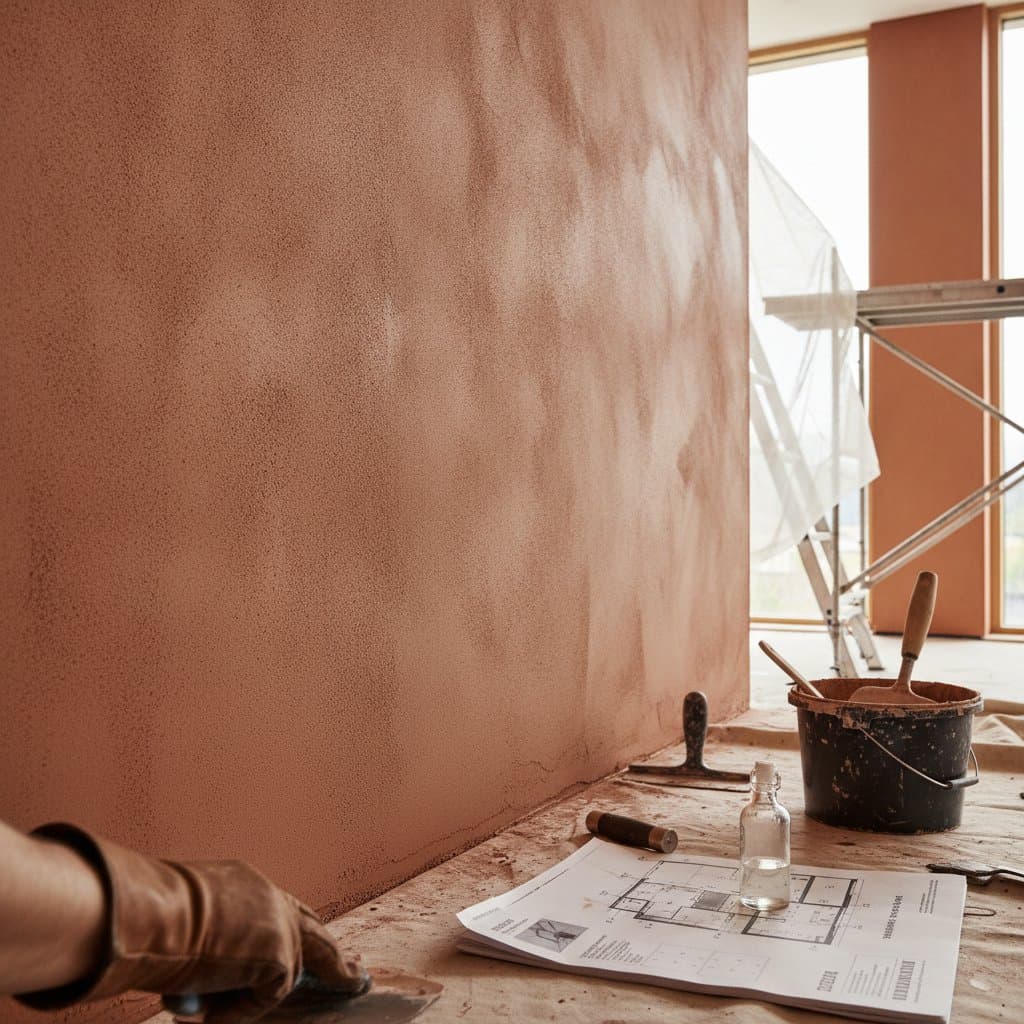
Painters typically roll or spray traditional coatings for efficiency. Limewash calls for a deliberate stroking technique with specialized tools to produce subtle color shifts and undulating depth. Such expertise justifies higher professional fees, yielding an authentic, velvety patina unattainable through standard painting.
4. Longevity and Upkeep
Traditional paint endures 5 to 10 years, contingent on environmental factors and product grade. Limewash on suitable surfaces persists far longer, enhancing through natural carbonation processes. Repairs for paint involve straightforward spot treatments at low cost, whereas limewash demands full-section reworking to preserve uniform appearance.
5. Sustainability and Wellness Factors
Limewash omits volatile organic compounds entirely, promoting superior indoor air purity and ecological responsibility. While many contemporary paints minimize VOCs, limewash stands out for its minimal environmental footprint. Those committed to green building practices often view this advantage as sufficient rationale for the added expense.
Expense Breakdown by Quality Tier
| Finish Category | Entry-Level Range | Mid-Tier Range | High-End Range | Primary Distinctions |
|---|---|---|---|---|
| Interior Paint | $1.50 - $2.50 | $2.50 - $4.00 | $4.00 - $6.00 | Enhanced sheen levels, scrub-resistant formulas, superior opacity |
| Exterior Paint | $2.00 - $4.00 | $4.00 - $6.00 | $6.00 - $8.00 | Fade protection, water repellency, anti-fungal properties |
| Limewash | $3.00 - $4.00 | $4.00 - $6.00 | $6.00 - $8.00 | Organic color mixes, substrate fusion, subtle diffused finish |
High-end limewash variants incorporate bespoke pigmentation and protective barriers against dampness, boosting both price and resilience.
Assessing Value and Long-Term Returns
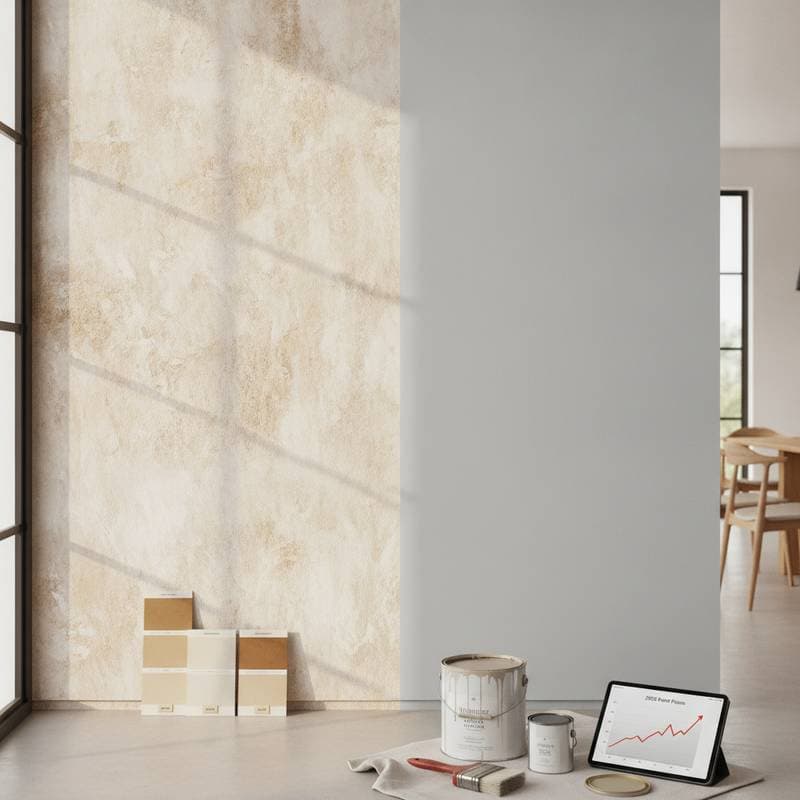
Investment worth hinges on individual priorities in aesthetics and performance. Limewash imparts historic depth and irregularity, attracting those who value artisanal authenticity in design. Its permeable nature mitigates dampness issues, suiting heritage structures or stone facades. Traditional paint delivers even coverage and effortless recoloring, aligning with contemporary, adaptable spaces.
In terms of market value, targeted limewash use on accent features or outer walls can heighten curb appeal and buyer interest. Although direct monetary recovery may not offset the premium fully, the uplift in perceived sophistication frequently balances the equation.
Practical Ways to Control Expenses
Strategic approaches allow cost management while upholding standards.
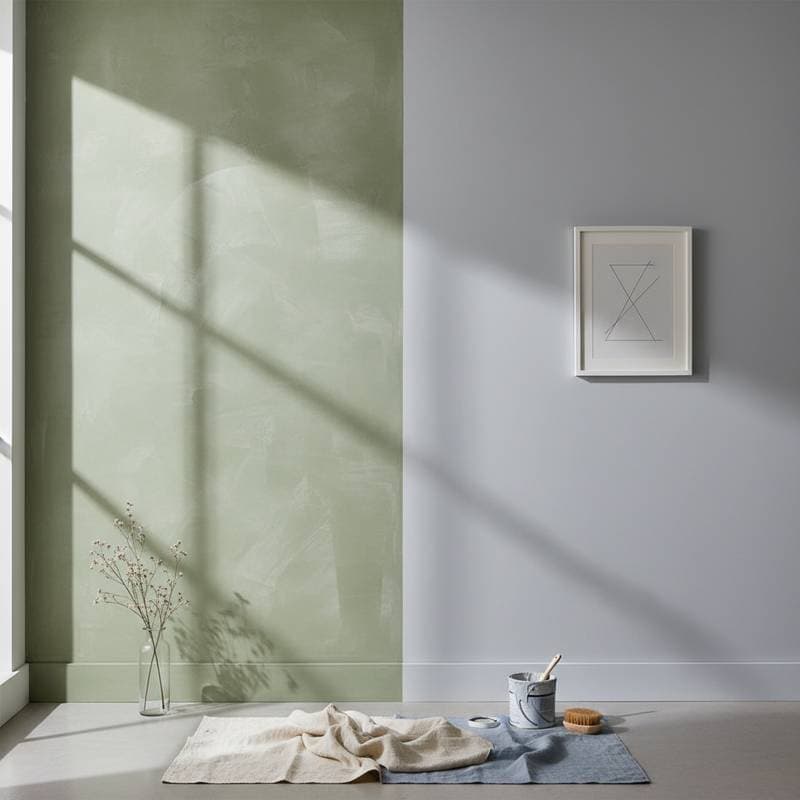
- Blend applications: Reserve limewash for highlight areas or exteriors, pairing it with paint elsewhere to optimize budget and visual punch.
- Perform initial tasks: Tackle cleaning, mending, and priming independently to trim labor charges by hundreds of dollars.
- Seek volume deals: Extensive undertakings often unlock material reductions via contractor suppliers.
- Align with off-peak timing: Book during quieter periods to access reduced rates and prompt service.
- Select balanced grades: Mid-level selections in both finishes merge robustness with reasonable pricing.
Building a Realistic Budget
Start budgeting by calculating total surface dimensions and noting areas needing unique handling. Incorporate a 10 to 15 percent buffer for surprises like fixes, undercoats, or surplus supplies. A common distribution assigns 60 percent to workforce, 25 percent to supplies, and 15 percent to setup and finalization. Soliciting bids from several specialists guarantees equitable rates and clear inclusions.
Ultimately, weigh the $800 gap against desired immediate impact and enduring qualities. Traditional paint excels in adaptability and initial savings, whereas limewash offers layered nuance, stability, and eco-virtues that endure for generations. Align the selection with personal vision for style and sustainable living.
Common Questions on Limewash and Paint
1. What constitutes the typical price gap between limewash and paint?
In a standard room, limewash exceeds paint by approximately $800. Paint jobs span $600 to $1,200, whereas limewash ranges from $1,200 to $2,000, varying by substrate and refinement.
2. Which elements most shape pricing for limewash and paint?
Product caliber, preparatory demands, application duration, and base material exert the strongest effects. Limewash involves specialized primers and expert handling, while paint pricing ties closely to layer count and sheen selection.
3. In what ways can one economize on limewash or paint projects?
Undertake preparatory steps personally, confine limewash to key zones, and obtain bids from various providers. Off-season bookings frequently yield labor savings.
4. Does limewash surpass paint in durability?
On absorbent bases like brick or masonry, limewash bonds chemically for superior longevity. Over drywall or sealed surfaces, primers become essential, and upkeep may limit its edge. Paint provides consistent performance across interior applications.
5. Is professional installation advisable for limewash, or can one manage it solo?
Expertise ensures optimal results through precise layering and patterning. Self-application risks uneven textures without practice.
6. When should one plan a limewash or paint job to minimize costs?
Spring and autumn typically feature availability and promotional rates, as workload varies seasonally.