Sanded vs Unsanded Grout: Determining the 2026 Cost Leader
Grout forms the essential lines that secure and enhance tiled surfaces. In areas like showers, walls, and floors, selecting the appropriate grout influences both visual appeal and durability. Homeowners undertaking tile installations frequently decide between sanded and unsanded grout, each offering unique benefits in terms of expense, texture, and upkeep. Grasping these distinctions enables informed choices that align expense with functionality and style.
This article details the cost, texture, and installation differences between sanded and unsanded grout. It identifies suitable applications for each, examines pricing influences, and provides guidance on selecting grout to meet specific renovation objectives.
Defining Sanded and Unsanded Grout
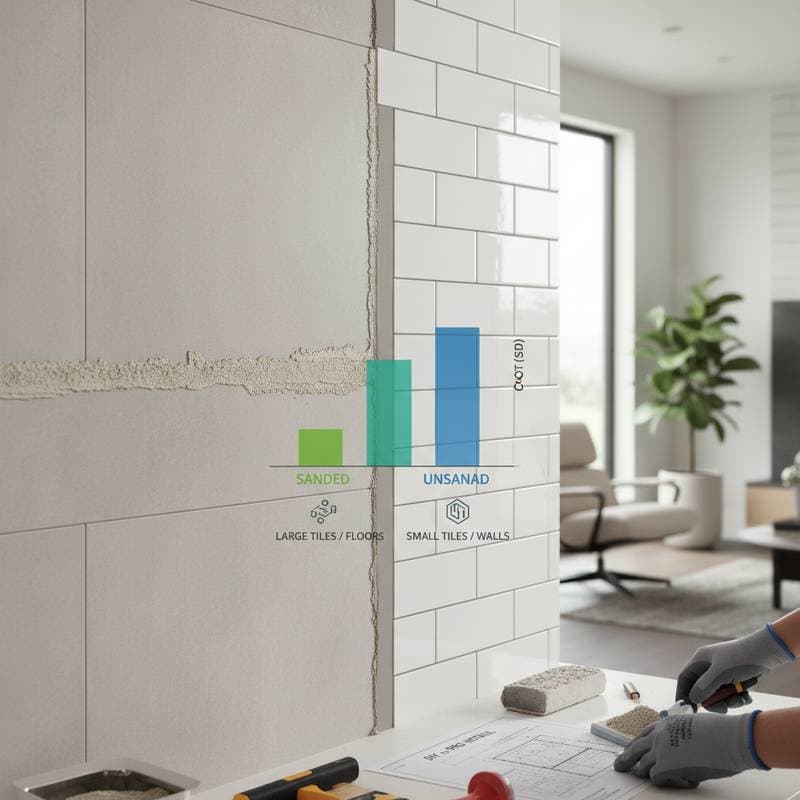
Sanded grout incorporates fine sand particles into a cement foundation. This addition enhances strength and minimizes shrinkage during drying. Installers apply it to joints exceeding one-eighth inch, making it suitable for floors, countertops, and zones with heavy use where resilience proves essential.
Unsanded grout features a smooth consistency without sand inclusions. Professionals reserve it for joints at or below one-eighth inch. Its refined surface suits vertical installations such as shower walls, kitchen backsplashes, or fragile materials including glass and polished stone.
These options shape the project's appearance, expense, and reliability.
Analyzing Project Expenses
Typical Price Ranges
-
Basic sanded grout installation: $1.25 to $2.25 per square foot
-
Standard sanded grout installation: $2.50 to $3.50 per square foot
-
Premium sanded grout installation: $4.00 to $5.50 per square foot
-
Basic unsanded grout installation: $1.50 to $2.75 per square foot
-
Standard unsanded grout installation: $3.00 to $4.00 per square foot
-
Premium unsanded grout installation: $4.50 to $6.25 per square foot
Included Services
Standard packages cover grout materials along with color options, surface preparation and cleaning, application and smoothing into tile joints, sealing, curing, and a final quality check.
Additional Charges
- Existing grout removal: $1.00 to $2.00 per square foot
- Specialty sealers or color enhancers: $0.50 to $1.25 per square foot
- Post-drying repairs or touch-ups
- Custom textures or finishes for accent walls
Influences on Total Expenses
| Factor | Expense Influence | Specific Instances |
|---|---|---|
| Tile dimensions and joint widths | Elevated for tight spaces | Mosaic layouts demand meticulous work |
| Grout variety | Unsanded typically raises costs | Smooth application necessitates extra care |
| Installation site | Vertical surfaces extend labor | Shower enclosures or splash zones require more time |
| Tile material delicacy | Dictates grout selection | Stone or glass mandates unsanded for protection |
| Sealer quality | Boosts durability at added price | High-end options prolong service life |
Narrow joints and vertical applications often elevate unsanded grout expenses due to precision demands. Sanded grout generally proves more economical for expansive, horizontal surfaces.
Evaluating Texture and Installation Methods
Grout texture affects its interaction with tiles and overall performance. Sanded grout's granular composition resists cracking in broader joints. The abrasive quality provides traction, ideal for sizable floor tiles, and maintains uniform joint depths while enduring frequent traffic.
Unsanded grout delivers a sleek, even surface that avoids scratching sensitive tiles during application. Without sand, it contracts more upon setting, requiring precise layering and thorough sealing to achieve stability.
Color integration varies by type. Sanded grout's texture alters pigment absorption for a textured hue, whereas unsanded grout ensures uniform coloration across the surface.
Project Duration Overview
Grouting commences after tile adhesive sets, usually one day post-installation. For a 200-square-foot residential area, preparation, application, and tidying span one to two days. Sanded grout sets more quickly as sand limits moisture absorption. Unsanded grout demands extended curing, particularly in damp conditions.
Apply sealant after full drying to enhance resistance to stains and wear. This step requires an additional day, and users must refrain from cleaning or wetting the area for several days to support adhesion.
Weighing DIY Against Professional Services
Home improvement retailers stock both grout varieties for DIY efforts. Small-scale projects suit novice attempts, yet specific scenarios favor expert involvement.
DIY Guidelines
- Develop even application skills to eliminate residue or voids.
- Allocate a full weekend for a modest backsplash; experts finish in hours.
- Gather a grout float, sponge, mixing container, and sealant.
- Prevent issues by adhering to mixing ratios; excess water leads to fractures or fading.
Scenarios for Professional Engagement
Opt for contractors on expansive layouts, intricate designs, natural stone or glass setups needing caution, moisture-prone areas, or installations with advanced waterproofing.
Experts ensure uniform lines, effective sealing, and swift execution. Their fees encompass site cleanup and guarantees on labor quality.
Guidelines for Choosing Contractors
Selecting a skilled contractor guarantees superior outcomes and fair pricing. Begin by identifying local tile specialists or painting firms experienced in grout work.
Process for Vetting Professionals
- Verify licensing and insurance to confirm regulatory adherence and liability protection.
- Obtain client references and examine images of prior installations.
- Solicit itemized estimates covering materials, labor, and post-work restoration.
- Clarify schedules and deliverables to prevent timeline disputes.
- Examine guarantees for materials and installation.
A comprehensive contract safeguards interests, detailing grout specifications, hues, sealing methods, and site responsibilities.
Project Preparation Steps
Homeowners contribute to efficiency by clearing the workspace of furnishings and fixtures. Provide ventilation in confined areas like bathrooms. Finalize tile alignment and gaps prior to grouting. Select hues that harmonize with tiles and surrounding paint.
Observe the work, inquiring about curing periods, sealing procedures, and maintenance routines. Post-completion, restrict access until curing and sealing finalize.
Ensuring Durability Through Maintenance
Ongoing care preserves grout integrity. Sanded grout accumulates debris in its textured surface but withstands shifts and breaks superior to its counterpart. Reapply sealant annually or biennially to shield against water and discoloration.
Unsanded grout's openness to absorption heightens sealing importance. Employ mild cleaners and soft tools to safeguard the finish. Steer clear of abrasives that erode sealants or alter colors.
Establish routine cleaning and checks to avert major fixes. Promptly treat minor fissures or stains with fillers or targeted reapplication.
Selecting Grout for Optimal Results
Decide based on joint dimensions, desired finish, and financial limits. Sanded grout excels in horizontal applications with broader gaps, providing robust, budget-friendly performance. Unsanded grout suits refined, narrow setups, offering sophistication at a modest premium and requiring attentive care.
Correct application and upkeep yield enduring beauty for either choice. Informed selections harmonize affordability with resilience, elevating home aesthetics and value.