Why Venetian Plaster Dominates 2026 Luxury Home Walls
Venetian plaster has reemerged as a premier interior wall finish for luxury homes. Homeowners, designers, and contractors value its depth, texture, and enduring appeal. This technique transforms ordinary surfaces into artistic elements, providing durability and natural elegance that surpass paint or synthetic alternatives. As demand grows for unique interior spaces, Venetian plaster emerges as a cornerstone of high-end design.
Understanding Venetian Plaster
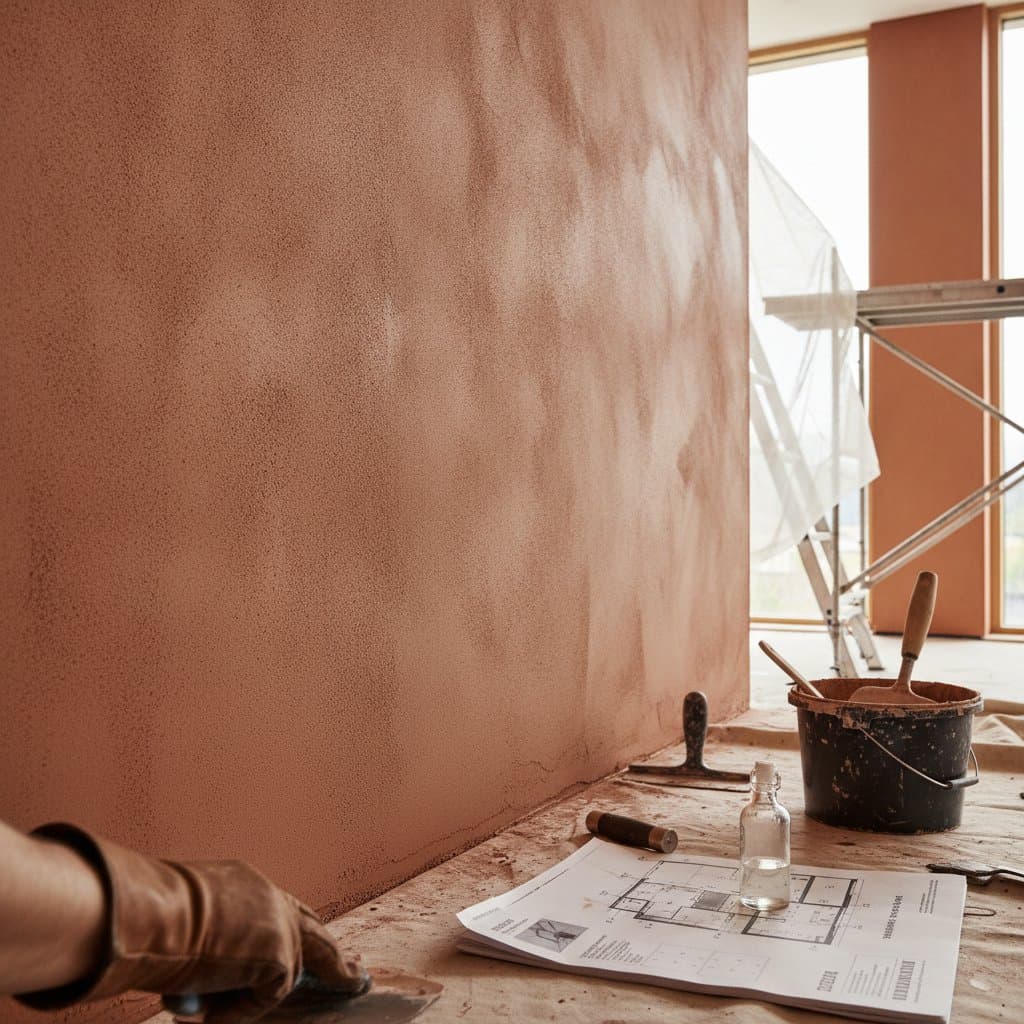
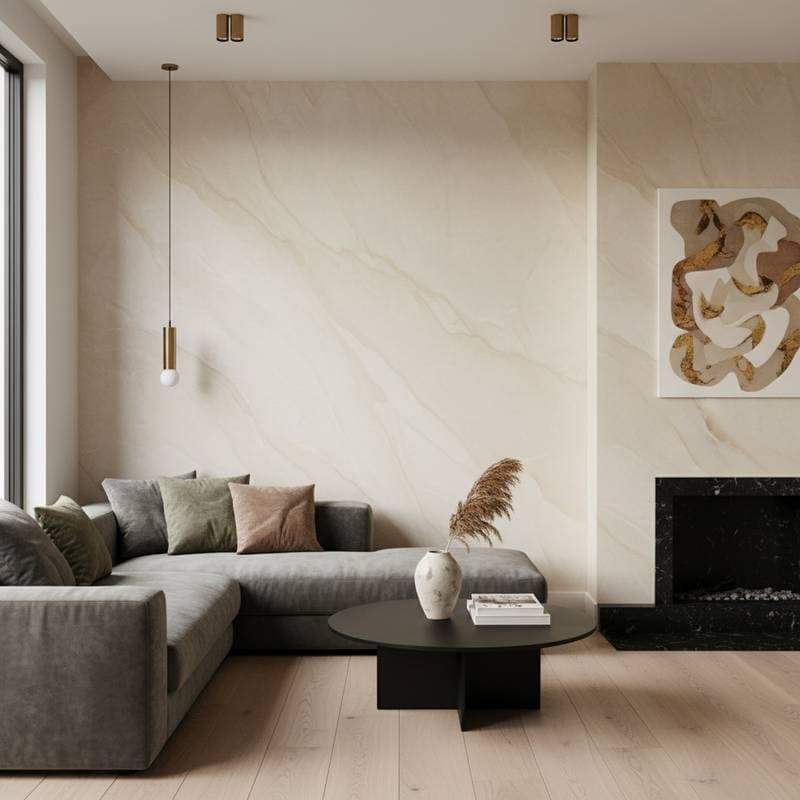
Venetian plaster involves a wall finishing method that combines natural lime, marble dust, and pigments to produce a smooth, polished surface with subtle depth and movement. Applied with precision, it yields a stone-like effect that varies gently in tone with shifting light. Artisans burnish the surface to create either a glossy or matte finish, tailored to the project's aesthetic. The outcome is a wall that appears vibrant, luxurious, and inviting to the touch.
Rooted in ancient plaster traditions, this material benefits from contemporary techniques that enhance its performance and adaptability. It integrates seamlessly into traditional and modern settings alike. The blend of natural components and skilled application positions Venetian plaster as a top choice for those pursuing genuine luxury.
Project Cost Breakdown
Average Cost Ranges
- Basic project: $10 to $15 per square foot
- Standard project: $16 to $25 per square foot
- Premium project: $26 to $40 per square foot
What's Included
- Surface preparation, such as patching and priming
- Multiple layers of plaster application
- Burnishing or polishing to achieve the selected sheen
- Application of protective wax for enhanced durability
What Costs Extra
- Custom pigments or specialized color blending
- Intricate wall features, including niches or ceilings
- Decorative elements like patterns, stencils, or metallic accents
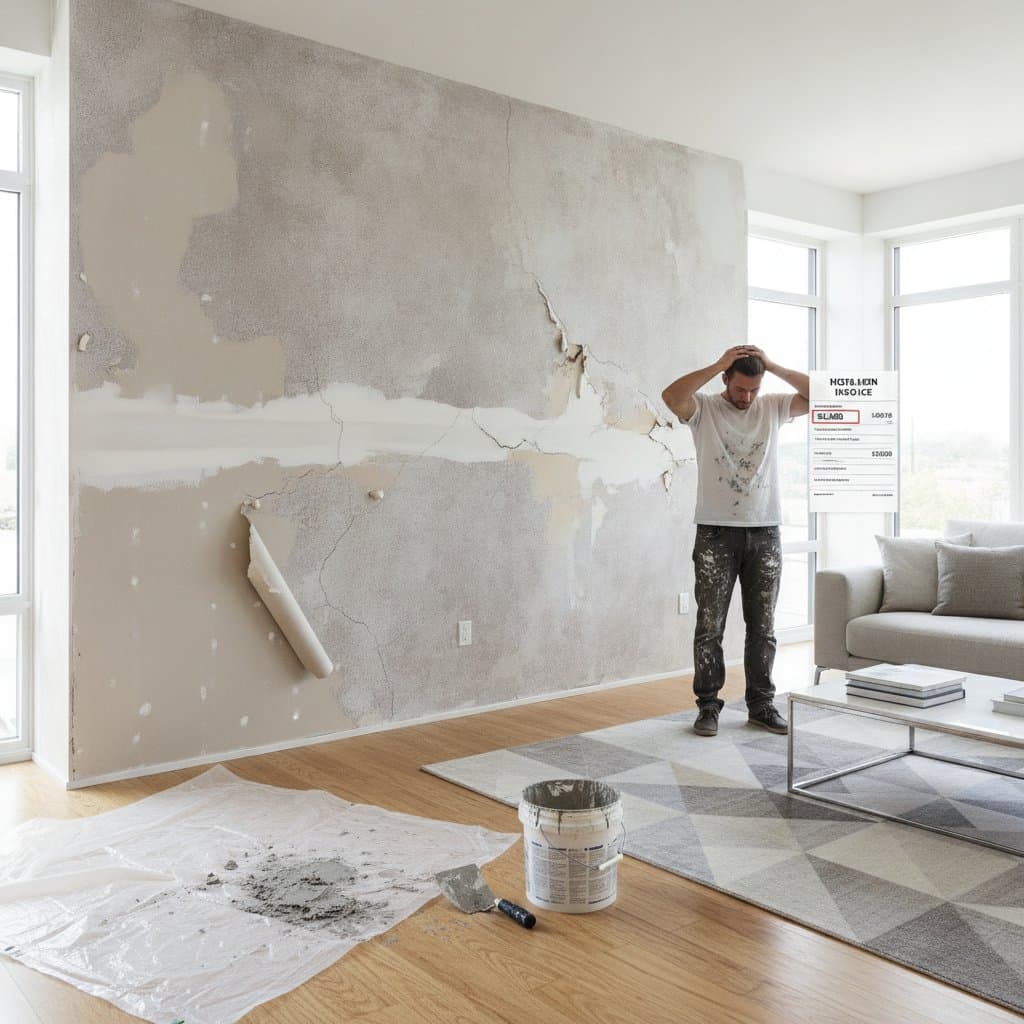
- Significant pre-application repairs to damaged surfaces
Factors Influencing Final Cost
| Factor | Cost Impact | Examples |
|---|---|---|
| Wall condition | Moderate to high | Aged drywall needing resurfacing or leveling |
| Finish complexity | High | Multi-tone or metallic effects |
| Surface area | Medium | Smaller rooms incur higher per-square-foot costs due to setup |
| Contractor expertise | High | Experienced artisans charge premium rates |
| Location | Moderate | Urban areas feature elevated material and labor expenses |
Venetian plaster requires meticulous precision and artistic expertise. Although the materials derive from natural sources, the labor proves intensive. Each layer demands adequate drying time, and finishing depends on manual tools and refined techniques. Such craftsmanship accounts for the elevated expense relative to conventional paint or textured options.
The Luxury Appeal of Venetian Plaster
Luxury interiors demand materials that exude authenticity and richness. Venetian plaster delivers this with ease. Its mineral-based formula generates organic variations impossible to mimic with synthetic products. Each wall stands distinct, interacting uniquely with daylight and shadows. The finish conveys refinement and warmth, imparting a sensory dimension that uplifts any environment.
This material complements diverse architectural styles. In minimalist spaces, its understated sheen and texture add subtle interest. In traditional rooms, the polished surface evokes classic sophistication. Such versatility earns favor among architects and interior designers.
Durability and Longevity
Beyond aesthetics, Venetian plaster offers practicality. The lime foundation strengthens over time, creating a resilient surface resistant to cracks and fading. With proper sealing, it endures for decades without repainting. Its inherent mold resistance suits high-moisture zones like kitchens and bathrooms.
In contrast to paint, which may peel or yellow, Venetian plaster acquires a patina that deepens its allure. Superficial marks often yield to buffing or light repolishing, minimizing upkeep. This enduring quality justifies the upfront cost, delivering sustained value.
Sustainability and Breathability
Contemporary homeowners prioritize eco-conscious choices. Venetian plaster aligns with this preference through its natural makeup, devoid of synthetic additives. The composition permits walls to breathe, managing humidity and preventing moisture buildup for superior air quality. The lime element contributes gentle antibacterial effects, supporting healthier indoor spaces.
Timeline for Completion
Project timelines vary by scale and intricacy, yet standard estimates provide guidance:
- Small room (up to 200 square feet): 3 to 5 days
- Medium room (200 to 400 square feet): 5 to 7 days
- Large or multi-room project: 1 to 2 weeks
Full drying between layers proves essential to avoid cracks or inconsistencies. Professionals allocate time accordingly, ensuring optimal results. Homeowners benefit from planning around this schedule, particularly when integrating with other renovations involving carpentry or electrical work.
Professional Application Versus DIY
Mastering Venetian plaster calls for expertise and diligence. Although DIY kits are available, replicating professional outcomes presents difficulties. The process entails exact trowel strokes, uniform pressure, and managed drying environments. Novices risk visible trowel marks, irregular textures, or lackluster areas.
Scenarios for Professional Hiring
- Extensive surfaces or multiple rooms
- Elaborate finishes involving layered colors
- Non-planar elements like curves, columns, or ceilings
- Projects restoring heritage or architecturally significant interiors
Opportunities for DIY
- Modest accent walls with simple, single-tone applications
- Practice efforts in low-stakes areas
- Contexts where minor flaws enhance the rustic charm
Professionals offer not only proficiency but also streamlined execution. They account for variables such as ambient humidity and temperature that influence plaster performance. Skilled applicators foresee potential problems, safeguarding the final appearance and overall investment.
Selecting a Contractor
The choice of artisan shapes the project's outcome. Given the blend of technical and creative demands, evaluate candidates on both proficiency and vision.
Verification Steps
- Review portfolios of actual completed works, avoiding generic images
- Confirm licensing and insurance to mitigate risks
- Inquire about preferred material brands and formulations
- Assess years of specialization in plaster techniques
Evaluating Estimates
Secure at least three detailed proposals. Each should outline layer counts, material specifications, preparation methods, and sealing processes. Beware of unusually low quotes that may skip vital steps like burnishing, which affect longevity.
Assessing References
Contact past clients to gauge reliability in scheduling, site cleanliness, and responsiveness. Plaster work produces fine dust and necessitates thorough protection, underscoring the importance of professional conduct alongside technical skill.
Preparing for the Project
Thorough preparation sets the foundation for success. Homeowners facilitate progress by organizing access and timelines effectively.
Key Preparation Actions
- Remove furniture and decor from walls
- Cover floors using protective sheets
- Address cracks, dents, or drywall imperfections
- Prime surfaces with lime-compatible products
- Test color samples in the room's natural lighting
During application, limit access to the workspace to curb dust spread. Regular updates with the team on progress and adjustments maintain alignment.
Ensuring Quality
A superior Venetian plaster installation features seamless tactility and fluid color transitions. Disparities in texture or sheen signal application flaws or inadequate finishing.
Inspection Points
- Consistent texture throughout the surfaces
- Balanced sheen under varied lighting conditions
- Smooth joins at edges and corners
- Uniform wax application, properly buffed
Dependable contractors address concerns prior to sealing. Conduct a final inspection before settling payments to confirm alignment with expectations.
Weighing the Investment
Venetian plaster involves a higher initial outlay than paint, yet its durability and visual impact yield strong returns. It seldom necessitates refreshes, and the sophisticated finish boosts resale appeal. In upscale properties, discerning buyers appreciate the artisanal quality and organic charm as distinguishing assets.
The material's flexibility accommodates style shifts. Neutral applications harmonize with current minimalist setups or future ornate arrangements, sustaining relevance without frequent overhauls.
Steps to Launch Your Project
Begin by defining your vision: select tones and finishes that complement your home's architecture. Consult local specialists for site-specific advice, and budget for the full scope including preparation. With careful planning, Venetian plaster delivers walls that endure as focal points of elegance.
Frequently Asked Questions
How much does Venetian plaster typically cost?
Costs range from $10 to $40 per square foot, influenced by finish details, wall readiness, and artisan proficiency. Simpler, single-color efforts approach the lower range, whereas layered or specialty options command premium rates. Verify that bids encompass all phases, from preparation to sealing and site restoration.
How long does a Venetian plaster project take?
Compact rooms require three to five days, with expansive or nuanced undertakings extending to two weeks. Inter-coat drying intervals are non-negotiable to prevent defects. Experts adhere to paced timelines, advising clients on coordination with parallel trades.
Should I attempt Venetian plaster as a DIY project?
DIY suits small-scale accents if equipped with time and essential implements. For comprehensive rooms or bespoke designs, engage professionals. The method demands honed trowel skills and timing precision that novices struggle to achieve consistently.
How do I find a qualified Venetian plaster contractor?
Seek specialists in decorative plasters over general contractors. Examine portfolios, client testimonials, and credentials. Probe material authenticity and request demonstration samples. Reliable providers furnish transparent quotes and material disclosures.
What maintenance does Venetian plaster need?
Sealed surfaces demand little care: light dusting suffices, steering clear of abrasives. The finish evolves a subtle patina over years, amplifying its appeal. Address marks through gentle buffing or expert touch-ups as needed.
What are common problems and how can they be prevented?
Issues like cracking or patchy luster stem from poor prep or hasty drying. Opt for seasoned applicators to avert most pitfalls. Maintain stable room conditions during work and allow full curing before use. Thorough sealing guards against environmental wear.