Why Micro-Texture Walls Are Replacing Flat Drywall
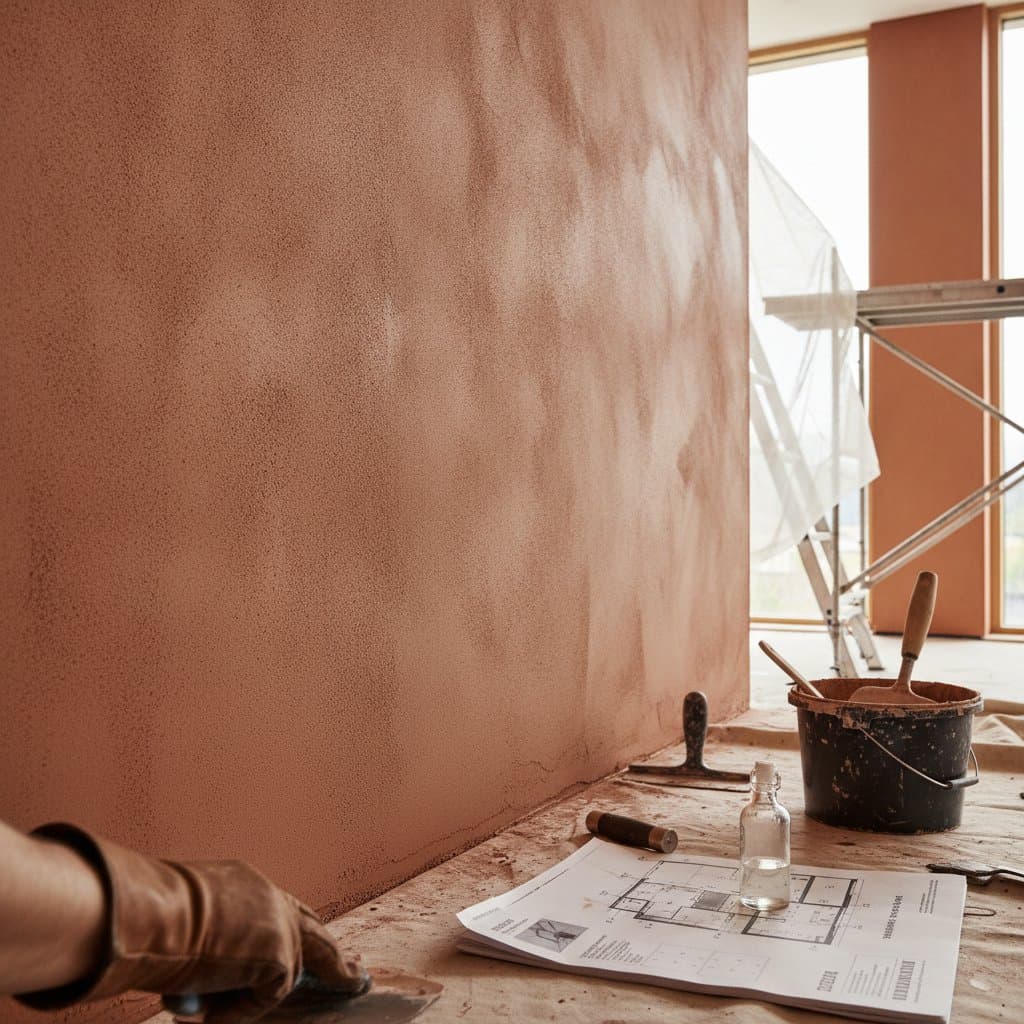
Home design trends emphasize subtle details that enhance sophistication. Modern interiors increasingly feature micro-texture walls instead of traditional flat drywall. Homeowners select these finishes for their depth, softness, and durability, avoiding bold patterns or heavy textures. Micro-texture walls merge aesthetic refinement with practical benefits, producing surfaces that appear contemporary, withstand wear, and reflect light effectively.
Cost Overview for Micro-Texture Wall Finishes
Applying micro-texture finishes typically costs between $2.50 and $6.50 per square foot. This range accounts for materials, labor, and the quality of the desired finish. Homeowners generally invest $4 to $5 per square foot for a standard installation, which covers preparation, texturing, and painting.
Average Cost Ranges by Room Size
- Small room (up to 150 sq. ft.): $375 - $975
- Medium room (150 - 300 sq. ft.): $600 - $1,800
- Large room (over 300 sq. ft.): $1,200 - $3,000
Cost Breakdown per Square Foot
A typical micro-texture wall project encompasses several components:
- Materials: $0.80 - $2.00 per sq. ft.
- Labor: $1.50 - $3.50 per sq. ft.
- Preparation and repair: $0.20 - $0.75 per sq. ft.
- Finishing coats: $0.50 - $1.25 per sq. ft.
These estimates assume professional application with high-quality compounds and paints to achieve uniform, seamless outcomes.
Factors Affecting Micro-Texture Wall Costs
Several elements influence the final price of micro-texture walls. Homeowners benefit from understanding these to refine their planning and prevent unexpected expenses.
Surface Condition: Existing drywall may need patching, sanding, and priming. These preparations extend project time and material use, potentially adding $0.50 to $1.00 per square foot.
Texture Type: Options range from ultra-smooth matte surfaces to gentle sand swirls or faint plaster effects. Intricate textures demand extra layers and expertise, which elevate labor costs.
Material Quality: High-end compounds and paints formulated for longevity or enhanced light diffusion carry a higher initial price. Such choices often lower long-term upkeep expenses.
Labor Expertise: Finishers skilled in contemporary techniques command premium rates. Their precision ensures superior uniformity and endurance.
Regional Conditions: Local labor rates and material access vary pricing. Urban markets with strong demand for innovative finishes tend to incur modestly elevated costs.
Detailed Cost Analysis by Finish Type
| Finish Type | Basic Range | Standard Range | Premium Range | Key Differences |
|---|---|---|---|---|
| Micro-smooth matte | $2.50 - $3.50 | $3.50 - $4.75 | $4.75 - $6.00 | Differs based on paint quality, sheen, and preparation thoroughness |
| Soft plaster texture | $3.00 - $4.25 | $4.25 - $5.50 | $5.50 - $6.50 | Incorporates subtle depth through plaster mixtures for added visual interest |
| Sand-infused coating | $2.75 - $4.00 | $4.00 - $5.25 | $5.25 - $6.25 | Provides tactile quality via fine-grain elements for resilient surfaces |
Why Micro-Texture Walls Are Replacing Flat Drywall
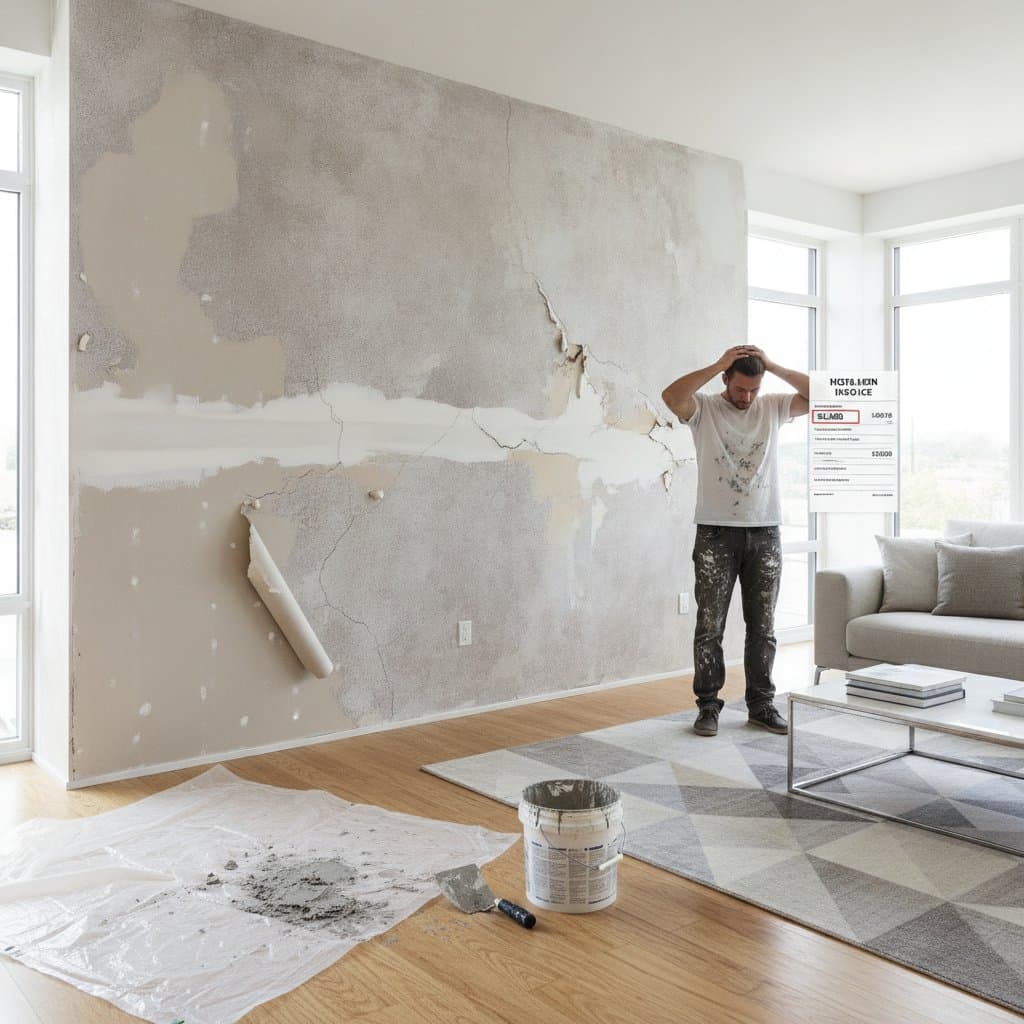
Traditional flat drywall serves as a basic interior wall finish. However, its even surface accentuates imperfections and handles light poorly. Micro-texture walls resolve these drawbacks with a nuanced finish that scatters light evenly, masks flaws, and introduces gentle warmth.
Durability Advantage: These coatings endure scratches, impacts, and scuffs more effectively than flat drywall. They suit demanding spaces like hallways and family rooms.
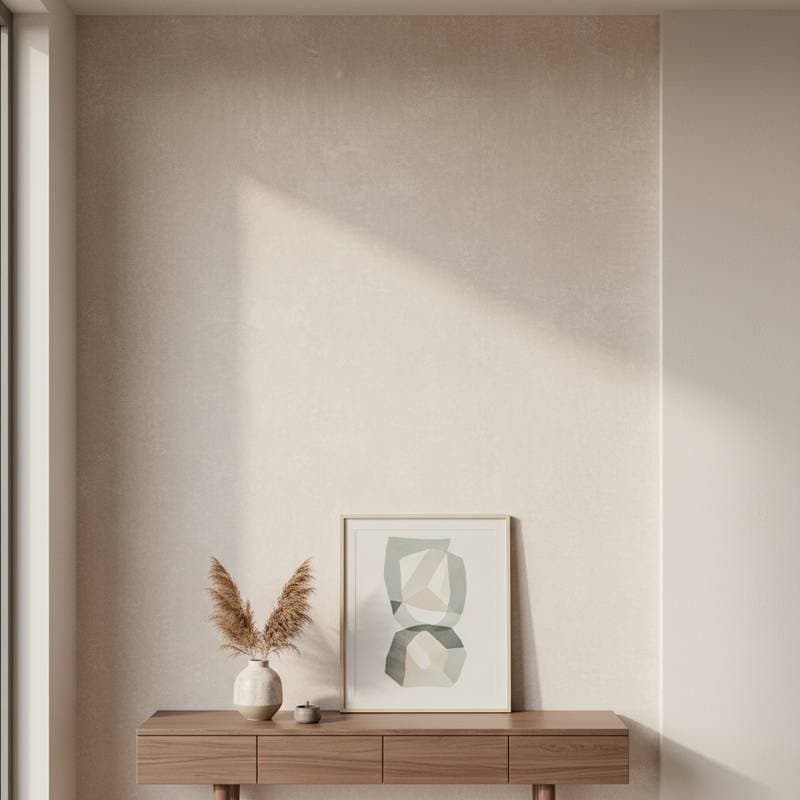
Aesthetic Appeal: The understated texture introduces dimension without dominating the room. It complements minimalist modern designs and classic furnishings alike.
Maintenance Benefits: Flat drywall demands regular repainting to preserve its look. Micro-texture surfaces conceal everyday marks, delaying the need for refreshes.
Improved Light Reflection: The fine texture diffuses both natural and artificial illumination. Rooms gain even, inviting brightness that plain walls seldom provide.
Value and Return on Investment
Micro-texture walls deliver substantial long-term value. Their resilience reduces repair frequency, saving hundreds in maintenance over years. Enhanced aesthetics can boost home appeal, potentially increasing resale value by 1 to 2 percent in design-focused markets. Professional installation ensures quality that outlasts basic finishes, offering returns through lower upkeep and elevated living spaces. Homeowners recoup investments faster in high-traffic homes where durability matters most.
Money-Saving Strategies
- Prepare surfaces in advance: Clean and sand walls prior to contractor arrival. This shortens on-site labor.
- Select standard finishes: Opt for balanced textures that deliver style without excessive complexity.
- Time projects for off-peak periods: Arrange work in slower seasons when rates dip due to reduced demand.
- Combine multiple rooms: Group installations to optimize setup, tools, and material efficiency.
Planning Your Budget
Establish a realistic budget by calculating square footage and multiplying by average costs per finish type. Factor in a 10 to 15 percent buffer for surprises like structural repairs. Obtain multiple quotes from licensed professionals to compare value. Track expenses with a simple spreadsheet that lists materials, labor, and contingencies. This approach keeps projects on track while accommodating variables like room size or texture preferences.
Frequently Asked Questions
1. What is the average cost to install micro-texture walls?
Homeowners typically allocate $2.50 to $6.50 per square foot. This varies with finish selection, wall state, and local labor rates.
2. Which factors have the biggest impact on micro-texture wall pricing?
Preparation needs, texture intricacy, material standards, and installer proficiency drive costs. Expansive areas or tall ceilings also raise totals.
3. How can I save money on a micro-texture wall project without compromising quality?
Perform initial prep, select moderate finishes, and book during low-demand times. Secure detailed bids from trusted contractors to manage outlays.
4. Should I hire professionals or attempt this as a DIY project?
Basic textures suit DIY efforts, but micro-texture demands professional tools and techniques for uniformity. Experts guarantee durable, flawless results.
5. How can I budget for unexpected costs during a wall finishing project?
Reserve 10 to 15 percent of the total for issues such as cracks or extra layers. This cushion avoids disruptions from unforeseen repairs.
6. When is the best time to schedule a micro-texture wall project?
Cooler months offer lower costs and quicker timelines due to lighter workloads. Early planning secures optimal slots and pricing.