Micro-Cement Walls: 2026's Rising $8K Texture Trend
Micro-cement walls deliver a seamless, stone-like surface that suits modern interiors. This finish creates a polished concrete appearance without the weight or extensive structural demands of traditional materials. Homeowners and designers select it for kitchens, bathrooms, and accent walls because it combines visual appeal with practical performance.
The trend gains attention due to its balance of style and function. It resists moisture and stains when sealed correctly. The surface requires minimal upkeep compared with tile or natural stone.
Core Advantages of Micro-Cement
Designers choose micro-cement for several consistent reasons. The material adapts to industrial, minimalist, and coastal aesthetics. Proper sealing provides resistance to scratches and daily wear. The absence of grout lines produces a continuous appearance that reduces cleaning time.
Color and sheen selections allow precise matching to existing palettes. Low-VOC formulations support healthier indoor environments. These qualities make the finish suitable for both new construction and renovation projects.
Application Process and Layer Requirements
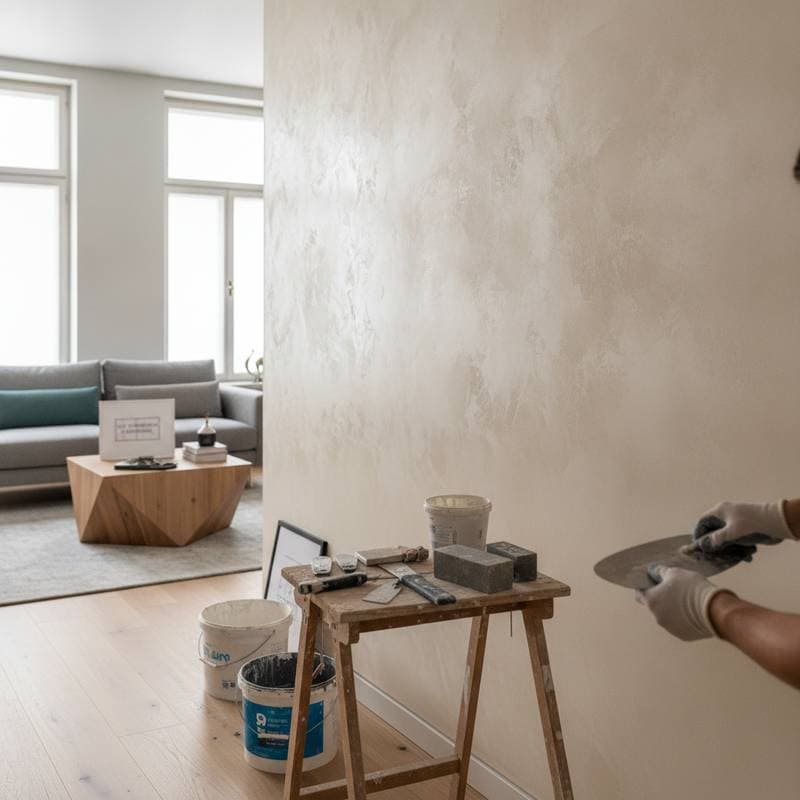
A successful installation follows a defined sequence. Primer establishes adhesion on the prepared substrate. The base coat levels minor imperfections and creates a stable foundation. Two thin micro-cement coats are troweled by hand to develop the desired texture.
A pigmented finish layer introduces tone and depth. Final sealing protects against water and staining. Each coat must cure fully before the next step begins. Rushing this timeline increases the risk of future cracking.
Selecting Color and Texture
Current pigment options extend beyond neutral grays to include clay tones, soft whites, and deep charcoals. Subtle metallic additives create reflective variation under different lighting conditions. Trowel pressure determines whether the surface reads refined or more organic.
Test panels remain essential. They reveal how sealers alter color saturation and light reflection within the specific room environment.
Practical Lessons from Professional Installations
Television production experience highlights the importance of lighting direction. Strong side lighting accentuates trowel marks for dramatic effect. Ambient, diffused lighting produces a calmer, more uniform appearance. These same principles apply in residential settings.
One project converted a standard hallway into a gallery-like space within a single night using prefinished micro-cement panels. The surface withstood weeks of crew traffic while maintaining its original appearance.
Investment Considerations for Homeowners and Contractors
Lightweight construction reduces the need for additional structural support. The finished surface can contribute to perceived property value. Contractors who master application techniques gain access to higher-margin specialty services such as custom color matching and eco-friendly sealing.
Homeowners benefit from shorter installation timelines and the ability to refresh smaller spaces without heavy demolition.
Essential Preparation and Execution Steps
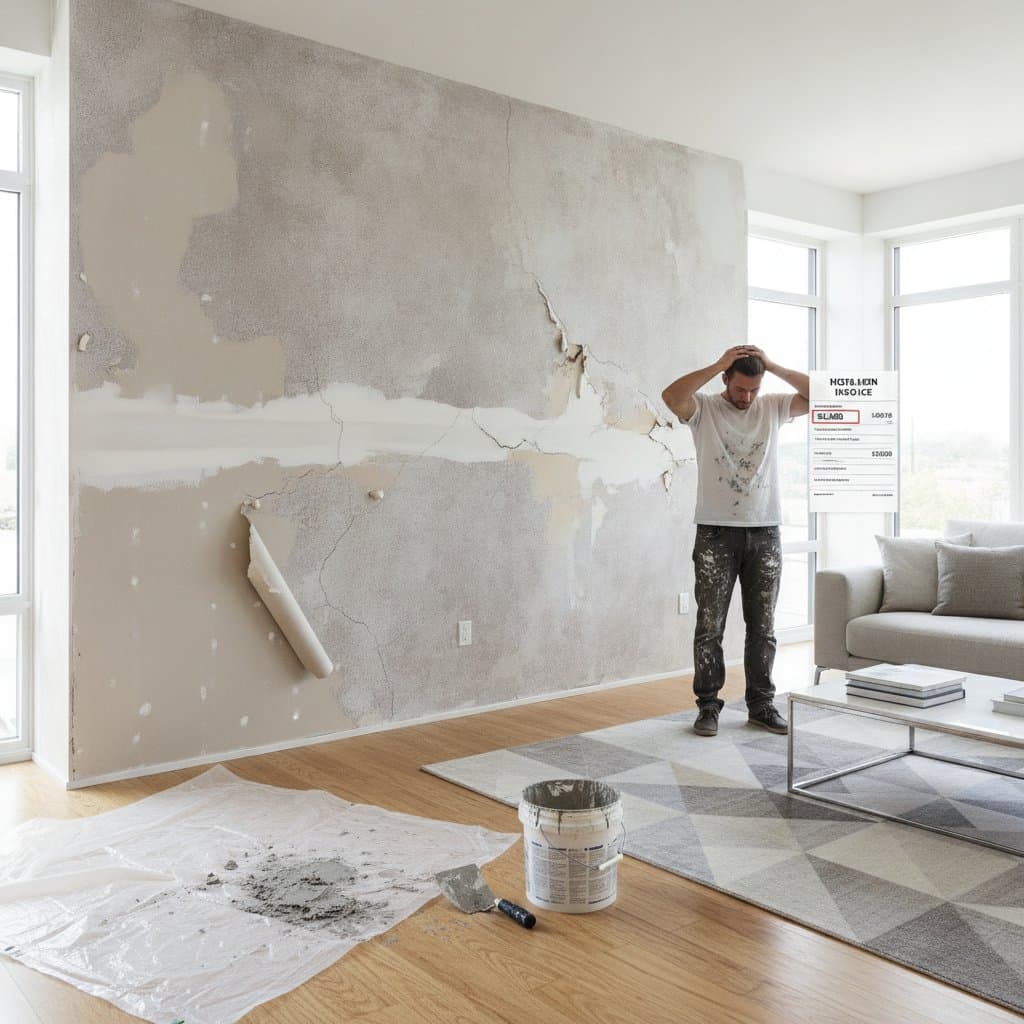
- Verify that the substrate is smooth, stable, and free of cracks before priming.
- Maintain consistent humidity levels during curing to prevent color shifts.
- Clean tools between coats to avoid cross-contamination.
- Apply and evaluate sealer samples on test areas first.
- Prepare sufficient mixed material to complete each visible section without visible joins.
Daily Experience and Long-Term Value
Installed micro-cement walls provide a grounded tactile quality that pairs well with wood, textiles, and metal. The surface combines handcrafted variation with engineered durability. This combination supports both immediate visual impact and sustained performance across changing design preferences.