The $800 Drywall Sanding Mistake That Haunts Homeowners
Homeowners often enter a newly painted room and spot waves, ridges, or uneven patches beneath the fresh coat of color. This discovery marks the realization of a common error known as the $800 drywall sanding mistake. Such oversights inflate budgets and compromise the quality of finishes well before the paint dries. Fortunately, targeted preparation and informed practices eliminate this issue entirely.
This guide outlines essential strategies to achieve professional results. Readers gain insights into preparation techniques that ensure walls appear flawless and withstand daily use.
The Importance of Thorough Sanding
Drywall functions similarly to skin, where every irregularity becomes visible once paint adds color and gloss. Paint amplifies rather than conceals texture, particularly with eggshell or satin sheens. Minor sanding imperfections or ridges emerge prominently under these conditions.
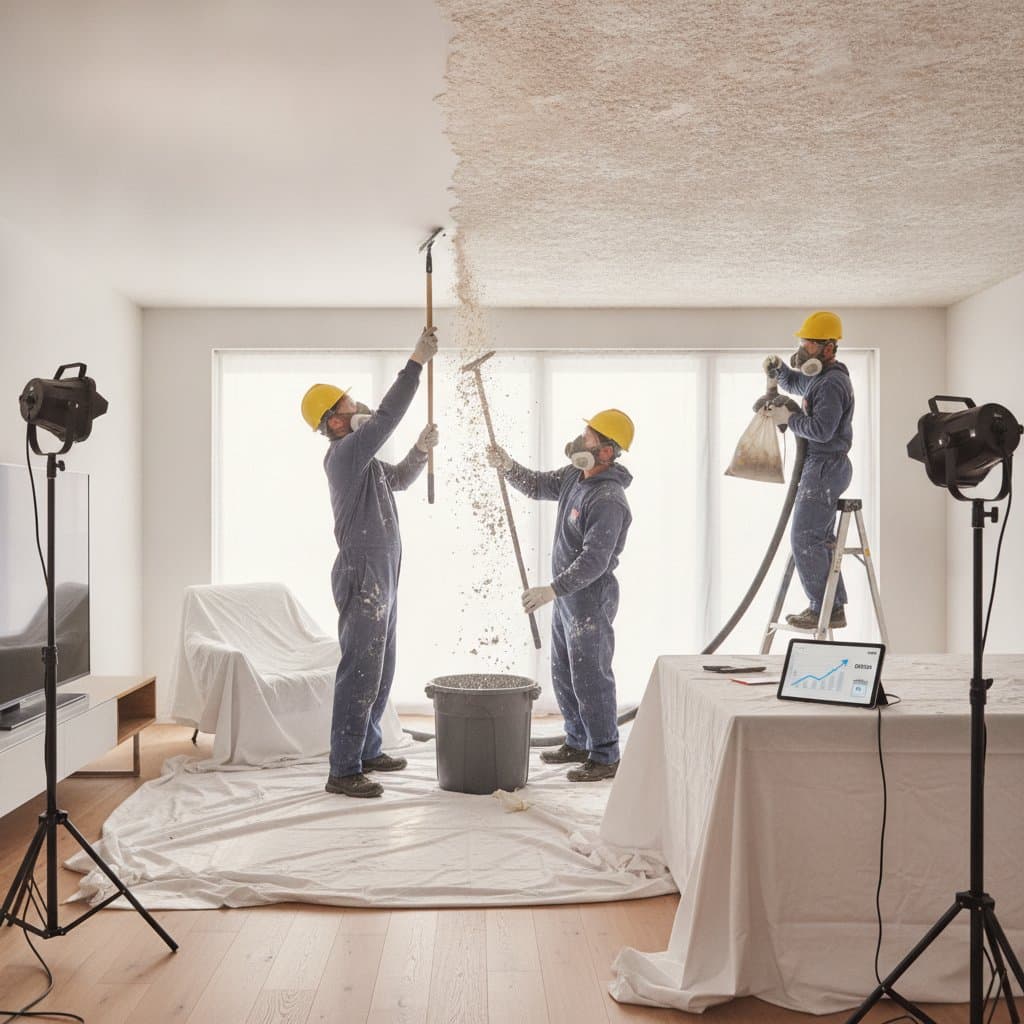
Professionals in high-stakes environments, such as television renovations, emphasize this principle. Crews prepare surfaces as if they face high-definition scrutiny. This approach elevates the perceived value of the finish, regardless of the paint's cost. Homeowners apply the same method to secure enduring, attractive results.
Step-by-Step Sanding Techniques
Effective sanding requires deliberate steps to create a uniform surface. Begin with coarse 120-grit sandpaper to level joints and patches. Progress to 220-grit for refinement, using a sanding pole for reach and a hand sander for edges.
Work in circular motions to avoid linear scratches. Maintain light pressure to prevent gouges. For overhead areas, secure a sanding screen to a pole and sweep gently. Complete the process by vacuuming debris immediately to avoid reintroducing particles.
Strategic Lighting for Flaw Detection
Illuminate walls with raking light before applying paint. Position a bright light source parallel to the surface to cast shadows on imperfections. Mark problem areas with a pencil, as ink may seep through subsequent layers.
Portable LED panels serve professionals well in controlled settings. Home users achieve comparable results with a flashlight or adjustable work lamp. This inspection step uncovers flaws invisible under standard overhead illumination, ensuring comprehensive preparation.
Meticulous Cleaning Practices
Dust residue from sanding undermines even the finest paint application. After sanding, wipe walls with a tack cloth or microfiber cloth dampened with water. Follow with a vacuum equipped with a brush attachment to capture fine particles.
Incorporate a final pass using a dry cloth to remove any lingering grit. Professionals recommend wearing a mask during cleaning to avoid inhaling dust. These measures prevent contaminants from embedding in the paint, which leads to bumpy textures and premature wear.
Professional Priming Methods
Primer seals microscopic dust and balances the absorbency of drywall compound. Without it, paint soaks unevenly, resulting in blotches mistaken for sanding errors. Select a primer formulated for drywall to maximize adhesion and coverage.
Apply primer with a roller for broad surfaces and a brush for edges. Allow full drying time, typically four hours, before sanding lightly if needed. In moisture-prone areas like bathrooms, opt for a mildew-resistant formula to enhance durability.
Debunking Drywall Sanding Myths
Misconceptions often derail preparation efforts. Several require clarification to guide users toward success.
- Paint conceals minor imperfections. In reality, paint highlights texture differences, making flaws more apparent.
- Power sanders outperform manual tools universally. For drywall, they risk creating depressions unless paired with fine-grit attachments and controlled pressure.
- Omitting primer accelerates the process. This choice merely postpones issues, as uneven absorption demands future corrections.
- Professional outcomes demand high expenses. Patience, appropriate tools, and basic techniques yield smooth results at any budget level.
Consequences of Inadequate Sanding
Neglecting proper sanding manifests in several post-paint issues. Walls exhibit varying sheen levels, visible shadow lines along seams, and paint that peels or bubbles near repairs. Rollers detect gritty surfaces, signaling embedded debris.
Remediation involves resanding, repriming, and repainting affected zones. These efforts accumulate costs beyond materials, including time and frustration. Homeowners regain control by prioritizing preparation from the outset.
Remedies for Existing Flaws
If paint already reveals problems, targeted interventions restore surfaces efficiently. Follow these steps for minor corrections:
- Sand the flawed section lightly with 220-grit paper. Feather the edges to blend seamlessly.
- Clean thoroughly and apply spot primer with a small roller.
- Repaint the area, blending edges with a damp roller while wet.
For broader issues, use soft lighting to identify sheen variations. Limit work to those spots, conserving paint and effort. This method minimizes disruption while achieving uniformity.
Insights from Professional Renovations
In television productions, timelines demand precision, making sanding protocols non-negotiable. Teams designate a specialist for the final lighting inspection prior to painting. This practice safeguards budgets and timelines, preventing on-site revisions.
Home projects benefit from similar discipline. Allocate time for each phase, treating preparation as integral to the overall outcome. Such habits transform routine tasks into reliable successes.
Achieving Enduring Wall Perfection
Flawless drywall underpins exceptional paint applications. Guests sense the quality in a room's ambiance, even if the effort remains unseen. Maintain a sanding sponge and primer on hand for ongoing upkeep.
Address small dings promptly with a light sand and touch-up. These actions preserve the surface for years. Every homeowner merits walls that elevate their living spaces. Invest in these techniques to eliminate errors and enjoy vibrant, lasting results.