The Hidden Cost of Skipping Sanding Between Paint Coats: Avoid an $800 Redo
Understanding the Role of Sanding in Painting Projects
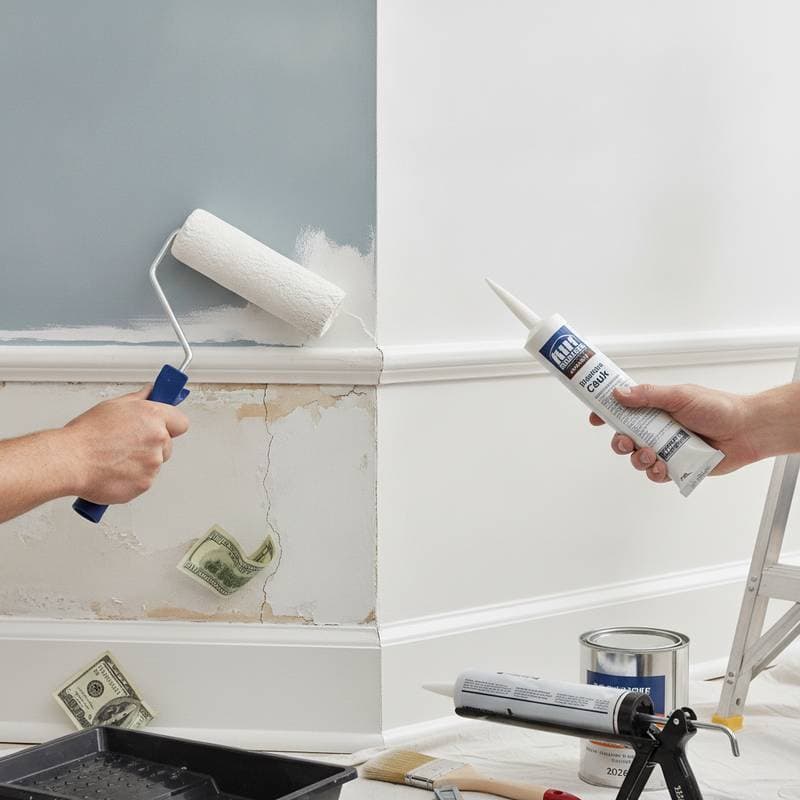
Homeowners often approach painting with high energy, envisioning a fresh, vibrant space. However, issues such as uneven textures, brush strokes, or premature peeling frequently arise. The primary culprit in these problems is the omission of sanding between coats. This essential step ensures a seamless transition from one layer to the next, preventing common pitfalls that lead to subpar results and significant financial setbacks.
Sanding serves multiple purposes in the painting process. It eliminates minor imperfections like raised brush hairs or dust particles. Additionally, it creates a slightly roughened surface that promotes strong adhesion for subsequent coats. Without sanding, paint layers fail to bond effectively, resulting in cracks, bubbles, or complete failure over time. Professional painters emphasize that this practice not only enhances aesthetic appeal but also extends the lifespan of the finish, saving time and resources in the long run.
When homeowners skip this step, the consequences extend beyond appearance. Repainting becomes necessary, often requiring complete surface stripping or multiple corrective layers. What begins as a modest $150 investment in supplies escalates to $800 or more when accounting for additional materials, disposal of failed work, and potential professional intervention.
The Financial Implications of Proper Sanding
Incorporating sanding into a painting project influences overall expenses in predictable ways. Professional services, which include thorough sanding, typically range from $2 to $6 per square foot. This covers labor, materials, and expertise that ensure durability. For those tackling projects independently, costs drop to $1.50 to $3 per square foot, primarily due to eliminated labor fees, though supplies like quality sandpaper add to the total.
Project scale plays a key role in budgeting. Smaller spaces demand less investment, while larger areas amplify expenses through increased material use and time commitment.
Average Costs by Room Size
- Small room (100-150 square feet): $200 to $400, suitable for bathrooms or home offices where precision matters.
- Medium room (200-300 square feet): $400 to $900, common for bedrooms or dining areas requiring balanced coverage.
- Large room (400+ square feet): $900 to $1,800, ideal for living rooms or open-concept spaces that benefit from uniform application.
Detailed Cost Breakdown per Square Foot
| Cost Component | DIY Range | Professional Range | What It Covers |
|---|---|---|---|
| Materials | $0.50 - $1.50 | $1.00 - $2.00 | Paint, primer, sandpaper, drop cloths, and brushes |
| Labor | $0.00 - $0.50 | $1.00 - $3.00 | Time for sanding, application of coats, and inspections |
| Preparation | $0.25 - $0.75 | $0.50 - $1.00 | Surface cleaning, masking, and minor repairs |
| Finishing | $0.25 - $0.75 | $0.50 - $1.00 | Light final sanding, detailing, and cleanup |
These figures provide a baseline, but variations occur based on specific conditions.
Key Factors Influencing Sanding and Painting Expenses
Several elements determine the final price tag of a painting endeavor. Surface condition stands out as a major variable. Walls marred by old drips, fissures, or heavy textures demand extensive sanding, potentially adding $100 to $300 to the budget. Addressing these issues early prevents escalation.
The number of coats required also impacts costs. Standard projects call for two coats to achieve even opacity, with each layer necessitating sanding in between. Opting for three coats on high-traffic areas ensures longevity but increases both time and material outlay.
Paint selection further affects the equation. Superior paints offer enhanced coverage and self-leveling properties, minimizing the intensity of sanding needed. Although initial costs rise by 20 to 50 percent, these products reduce the likelihood of callbacks or touch-ups, yielding net savings.
Equipment choices influence efficiency as well. Tools such as orbital sanders or vacuum-attached systems streamline the process and contain dust, justifying an upfront spend of $50 to $150. In contrast, manual methods suit tight spaces but extend labor duration.
Labor demands vary by complexity. Intricate details like crown molding or popcorn ceilings require meticulous sanding techniques, elevating professional rates. Homeowners must weigh their skill level against these challenges to decide on the best approach.
Strategies to Sidestep the $800 DIY Error
Preventing costly oversights begins with a structured plan. Always allocate time for sanding after the first coat dries fully, typically 2 to 4 hours depending on humidity. Use 220-grit sandpaper for a gentle scuffing that preserves the underlying layer while preparing for the next application.
Dust management proves critical. After sanding, employ a tack cloth or microfiber wipe to capture residue, ensuring a clean slate. Neglecting this invites particles into fresh paint, compounding imperfections.
For DIY enthusiasts, practice on inconspicuous areas first. This builds confidence and reveals technique flaws before committing to the full project. If uncertainty persists, consult local hardware stores for free demonstrations on sanding tools.
Professionals recommend testing paint adhesion post-sanding with a simple tape method: apply and remove tape to check for lifting. This quick verification avoids future disappointments.
Evaluating Value and Return on Investment
Investing in proper sanding delivers measurable returns. A well-prepared surface withstands daily wear, delaying repaints by 5 to 10 years. This longevity offsets initial costs, particularly in high-use rooms like kitchens or hallways.
From a financial perspective, the ROI becomes evident in avoided repairs. Skipping sanding might save 30 minutes per coat initially, but the ensuing redo consumes days and dollars. Calculations show that consistent sanding reduces total project expenses by 20 to 40 percent over the paint's lifecycle.
Homeowners gain peace of mind alongside savings. Professional-grade results boost property value and personal satisfaction, making the effort worthwhile. Consider tracking expenses in a simple spreadsheet to visualize these benefits.
Practical Money-Saving Techniques
Achieve quality without excess spending through targeted choices. Select fine-grit sandpaper suited to your surface; 220-grit works for most walls, while 150-grit handles rougher textures.
Wipe surfaces meticulously with a tack cloth post-sanding to eliminate dust, preventing inclusions that demand rework.
Choose mid-tier paints with strong adhesion formulas; they balance cost and performance, often covering more area per gallon.
Opt for hand sanding in compact zones to bypass power tool purchases, reserving mechanized options for expansive walls.
Complete all preliminary tasks, such as patching holes or taping edges, prior to professional involvement. This minimizes billed hours and maximizes value.
Purchase supplies in bulk during promotions, and reuse drop cloths or brushes across projects to stretch budgets further.
Building a Realistic Budget Plan
Effective budgeting starts with accurate measurements. Calculate square footage by multiplying wall height by width, subtracting windows and doors. Add 10 percent for waste and touch-ups.
Prioritize essentials: allocate 40 percent to materials, 30 percent to tools if DIY, and reserve the rest for contingencies. Track spending in real time to stay on course.
Factor in drying times, which extend project timelines and may require temporary relocation of furniture. Plan around these pauses to avoid rushed work.
For larger undertakings, break the budget into phases: preparation, application, and finishing. This modular approach allows adjustments without derailing the entire effort.
Consult cost estimators from suppliers for tailored projections. With a solid plan, homeowners complete projects efficiently, reaping durable results within financial limits.
Frequently Asked Questions
What is the typical expense for sanding between coats in a painting project?
Sanding between coats generally costs $0.25 to $0.75 per square foot. This encompasses sandpaper, dust removal, and the associated time for each layer.
Which elements most significantly affect sanding and painting budgets?
Wall condition, paint type, coat quantity, and texture complexity drive costs. Problematic surfaces necessitate extra preparation, whereas quality paints streamline the process.
In what ways can one reduce painting expenses while preserving standards?
Perform initial prep tasks independently, source paint on sale, and employ durable sanding tools. Light sanding between coats ensures adhesion without excess effort.
Is it advisable to engage professionals or handle sanding and painting solo?
DIY suits modest rooms with straightforward walls. Professionals excel in expansive or challenging areas, guaranteeing uniformity and efficiency.
How should one prepare for unforeseen expenses in painting?
Reserve 10 to 20 percent of the budget for surprises like repairs or additional supplies. This cushion maintains project viability amid complications.
When does initiating a painting project yield the lowest costs?
Off-season periods offer reduced rates and ample contractor schedules. Temperate conditions also facilitate optimal drying, minimizing defects.