Why 2026 Hybrid Coatings Will Transform Interior Walls
Interior design advances through innovative materials and techniques. Hybrid wall coatings emerge as a key development, integrating paint's adaptability with wallpaper's strength and aesthetic depth. These solutions promise to reshape wall treatments by delivering superior endurance, varied textures, and personalization options that surpass conventional methods.
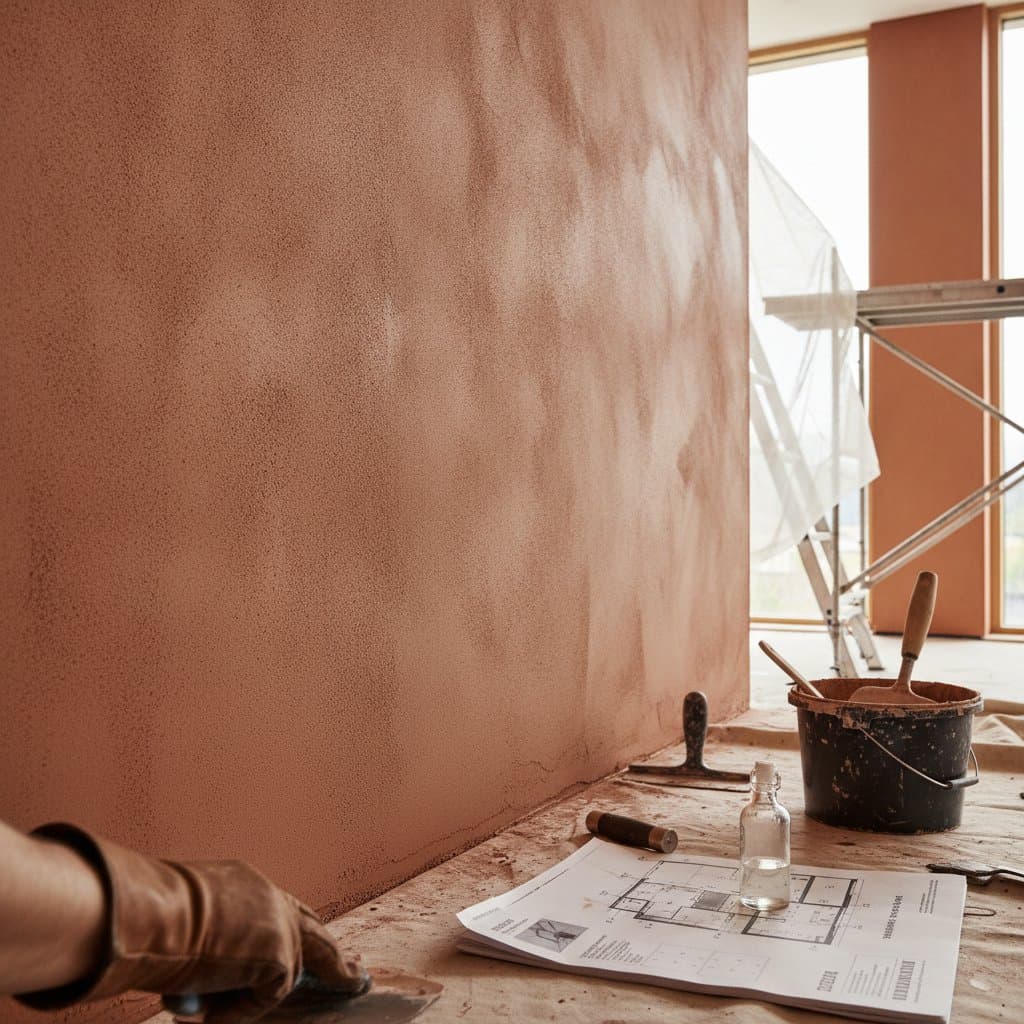
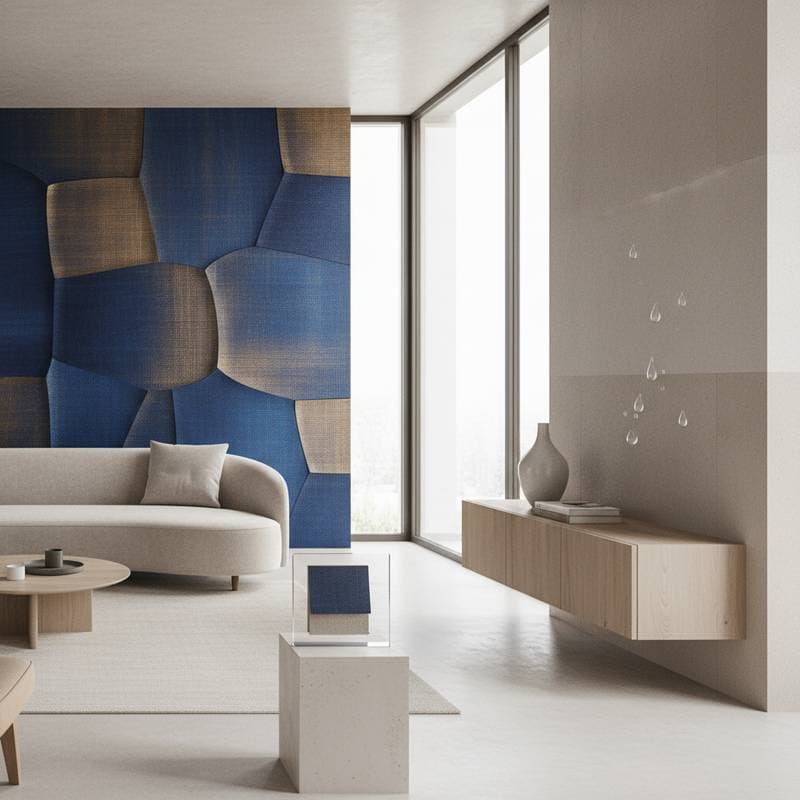
Hybrid coatings consist of layered applications that fuse paint's smooth application with wallpaper's structural integrity. The result yields a unified surface capable of replicating plaster, fabric, or subtle patterns while remaining scrub-resistant and straightforward to care for. Advancements in formulation position these coatings as viable choices for contemporary residential spaces.
Cost Overview of Hybrid Wall Systems
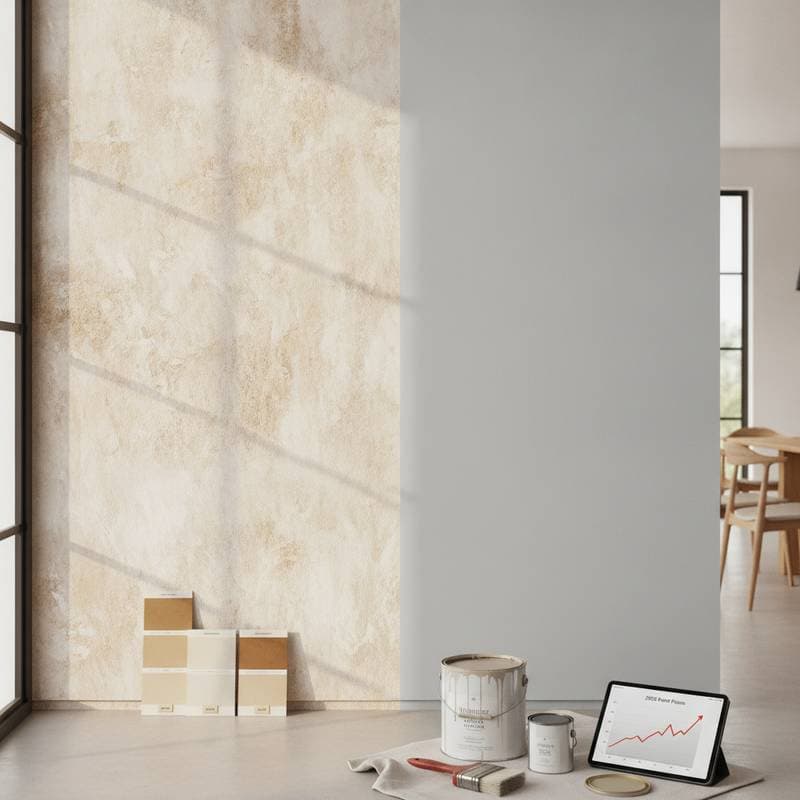
Hybrid wall coatings generally cost between $4 and $9 per square foot, influenced by texture details, material selections, and installation expertise. Traditional painting averages $2 to $5 per square foot, whereas wallpaper application spans $5 to $10 per square foot.
Initial expenses for hybrids exceed basic alternatives, yet their extended durability and minimal upkeep yield savings over time. Homeowners benefit from investments that align with long-term aesthetic and functional goals.
Average Cost Ranges by Room Size
- Small room (up to 150 sq. ft.): $600 - $1,200
- Medium room (150 - 300 sq. ft.): $1,200 - $2,700
- Large room (300 - 500 sq. ft.): $2,700 - $4,500
These figures encompass preparation, materials, and expert installation to ensure optimal results.
Cost Breakdown per Square Foot
| Cost Component | Range per sq. ft. | Description |
|---|---|---|
| Materials | $1.50 - $4.00 | Hybrid coating, sealers, and texture layers |
| Labor | $2.00 - $4.00 | Skilled application and texturing |
| Preparation | $0.50 - $1.00 | Patching, priming, and cleaning surfaces |
| Finishing/Sealing | $0.50 - $1.00 | Topcoat protection or custom finish |
Factors Affecting Hybrid Coating Costs
1. Surface Condition
Existing wall imperfections, such as cracks or irregular surfaces, demand thorough preparation. Additional patching and priming may increase expenses by $0.50 to $1.50 per square foot.
2. Finish Complexity
Basic smooth applications prove more affordable. Elaborate textures emulating stone or fabric necessitate extra materials and time, elevating costs to the upper range.
3. Material Quality
High-end hybrids incorporate antimicrobial agents, moisture barriers, and UV stabilizers. Such enhancements raise upfront prices but prolong service life significantly.
4. Regional Labor Rates
Metropolitan locations with elevated overheads command premium labor fees. Suburban or rural settings typically provide more economical options.
5. Customization and Design
Incorporating bespoke color mixes, patterns, or metallic accents enhances appeal but can inflate total costs by 10% to 20%.
Detailed Cost Analysis by Finish Type
| Finish Type | Basic Range | Standard Range | Premium Range | Key Differences |
|---|---|---|---|---|
| Smooth Matte | $3 - $5 | $5 - $7 | $7 - $9 | Matte finish with optional protective coat |
| Textured Stone Look | $4 - $6 | $6 - $8 | $8 - $10 | Simulates plaster or stone surfaces |
| Metallic or Reflective | $5 - $7 | $7 - $9 | $9 - $11 | Reflective pigments and specialty layering |
| Washable Satin | $3 - $4 | $4 - $6 | $6 - $8 | Ideal for kitchens and bathrooms |
Why Hybrids Are Gaining Popularity
Standard paint demands regular renewal in busy zones, leading to ongoing expenses. Wallpaper offers visual richness yet poses challenges in replacement and cleaning. Hybrid coatings address these drawbacks through adaptable application, robust performance, and creative potential.
These finishes repel moisture, abrasions, and color degradation, suiting homes and offices alike. Low-VOC compositions further appeal by promoting healthier indoor environments.
Value and Longevity
Conventional paint refreshes last 5 to 7 years at best. Hybrids endure 10 to 15 years with basic care, minimizing repeat investments across expansive areas.
Enhanced textures and finishes elevate property appeal, attracting buyers who value contemporary, hassle-free designs.
Maintenance and Durability Analysis
| Feature | Traditional Paint | Wallpaper | Hybrid Wall Coating |
|---|---|---|---|
| Durability | Moderate | High | Very High |
| Maintenance | Frequent | Moderate | Low |
| Moisture Resistance | Low | Moderate | High |
| Customization | Limited | High | High |
| Lifespan | 5-7 years | 8-10 years | 10-15 years |
Money-Saving Strategies
-
Prepare Surfaces Yourself
Tackle initial tasks like cleaning, sanding, and minor repairs to cut labor fees by 10% to 15%. -
Choose Standard Textures
Opt for proven smooth or satin options to secure elegance without premium labor demands. -
Plan During Off-Peak Seasons
Initiate projects in quieter periods for negotiated rates and prompt service. -
Request Multi-Room Discounts
Bundle multiple spaces to benefit from volume pricing that lowers per-square-foot charges. -
Use Protective Sealants
Select durable topcoats to amplify longevity and defer future upkeep expenses.
Planning Your Budget
Establish a realistic budget by calculating square footage and selecting finish tiers early. Obtain multiple quotes detailing materials and labor to identify efficiencies. Allocate funds for a 10% buffer against unforeseen adjustments, ensuring the project aligns with financial priorities while achieving desired outcomes.
Professional vs DIY Application
Professionals deliver uniform results through specialized tools and techniques for layering and curing. DIY suits small-scale trials, such as feature walls, but risks inconsistencies on broader surfaces due to the precision required. For optimal performance and warranty coverage, entrust installations to certified applicators.
When to Choose Hybrids Over Paint or Wallpaper
- High-traffic areas such as hallways, entryways, and kitchens benefit from the durability and washability of hybrid finishes.
- Moisture-prone rooms like bathrooms and laundry spaces gain protection from water-resistant formulas.
- Design-focused interiors achieve a custom aesthetic without the installation challenges of wallpaper.
Frequently Asked Questions
1. What is the average cost of hybrid wall coatings compared to paint?
Hybrid coatings usually range from $4 to $9 per square foot, while traditional paint jobs average $2 to $5 per square foot. The higher cost reflects added materials, complex application, and extended durability that reduces long-term repainting needs.
2. What factors have the biggest impact on hybrid coating costs?
Surface condition, texture complexity, material quality, and regional labor rates influence total cost the most. Smooth walls with minimal preparation will always cost less than damaged or textured surfaces that need repair and priming.
3. How can I save money on a hybrid wall project without losing quality?
Handle basic prep work, schedule during slower seasons, and choose standard finishes. Also, request itemized quotes to compare labor charges and material markups between contractors.
4. Should I hire professionals or attempt a hybrid coating as a DIY project?
Professional installation is recommended for consistent results. Hybrids involve multiple layers and curing stages that require skill and equipment. DIY may work for a small accent wall but can lead to uneven finishes on larger surfaces.
5. How do I budget for unexpected costs in a hybrid wall project?
Add a 10% contingency to your total estimate for surprise repairs, additional materials, or design changes. Always confirm what is included in the contractor’s quote before work begins.
6. When is the best time to start a hybrid coating project for lower costs?
Late winter or early spring often brings lower contractor demand, leading to better pricing and faster scheduling. Material suppliers may also offer discounts during these periods, further reducing total expenses.
Realize Lasting Interior Upgrades
Hybrid coatings represent a forward-thinking choice for walls that demand both beauty and resilience. By selecting these systems, homeowners secure spaces that evolve with lifestyles while demanding less intervention. Consult local experts to tailor a solution that maximizes style and efficiency for years ahead.