2026 Home Trends: Why LRV is Changing Paint Choices
Home design increasingly incorporates scientific principles, and paint color selection follows this pattern. Light Reflectance Value, or LRV, stands as a pivotal factor in shaping interior and exterior palettes. This metric quantifies the percentage of light a paint color reflects, influencing how spaces appear and function. As awareness grows around lighting, energy consumption, and color's impact on mood, LRV evolves from a technical note to a core design element.
Knowledge of LRV empowers homeowners to select paints that enhance durability and satisfaction. Proper application yields spaces that feel more inviting, efficient, and visually cohesive.
What Is LRV and Why It Matters
Light Reflectance Value measures the proportion of visible light a paint color reflects, expressed on a scale from 0 to 100. A value of 0 signifies pure black, which absorbs all light, while 100 denotes pure white, which reflects all light. Typical paint colors range from 5 to 95 on this scale. Mid-range values, around 50, offer equilibrium by reflecting light moderately without excess glare or absorption.
LRV directly impacts room perception, color rendering under various lights, and home energy dynamics. High LRV colors bounce back more light, expanding the sense of space and reducing reliance on artificial illumination. Low LRV colors foster warmth and seclusion, though they may diminish apparent size or amplify shadows.
Designers and contractors prioritize LRV for its functional benefits beyond aesthetics. It affects utility expenses, thermal regulation, and impressions of tidiness.
How LRV Is Changing Paint Trends
Homeowners now assess paint colors through the lens of daily light variations and their effects on ambiance. Heightened LRV awareness drives targeted trends in color application.
1. Balanced Neutrals Gain Prominence
Whites and neutrals with high LRV persist in popularity, yet selections lean toward moderated tones to curb starkness. Colors with LRV values of 65 to 75 reflect light evenly without overwhelming brightness, suiting open layouts. These shades harmonize with diverse lighting, from daylight to fixtures, promoting fluid transitions.
2. Strategic Use of Deep Colors
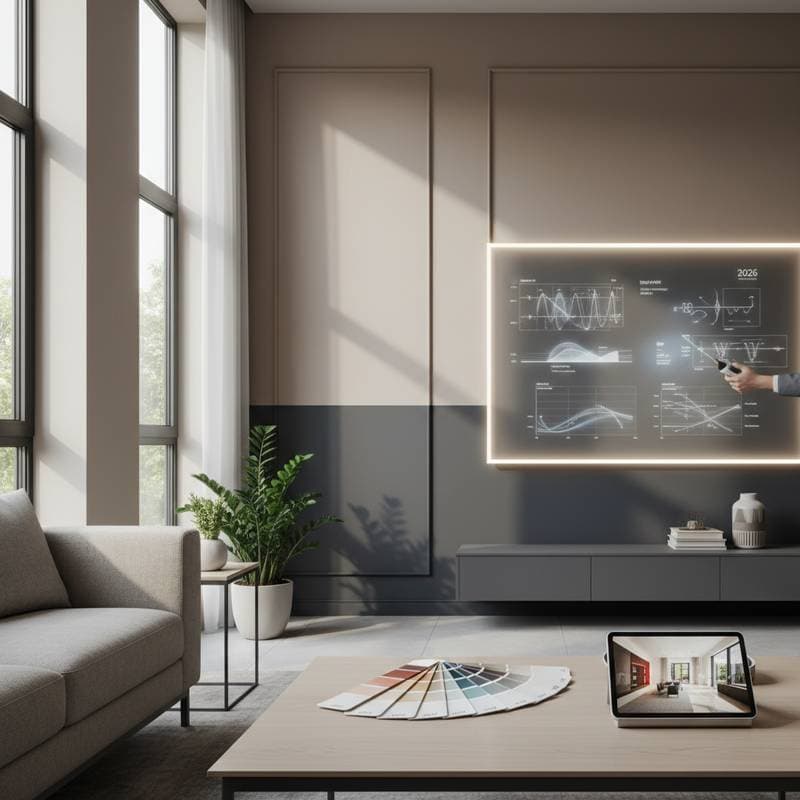
Paints with low LRV serve as deliberate accents rather than dominant features. Apply them to focal walls or furnishings for dimension, while surrounding areas remain light. For example, a wall in charcoal (LRV 10 to 15) against neutral backdrops adds elegance without overwhelming the space.
3. Exterior Focus on Efficiency and Durability
LRV guides exterior choices to balance visual appeal with performance. Lighter shades minimize solar heat gain, aiding cooling efforts in summer. Darker options, while striking, accelerate wear on materials exposed to intense sun. Opt for mid-tones (LRV 40 to 60) to combine style, heat resistance, and longevity.
4. Alignment with Advanced Lighting
Advancements in LED systems prompt pairings of paint with light sources. High LRV colors may appear clinical under cool tones, whereas low LRV shades can dull in warm settings. Professionals create test panels exposed to multiple conditions, ensuring colors retain vibrancy across daily cycles.
Project Cost Breakdown
LRV considerations influence project planning, preparation, and application layers, though they do not directly raise paint prices.
Average Cost Ranges
- Basic repaint: $2,000 to $3,500
- Standard repaint with color correction or primer adjustment: $3,800 to $6,000
- Premium repaint with lighting assessment and sample testing: $6,500 to $9,500
What's Included
- Labor and surface preparation
- Priming for color consistency
- Two finish coats of quality interior or exterior paint
- Cleanup and minor touch-ups
What Costs Extra
- Multiple color samples for LRV testing: $100 to $300
- Specialty finishes or high-durability paints: $25 to $50 per gallon
- Detailed trim or accent wall work: adds $1 to $2 per square foot
Factors That Affect Final Cost
| Factor | Cost Impact | Examples |
|---|---|---|
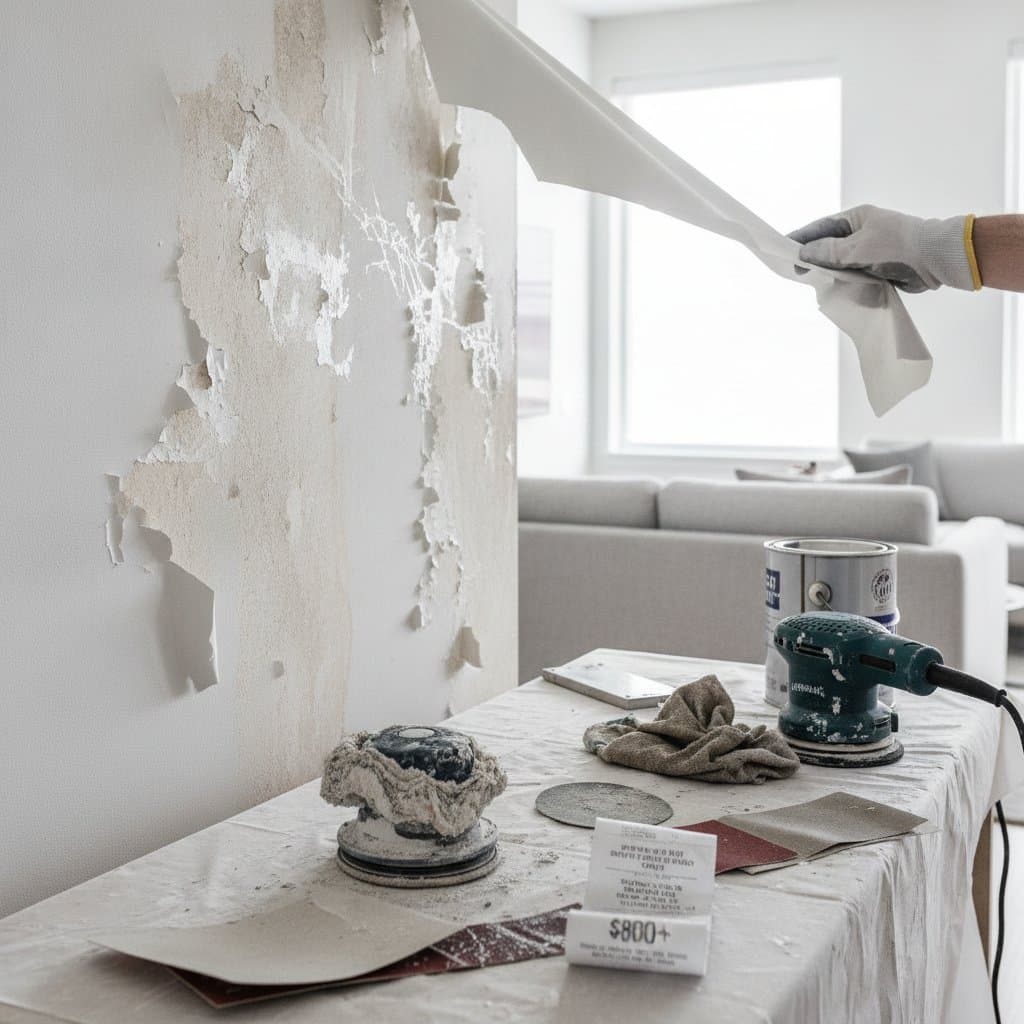
| Surface condition | Moderate | Repairs, patching, sanding |
| Paint quality | High | Premium paints with better pigment and LRV accuracy |
| Lighting evaluation | Low to moderate | Installing sample boards under various lights |
| Color intensity | Moderate | Darker colors often require more coats |
How Professionals Use LRV in Planning
Experts start projects by evaluating natural and artificial light sources in a space. They select hues that sustain equilibrium across time periods. North-facing rooms, with their cooler light, pair well with warm tones above LRV 60 to counteract chill. South-facing areas benefit from lower LRV values to temper intense sunlight.
LRV also informs coverage estimates. Reflective high LRV paints achieve uniformity in fewer applications, whereas absorbent low LRV ones demand extra layers to eliminate inconsistencies. This foresight refines schedules and expenditures.
Timeline Expectations
Standard interior repaints span three to seven days, scaled to project scope. Initial preparation, including cleaning, sanding, and priming, occupies one to two days. Application of coats follows over two to three days, with inspection and refinements concluding the work.
Exterior efforts extend due to environmental factors and textures. Properties with intricate details or varied colors may require a full week. Incorporating LRV evaluations adds one to two days for testing and decisions.
Professional vs. DIY Guidance
While painting seems straightforward, precision demands skill and insight. LRV introduces complexities, as light, primers, and surfaces alter outcomes.
DIY suits minor tasks in compact areas, provided preparation and maintenance fall within comfort levels. However, projects with varied LRV demand professional intervention for reliability.
Professionals excel in light analysis, primer matching, and seamless execution. They navigate shifts between LRV extremes to prevent mismatches or irregularities.
Contractor Selection and Preparation
Select contractors based on expertise in LRV-light interactions, not solely bids. Pose these questions:
- How do you assess lighting prior to color recommendations?
- Do you employ sample boards or digital simulations for LRV evaluation?
- How do you achieve uniform coverage across LRV ranges?
- What primers suit my intended colors?
Estimates must detail preparation, materials, and post-work care. Confirm credentials and coverage. Reputable providers share references and facilitate on-site sample reviews.
Planning Your Project
Effective preparation ensures optimal results. Relocate furnishings and shield floors. Scrub surfaces to eliminate residues that hinder bonding. Test substantial swatches on several walls, noting appearances at morning, noon, and night to capture LRV variations.
Post-selection, arrange for airflow and allow drying intervals. Sequence multiple finishes carefully. Low LRV paints cure more gradually in moisture-rich settings.
Achieving Optimal Results
LRV-informed selections extend past visuals to encompass utility and sensation. Elevated values amplify space and efficiency; subdued ones ground and intimate. Layering contrasts builds layered interest.
Consult experts for mockups or trials to sidestep revisions. Integrating LRV equips homeowners to curate enduring, responsive environments.
Frequently Asked Questions
1. What factors influence paint costs when considering LRV?
Costs hinge on preparation, coat quantity, and material grade. High LRV options may necessitate specialized primers for balance, incurring minor fees. Low LRV shades often require additional layers for opacity. Each coat typically adds $0.80 to $1.50 per square foot in combined labor and supplies.
2. How long does an LRV-focused painting project take?
Interior repaints generally require three to seven days. LRV assessments may prolong timelines by one to two days. Exteriors demand more time for curing and weather. Flexible planning supports precise matching and quality.
3. When should homeowners hire professionals instead of painting themselves?
Engage experts for multi-color LRV projects, structural fixes, or light harmony needs. They manage priming, techniques, and safeguards superiorly. DIY fits uniform, simple spaces, but intricate work thrives under professional care.
4. How can homeowners choose the right contractor for an LRV-sensitive project?
Request references from similar endeavors. Ensure familiarity with premium brands and LRV adaptations in primers and finishes. Dependable choices supply samples, detail light influences, and furnish comprehensive estimates.
5. What should homeowners expect during an LRV paint project?
Initiate with cleaning and mending, then primer tailored to hues. Apply approval samples next. Proceed to two finish coats upon confirmation. Post-drying inspection verifies uniformity, followed by cleanup.
6. What are common issues when LRV is ignored in color decisions?
Neglect yields imbalanced illumination, constricted spaces, or mismatched tones under lights. Exteriors may suffer inefficiency from heat buildup. Pre-painting tests under real conditions avert these, fostering equilibrium.