Venetian Plaster: A $15 per Square Foot Alternative to Drywall
Venetian plaster captures the interest of homeowners seeking refined wall treatments that surpass standard finishes. This technique produces surfaces with depth, subtle texture, and light-reflecting qualities unmatched by basic drywall. Priced at approximately $15 per square foot, it represents a premium option that enhances interior sophistication and longevity. Homeowners benefit from grasping the application process and its advantages over conventional drywall or paint.
Understanding Venetian Plaster
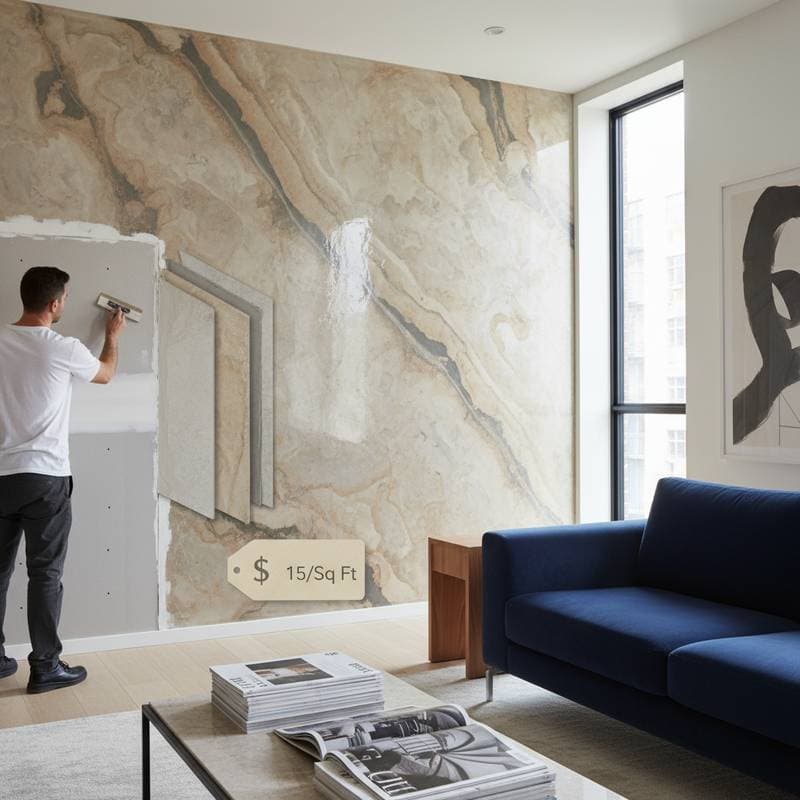
Venetian plaster consists of lime putty combined with marble dust. Proper application yields a smooth, stone-like appearance with nuanced tones and sheen levels from satin to high polish achieved through burnishing. Unlike paint or mere coatings, it forms a multi-layered bond to the wall substrate and cures into a durable, stone-resembling material.
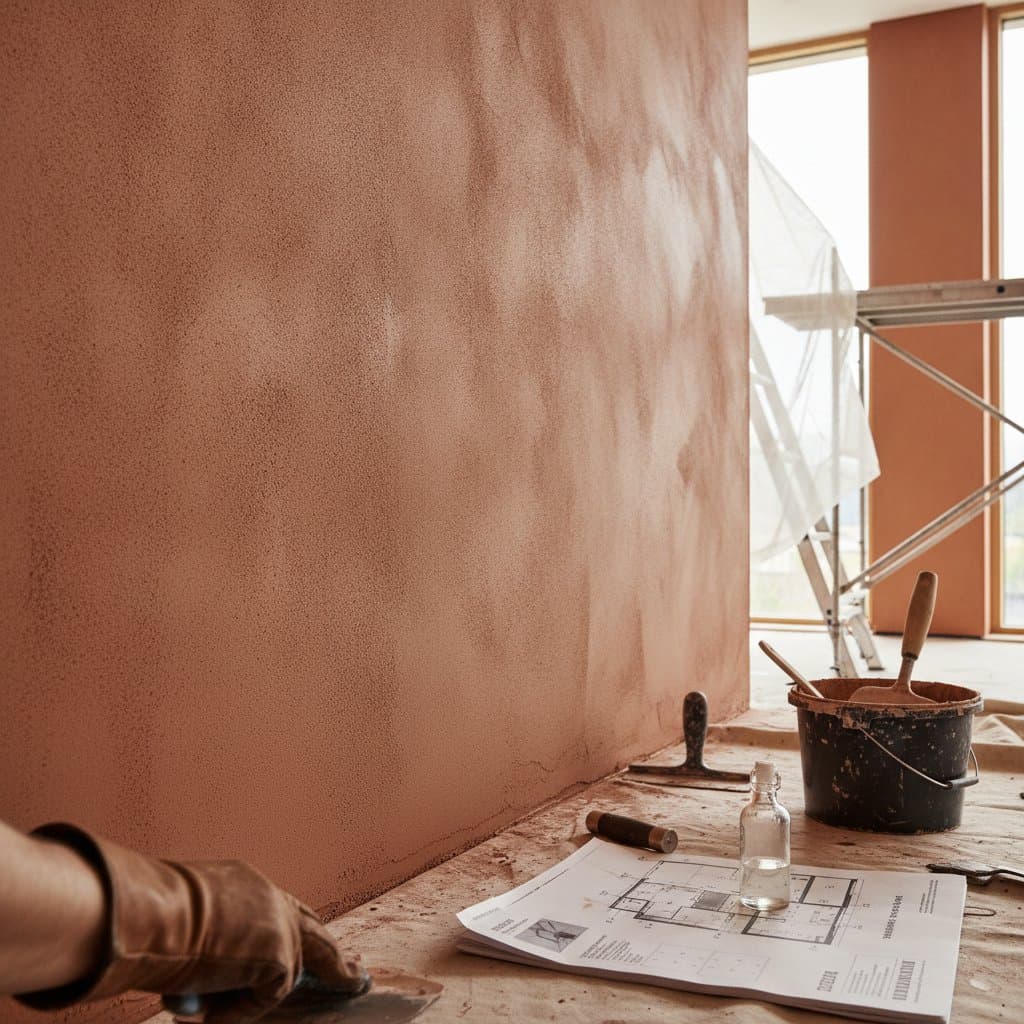
Preparation starts with ensuring walls remain clean, dry, and smooth. Apply a primer or bonding agent for secure adhesion. Trowel on thin layers of plaster, allowing each to dry before adding the next. Burnish the final layer with a steel trowel for gloss, and consider a wax or sealer for moisture protection.
Breaking Down Project Costs
Cost Ranges
- Basic applications: $12 to $14 per square foot
- Standard applications: $15 to $18 per square foot
- Premium applications: $20 to $25 per square foot
Included Elements
- Labor for layered application by skilled professionals
- Quality Venetian plaster materials
- Preparation, priming, burnishing, and polishing
- Basic sealing and site cleanup
Additional Expenses
- Metallic or tinted specialty effects
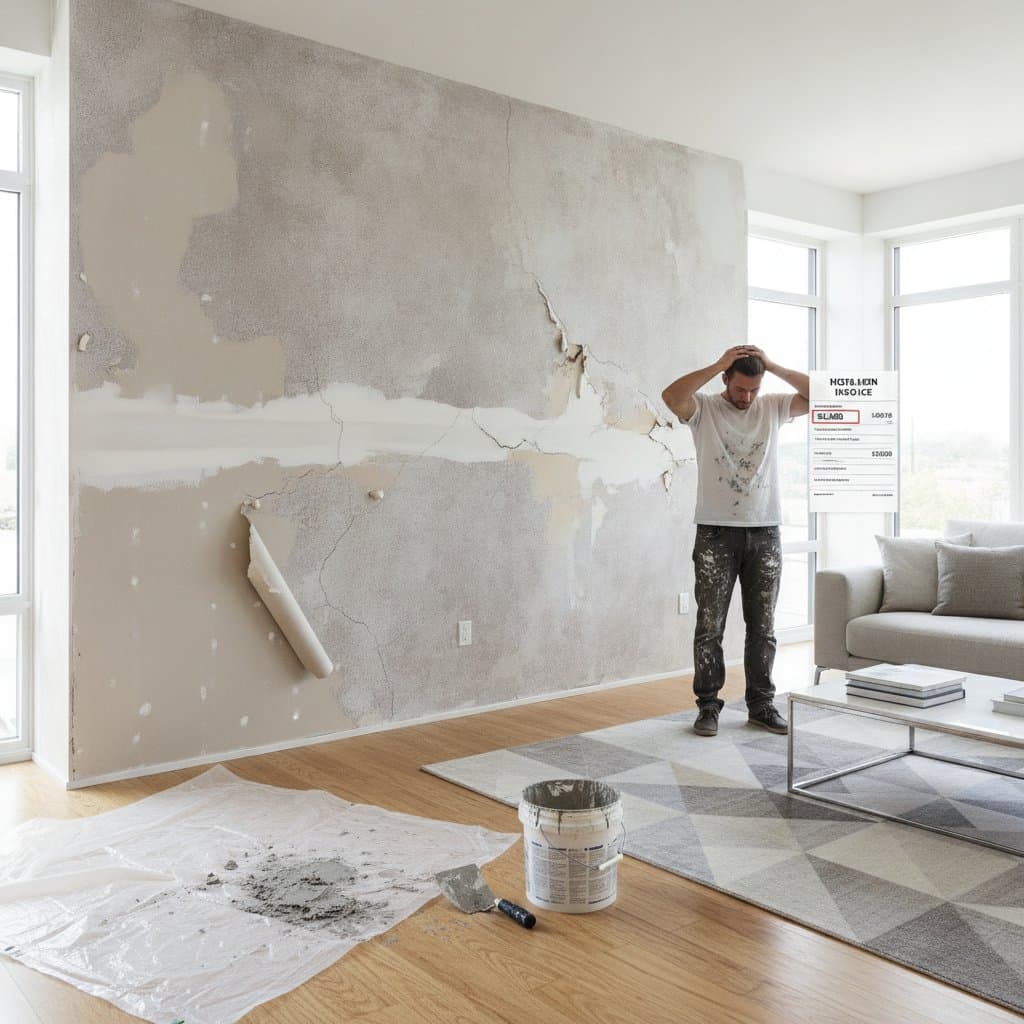
- Repairs to flawed drywall surfaces
- Enhanced topcoats for humid environments
- Custom color matching or patterned designs
Influencing Factors
| Factor | Impact on Cost | Examples |
|---|---|---|
| Wall dimensions | Extends labor duration | High ceilings or large areas |
| Existing surface | Boosts preparation needs | Cracks or irregularities |
| Finish complexity | Increases coat count | Matte versus polished gloss |
| Material selection | Adjusts material expense | Pure lime versus synthetics |
| Location | Affects labor rates | City versus countryside |
The elevated price stems from intensive labor and superior materials. Precision in layering and curing demands expertise, resulting in a lasting decorative element at $15 per square foot.
Reasons Homeowners Select Venetian Plaster
This finish attracts those desiring more than standard paint or texture. Key benefits encompass timeless aesthetics through soft light reflection and added warmth; exceptional durability against cracks over decades; minimal upkeep with buffable minor imperfections; breathable natural composition that manages humidity; and versatile customization in color, depth, and luster.
Such attributes suit upscale interiors, accent walls, or ceilings. The upfront expense aligns with enduring appeal for quality-oriented spaces.
Comparing Venetian Plaster to Drywall
Expense Analysis
Drywall finishing and painting range from $2 to $5 per square foot. Venetian plaster begins at $12 per square foot, ascending to $25 for elaborate versions. The premium reflects extended skilled labor and artistic execution versus drywall's simpler process.
Visual and Tactile Qualities
Drywall offers a flat base for paint. Venetian plaster introduces inherent depth and dynamic shifts with light and viewing angle, creating a smooth yet multidimensional effect.
Longevity and Care
Painted drywall prone to chipping or staining requires periodic renewal. Venetian plaster withstands everyday wear, cleans easily with a damp cloth, and allows spot burnishing over full repaints.
Indoor Environment Advantages
Lime plaster absorbs carbon dioxide while curing and promotes air circulation to prevent mold. This contrasts with synthetic paints that may seal in moisture, causing issues in damp areas.
Project Timeline Overview
The process exceeds painting due to interlayer drying. Professionals typically adhere to:
- Preparation and priming: One day
- Initial coats: Two to three days
- Final application and burnishing: One to two days
- Curing and sealing: One day
Compact rooms finish in a week; expansive or intricate projects extend to two weeks. Ambient conditions like humidity affect drying, necessitating schedule adjustments.
Professional Installation Versus DIY
Required Expertise
Achieving uniform layers, texture consistency, and polish demands training. DIY options yield inconsistent outcomes, such as visible trowel marks or uneven sheen.
Effort and Duration
Novices invest multiple weekends on modest areas, while experts finish faster with superior results. Precision-focused homeowners favor professionals for optimal aesthetics.
Essential Tools
Specialized trowels, burnishers, and mixers elevate expenses, diminishing DIY savings.
Handling Precautions
Alkaline lime irritates skin and eyes; use protective equipment. Trained applicators manage these risks effectively.
Financial Evaluation
Error corrections inflate DIY costs. Expert work guarantees adhesion, evenness, and decades of performance.
Selecting a Contractor
A capable specialist ensures exceptional results. Follow these steps:
- Identify Venetian plaster experts in service listings.
- Confirm licensing, insurance, and certifications.
- Examine samples and project images for quality.
- Secure itemized quotes covering materials, coats, and finishes.
- Consult reviews and references on reliability.
- Scrutinize contracts for payments, warranties, and duties.
Experts clarify procedures, timelines, and material choices tailored to your home.
Project Preparation Steps
Facilitate efficiency by relocating furnishings, shielding floors, verifying samples under varied lighting, coordinating access, ensuring airflow, and obtaining care guidelines.
Post-installation, permit full curing before adding decor. Routine maintenance sustains the finish's allure.
Care for Venetian Plaster Surfaces
This material requires light attention: dust softly and wash with mild soap solution. Steer clear of abrasives or strong cleaners. Renew with natural wax periodically to bolster protection and gloss, particularly in moist zones.
Buff minor scratches dry; address major flaws professionally. Overall, it demands less effort than repainting traditional walls.
Advancing Your Venetian Plaster Initiative
Outline objectives, such as targeting accent walls or full rooms, and collect inspirations for hues and effects. Solicit three quotes evaluating costs, materials, and skills. Address durability and upkeep with providers to match your needs.
As a robust upgrade, Venetian plaster endures beyond drywall, delivering profound visual and sensory value through expert application.
Common Questions
What Determines Venetian Plaster Expenses?
Surface state, area size, finish variety, and material authenticity drive costs. Pure lime exceeds synthetics; intricate polishes demand more time and layers.
How Long Does Installation Take?
Standard rooms require one week for all phases. Expansive or detailed work may span two weeks, influenced by scale and conditions.
Is DIY Feasible?
Experienced individuals might tackle small sections, but skill gaps often produce flaws. Professionals deliver uniform, high-caliber outcomes.
How to Find a Reliable Applicator?
Seek specialists, request samples and portfolios, verify credentials, and obtain comprehensive estimates specifying components.
What Occurs During Application?
Stages include prep, priming, layering with dries, burnishing, and sealing. Measures control dust; curing pauses extend the timeline.
How to Preserve the Finish?
Use gentle cleaning methods and periodic waxing. Repairs target spots without wholesale redo.