Why Venetian Plaster's Higher Upfront Cost Delivers Superior Long-Term Value Over Drywall
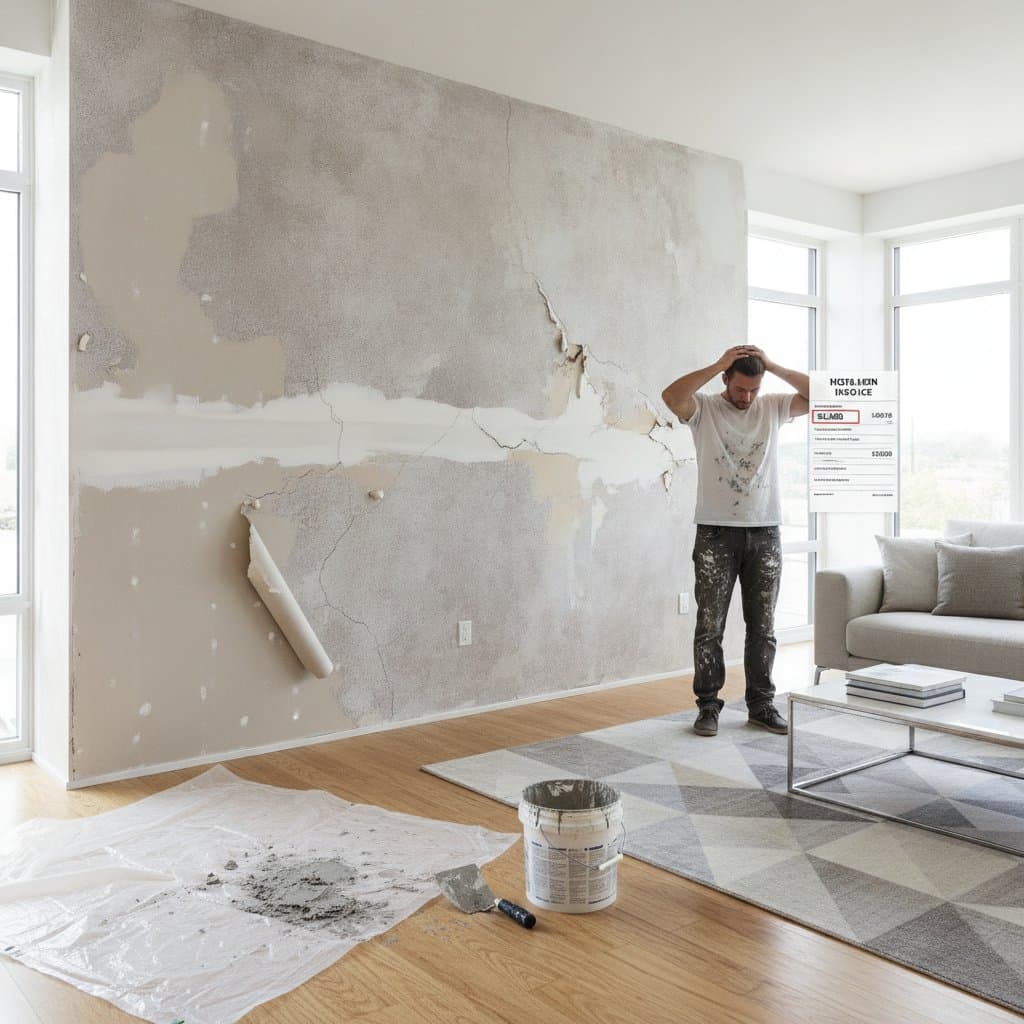
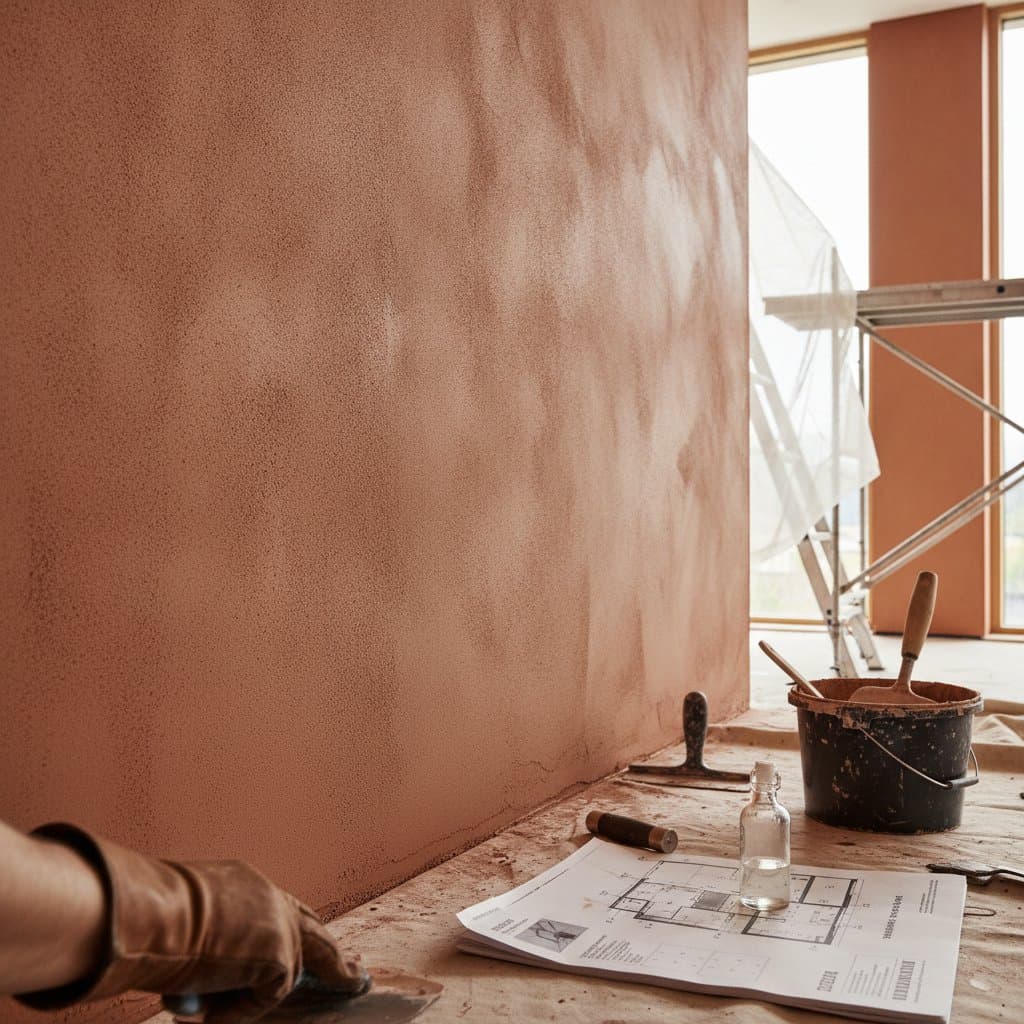
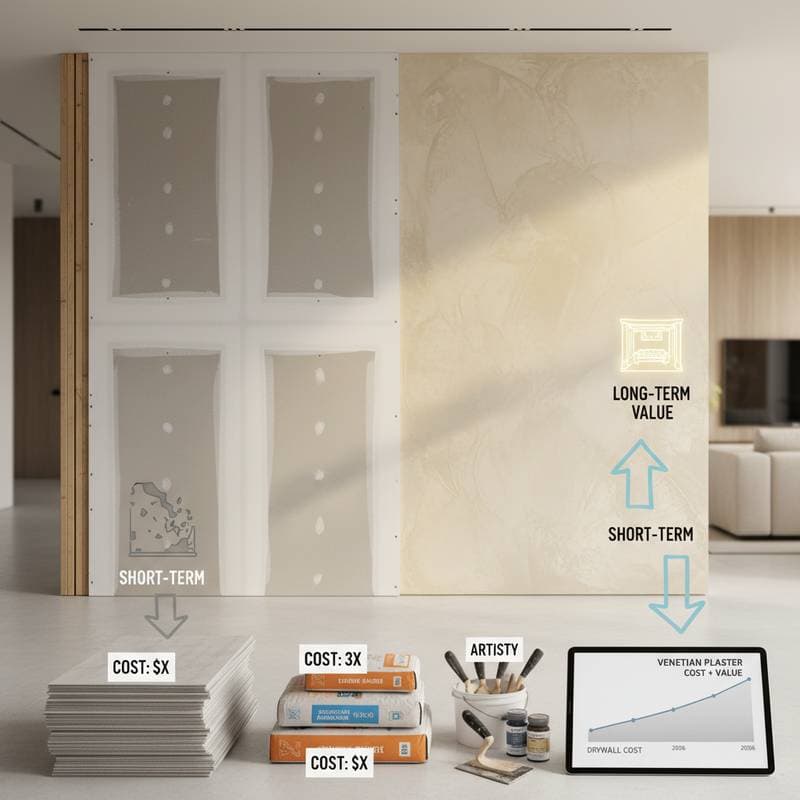
Venetian plaster stands out as a premium wall finish, celebrated for its rich texture, subtle depth, and enduring charm. Homeowners often pause at the revelation that Venetian plaster expenses can reach three times those of drywall installation. This elevated price stems from meticulous craftsmanship, extended lifespan, and striking visual effects that transform ordinary spaces into elegant retreats.
A thorough examination of costs reveals why Venetian plaster proves a prudent choice. It surpasses standard drywall in resilience and low maintenance needs. Over time, these qualities translate into financial savings and heightened property appeal.
Venetian Plaster vs. Drywall Cost Overview
Venetian plaster installation generally falls between $10 and $25 per square foot. In contrast, drywall finishing typically ranges from $3 to $8 per square foot. Professionals charge about $15 per square foot for Venetian plaster, covering preparation, layered application, and final polishing.
The initial outlay appears steep. However, the finish withstands wear far better than drywall, which requires frequent touch-ups. This disparity underscores Venetian plaster's role as a durable investment.
Average Cost Ranges by Room Size
Costs vary with room dimensions, influencing total project expenses.
- Small room (up to 150 square feet): $1,500 to $3,000
- Medium room (150 to 300 square feet): $3,000 to $6,000
- Large room (300 to 500 square feet): $6,000 to $12,000
Drywall equivalents for these areas average $600 to $2,500. Maintenance and repainting for drywall accumulate over years, diminishing its apparent affordability. Venetian plaster avoids such recurring demands.
Cost Breakdown per Square Foot
Several elements contribute to Venetian plaster pricing, distinguishing it from basic drywall work.
- Materials: $4 to $10 per square foot
- Labor: $5 to $12 per square foot
- Preparation and priming: $1 to $3 per square foot
- Polishing and sealing: $2 to $6 per square foot
These components yield a multifaceted surface that combines artistry with practicality. Drywall offers a flat, uniform look that lacks comparable sophistication.
Factors Affecting Venetian Plaster Costs
The composition of materials plays a pivotal role in determining expenses. Genuine Venetian plaster incorporates lime, marble dust, and natural pigments, forming a breathable, long-lasting coating. Synthetic versions reduce costs but compromise on texture and environmental resistance.
Application demands precision, with multiple layers applied by hand using trowels. Skilled workers invest significant time, elevating labor fees while achieving light-reflective qualities unique to this finish.
Finish variations influence pricing as well. Matte options remain more economical, whereas glossy or metallic results necessitate extra polishing stages. Wall preparation proves crucial; flawed surfaces extend labor time, whereas primed walls streamline the process.
Location affects rates too. Urban markets command higher fees due to artisan scarcity, while rural settings provide competitive pricing.
Detailed Cost Analysis by Finish Level| Finish Type| Basic Range | Standard Range | Premium Range | Key Differences|
|-------------------|-------------|----------------|---------------|------------------------------------------|
| Lime-based plaster| $8 - $14| $15 - $20| $21 - $25| Natural pigments, enhanced depth, superior moisture resistance |
| Synthetic mix| $6 - $10| $11 - $16| $17 - $20| Simplified application, reduced natural texture |
| Polished effect| $12 - $16| $17 - $22| $23 - $27| Reflective sheen, intensive polishing processes |
This table illustrates how choices in finish type align with budget and desired outcomes. Select based on room function and aesthetic goals.
Value and Long-Term Benefits
Venetian plaster excels in durability, resisting cracks, fading, and moisture better than drywall. Its mineral composition allows walls to breathe, preventing mold in humid environments. Homeowners enjoy a finish that retains vibrancy for 50 years or more with minimal intervention.
Aesthetically, it imparts a sense of luxury and historical authenticity, boosting interior design appeal. Properties featuring Venetian plaster often command higher resale values, as buyers appreciate the premium quality. Unlike drywall, which demands repainting every 5 to 10 years, Venetian plaster requires only occasional dusting or resealing.
Financially, the upfront premium yields returns through reduced upkeep costs. Calculate lifetime expenses: drywall might incur $1,000 in repaints over a decade, while Venetian plaster avoids such outlays. This makes it ideal for forward-thinking renovations in 2026.
Money-Saving Strategies
Implement targeted approaches to manage Venetian plaster expenses effectively.
- Apply to feature walls only, such as a living room accent, to highlight drama while conserving materials.
- Opt for standard finishes that deliver elegance without premium add-ons like metallic sheens.
- Handle initial wall cleaning and minor repairs personally to cut preparation fees.
- Time projects for off-peak seasons, like winter, when contractors discount services.
- Pair with cost-effective alternatives, using Venetian plaster in high-traffic areas and drywall elsewhere.
These tactics preserve quality while aligning with financial constraints. Consult professionals early to refine plans.
Planning Your Budget
Establish a realistic budget by assessing room sizes and desired finishes first. Factor in a 10 to 15 percent contingency for unforeseen issues like wall repairs. Obtain multiple quotes from certified applicators to compare rates and expertise.
Break down allocations: 40 percent for materials, 50 percent for labor, and 10 percent for preparation. Track expenses with a simple spreadsheet, noting each phase. This methodical approach ensures projects stay on track and deliver expected results.
Frequently Asked Questions
What is the average cost of Venetian plaster compared to drywall?
Venetian plaster ranges from $10 to $25 per square foot, whereas drywall finishing costs $3 to $8 per square foot. These figures account for material quality, skilled labor, and lasting performance.
What factors most affect Venetian plaster pricing?
Primary influences include material authenticity, surface preparation needs, finish intricacy, and local labor markets. Premium lime-based options and complex applications drive higher costs due to required expertise.
Can Venetian plaster be applied over existing drywall?
Professionals routinely install Venetian plaster over prepared drywall. Ensure the surface remains clean, level, and primed to promote strong adhesion and optimal results.
How can homeowners reduce costs without losing quality?
Focus on accent walls, select balanced material grades, and perform basic prep work. These steps maintain the finish's integrity while trimming overall expenditures.
Is Venetian plaster suitable for humid areas like bathrooms?
Proper sealing renders Venetian plaster resistant to moisture and mold, suiting it for bathrooms and kitchens effectively.
How often does Venetian plaster need maintenance?
It demands little care; periodic cleaning or resealing sustains its appearance for decades. This contrasts with drywall's regular repainting requirements.
Embracing Enduring Wall Solutions
Choosing Venetian plaster over drywall invests in a home that endures and impresses. Its blend of artistry and functionality aligns with modern demands for sustainable, stylish interiors. Proceed with confidence, knowing this upgrade enhances both daily living and future marketability.