The Rise of Safer TSP Alternatives: 67% Adoption Rate
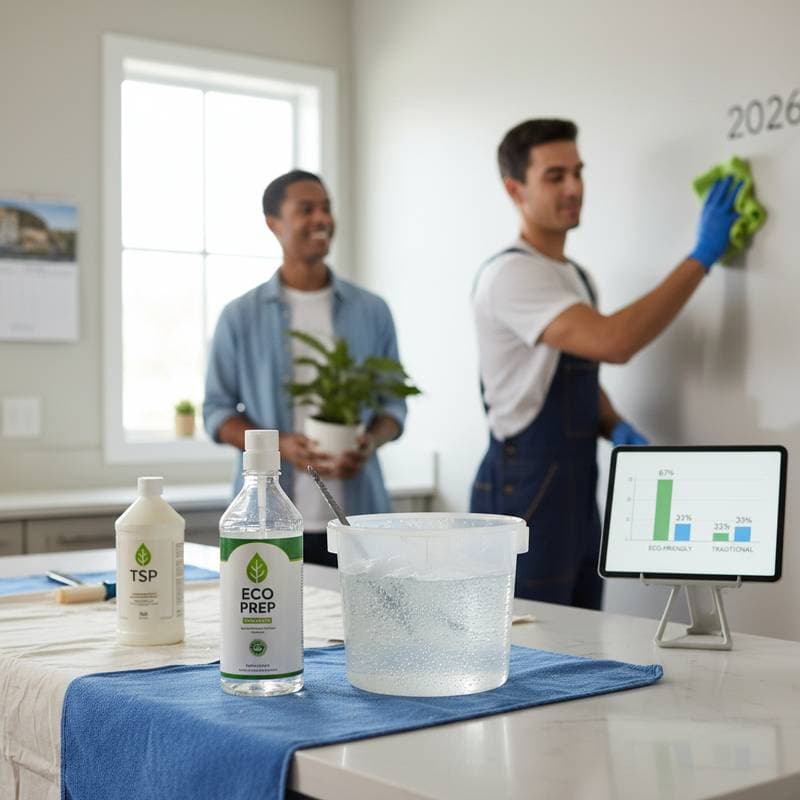
Painters increasingly recognize the health and environmental hazards associated with traditional cleaning agents. Trisodium phosphate, or TSP, once the standard for surface preparation, faces replacement by safer, eco-friendly options. Recent reports indicate that 67% of painters have adopted these substitutes, which provide effective cleaning without the severe side effects of phosphate-based formulas.
This shift influences the initial stages of painting projects. Proper surface preparation forms the base for durable finishes, and the choice of materials affects both worker safety and project outcomes. By examining the costs, advantages, and practical distinctions between TSP and its alternatives, painters can select options that safeguard health, performance, and sustainability.
Cost Overview of TSP Alternatives
The expense of transitioning from TSP to a safer alternative varies by project scale and product choice. Eco-friendly cleaners typically cost $10 to $30 per gallon, compared to $5 to $10 per pound for TSP. While TSP seems more affordable initially, overall expenses rise when accounting for protective equipment, neutralization steps, and safety protocols.
Average Cost Ranges by Project Size
- Small prep project (bathroom or kitchen walls): $15 to $35
- Medium prep project (two to three rooms): $40 to $75
- Large prep project (entire home interior): $80 to $150
Cost Breakdown per Square Foot
Using safer TSP alternatives averages $0.08 to $0.20 per square foot, covering:
- Materials: $0.04 to $0.10 per square foot
- Labor: $0.03 to $0.08 per square foot
- Preparation and cleanup: $0.01 to $0.02 per square foot
The per-square-foot difference versus TSP remains small, but the enhanced safety and longevity justify the change.
Factors Affecting the Cost of TSP Alternatives
Multiple elements determine the total cost of safer cleaning products in painting prep. Grasping these allows painters to budget effectively.
Product Composition: Eco-friendly formulas often incorporate biodegradable surfactants and citrus-derived solvents. These components exceed phosphates in price but lessen environmental harm and simplify rinsing.
Surface Type: Areas with glossy paint, kitchen grease, or smoke residue demand robust solutions or repeated applications, elevating material needs.
Labor Requirements: Less corrosive products may require extended contact times. This can increase labor slightly through added scrubbing or effort.
Project Scope: Extensive jobs gain from volume discounts and streamlined processes, whereas small tasks incur higher per-square-foot rates from setup and disposal.
Regional Pricing: Availability and transport fees vary by location. Regions with strict eco-regulations frequently offer better deals on phosphate-free items.
Detailed Cost Analysis by Cleaner Category
| Cleaner Type | Basic Range | Standard Range | Premium Range | Key Differences |
|---|---|---|---|---|
| Phosphate-based TSP | $5 - $10 | $10 - $15 | $15 - $20 | Strong cleaning but demands thorough rinsing and full protective gear |
| Phosphate-free TSP substitute | $10 - $25 | $25 - $35 | $35 - $45 | Skin- and lung-friendly, low residue, eco-safe |
| Citrus-based degreaser | $12 - $30 | $30 - $40 | $40 - $50 | Natural grease-cutting, perfect for oily surfaces |
| Enzyme-based cleaner | $15 - $35 | $35 - $45 | $45 - $55 | Targets organic buildup, ideal for homes with children or pets |
Phosphate-free substitutes rival TSP in efficacy with superior safety profiles. Citrus and enzyme cleaners address niche challenges, fitting diverse project demands.
Value and Long-Term Benefits
Safer TSP alternatives deliver benefits that surpass short-term project needs. They limit chemical exposure, curb phosphate pollution in water systems, and cut reliance on gear. With reduced residue, these cleaners enhance paint bonding, prolonging finish durability and spacing out repaints.
The modest initial investment often yields savings over time. Residue-induced paint issues trigger expensive fixes. Surfaces prepped with safer agents ensure even adhesion and flawless results, minimizing future labor and material outlays.
Money-Saving Strategies for Eco-Friendly Surface Preparation
Painters can manage expenses with healthier choices through targeted approaches:
- Buy in Concentrate Form: Dilutable concentrates lower the effective cost per use.
- Pre-Clean Heavily Soiled Areas: Initial removal of loose debris or grime cuts cleaner volume.
- Follow Dilution Instructions Carefully: Proper ratios prevent waste and maintain efficacy.
- Use Microfiber Cloths or Pads: These tools boost efficiency, requiring less product for optimal results.
- Schedule During Off-Peak Seasons: Lower demand periods often mean discounted labor rates.
Planning Your Budget
Effective budgeting starts with assessing project specifics, such as surface area and condition. Allocate 10% to 15% of total painting costs to preparation materials and labor. Factor in potential savings from bulk purchases or multi-project efficiencies. Track expenses with simple spreadsheets to compare options and refine future estimates, ensuring projects stay on track without surprises.
Frequently Asked Questions
What Drives the Shift Toward Safer TSP Alternatives?
Heightened awareness of health risks and environmental damage fuels this trend. Regulatory limits on phosphates in various areas, combined with preferences for family- and pet-safe products, promote alternatives that match cleaning strength.
Are TSP Alternatives as Effective as Traditional TSP?
Modern substitutes handle painted walls, trim, and exteriors comparably. They eliminate dirt, oils, and mold while avoiding residues that hinder paint grip.
How Can Costs Be Reduced with Eco-Friendly Cleaners?
Select concentrates, purchase in quantity, and pre-treat surfaces to minimize usage. All-purpose formulas that combine degreasing and deglossing streamline steps and cut material needs.
Should Phosphate-Free Cleaners Replace TSP in Every Project?
For residential work, phosphate-free or enzyme options provide ample power and safety gains. Reserve TSP for industrial sites or extreme contamination, paired with rigorous protections.
Do Safer Cleaners Require Special Disposal?
Biodegradable by design, most rinse safely with water. Consult product labels for guidance, particularly on oil- or mold-affected areas.
When Is the Best Time to Prepare Surfaces for Painting?
Opt for moderate, dry weather. Steer clear of humid or extreme conditions to allow full drying before painting. Early scheduling accommodates cleaning, patching, and priming phases.