Why Skipping Moisture Tests Leads to $800 in Paint Repairs
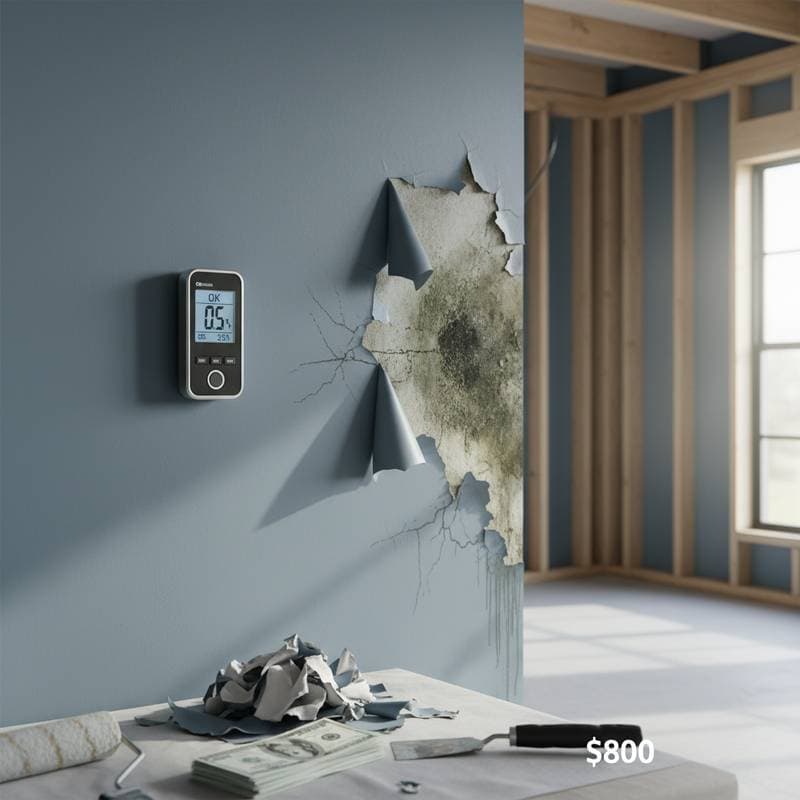
Homeowners often focus on sanding, cleaning, and priming when preparing for an interior or exterior painting project. However, moisture testing receives far less attention. This oversight allows hidden water within surfaces to undermine even the highest-quality paint application. Peeling, bubbling, and mildew soon emerge, forcing repairs and repainting that total $800 or more.
Moisture testing reveals these issues early and safeguards the investment. Professional painters prioritize this step to ensure long-lasting results. Homeowners who understand its value avoid expensive surprises.
Understanding Moisture Testing and Its Value
Moisture testing involves using a calibrated meter to measure water content in surfaces like walls, wood, or concrete. Professionals probe multiple spots to detect damp zones that visual inspections miss. They document findings and provide recommendations, such as drying time or sealing methods.
This process costs $50 to $120 for a basic test, or $150 to $300 for a full evaluation. In contrast, addressing moisture-related failures demands $600 to $1,000 in labor and materials. The table below outlines key cost factors.
| Factor | Cost Impact | Examples |
|---|---|---|
| Surface type | Moderate | Concrete and stucco need deeper probes |
| Humidity levels | High | Indoor humidity alters readings significantly |
| Prior water damage | Significant | Leaks require repairs before painting |
| Paint type | Moderate | Non-breathable paints trap moisture |
Skipping the test saves $100 to $200 initially but multiplies expenses later.
Situations That Require Moisture Testing
Certain areas pose greater risks for moisture buildup. Testing proves essential in these scenarios to prevent paint adhesion problems.
High-Risk Areas
- Basements and lower levels adjacent to concrete or masonry walls.
- Bathrooms and kitchens exposed to steam and high humidity.
- Exterior siding subject to rain or sprinkler water.
- Newly constructed surfaces where materials continue to dry.
- Repaired zones with a history of water intrusion.
In these conditions, even minor dampness triggers failures. Early detection allows targeted fixes, such as improved ventilation or sealants, before painting proceeds.
The Financial Impact of Moisture-Related Paint Failures
When moisture causes paint to fail, direct costs accumulate quickly. Scraping and sanding affected areas requires $150 to $250 in labor. New primer and paint add $100 to $200, while drying equipment or dehumidifiers cost $50 to $150. Mold remediation pushes totals to $150 to $400.
These expenses often exceed $800 combined. If damage affects underlying structures like drywall or wood, costs escalate further. Indirect burdens include project delays spanning days and ongoing frustration from disrupted routines.
Surfaces repaired after failure may never perform as reliably. Moisture testing eliminates these risks with minimal upfront effort.
Common Pitfalls in DIY Painting Projects
Amateur painters frequently bypass moisture testing to expedite work. A surface appears dry to the touch, yet internal dampness persists in drywall or wood. Failures manifest as bubbling basement walls weeks after application, peeling exterior trim following rain, or discolored bathroom ceilings from vapor.
These issues double the effort and expense of corrections. Professionals recommend meters for DIYers tackling high-risk areas. Relying on sight or feel alone invites repeated problems.
Steps to Minimize Moisture Before Painting
Homeowners can implement measures to lower moisture levels proactively. These actions complement testing and enhance paint durability.
Key Prevention Strategies
- Maintain indoor humidity below 50 percent with exhaust fans or dehumidifiers.
- Address leaks in roofs, pipes, or windows without delay.
- Permit new drywall or wood to cure for at least 30 days post-installation.
- Apply sealants to cracks in concrete or stucco exteriors.
- Select paints formulated to allow vapor transmission in humid spaces.
Despite these efforts, residual moisture from recent weather or cleaning warrants verification. Testing confirms readiness and avoids hidden threats.
Selecting a Reliable Painting Professional
Engage contractors who demonstrate commitment to thorough preparation. Seek licensed and insured experts with documented success in moisture-prone projects.
Essential Qualities
- Transparent pricing that incorporates testing fees.
- Client references confirming paint longevity over years.
- Contracts specifying inspection protocols and tools used.
Request details on their moisture detection methods during consultations. A professional who views testing as non-negotiable delivers superior outcomes.
Final Steps for a Successful Painting Project
Initiate planning by discussing preparation routines with potential contractors. Insist on moisture testing within the quoted services. Dismiss any provider who downplays its importance, as this signals potential shortcuts.
By integrating testing, homeowners secure vibrant, enduring finishes. This approach protects budgets and preserves home aesthetics for seasons to come.
Frequently Asked Questions
How much does professional moisture testing cost?
Professional evaluations typically range from $150 to $300, based on surface count. This covers specialized equipment, multiple readings, and a detailed report. Given repair costs of $800 or higher for failures, the expense justifies itself.
How long must a surface dry after detecting moisture?
Drying duration varies by material and conditions. Masonry might require several days of low humidity, whereas wood or drywall responds faster. Professionals retest with meters to verify safe levels before applying paint.
Is testing necessary for all interior walls?
Interior walls harbor moisture from condensation, leaks, or humidity, particularly in bathrooms, basements, and kitchens. Testing ensures paint does not seal in dampness, which leads to bubbling or mold growth.
Can a surface feel dry but still hold too much moisture?
Touch tests deceive because internal water remains undetected. Meters penetrate materials for precise measurements. Visual checks alone fail to prevent adhesion issues.
What actions follow if paint bubbles after application?
Halt further work and pinpoint the moisture origin. Employ a meter or consult a professional for assessment. Strip failed paint, dry thoroughly, remedy the source, and repaint only after confirmation.
How to identify painters who prioritize moisture testing?
Inquire about preparation procedures and tools during interviews. Favor those who detail metering techniques and result documentation. Such emphasis correlates with durable, problem-free results.