Why Biophilic Colors Propel the 2026 Home Sales Surge
Homebuyers increasingly favor interiors that evoke a connection to nature. Tones like soft greens, earthy browns, ocean blues, and subtle neutrals reshape the aesthetic and atmosphere of living spaces. These biophilic colors, drawn from natural surroundings, extend beyond mere trends; they enhance real estate attractiveness, accelerate sales, and elevate property values. Homeowners who grasp the significance of these colors, their effective implementation, and associated expenses can undertake painting initiatives that amplify both daily comfort and marketability.
Overview of Biophilic Paint Colors
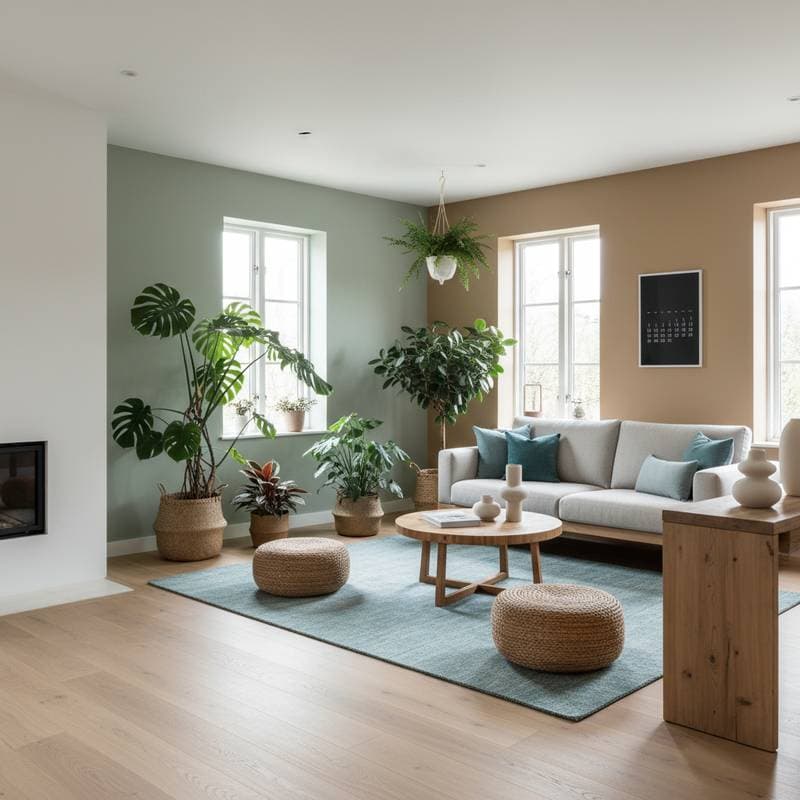
Biophilic colors derive inspiration from the natural world, encompassing hues reminiscent of moss, clay, sand, and sky. Such palettes instill balance and serenity, resonating with contemporary buyers who prioritize well-being and environmental responsibility. Applying biophilic schemes elevates a property's visual allure, as prospective owners link these shades to relaxation, health benefits, and an affinity for the outdoors.
Typical Costs for Biophilic Painting Projects
Repainting an interior with biophilic colors generally costs between $3,000 and $7,500, influenced by the home's dimensions and material standards.
- Small homes (up to 1,000 square feet): $2,000 to $3,800
- Medium homes (1,500 to 2,000 square feet): $3,800 to $6,000
- Large homes (2,500 square feet or more): $6,000 to $9,000
Cost Breakdown per Square Foot
Anticipate expenditures of $2.50 to $5.00 per square foot, covering materials and labor:
- Materials: $1.00 to $2.00 per square foot
- Labor: $1.50 to $3.00 per square foot
- Preparation: $0.50 to $1.00 per square foot
- Additional finishes or accent walls: $1.00 to $2.00 per square foot
These figures account for primer, two coats of finish paint, and routine wall preparation. Properties needing substantial repairs or luxury finishes incur higher charges.
Key Influences on Biophilic Painting Expenses
Color Selection and Pigment Standards
Nature-derived shades frequently incorporate superior pigments for richness and uniformity. High-end biophilic paints featuring low- or zero-VOC formulations command premium prices yet offer superior coverage and improved indoor air purity. Budget an additional 20 percent for eco-certified paints or custom designer variants.
Surface Preparation Requirements
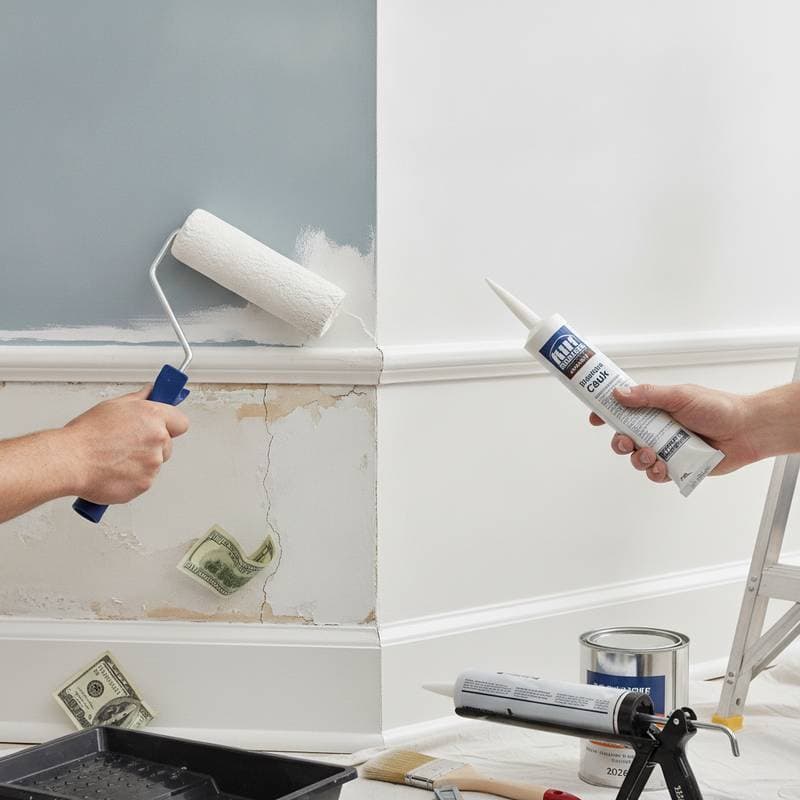
Surfaces exhibiting cracks, discoloration, or rough textures demand thorough groundwork. Tasks such as cleaning, sanding, and priming may increase costs by $300 to $800. Meticulous preparation guarantees uniform application, particularly vital for pale natural tones that highlight flaws.
Finish Varieties
Matte and eggshell sheens suit earthy schemes by gently scattering light. Satin or semi-gloss options deliver greater resilience at a modest upcharge. Selection hinges on room usage and stylistic preferences.
Design Intricacies
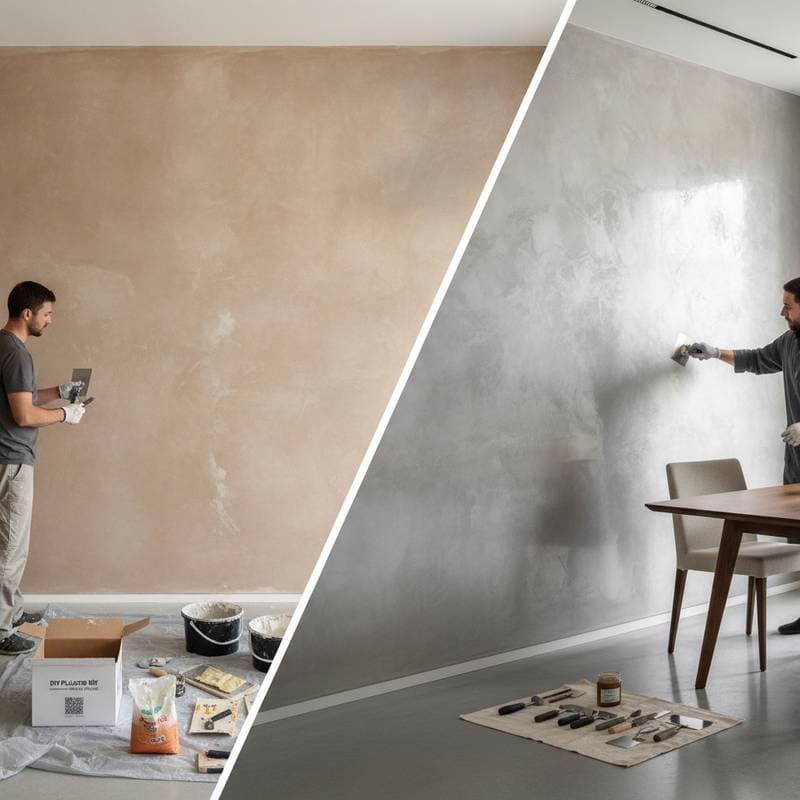
Elements like accent walls, ceiling accents, or motifs echoing foliage and stone elevate labor demands and expenses. Specialized techniques, including lime washes or mineral paints, append $1 to $2 per square foot.
Location-Based Labor Variations
Wage structures vary geographically. Metropolitan regions with elevated requests for green painting services often impose 10 to 25 percent surcharges compared to suburban or rural locales.
Cost Examination by Finish Category
| Finish Type | Basic Range | Standard Range | Premium Range | Key Differences |
|---|---|---|---|---|
| Matte Earth Tones | $2.50 - $3.50 | $3.50 - $4.50 | $4.50 - $5.50 | Premium employs mineral pigments and sustainable binders |
| Satin Natural Neutrals | $2.75 - $3.75 | $3.75 - $4.75 | $4.75 - $5.75 | Elevated sheen withstands humidity and abrasion |
| Specialty Lime or Clay Wash | $3.00 - $4.50 | $4.50 - $6.00 | $6.00 - $7.50 | Textured applications replicate stone exteriors |
How Biophilic Colors Enhance Home Sales
Fostering Emotional Bonds
Dwellings adorned in natural palettes generate serenity and equilibrium. Prospective buyers frequently characterize them as welcoming or restful. This affective reaction fosters compelling initial encounters at viewings.
Optimizing Perceived Dimensions and Illumination
Gentle greens and warm neutrals expand the sense of room size and luminosity. They harness ambient light proficiently, improving listing photography and boosting digital interactions.
Linking to Eco-Consciousness
Current purchasers esteem sustainable practices. Biophilic colors signal ecological mindfulness and forward-thinking design. Integration with low-VOC products amplifies the residence's green credentials.
Achieving Market Distinction
In saturated markets, unified nature-themed color schemes differentiate listings. Agents observe that subdued biophilic arrangements facilitate buyers' visualization of personal decor, surpassing vibrant or obsolete alternatives.
Assessing Value and Investment Returns
Opting for biophilic colors in painting yields robust investment recoveries, with interior refreshes recouping 60 to 80 percent of outlays based on execution excellence. Gains stem from refined visuals, heightened buyer favor, and minimized post-purchase renovations.
Durable, high-caliber paints endure longer. Sustainable compounds fend off discoloration and necessitate fewer maintenance applications, curbing ongoing expenses. Sellers targeting near-term transactions discover that refreshed biophilic interiors offset costs via elevated prices and expedited transactions.
Strategies to Minimize Biophilic Painting Costs
- Target partial renovations: Concentrate on primary zones such as living areas, kitchens, and foyers rather than full-home overhauls.
- Perform initial preparations independently: Tackle cleaning and simple repairs prior to professional arrival to trim labor by up to 15 percent.
- Select intermediate paint tiers: Established manufacturers provide eco-variants at accessible rates, mirroring luxury appearances.
- Time projects for low-demand periods: Contractors extend reductions in quieter seasons.
- Maintain palette consistency: Employing uniform foundational shades minimizes excess and eases coordination.
Budgeting and Execution Essentials
Commence by calculating room square footage and applying the suitable per-foot rate for desired caliber. Incorporate a 10 percent buffer for unforeseen fixes or shade refinements. Consult contractors on brands, sheens, and coverage to sidestep concealed fees.
For expansive properties, stage efforts sequentially, prioritizing high-use zones before advancing to private areas. Engaging experts secures flawless execution and tonal fidelity, accounting for daylight shifts across hours.
Realizing Lasting Benefits from Biophilic Transformations
Biophilic painting transcends aesthetics, embedding wellness into daily life while fortifying financial outcomes. Homeowners secure serene sanctuaries that nurture mental clarity and physical ease. In the 2026 market, such updates position properties as desirable retreats, blending timeless appeal with modern sustainability for enduring value.
Frequently Asked Questions
What constitutes the typical expense for repainting a home in biophilic colors?
Expenditures range from $3,000 to $7,500 for most residences, scaled by size and intricacy. Compact homes approximate $2,000, whereas extensive or elaborate endeavors surpass $9,000.
Which elements most significantly influence biophilic painting budgets?
Primary determinants include groundwork, paint caliber, sheen selections, and regional wages. Organic methods or green materials modestly raise costs yet confer superior durability.
In what ways can costs be reduced while preserving biophilic integrity?
Prioritize core spaces, manage basic preparations personally, and opt for quality mid-tier paints in natural hues. Off-season bookings or bundled room treatments further economize.
Is professional assistance preferable to DIY for biophilic projects?
Self-application economizes on labor but risks irregular outcomes and shade variances. Experts deliver meticulous prep, accurate finishes, and resilience, essential for nuanced natural paints.
How should one anticipate unforeseen painting expenses?
Allocate 10 to 15 percent reserves. Frequent add-ons encompass surplus primer, structural mends, or extra layers for optimal opacity in subtle tones.
When does scheduling a biophilic painting yield optimal savings?
Low-demand seasons bring favorable pricing. Temperate periods with stable indoor conditions promote even drying, yielding superior results with minimal revisions.