The Real Reason Professionals Avoid Flat Paint in Modern Kitchens
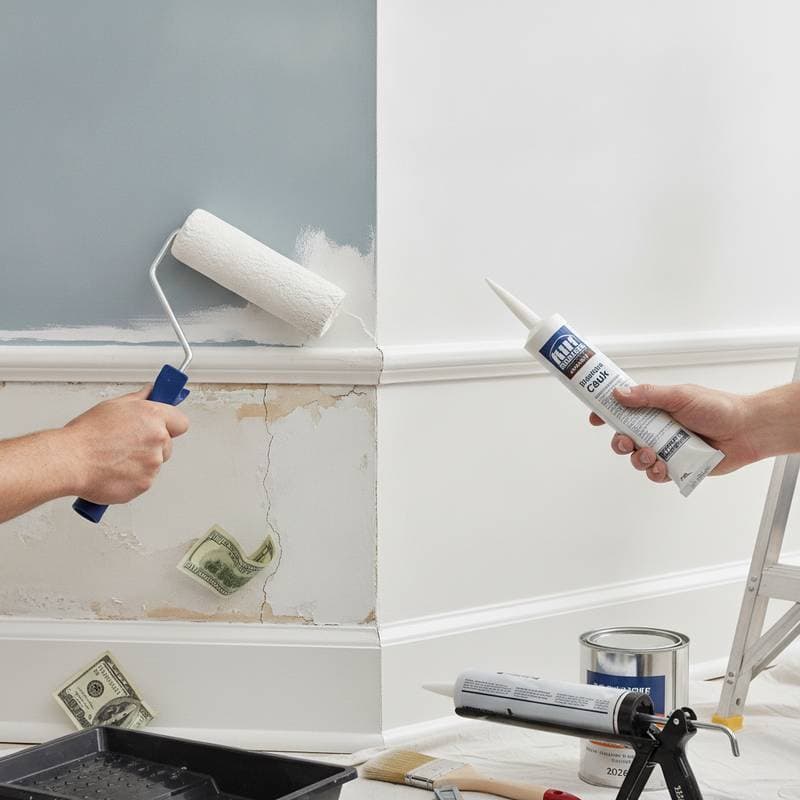
Flat paint once held appeal for its smooth matte finish and capacity to conceal minor surface imperfections. Professional painters, however, have largely abandoned it for kitchen applications. This change stems from the practical demands of kitchen settings, including exposure to moisture and the need for easy maintenance. Homeowners benefit from grasping these reasons, as they inform decisions on durability, expenses, and enduring appeal.
Kitchen Painting Cost Overview
Repainting a kitchen generally costs between $600 and $2,500, influenced by dimensions, configuration, and material standards. Typical expenditures fall between $1,200 and $1,800 for a conventional kitchen using mid-range paint in satin or semi-gloss sheens. Costs vary by kitchen scale as follows:
- Small kitchen (up to 150 square feet): $600 to $1,000
- Medium kitchen (150 to 300 square feet): $1,000 to $1,800
- Large kitchen (over 300 square feet): $1,800 to $2,500
Cost Breakdown per Square Foot
Kitchen painting averages $3 to $7 per square foot, encompassing materials and labor. The components include:
- Materials: $1 to $2 per square foot
- Labor: $2 to $4 per square foot
- Preparation: $0.50 to $1 per square foot
- Additional elements: $0.50 to $1 per square foot
Flat paint presents lower initial costs at $15 to $35 per gallon, compared to $30 to $70 per gallon for satin or semi-gloss options. Professionals observe that such initial economies dissipate when accounting for longevity and upkeep requirements.
Key Reasons Professionals Steer Clear of Flat Paint in Kitchens
1. Inadequate Washability and Resistance to Stains
Flat paint soaks up moisture and oils, rendering thorough cleaning challenging without surface harm. Kitchen surfaces endure grease from cooking, condensation, and spills. Mild cleaning efforts on flat paint often strip color or create lasting marks, necessitating repeated interventions that exceed the expense of superior paints.
2. Challenges with Moisture and Humidity
Kitchens encounter humidity akin to bathrooms, from cooking heat, appliances, and vapor. Flat paint permits rapid penetration, resulting in bubbles, flaking, and mold development. Satin and semi-gloss sheens form a denser barrier, deflecting moisture effectively.
3. Subpar Durability
Flat paint succumbs to scratches and abrasions in busy areas such as near counters, frames, and switches. Imperfections appear prominent on matte surfaces due to inconsistent light diffusion. Sheened finishes withstand wear and obscure minor flaws more readily.
4. Inconsistent Look After Repairs
Touch-ups on flat paint reveal texture variances, particularly in kitchens prone to minor damages. Achieving seamless matches proves difficult. Satin or eggshell alternatives integrate repairs smoothly, preserving visual uniformity.
5. Superior Long-Term Financial Sense
Flat paint demands more frequent renewals despite its affordability per gallon. Resilient sheens endure years longer, with professionals estimating savings of 20 to 40 percent on ongoing maintenance.
Paint Finish Cost Comparison
| Finish Type | Basic Range (per gallon) | Standard Range (per gallon) | Premium Range (per gallon) | Key Characteristics |
|---|---|---|---|---|
| Flat | $15 to $35 | $35 to $45 | $45 to $55 | Minimal sheen; conceals defects but prone to staining |
| Eggshell | $25 to $45 | $45 to $55 | $55 to $70 | Low sheen; washable; suits moderate use |
| Satin | $30 to $55 | $55 to $70 | $70 to $90 | Even sheen; repels moisture; suitable for kitchens |
| Semi-gloss | $35 to $60 | $60 to $80 | $80 to $100 | Robust; shiny; simple to maintain |
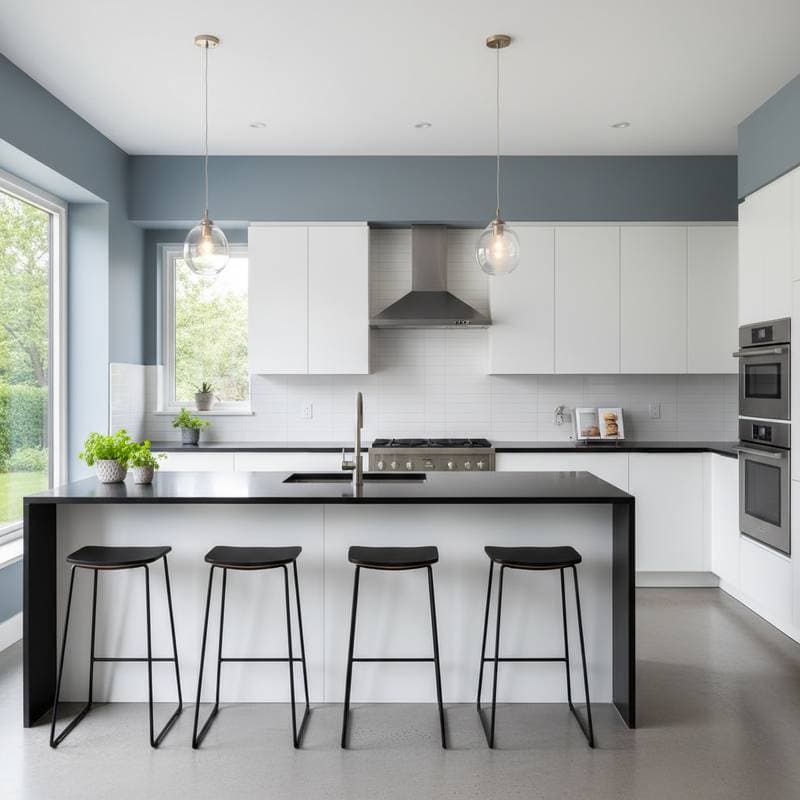
Professionals seldom propose flat finishes for kitchens, favoring satin for walls and semi-gloss for accents. These selections harmonize style and function while minimizing future outlays.
Elements Influencing Kitchen Painting Expenses
Multiple aspects shape the total cost of a kitchen repaint. Awareness of these aids in precise planning and material selection.
1. Dimensions and Design
Expansive kitchens with extensive surfaces and details demand greater paint and effort volumes. Open designs incur lower per-square-foot rates than divided layouts, owing to reduced edges and precision work.
2. Preparation of Surfaces
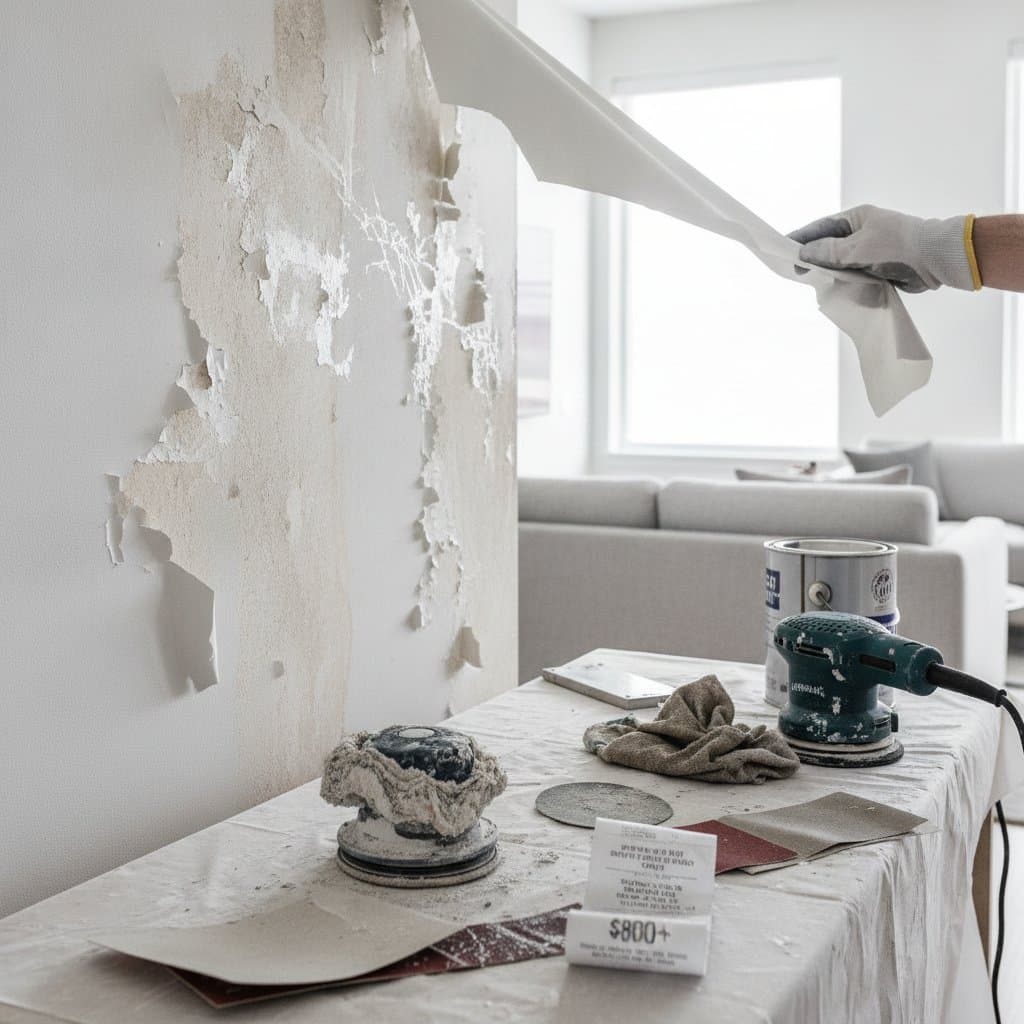
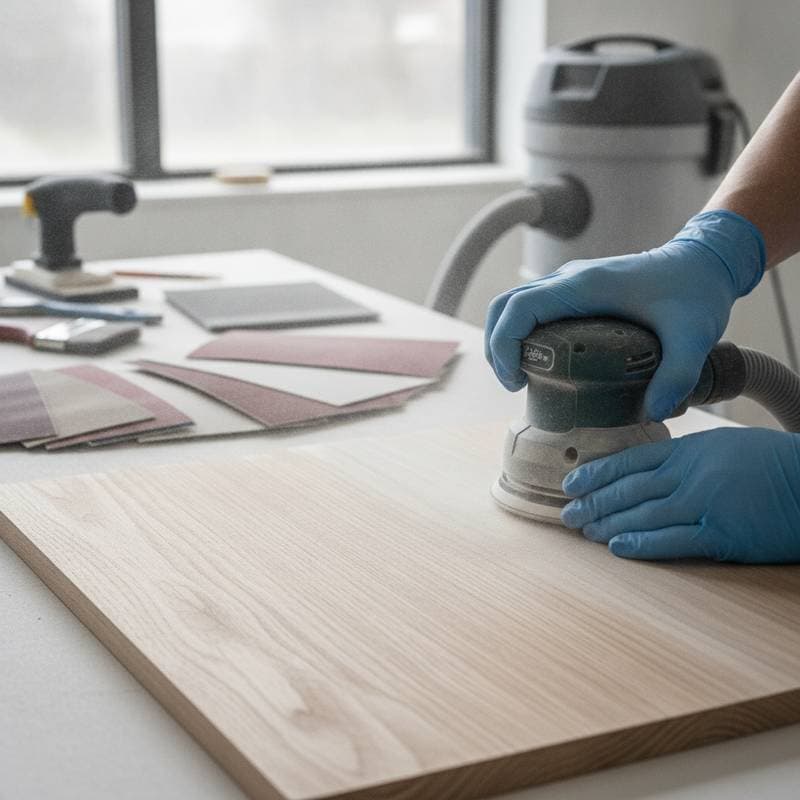
Effective adhesion relies on thorough groundwork. Removing grease, smoothing, and priming elevate costs yet guarantee endurance. Overlooking preparation in oily kitchens invites early failure, regardless of paint caliber.
3. Quality and Brand of Paint
Superior paints incorporate enhanced binders and pigments for better spread and resilience. Premium satin options often require fewer layers than basic flat varieties, cutting time and excess.
4. Labor Expenses
Painters charge $40 to $80 hourly, varying by location and expertise. Applying sheened paints demands care for uniformity, though reduced subsequent fixes enhance overall efficiency.
5. Choice of Color
Intense hues necessitate extra applications for opacity. Pale shades streamline coverage and conserve resources.
6. Location and Demand
Rates differ by area due to labor norms and supply. Metropolitan zones reflect higher figures from competition and operational expenses for experts.
Benefits of Opting for Sheened Finishes
Durability and Reduced Upkeep
Satin and semi-gloss withstand moisture, oils, and marks superior to flat paint. Surfaces endure repeated wiping without fading. This trait lessens repaint intervals and prolongs finish viability.
Enhanced Light Distribution
Sheened surfaces bounce back illumination, vitalizing kitchens and deepening hues. Flat paint dims areas, yielding a flat or patchy effect even post-application.
Advantages for Health and Cleanliness
Easily cleaned sheens facilitate hygiene by barring residue and microbes common on absorbent flats. Contemporary low-VOC formulas in these paints bolster air purity indoors.
Sustained Visual Appeal
Flat paint fades under kitchen rigors, losing vibrancy swiftly. Sheened variants preserve a crisp, refined demeanor, upholding the space's charm over extended periods.
Practical Tips to Lower Kitchen Painting Costs
- Select mid-sheen washable paints over luxury glosses when possible; satin provides optimal balance of efficacy and price.
- Handle initial wall cleaning and smoothing personally to trim professional hours.
- Combine tasks, such as painting neighboring areas together, to secure volume discounts on labor.
- Employ robust primers to block stains and amplify topcoat performance.
- Schedule during quieter periods; providers may discount rates amid lower bookings.
Effective Budgeting for Your Kitchen Repaint
Approach budgeting by evaluating finish preferences and prep necessities. Allocate roughly 70 percent to labor and 30 percent to supplies, plus a 10 to 15 percent buffer for surprises. For those eyeing flat paint's savings, assess full-cycle expenses; a durable satin outlasts it significantly, minimizing interruptions.
Seek itemized estimates delineating labor, materials, and prep. Such detail enables fair comparisons and verifies use of reliable products. Shun vague bids lumping paint without specifying type or grade, as inferior flats compromise longevity.
Common Questions on Kitchen Painting
1. What is the typical expense for painting a kitchen?
Expenditures range from $1,200 to $1,800 for a standard mid-sized kitchen, covering prep, primer, and two coats of satin or semi-gloss. Additions like repairs or cabinet work increase totals.
2. Which elements most affect kitchen painting costs?
Scale, paint grade, and groundwork exert the strongest influence. Grease removal, patching, and priming may add $100 to $300. Local labor variations also play a role.
3. How can one economize on kitchen painting while upholding standards?
Choose satin over high-end gloss, perform simple prep independently, and obtain several bids. Primers tinted to match the final color can decrease coat counts.
4. Is professional hiring preferable to DIY for kitchen painting?
DIY cuts labor fees but demands meticulous prep and safety measures. Kitchen complexities like oils and confines favor experts for flawless, enduring outcomes, particularly with sheens prone to visible errors.
5. How should one account for unforeseen expenses in kitchen painting?
Incorporate a 10 to 15 percent reserve for fixes, additional layers, or extra prep. This safeguard averts budget overruns amid project shifts.
6. When does initiating a kitchen painting project yield the best rates?
Target low-demand seasons like early spring or late autumn for reduced pricing. Advance booking and multi-room projects further optimize labor savings.