Why VOC-Free Paints Will Increase 25 Percent in Price by 2026
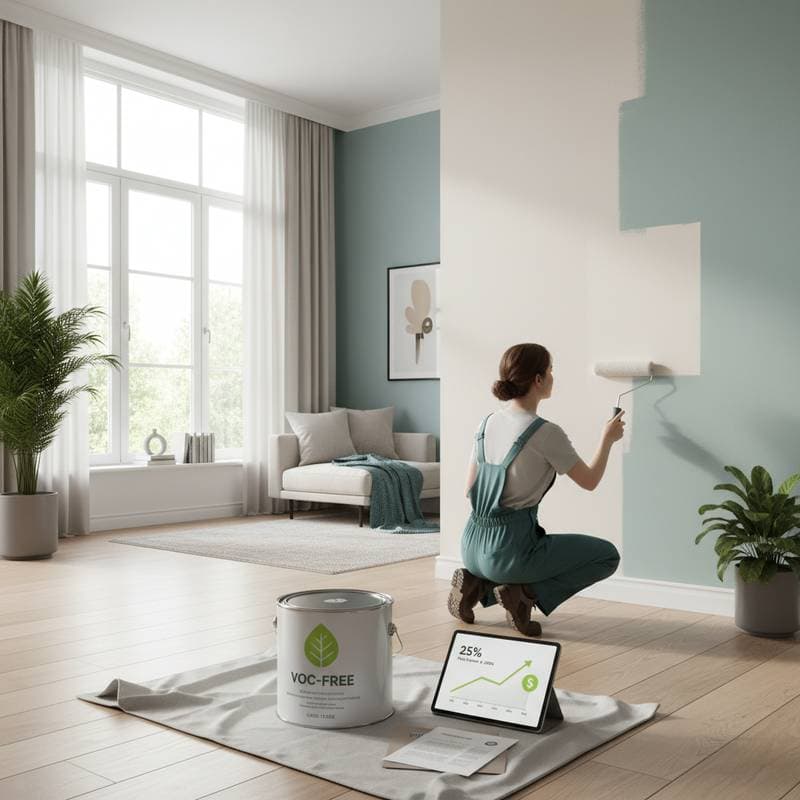
Homeowners prioritize air quality and environmental responsibility more than ever. They select VOC-free paints for healthier indoor environments, lower ecological footprints, and reliable performance. Prices for these paints have already increased significantly, with projections indicating a further 25 percent rise by 2026. Grasping the reasons behind this trend equips homeowners to plan projects effectively and balance costs with long-term benefits.
What VOC-Free Paints Entail
VOC refers to volatile organic compounds, substances in paints that release into the air during drying. Conventional paints include substantial amounts of these compounds, which produce strong smells and pose health risks such as respiratory irritation. VOC-free paints avoid these emissions entirely, fostering safer living spaces. They align with sustainable construction and comply with evolving environmental standards.
Manufacturers formulate VOC-free paints with sophisticated water-based systems and either natural or synthetic resins that emit negligible harmful vapors. This approach yields a more pleasant application experience and enhances indoor air purity. Production involves intricate processes, which elevate costs compared to basic paints and influence market pricing.
Breaking Down Project Expenses
Typical Price Ranges
- Basic VOC-free interior paint: 35 to 45 dollars per gallon
- Mid-range VOC-free paint: 45 to 65 dollars per gallon
- Premium eco-certified paint: 65 to 95 dollars per gallon
Core Components
- Superior pigments for vibrant, lasting color
- Non-toxic binders and additives for safe adhesion
- Low-odor, rapid-drying properties to minimize disruption
- Scrubbable surfaces for everyday resilience
Additional Expenses
- Custom shades or tints: 10 to 20 dollars extra per gallon
- Textured or high-sheen finishes: 10 percent increase in labor charges
- Surface preparation on legacy VOC-painted walls: Potential for added priming steps
Influences on Total Expenses
| Factor | Impact Level | Specific Examples |
|---|---|---|
| Sourcing raw materials | Moderate to High | Harvesting and purifying natural resins and plant-derived pigments demands premium resources |
| Certification processes | Moderate | Independent eco-verifications necessitate rigorous lab evaluations and documentation |
| Production volume | High | Boutique eco-manufacturers face inefficiencies from limited batch sizes |
| Logistics and packaging | Moderate | Biodegradable materials and green shipping protocols raise operational expenses |
Reasons for Ongoing Price Escalation
This anticipated surge stems from fundamental shifts in production and oversight, beyond general inflation. Multiple elements drive the upward trajectory.
Escalating Costs of Raw Materials
Standard paints rely on affordable petroleum-derived solvents. VOC-free alternatives substitute these with biologically sourced options or engineered synthetics, which incur higher extraction and refinement expenses. Disruptions in international supply networks or surges in demand for green inputs amplify these pressures, ultimately reaching retail shelves.
Tighter Regulatory Frameworks
Regulatory bodies worldwide impose progressively stringent limits on VOC emissions. Paint producers invest heavily in reformulation, research, and validation to adhere to these mandates. Facilities upgrade for reduced emissions and better waste handling, embedding these expenditures into product prices.
Surging Market Demand
Homeowners, commercial operators, and construction firms increasingly favor sustainable options. VOC-free paint demand outpaces supply growth, creating scarcity that elevates costs. While companies scale operations, establishing new plants requires substantial time and investment.
Advancements in Product Quality
Initial VOC-free formulations occasionally lagged in toughness or opacity relative to conventional types. Contemporary versions rival or surpass them through refined ingredients and precise engineering. Such enhancements demand costlier components, correlating with superior efficacy.
Expenses Tied to Branding and Validation
Sustainable paints frequently feature endorsements from neutral bodies, confirming minimal emissions, safety, and ecological alignment. Securing these involves ongoing assessments, inspections, and analyses. These measures build consumer confidence yet contribute to elevated pricing.
Anticipated Timelines for Painting Initiatives
Adopting VOC-free paints alters project schedules minimally for typical jobs, though nuances apply.
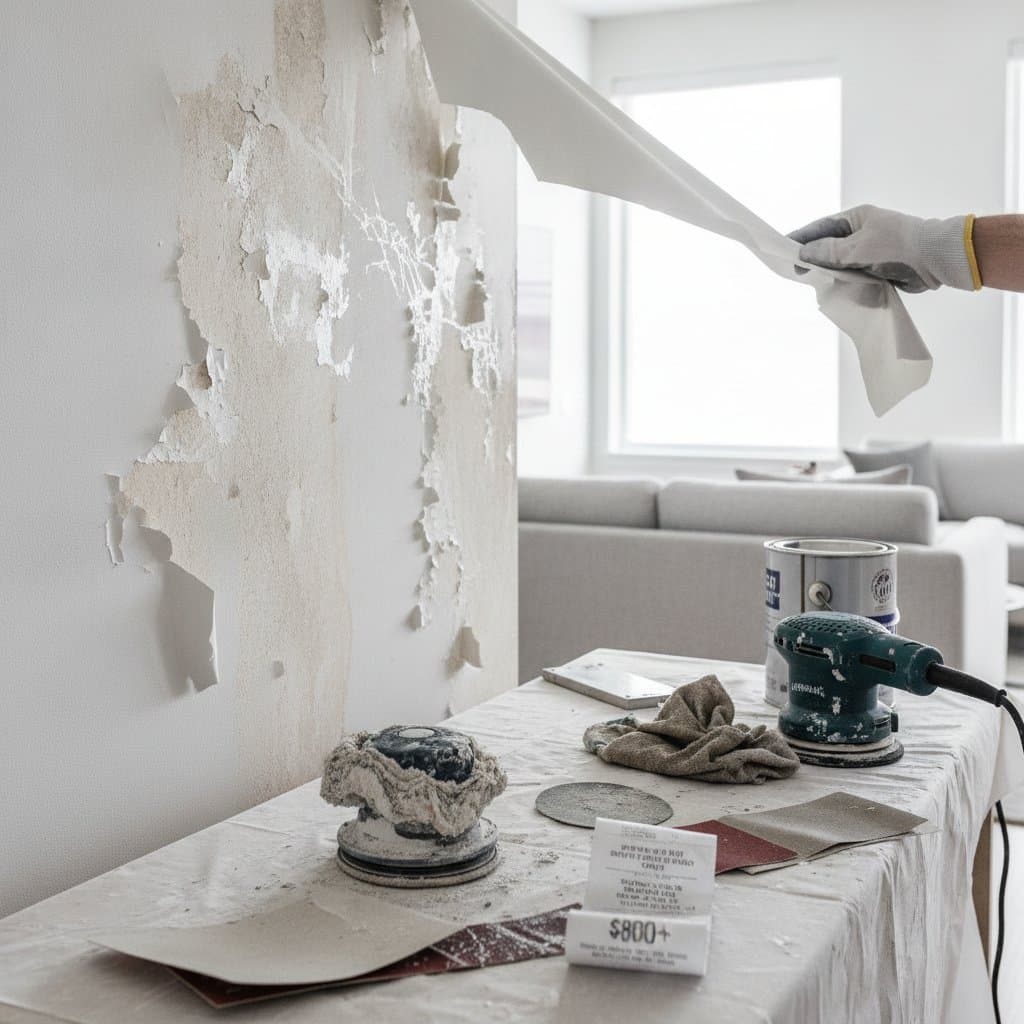
- Preparation: Ensure walls remain clean and moisture-free; legacy high-VOC layers might demand thorough sanding or specialized primers.
- Application: These paints cure swiftly, shortening intervals between layers.
- Finalization: Certain formulations harden completely over extended periods, advising light usage in treated areas for a few days.
Professionals complete an average home interior refresh in two to five days, factoring in room count, wall states, and cure times.
Weighing Professional Services Against Self-Application
Eco-paints resemble traditional ones in basic use, yet subtleties influence outcomes.
For self-guided efforts, small areas suit those equipped with quality tools, applicators, and airflow. VOC-free mixtures possess denser consistencies, benefiting from thorough mixing and tailored brushes for flawless results.
Hired experts excel in prep work, uniform pigmentation, and climate control. They account for environmental variables affecting eco-formulas. In extensive undertakings, their precision yields superior adhesion and endurance, justifying the premium on materials.
Selecting and Collaborating with Contractors
Identify contractors versed in VOC-free applications, as these demand precise techniques.
Seek credentials in green practices, review past eco-projects, and discuss handling protocols. Establish clear communication on timelines, budgets, and expectations to streamline the partnership.
Steps to Ready Your Space for Eco-Painting
- Choose hues ahead of time, allowing contractors to procure exact matches.
- Relocate furnishings and protect floors to avoid interruptions.
- Verify airflow setups, noting that even low-emission paints may carry faint scents.
- Time the work for moderate humidity to accelerate setting.
- Examine walls for defects like fissures or residue that could hinder bonding.
Ensuring Durability Through Care and Oversight
Maintain surfaces by using gentle soap solutions for cleaning. Steer clear of aggressive solvents that erode coatings. Repair blemishes swiftly to preserve appearance. Review warranty terms and engage your contractor for any concerns within the protected timeframe.
Addressing Common Inquiries
Why Do VOC-Free Paints Carry a Higher Price Tag Than Conventional Options?
Safer, intricate components prove challenging to obtain and fabricate. Certifications for sustainability and eco-packaging further inflate manufacturing outlays. Although initial investments exceed norms, advantages encompass purer atmospheres and reduced scent disturbances over time.
What Duration Should Homeowners Expect for a VOC-Free Painting Job?
Residential endeavors span multiple days based on scale and readiness requirements. Quick inter-coat drying aids efficiency, though full solidification may extend slightly. Experts tailor itineraries to site-specific factors like ventilation and scale.
Does Self-Application Justify the Effort for VOC-Free Projects?
Small-scale tasks succeed with prepared surfaces and deliberate techniques. Larger scopes benefit from specialist involvement for optimal uniformity and speed. Professionals navigate eco-specific challenges to secure enduring finishes.
How Can One Confirm a Paint's VOC-Free Status?
Examine labels for accredited seals and consult technical specifications listing emissions in grams per liter. Established producers provide transparent data. Knowledgeable contractors assist in validating adherence to guidelines.
What Upkeep Do VOC-Free Finishes Demand?
Simple routines suffice: soft wiping with neutral agents, eschewing rough tools, and prompt mending of marks. Diligent practices sustain color and texture longevity.
What Pitfalls Arise When Transitioning to VOC-Free Paints?
Inadequate prep, mismatched undercoats, or humid conditions lead to patchy results. Partnering with seasoned teams mitigates these issues for reliable, high-quality outcomes.
Realizing Lasting Value from Sustainable Choices
Opting for VOC-free paints invests in well-being and planetary health. Despite rising costs, enhanced performance and regulatory alignment deliver enduring returns. Homeowners who plan thoughtfully enjoy refreshed spaces that endure, blending aesthetics with responsibility.