Why Dopamine Colors Elevate 2026 Home Interiors
Vibrant interiors dominate residential design trends, with dopamine colors at the forefront. These lively palettes embody joy, positivity, and individuality, transforming spaces into vibrant extensions of personal style. Homeowners seeking enhanced well-being find these hues an accessible means to revitalize their environments. Knowledge of expenses, preparation, and benefits equips individuals to embrace this shift effectively.
Overview of Dopamine Color Painting Expenses
Interior repainting with dopamine colors generally costs between $2,400 and $6,800 for comprehensive projects. The typical expenditure reaches $4,200 for a medium-sized residence covering walls, trim, and ceilings in assorted vivid tones. Expenses vary based on paint grade, preparatory efforts, and room count.
Expenses by Residence Size
- Compact residence (under 1,000 square feet): $2,000 to $3,200
- Medium residence (1,000 to 2,000 square feet): $3,200 to $5,000
- Spacious residence (over 2,000 square feet): $5,000 to $8,500
Breakdown per Square Foot
Interior repainting averages $2 to $5 per square foot, encompassing:
- Materials: $0.80 to $2 per square foot
- Labor: $1.20 to $3 per square foot
- Preparation: $0.50 to $1 per square foot
- Supplementary elements: $0.20 to $0.50 per square foot
Saturated shades demand additional layers for optimal vibrancy, elevating material and labor outlays modestly. In return, they infuse spaces with dynamic appeal and renewed character.
Influences on Dopamine Color Painting Expenses
Paint Grade and Sheen
High-pigment paints yield superior vibrancy in dopamine applications, offering fade resistance and even application at a premium price. Standard paints range from $25 to $35 per gallon, whereas advanced formulations climb to $55 to $75 per gallon.
Surface Readiness
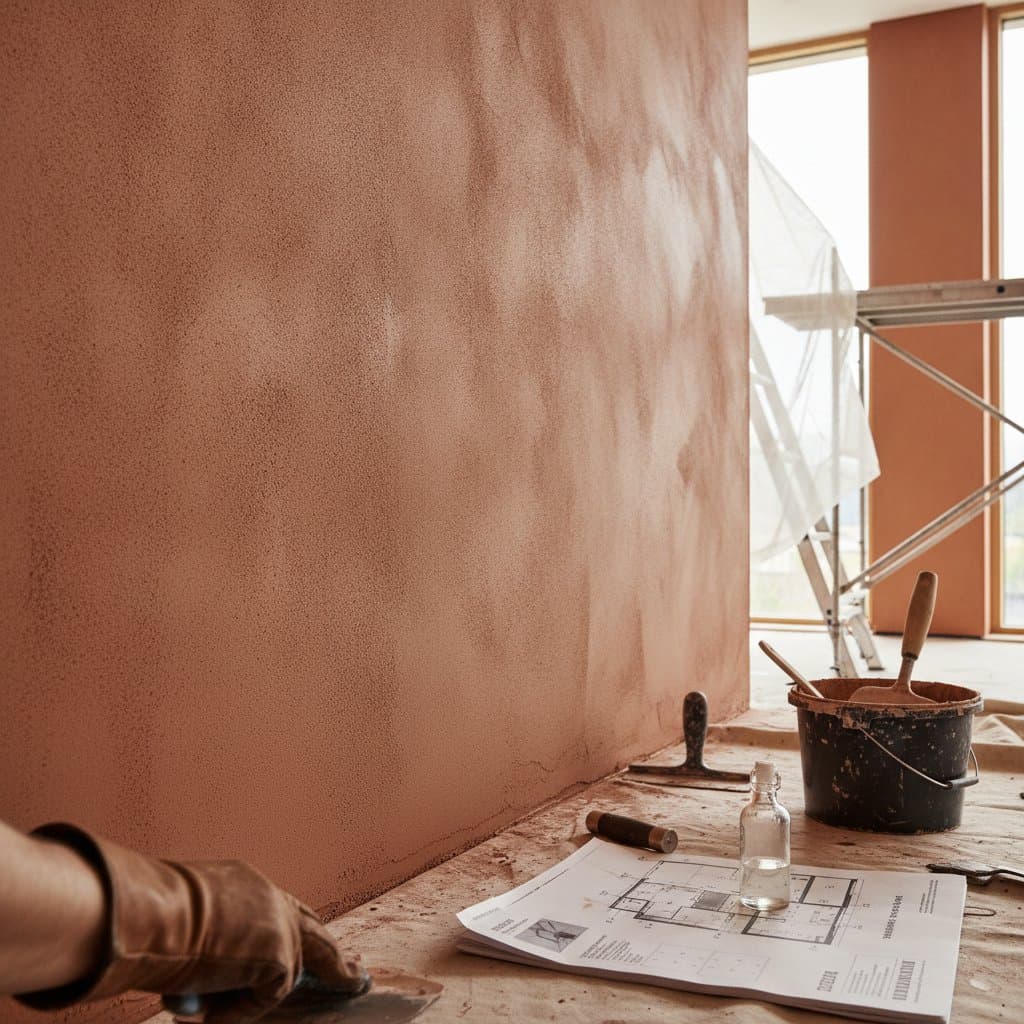
Intense colors highlight surface flaws prominently, necessitating thorough sanding, patching, and priming for seamless outcomes. Residences with irregular or compromised walls incur extra preparation, increasing totals by $200 to $600.
Color Variety
Dopamine schemes frequently incorporate several hues for accents or room divisions, extending setup, material needs, and edging precision. Monochromatic efforts proceed more swiftly and economically, but diverse palettes raise labor by 15 to 25 percent.
Room Intricacy
Areas featuring cabinetry, ornate trim, or high ceilings demand meticulous attention, boosting costs by $300 to $800 through extended access and protection measures.
Local Labor Variations
Regional wage structures influence pricing significantly. Metropolitan zones with elevated painter demand align with upper estimates, while outlying areas provide more economical options.
Category-Specific Expense Details
| Paint Grade | Basic Range | Standard Range | Premium Range | Primary Distinctions |
|---|---|---|---|---|
| Wall Paint | $25 to $35 per gallon | $40 to $50 per gallon | $55 to $75 per gallon | Application efficiency, color depth, longevity |
| Labor (per square foot) | $1.20 to $2 | $2 to $3 | $3 to $4 | Execution pace, accuracy, surface refinement |
| Surface Preparation | $0.50 to $0.80 per square foot | $0.80 to $1 | $1 to $1.50 | Encompasses mending, abrading, base coating |
| Trim and Accent Application | $2 to $3 per linear foot | $3 to $4 | $4 to $6 | Detail level and layering requirements |
These variances stem from material excellence and skilled execution. Superior paints involve greater initial investment yet yield enduring, vivid finishes that minimize subsequent maintenance.
Psychological Impact of Dopamine Colors
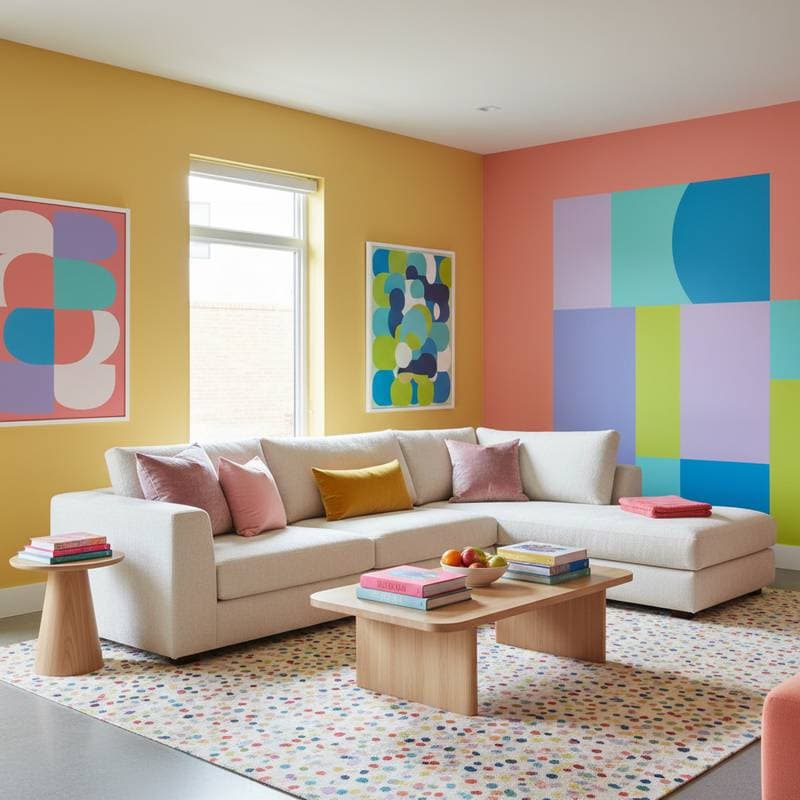
Dopamine colors extend beyond aesthetics to influence emotional states profoundly. They stimulate innovation, alleviate tension, and cultivate coziness. Popular selections encompass coral, lemon yellow, turquoise, lavender, and emerald green, each triggering unique responses:
- Yellow and coral foster vitality and optimism.
- Turquoise and mint convey renewal and serenity.
- Lavender and lilac impart refined elegance.
- Vibrant pinks and reds ignite enthusiasm and imagination.
Strategic placement renders routine areas dynamic and engaging, enhancing everyday experiences through infused character.
Investment Value and Returns
Interior repainting ranks among cost-effective enhancements with strong payback potential. Dopamine colors prioritize emotional upliftment while bolstering market desirability when tempered with neutrals.
Immediate Benefits
- Establishes a contemporary, uplifting ambiance.
- Renews surfaces, masking age or stains.
- Heightens daily comfort and ambiance.
Enduring Advantages
- Quality applications prolong durability against discoloration.
- Positive environments support mental health and efficiency.
- Judicious selections appeal to prospective purchasers favoring current styles.
Moderation, such as vivid accents against muted bases, harmonizes flair with broad attractiveness.
Cost-Reduction Tactics for Dopamine Projects
Integrate Self-Help and Expert Services
Undertake basic readiness like surface dusting, fixture removal, and edge masking independently. Delegate painting to specialists for flawless execution, particularly with demanding pigments.
Schedule Judiciously
Initiate projects in contractor off-seasons to access reduced rates and prompt availability. Sidestepping high-demand intervals trims labor by up to 10 percent.
Focus on Key Accents
Target select walls for bold treatment rather than comprehensive coverage, curbing material and time demands while delivering striking results.
Repurpose Tools and Resources
Clean and reuse applicators, rollers, and containers across phases to accumulate savings on supplies.
Select Resilient Sheens
Opt for cleanable satin or semi-gloss variants that withstand usage, thereby extending job lifespan and curbing upkeep expenses.
Budgeting Framework for Dopamine Interiors
Systematic planning aligns vision with finances. Outline targeted zones, hue preferences, and sheen choices, followed by per-room labor and supply projections. Allocate 10 to 15 percent for contingencies like repairs or added layers.
Illustrative Budget Outline
| Element | Projected Expense | Remarks |
|---|---|---|
| Paints and Supplies | $600 to $1,200 | Covers bases, tools, protective sheets |
| Labor Charges | $2,500 to $4,000 | Scaled to scale and detail |
| Readiness and Fixes | $300 to $700 | Fluctuates with substrate state |
| Accent Features | $400 to $800 | Supplementary design elements |
| Reserve Fund | $300 to $600 | Addresses unanticipated needs |
Such frameworks maintain oversight, averting disruptions and ensuring goal attainment within limits.
Expert Versus Self-Directed Painting Evaluation
Expert Services
- Advantages: Uniform results, streamlined schedules, precise hue alignment.
- Drawbacks: Elevated service fees.
Self-Directed Efforts
- Advantages: Reduced workforce costs, full artistic oversight, sense of accomplishment.
- Drawbacks: Labor-intensive, potential for inconsistencies, risk of rework.
Professionals excel with intense colors, leveraging expertise in buildup and uniformity.
Strategic Hue Selection Practices
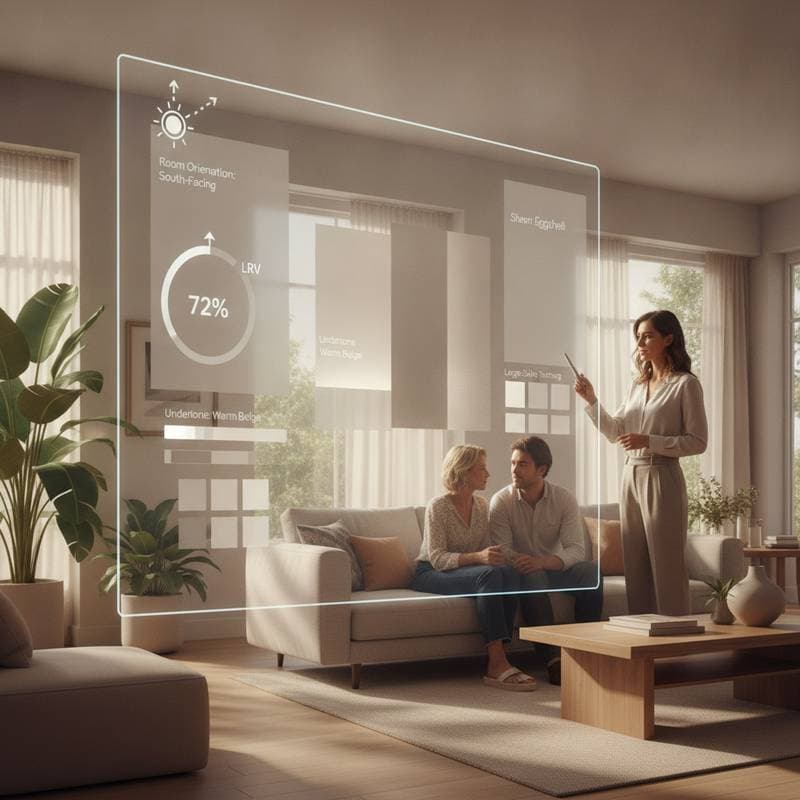
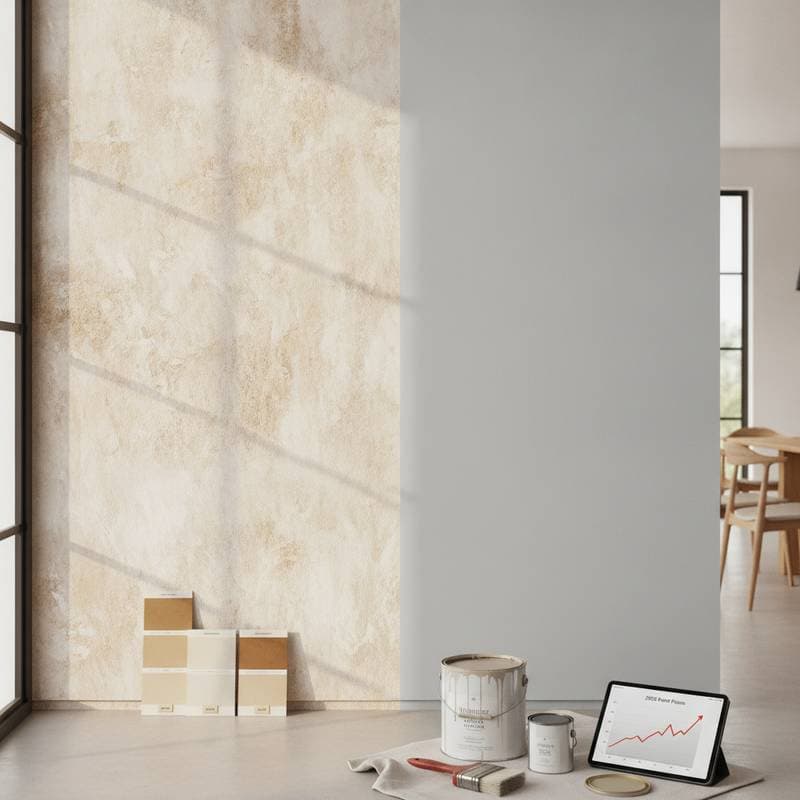
Test hues via sample applications, evaluating under varied illumination across the day. Integrate neutral textiles or organic elements to temper bold schemes.
Guidelines for Color Integration
- Combine intense shades with pale whites or grays to avoid saturation.
- Echo tones in accessories like cushions, artwork, or flooring for unity.
- Restrict vivid coverage to 60 percent of surfaces for equilibrium.
- Tailor intensities to room purposes: stimulating options for active zones, subdued for restful areas.
Launching Your Dopamine Refresh
Embracing dopamine colors represents a commitment to enhanced vitality and personalization. Through meticulous budgeting, quality selections, and purposeful application, homeowners craft invigorating sanctuaries affordably. This approach yields spaces that resonate with energy and individuality, enriching home life sustainably.
Common Queries
What constitutes typical expenses for dopamine color painting?
Anticipate $2 to $5 per square foot, translating to $2,400 to $6,800 for standard residences. Outcomes hinge on grade, readiness, and hue diversity.
Which elements most influence dopamine painting budgets?
Key determinants encompass paint caliber, substrate preparation, color count, spatial complexity, and area-specific wages. Irregular surfaces or accent-heavy designs escalate requirements.
In what ways can one economize on dopamine initiatives while upholding standards?
Perform elementary readiness solo, prioritize accents over totality, time for low-demand periods, and choose long-wearing sheens to defer renewals.
Is professional assistance preferable to self-execution?
Experts ensure reliability and depth, vital for layered brights. Self-efforts economize but demand proficiency to evade flaws.
How should one prepare for unforeseen painting expenditures?
Reserve 10 to 15 percent for extras like reinforcements or modifications. Multiple contractor bids refine projections.
When does initiating a dopamine project yield optimal savings?
Off-peak scheduling, such as milder seasons, unlocks competitive pricing and expedited service from providers.