Thermochromic Paint Transforms Interiors Through Temperature Response
Thermochromic paint contains specialized pigments that alter color when surfaces reach specific temperature thresholds. This property allows walls to shift appearance based on room conditions or direct contact. Such finishes introduce dynamic visual elements to residential and commercial spaces.
Core Principles Behind the Technology
The paint relies on microencapsulated dyes that respond to heat. These capsules remain stable within standard interior temperature ranges yet activate predictably above chosen set points. Manufacturers offer formulations that change at 20 degrees Celsius, 27 degrees Celsius, or other custom levels.
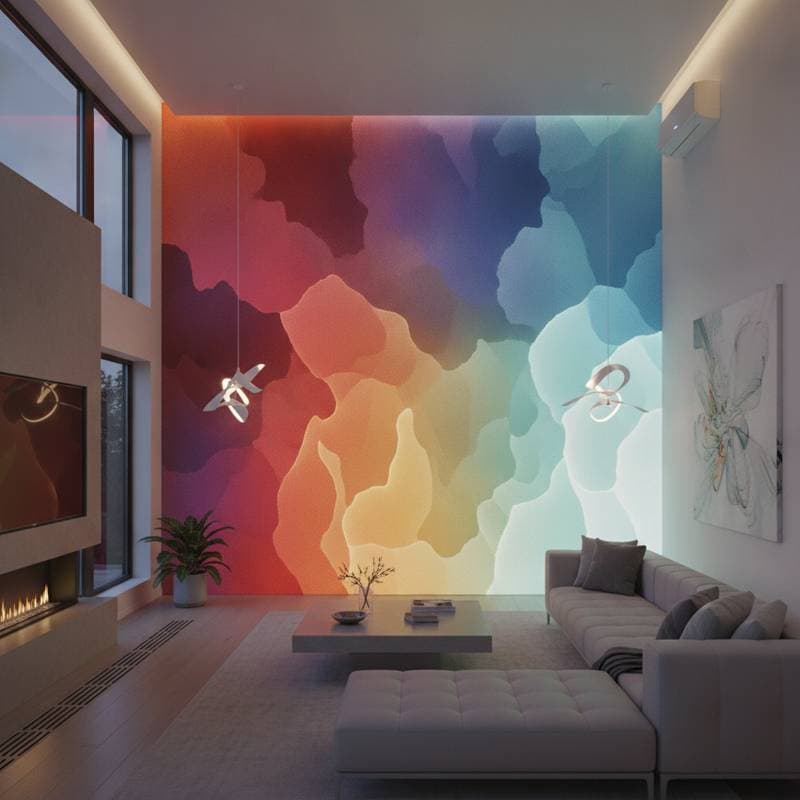
Photoluminescent additives often combine with thermochromic pigments. The added particles absorb ambient light and emit a soft glow after dark. Together the two effects produce finishes that evolve throughout the day.
Practical Applications in Modern Spaces
Living rooms benefit from accent walls that move from deep blue to warm teal as evening heating engages. Kitchen backsplashes can highlight cooking zones when surfaces warm near appliances. Office partitions shift tone to signal occupancy or meeting activity without additional signage.
Bathrooms gain interest when steam from showers triggers color transitions around mirrors and vanities. Retail displays use the paint to draw attention to featured products under changing spotlights and climate control cycles.
Application Process and Surface Preparation
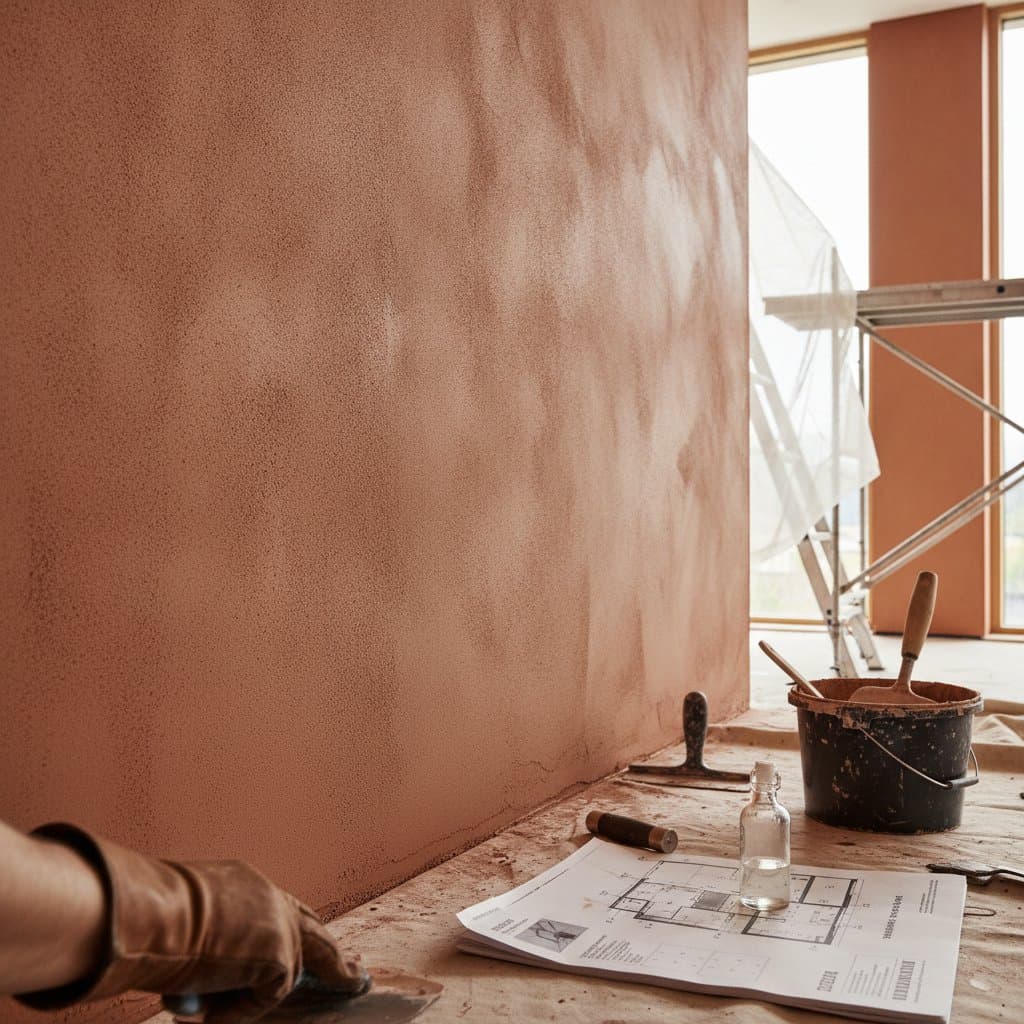
Begin with clean, dry substrates free of dust or previous coatings that could interfere with adhesion. Apply a high-quality primer matched to the wall material. Two base coats of thermochromic paint follow, with light sanding between layers to maintain smoothness.
Test patches on inconspicuous areas confirm the desired color shift temperature before full coverage. Professional sprayers produce even films on large surfaces, while rollers suit smaller rooms. Allow full curing times specified by the product data sheet before exposing walls to heat sources.
Budget Considerations and Material Selection
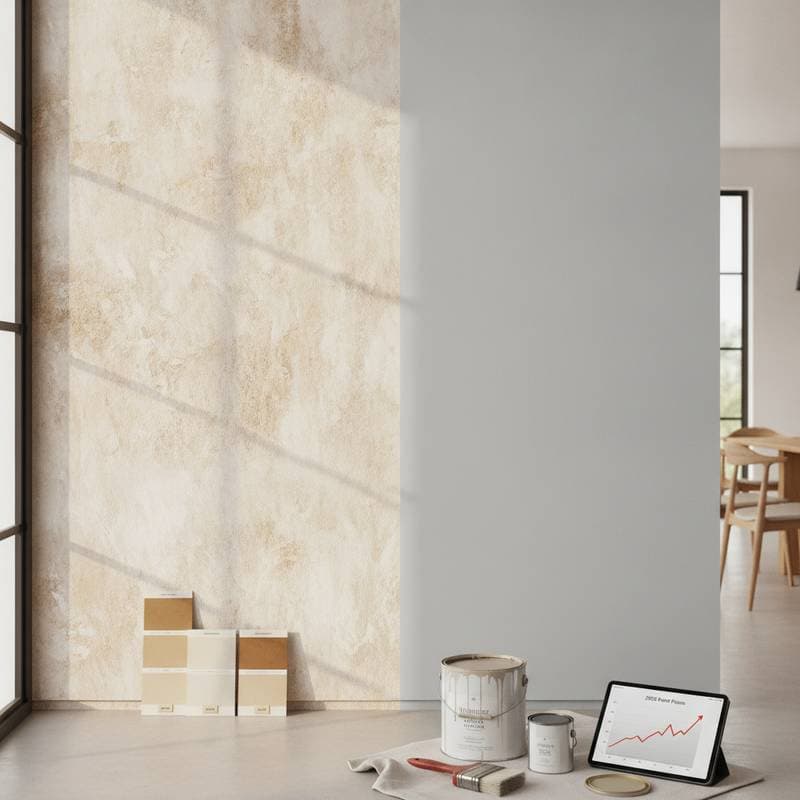
Premium thermochromic coatings cost between forty and eighty dollars per gallon. Coverage rates average two hundred fifty square feet per gallon for two coats. Factor in primer, labor, and optional topcoats that protect against abrasion.
Photoluminescent versions command higher prices yet reduce the need for supplemental night lighting in hallways. Request samples from suppliers to verify performance under actual room lighting and HVAC settings.
Design Integration Strategies
Pair color-changing walls with neutral furnishings so shifts remain the focal point. Position heating vents or underfloor systems deliberately to control transition zones. Combine finishes with dimmable LED strips that charge photoluminescent particles during evening hours.
Layer the paint on movable panels for flexibility in rental properties. This approach permits seasonal updates without permanent commitment to one palette.
Maintenance Practices for Lasting Performance
Clean surfaces with mild detergent solutions and soft cloths. Avoid abrasive pads that could damage microcapsules. Monitor high-traffic zones for wear and schedule localized touch-ups using remaining stock from the original batch.
Long-Term Value for Occupants
Spaces finished with these coatings adapt to daily routines and seasonal changes. Residents experience continuous visual refreshment that static paint cannot provide. The result supports both aesthetic goals and energy-conscious design through reduced reliance on additional lighting or decorative objects.