Why Textured Walls Are the 2026 Design Trend Everyone Loves
Texture brings new life to interiors this year. From subtle plaster surfaces to bold geometric patterns, textured walls deliver warmth and dimension without requiring extensive renovations. Homeowners and designers alike appreciate how these finishes enhance light, conceal minor flaws, and create inviting spaces that feel both current and enduring.
The Appeal of Texture in Modern Interiors
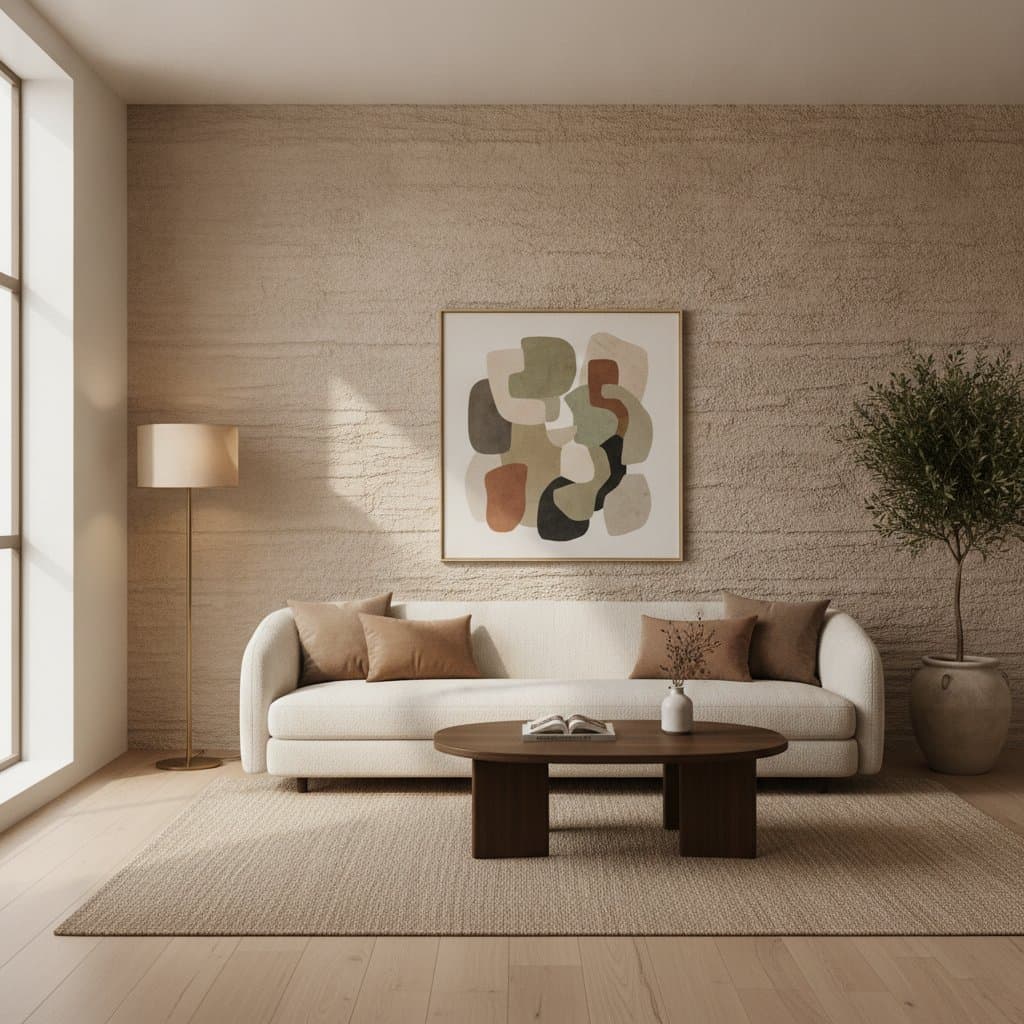
Flat walls often appear sterile under varied lighting. Textured surfaces interact with light to produce gentle shadows and visual interest. This quality makes rooms feel more comfortable and connected to natural elements such as stone or clay.
Designers note that texture invites interaction. Subtle finishes encourage closer inspection while dramatic options spark conversation. The result is a layered environment that balances simplicity with sophistication.
Practical Methods for Adding Texture
Three spending levels allow any project to incorporate texture effectively.
- Low spend options include sponge painting with two similar tones or applying joint compound for a soft plaster effect. Peel and stick wallpapers that resemble linen or stone provide another accessible route.
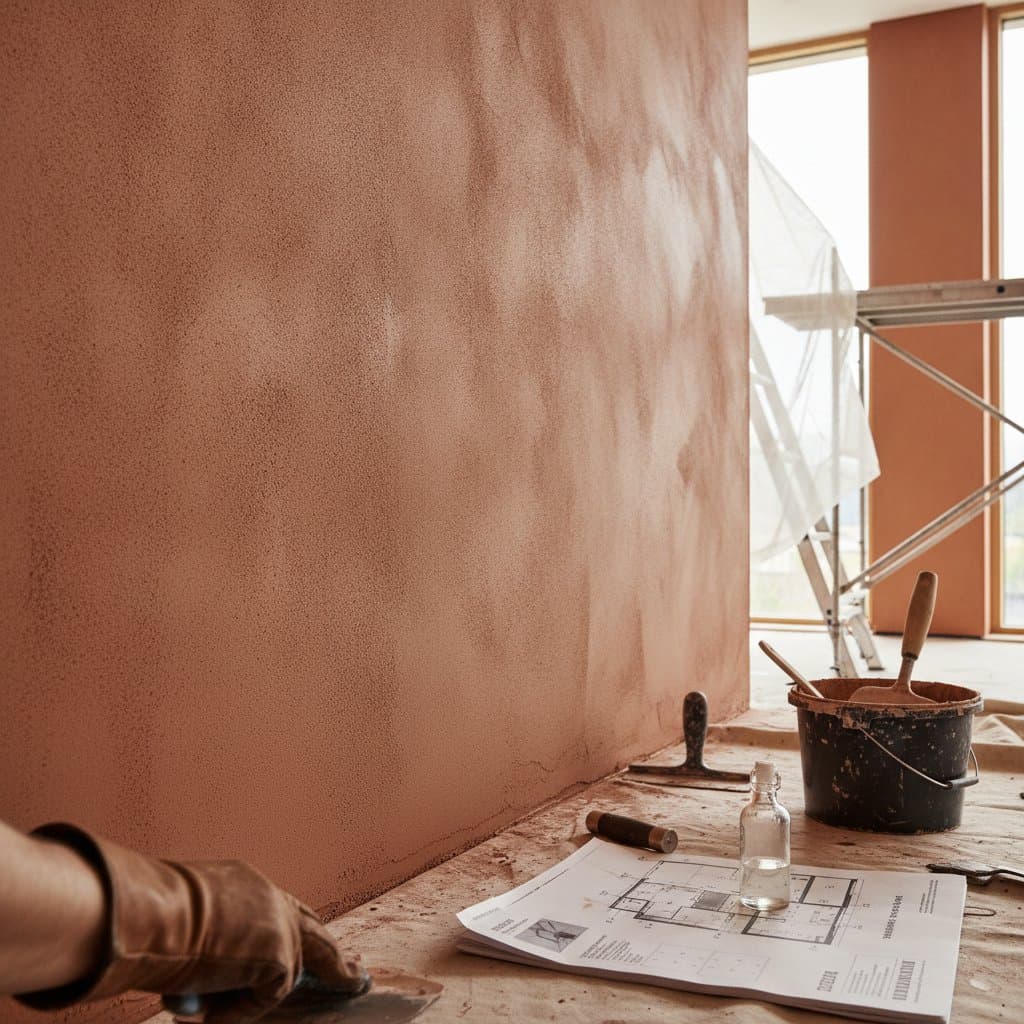
- Mid spend choices involve hiring a painter for skip trowel or Venetian plaster techniques. Mixing paint sheens or installing recycled wood panels adds subtle variation.
- Higher spend investments feature limewash, clay plaster, or custom three dimensional tiles paired with accent lighting.
Test each technique on a small section first. Proper surface preparation and consistent application determine the final quality.
Materials and Their Distinct Qualities
Material selection shapes both appearance and upkeep.
Limewash paint offers a soft, breathable finish with natural movement. It suits bedrooms and quiet living areas. Venetian plaster provides a smooth surface with understated sheen, ideal for powder rooms or focal walls. Textured wallpaper works well for renters because many versions are removable and washable. Three dimensional panels made from gypsum or bamboo create sculptural statements behind beds or seating. Fabric and grasscloth introduce warmth along with sound absorption.
Combinations such as limewash framed by wood slats yield organic texture alongside architectural definition.
Functional Benefits Beyond Appearance
Texture addresses practical needs. Rough finishes mask wear in busy hallways. Matte plasters reduce echoes in open rooms. These surfaces improve daily comfort while lowering long term maintenance demands.
In both homes and commercial settings, textured walls define zones and soften sharp lines. The tactile quality turns walls into elements that occupants experience directly.
Sustainable Options and Long Term Value
Many textured finishes use low volatile organic compound formulas and natural binders. Lime based plasters and recycled wallpapers support better air quality and often outlast standard paint. Property owners find that these upgrades increase perceived value and help spaces photograph professionally.
Simple Ways to Introduce Texture Quickly
Small changes deliver immediate impact. Apply texture to one accent wall behind a sofa or bed. Frame a section with molding and fill it with grasscloth. Use textured paint on the lower portion of a wall to mimic wainscoting. Layer fabric panels or tactile art pieces for added depth.
Maintaining Textured Surfaces Over Time
Gentle dusting with a dry cloth preserves most finishes. Address small chips promptly and avoid abrasive cleaners. With routine care, textured walls develop additional character as they age.
Texture transforms ordinary rooms into spaces that feel crafted and personal. The interplay of light and surface continues to reward occupants long after installation.