Why Plaster Walls Cost Three Times More Than Drywall in 2026
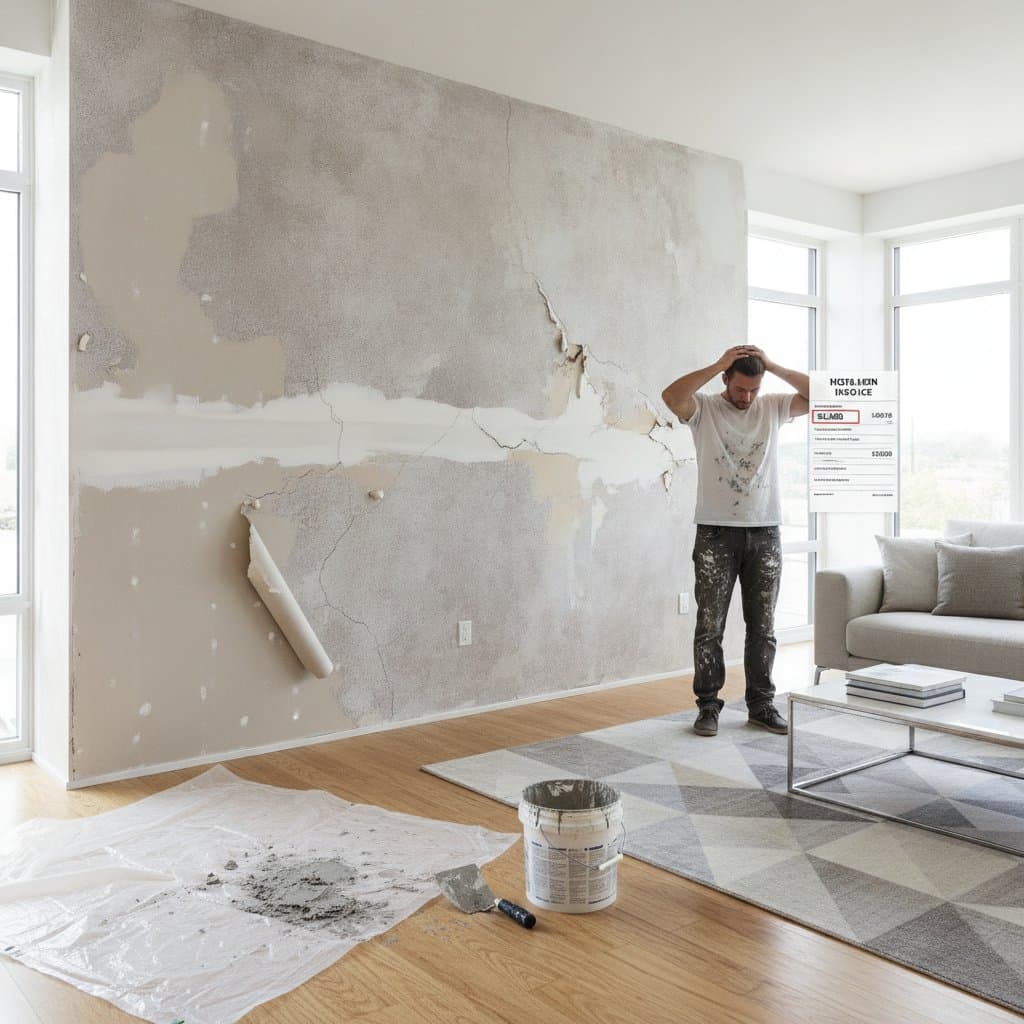
Entering a space finished with genuine plaster walls reveals an immediate distinction. The surface exhibits profound depth, nuanced texture, and inherent resilience. This finish evokes a sense of history combined with contemporary appeal, emphasizing craftsmanship over mere assembly. Plaster installations typically cost approximately three times more than drywall equivalents because of the specialized skills, extended timelines, and unique material properties involved. This article examines these elements in detail and identifies scenarios where the additional investment proves beneficial for residential or commercial endeavors.
The Craftsmanship Element: Expertise Evident in Every Surface
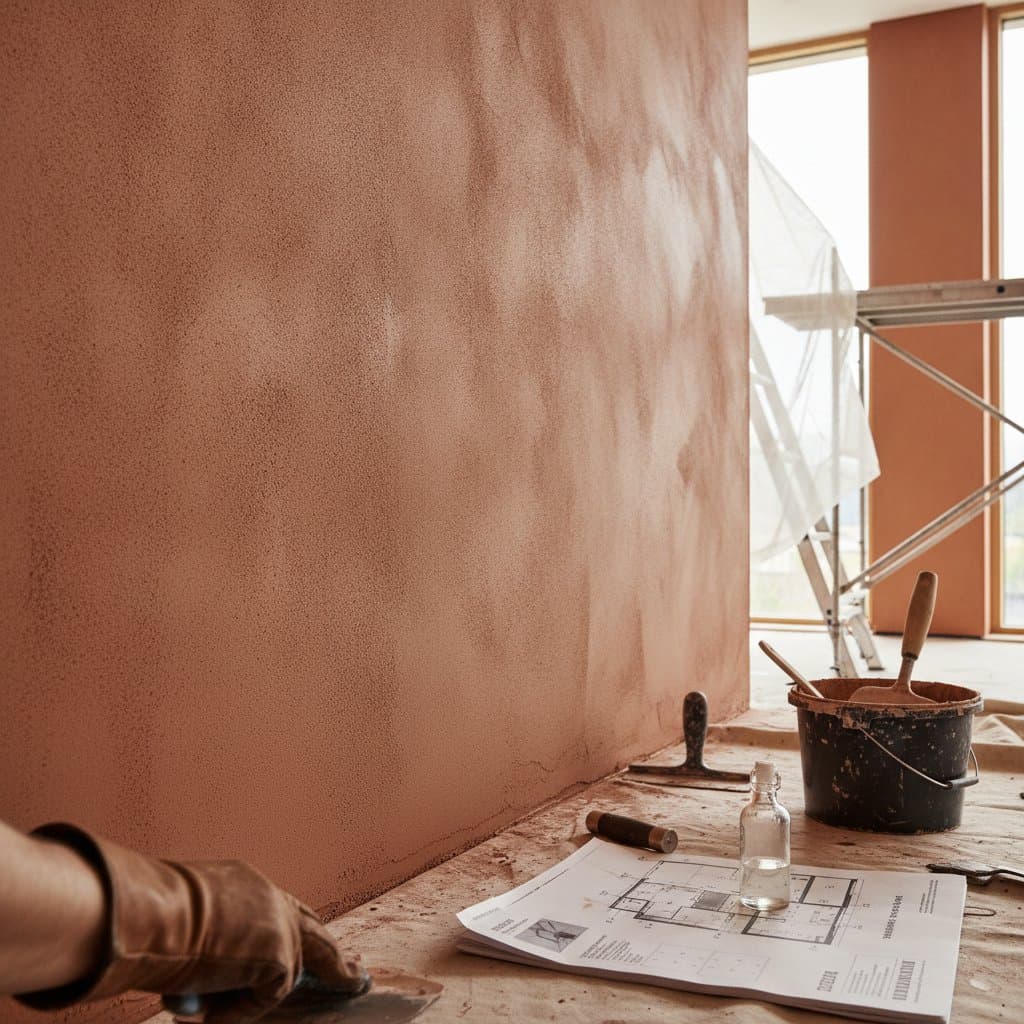
Plaster application represents a skilled trade that demands precision. A qualified artisan must prepare the mixture, apply it with a trowel, and refine multiple layers to achieve a seamless, robust result. Each application influences the final tone and tactile quality, producing organic variations unattainable through industrialized processes.
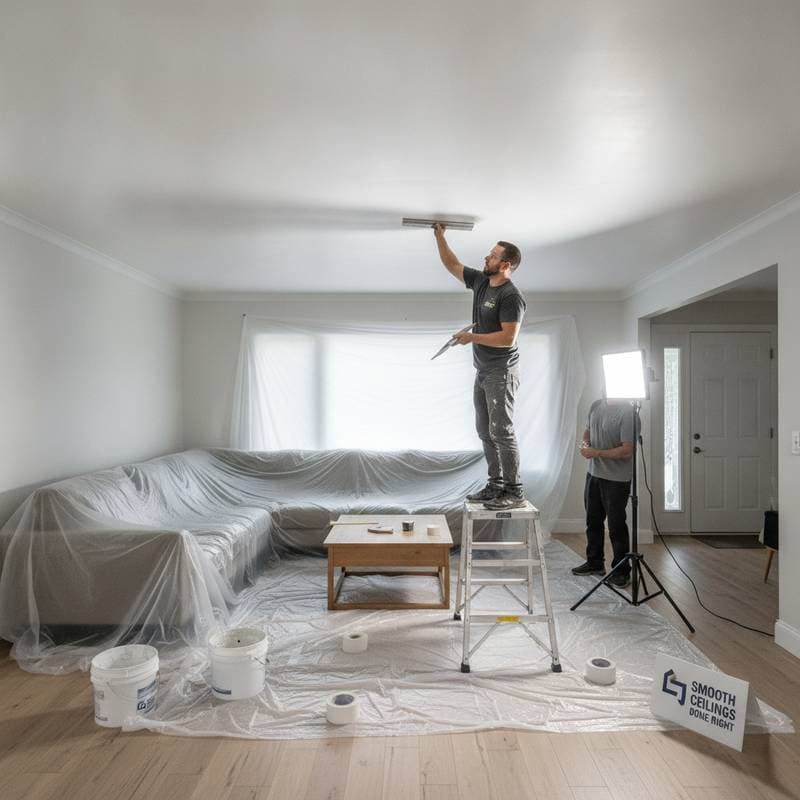
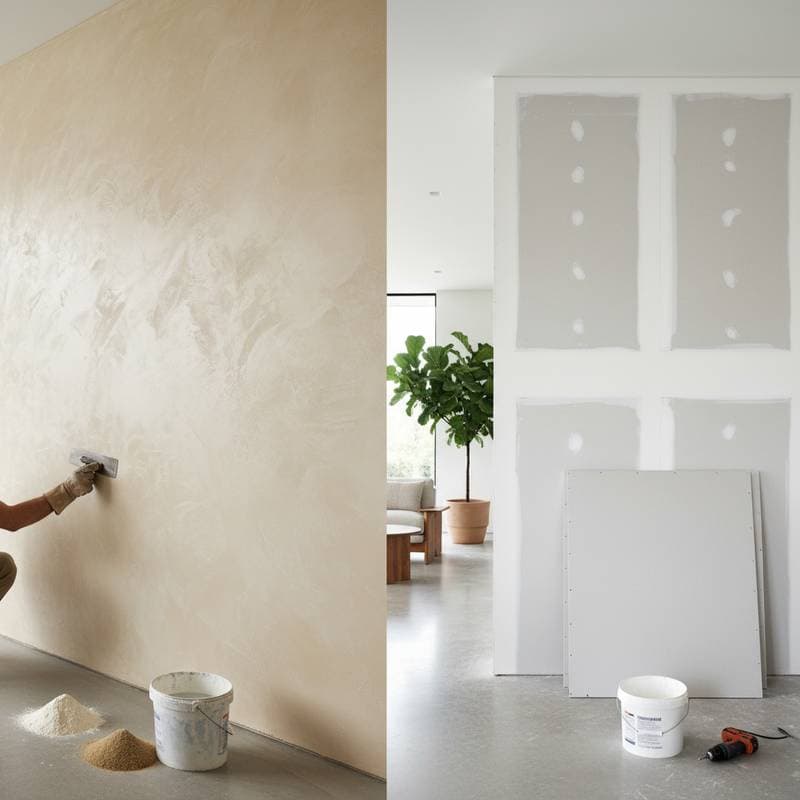
Drywall installation, however, relies on prefabricated sheets affixed to framing, followed by joint taping, compound application, and sanding. This method proceeds efficiently, requiring minimal time per unit area. With plaster, the expense reflects the artisan's advanced proficiency and the hours dedicated to refining each section. The outcome transcends a mere building material; it embodies meticulous execution.
In television production environments, plaster finishes consistently provided the ideal aesthetic for visual capture. Light interacts softly with the surface, enhancing dimensionality without harsh reflections. This characteristic translates effectively to residential settings, elevating the overall ambiance.
Layering and Labor Intensity: Understanding the Time Investment
Drywall installation generally involves three primary phases: mounting the panels, applying tape and compound, and final finishing. Plaster work requires at least five distinct stages, varying by the chosen method.
- Base Preparation: Install lath or a bonding agent to provide a secure foundation for adhesion.
- Scratch Coat: Apply the initial layer to establish structure and keying for subsequent applications.
- Brown Coat: Level the surface and build thickness for added integrity.
- Finish Coat: Deliver the outermost layer, determining the final appearance and smoothness through careful troweling.
- Curing and Finishing: Allow time for setting, followed by burnishing or sealing to ensure longevity.
Each phase incorporates drying intervals, eliminating opportunities for acceleration. This process necessitates additional on-site presence, extended labor, and focused oversight per area. Consequently, labor expenses often triple those of drywall, directly influencing the overall project budget.
Material Composition: Premium Components Drive Expenses
Plaster formulations incorporate natural elements such as lime, gypsum, or clay, blended with exact proportions. Additives enhance properties like flexibility or resistance to moisture. Certain variants include fine aggregates or marble dust to impart sheen and strength. These components exceed the cost of standard gypsum panels and joint compounds.
Drywall benefits from large-scale production, ensuring consistent and economical pricing. Plaster mixtures, prepared in controlled quantities or even on location, incur higher costs. In heritage properties, replicating legacy formulations demands specialized procurement, custom blending, and pre-application verification, further escalating expenses.
Tools and Preparation: Specialized Requirements Add Overhead
Plastering demands dedicated equipment, including hawks, trowels, floats, darbies, and robust mixing apparatus suited for viscous mixtures. Protective measures, such as dust barriers and moisture controls, are essential during application. Environmental factors like humidity and temperature influence curing, often requiring supplemental tools like dehumidifiers or ventilation systems to maintain optimal conditions.
Drywall tasks utilize straightforward implements: screw guns, taping tools, and sanders. A single team can cover extensive areas rapidly with limited setup. The reduced need for specialized gear and site controls in drywall contributes to its cost efficiency.
Plastering prioritizes accuracy and deliberation over haste, a deliberate approach that enhances both the process and the product.
Resilience and Endurance: A Long-Term Value Proposition
Plaster surfaces possess substantial density, offering resistance to impacts, superior sound insulation, and inherent humidity regulation. With appropriate upkeep, these walls endure for generations without full replacement. Drywall, though functional, proves more susceptible to damage from minor collisions, such as those from furniture or fixtures.
Over time, plaster's higher upfront cost may offset through diminished repair needs. Its alkaline nature inhibits mold growth, safeguarding air quality. Consider this finish as a durable asset rather than a temporary solution.
In restoration efforts for historic structures, original plaster often remains viable after minimal intervention, such as localized patching or a lime wash application. This reliability underscores its appeal for sustained performance.
Environmental and Wellness Advantages
Contemporary design emphasizes eco-conscious selections, where plaster excels, particularly lime-based variants. The curing process sequesters carbon dioxide, mitigating environmental impact. Plaster proves fully recyclable, absent synthetic adhesives or paper elements.
Drywall recycling faces limitations, frequently resulting in landfill disposal, compounded by potential contamination from finishes. For spaces requiring low-allergen environments, plaster's permeability facilitates moisture balance, minimizing dust accumulation and microbial risks. This natural ventilation fosters improved indoor health.
Aesthetic Flexibility: Tailoring Finishes to Vision
Plaster supports extensive customization, from sleek planes to contoured edges or varied textures like subtle matte or polished Venetian effects. Integral pigments ensure colorfast results without surface peeling.
Drywall options confine expression to overlying treatments such as paint or coverings. Achieving specialized textures demands additional compounds and labor-intensive sanding. Plaster's inherent depth suits focal elements like accent walls or architectural details, while its light-diffusing properties enhance visual appeal in photography and staging.
Design professionals favor plaster for its ability to harmonize with surrounding elements, creating balanced and inviting compositions.
Cost Considerations: Options for Every Scope
Wall treatments should align with budgetary realities while delivering meaningful results. Evaluate these approaches based on project scale.
Limited Budget: Opt for textured paints mimicking plaster, such as mineral-based formulas, to approximate the effect affordably. Alternatively, apply a skim coat of joint compound over existing drywall for a handcrafted appearance, suitable for self-directed efforts with sanding for refinement.
Moderate Budget: Explore veneer plaster systems over prepared backer boards, blending traditional aesthetics with streamlined installation. Thinner applications reduce labor while preserving tactile quality and strength, ideal for balanced upgrades.
Generous Budget: Select traditional lime or gypsum plaster in full thickness, engaging skilled applicators and accommodating extended timelines. This yields exceptional acoustics, enduring style, and a substantial feel.
Align choices with practical needs, regional availability, and aesthetic priorities to maximize satisfaction.
Visual Performance in Imaging
For interiors intended for photography or videography, plaster provides superior on-camera presence. Drywall's uniformity can appear overly stark or shiny under lights, whereas plaster introduces subtle gradations that convey warmth and sophistication.
Professionals in set design incorporate plaster equivalents to add dimension. Even targeted applications, like a feature wall, transform compositions. Temporary solutions, such as faux finishes, deliver comparable impact with expedited preparation.
In permanent installations, authentic plaster's light interaction imparts serenity and elegance, enhancing perceived quality.
Scenarios Favoring Drywall
Drywall suits the majority of building initiatives due to its rapidity, economy, and repair simplicity. It excels in property flips or expansive commercial fits where timelines constrain options.
This material also performs reliably in concealed applications, such as beneath tiles or panels. In resource-limited renovations, allocating funds to prominent features like fixtures or surfaces represents a strategic allocation.
Upkeep and Restoration: Practical Expectations
Plaster's robustness minimizes issues, though minor fissures may arise from structural shifts. These typically require superficial attention, using matching fillers for seamless integration.
Drywall mends easily for superficial marks but complicates with water exposure, as voids between supports allow propagation. Plaster's solidity confines damage, facilitating targeted fixes. Routine inspections ensure prolonged excellence.
Business Perspective: Enhancing Property and Service Value
Plaster elevates professional offerings by signaling premium execution. For property owners, it boosts marketability and retention value, as discerning buyers appreciate its indication of thoughtful investment.
In product development, finishes akin to plaster support durability and visual allure, aiding promotion. Renovations oriented toward future sales benefit from this distinction, where superior quality influences outcomes.
Aligning Choices with Lifestyle Goals
Selecting plaster or drywall hinges on priorities rather than absolutes. Plaster fulfills desires for distinctive character, extended service life, and refined presence. Drywall meets demands for efficiency and accessibility with competence. Both contribute to intentional, functional spaces.