The $800 Skim Coat Trend Eliminating Drywall Textures
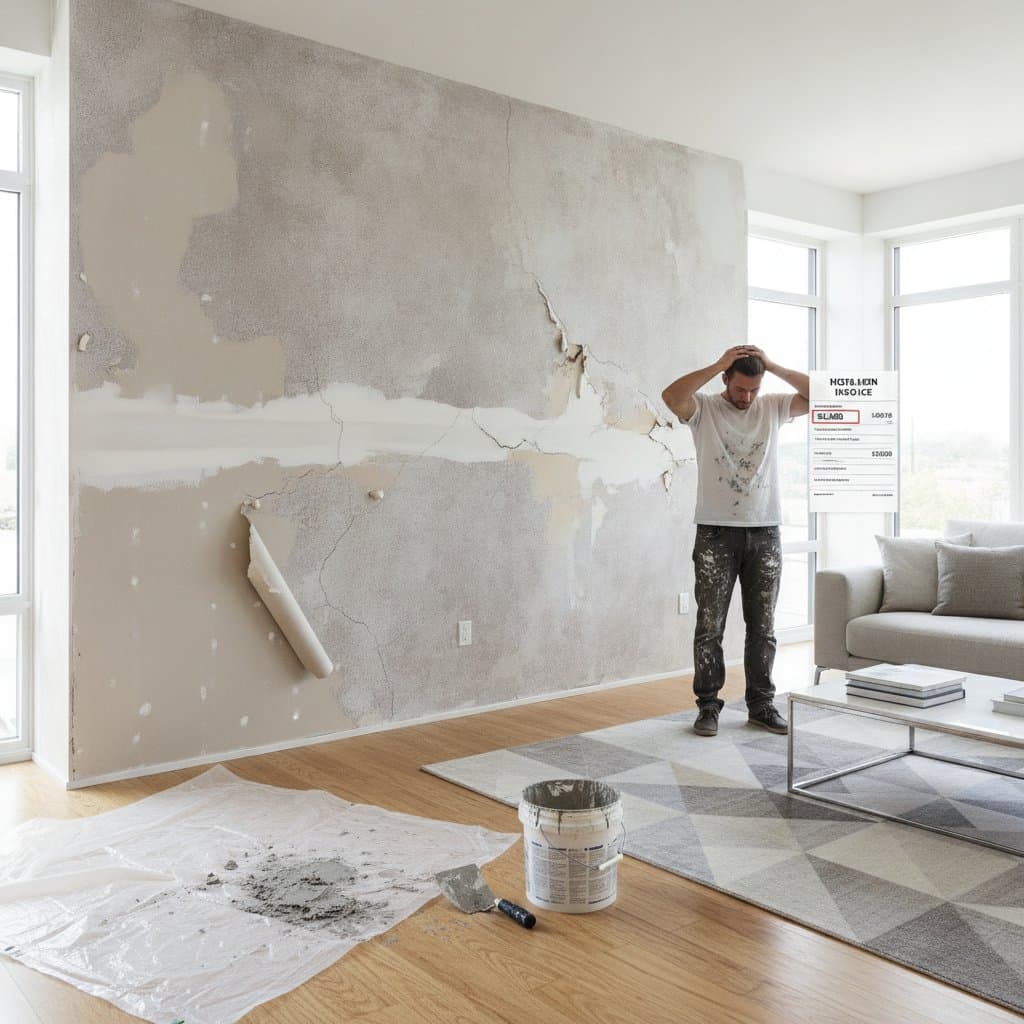
Smooth walls represent a significant shift in interior design. This clean, modern finish elevates any room by reflecting light evenly and providing a polished appearance. Homeowners increasingly replace heavy drywall textures and popcorn ceilings with sleek surfaces achieved through skim coating. The $800 skim coat trend gains popularity because it delivers a high-end result for a reasonable investment per room.
Reasons Smooth Walls Gain Popularity
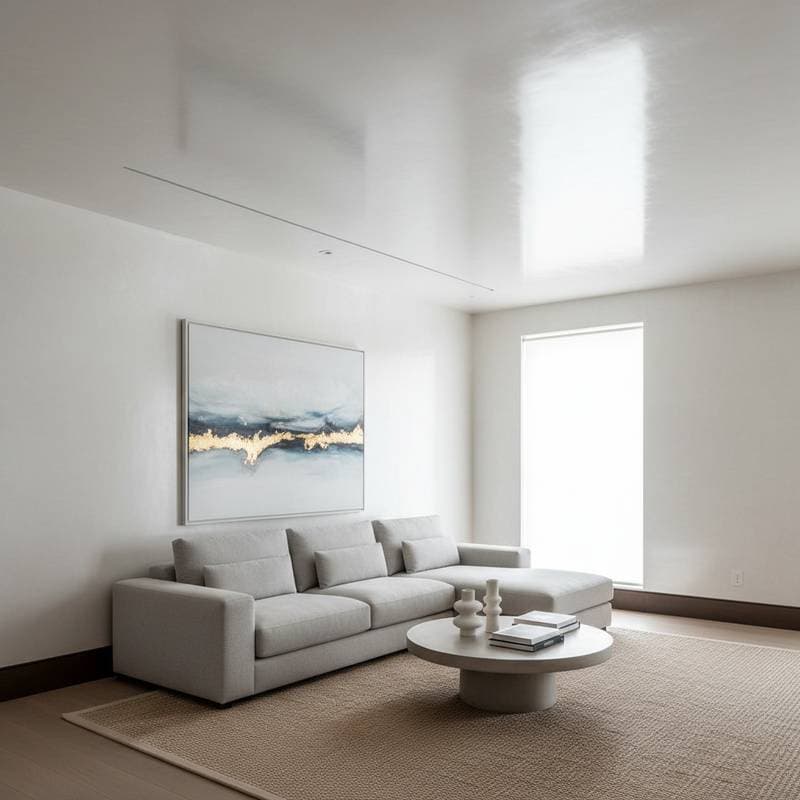
Textured walls historically concealed surface imperfections, yet they also collected dust, absorbed light, and complicated maintenance. Smooth walls distribute light effectively, creating an illusion of greater space and freshness. These surfaces complement diverse styles, ranging from minimalist urban apartments to classic family residences.
In professional settings like television production, smooth finishes ensure consistent visual quality. They appear uniform under various lighting conditions and serve as neutral backdrops for decor elements. Professionals note that textured surfaces often appear flawed in photographs or videos, whereas smooth skim coats project reliability and sophistication.
Understanding the Skim Coat Process
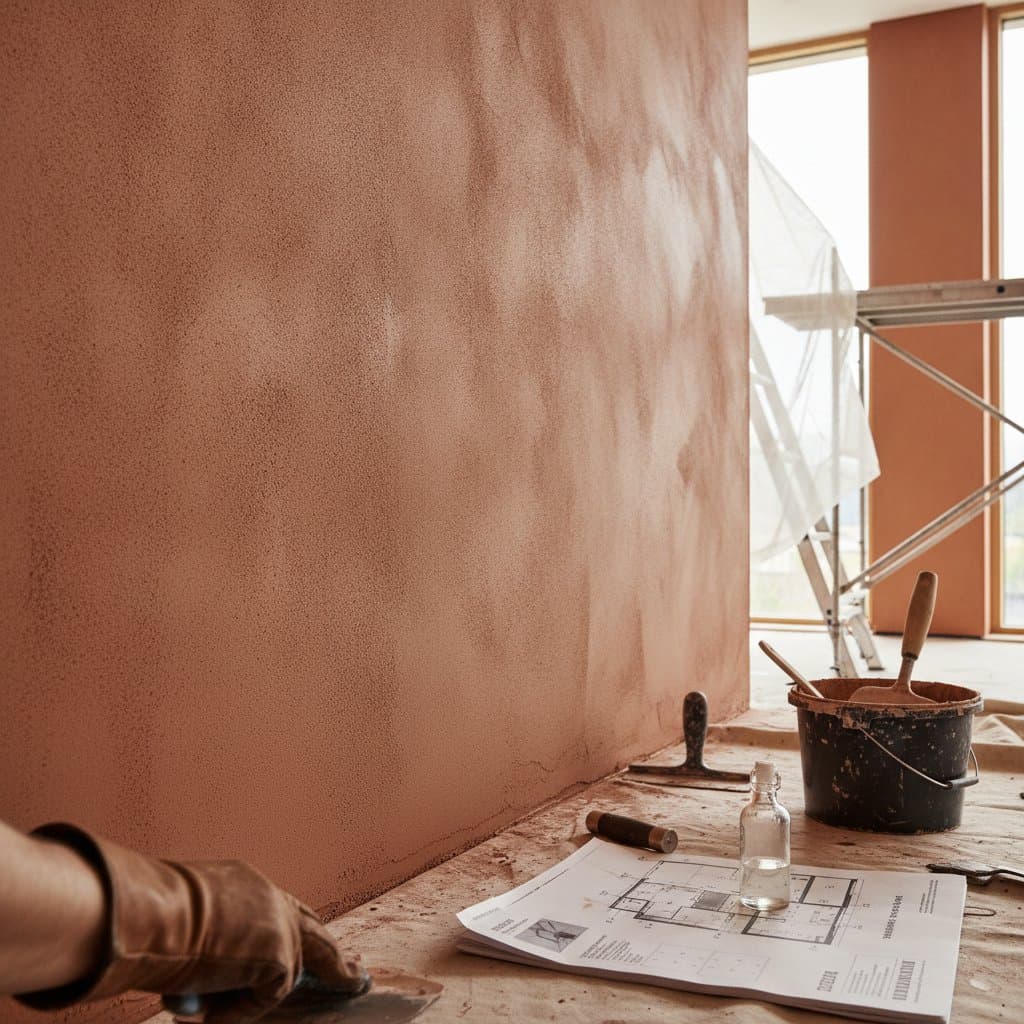
A skim coat involves applying a thin layer of joint compound or plaster over existing drywall to create an even surface. This technique smooths irregularities, fills minor depressions, and prepares walls for painting. While the method requires care, dedicated individuals can execute it successfully with appropriate guidance.
Experienced applicators use a trowel or broad knife to spread several thin layers, followed by light sanding between applications. The outcome rivals the quality of newly installed drywall. Unlike localized repairs, a full skim coat addresses the entire wall for uniform texture and enhanced light reflection.
Breaking Down the $800 Cost
The $800 figure estimates the expense for a standard room, though actual costs vary based on wall preparation needs, regional labor rates, and material choices. This amount typically includes joint compound, primer, sanding supplies, and labor for approximately two days.
Consider these options:
- DIY Approach (under $200): Purchase pre-mixed joint compound, a wide knife, and sanding tools. Allocate time for hands-on application and finishing.
- Professional Mid-Range Service ($500–$800): Engage a specialist for one or two rooms, encompassing basic repairs and priming.
- Premium Application ($1000+): Suitable for expansive areas or conversions from pronounced textures to refined plaster finishes, often using advanced compounds for superior strength.
Such investments endure longer than standard fixes and enhance property marketability. Smooth walls demonstrate attention to detail and aesthetic intent.
Motivations for Removing Drywall Textures
Early textured applications masked construction inconsistencies and tape seams, aligning with informal suburban aesthetics. Current trends favor precise lines and unobtrusive backgrounds that highlight furnishings and artwork. Smooth walls allow colors and accents to dominate without visual interference.
Repainting textured surfaces proves challenging, as brush or roller marks accentuate raised patterns. A skim coated base ensures even application, elevating the appearance of standard paints. From a practical perspective, smooth walls clean effortlessly and minimize dust buildup, benefiting health-conscious environments and those seeking simplicity.
Essential Materials for Skim Coating
Selecting quality products determines the success of a skim coat. Joint compound, referred to as mud in the trade, offers versatility for drywall applications due to its spreadability and sandability. In moisture-prone areas, plaster variants provide greater resilience.
Recommended materials include:
- All-purpose joint compound: Cost-effective and user-friendly for sanding to a fine texture.
- Setting-type compound: Cures through chemical reaction, supporting quicker project timelines.
- Venetian or lime plaster: Imparts a subtle luster and depth for upscale results.
- Primer-sealer: Secures any lingering particles and optimizes paint adhesion.
Preparation forms the foundation: clean walls thoroughly, remove fixtures, repair damages, and protect adjacent areas. Thorough prep yields flawless outcomes.
Recommended Tools for Application
Effective tools contribute equally to achieving a professional skim coat. Assemble these items for optimal results:
- 12-inch drywall knife or stainless steel trowel
- Mud pan or hawk for holding compound
- Sanding pole equipped with fine-grit paper
- Mixer paddle to achieve smooth compound consistency
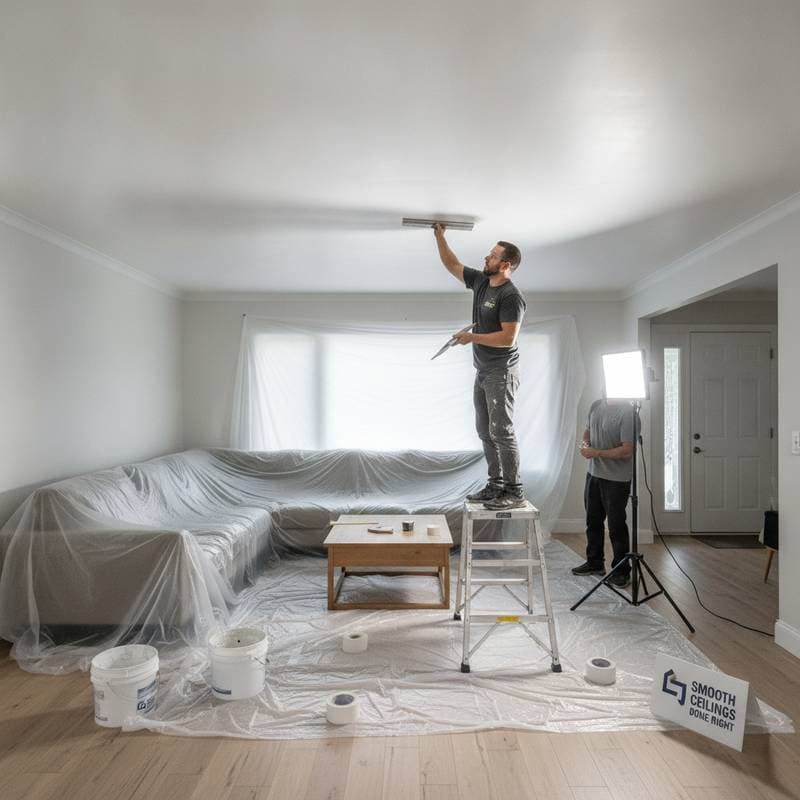
- Adjustable work light to identify surface flaws
DIY practitioners benefit from positioning lights at a shallow angle to reveal inconsistencies. Refine applications until the surface feels seamless to the touch, free of detectable variations.
Proven Techniques for Success
Insights from fast-paced environments like set construction emphasize efficiency alongside precision. Teams apply skim coats to prepare walls for immediate use, adapting methods suitable for residential projects.
Follow these steps:
- Apply thin layers to prevent cracking during drying.
- Feather edges by overlapping strokes for invisible transitions.
- Inspect under angled lighting to catch defects early.
- Apply primer to reveal and correct any overlooked areas.
A coordinated pair can finish a modest room within two days, accounting for drying intervals. The transformation results in radiant, even walls that enhance any paint color.
Professional Advantages of the Trend
Skim coating presents a valuable opportunity for painting and finishing experts. It offers an intermediate solution between routine repaints and extensive overhauls, providing substantial visual upgrades at accessible prices.
Contractors who specialize in smooth wall services foster client loyalty, leading to future projects in areas like millwork or color consultations. This niche also facilitates collaborations with suppliers for exclusive materials, strengthening business networks.
Designers appreciate the flexibility of smooth bases, which support innovative treatments such as limewash or metallic overlays incompatible with textures. This adaptability ensures lasting relevance amid evolving tastes.
Timeless Appeal and Durability
Smooth walls transcend fleeting styles, accommodating neutral tones for serene atmospheres or vibrant hues for bold statements. Integrated lighting creates intentional shadows, enhancing spatial dynamics. These surfaces harmonize with contemporary and traditional motifs alike.
A properly executed skim coat withstands normal wear, resisting fractures when sealed and painted correctly. Routine care remains straightforward, with repairs integrating seamlessly. Over time, the value per year proves economical relative to repeated texture modifications.
Enhancing Daily Spaces
Smooth walls sharpen the perception of surrounding elements, from artwork alignment to trim definition, while optimizing natural illumination. Select durable, cleanable paints in eggshell sheens to preserve reflective qualities.
Future updates allow layering of textures like faux finishes or glazes directly onto the base, promoting creative flexibility. Renters can replicate the effect with temporary solutions such as adhesive panels. Homeowners might start with high-impact areas like entryways to evaluate the change before broader implementation.
The $800 skim coat trend surpasses temporary fads by emphasizing skilled execution and thoughtful design. It fosters serene, adaptable environments that reward the effort invested in every careful application.