The Financial Pitfalls of DIY Level 5 Drywall Finishing
Consider one of the most frequently misunderstood aspects of drywall work: the Level 5 finish. This technique produces exceptionally smooth walls that appear seamless under various lighting conditions. Homeowners often admire this refined aesthetic. However, pursuing a Level 5 finish through do-it-yourself methods typically results in substantial unforeseen expenses. What appears as a cost-saving measure often proves otherwise. This article examines the reasons behind these costs and suggests more effective alternatives.
Understanding the Level 5 Finish Standard
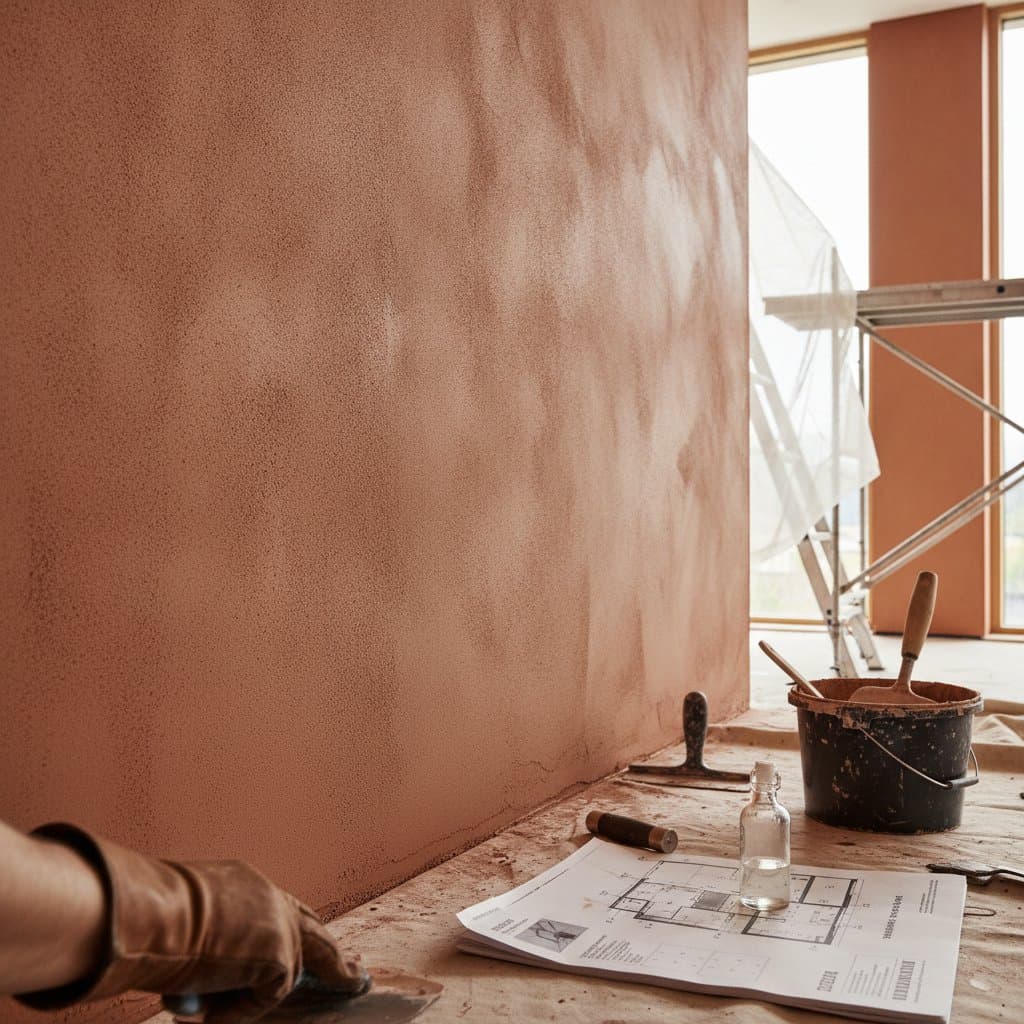
A Level 5 finish represents the pinnacle of drywall smoothness. It involves applying a thin skim coat over taped and filled joints, screws, and fasteners, eliminating all visible imperfections. Once painted, the surface resembles a single, unbroken plane, making it suitable for areas with intense lighting or high-gloss paints. Shadows remain minimal, and reflections appear uniform. This quality enhances the overall elegance of a space.
Achieving this level requires advanced skills, precise timing, and appropriate equipment, which many homeowners lack. The process demands multiple applications of joint compound, meticulous sanding, and a final skim coat applied with the delicacy of fine artistry rather than basic repairs. Even experienced professionals inspect their work under raking light to identify and correct flaws prior to painting.
Reasons DIY Level 5 Finishing Increases Expenses
Initially, a DIY approach may seem economical, potentially saving hundreds or thousands of dollars. In reality, concealed costs accumulate quickly.
1. Excessive Material Consumption
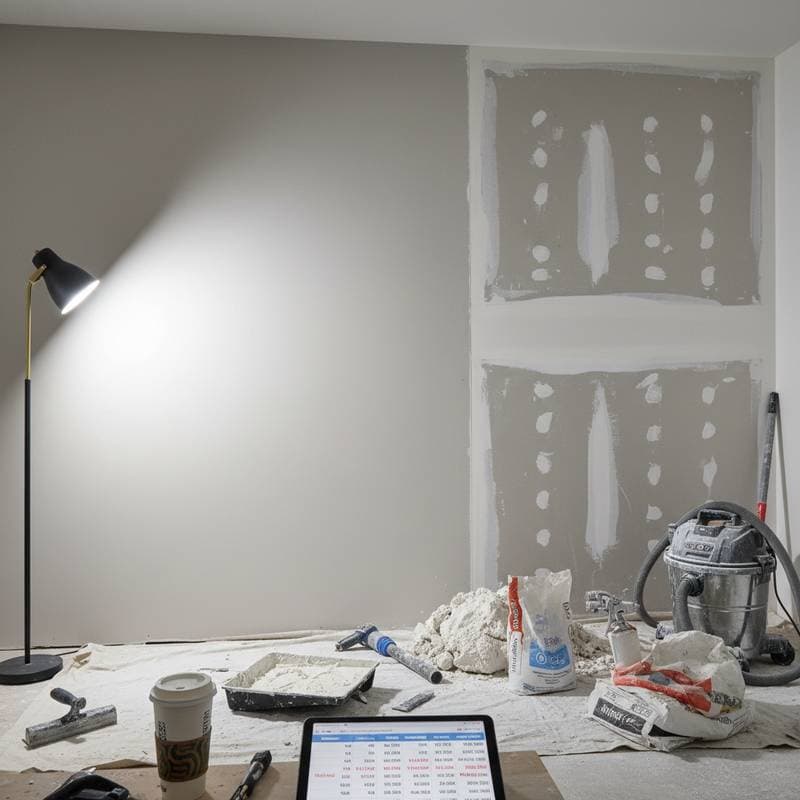
Joint compound costs little per container, but repeated trials lead to significant waste. Inexperienced applicators often spread layers that are too thick or irregular, necessitating additional sanding and reapplication. Each adjustment requires more compound, sandpaper, and effort.
2. Necessity of Specialized Tools
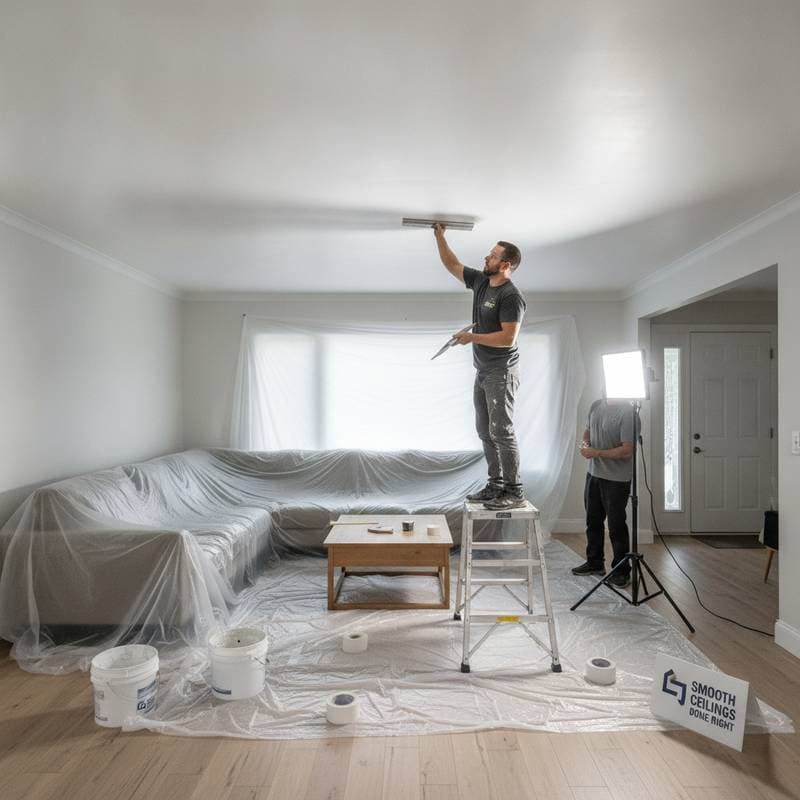
This finish demands equipment such as wide drywall knives, skimming blades, mixing paddles, corner trowels, and powerful inspection lights. Acquiring or renting these items can exceed the labor fees quoted by professionals.
3. Costs from Rework and Corrections
Initial attempts seldom achieve perfection. After painting, imperfections like bumps or streaks become evident. Remedying these issues involves resanding, reapplying compound, and potentially repriming entire sections. Such efforts double the labor, generate excessive dust, and elevate overall spending.
4. The Value of Time Investment
Although individuals may not assign a monetary value to their own labor, time carries inherent costs. Each layer of compound must dry fully, often extending a single room's project over weeks, particularly in humid conditions. Professional teams complete comparable work in days, minimizing disruption and ensuring prompt readiness for painting.
A Practical Example from Professional Experience
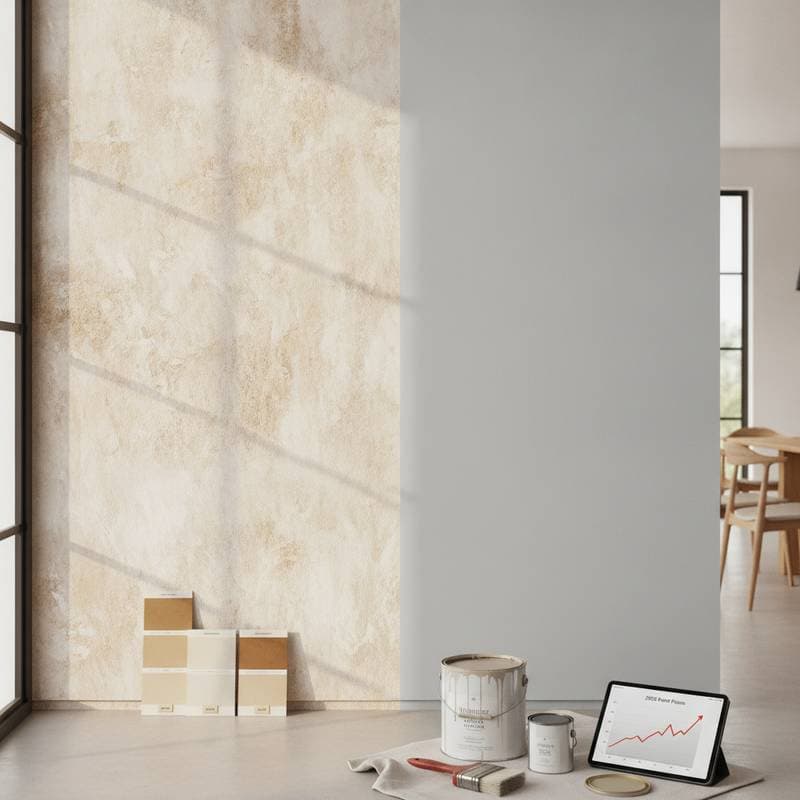
In a recent construction project, a homeowner attempted a Level 5 skim coat in a living room featuring high ceilings and abundant natural light. The design held strong potential. However, the sunlight highlighted every irregularity in the application, resulting in a mottled appearance reminiscent of an unfinished stage set. A hired professional ultimately reworked the entire area, incurring expenses that surpassed the initial estimate. The homeowner's initiative was commendable, yet the revisions depleted both financial resources and motivation.
This scenario illustrates a key point: demonstrations in videos simplify complex processes. Production crews possess years of practice and employ controlled lighting to mask minor errors. In residential settings, daylight exposes all discrepancies, underscoring the value of professional expertise.
Calculating the Actual Expenses
To illustrate, consider estimated costs for a DIY Level 5 finish in a standard room.
Basic DIY Effort:
-
Involves standard joint compound, basic sandpaper, and minimal knives.
-
Upfront cost remains low, though waste and inconsistencies prevail.
-
Potential issues include visible seams under paint and uneven textures.
Intermediate DIY Approach:
-
Requires various compound formulations, broader blades, and a pole sander.
-
Expenses fall in the moderate range, yet lack professional refinement.
-
Challenges encompass fatigue from prolonged work, extensive cleanup, and inevitable touch-ups.
Professional Service:
-
Encompasses skilled labor, premium materials, and established methods.
-
Initial investment appears higher, but avoids errors and accelerates completion.
-
Delivers enduring, impeccable surfaces compatible with diverse paint finishes.
Evaluating these alternatives reveals that the premium option frequently represents the wiser financial decision. Investing in proficiency prevents surplus material purchases, repeated labor, and lost leisure time.
The Expertise Essential for Flawless Results
Success in Level 5 finishing hinges on precision rather than strength. The compound must spread in uniform, slender layers that cure without ridges or air pockets. Intervals between applications prove crucial; applying too early risks damaging the surface, while excessive drying leads to problematic edges requiring aggressive sanding. Professionals assess the wall's condition intuitively, much like an artist evaluates a canvas.
They also employ strategic lighting techniques. In controlled environments, walls may seem flawless from certain angles, but sidelighting reveals defects. Experts use raking light during inspection to detect issues before applying paint, thereby averting subsequent dissatisfaction.
Long-Term Maintenance Considerations
Suppose a DIY Level 5 finish achieves adequacy; ongoing upkeep presents challenges. Minor damages, such as dents or scratches, prove difficult to repair seamlessly due to the uniform texture. Subsequent touch-ups may cause color flashing through the paint, necessitating repainting of larger areas rather than isolated spots. Consequently, lifetime ownership costs rise. Professional applications endure better and minimize such complications.
Practical Alternatives for Achieving Elegance
Full Level 5 perfection is not always necessary for attractive walls. Consider these three viable options that balance aesthetics and affordability.
1. Opt for Level 4 with Enhanced Preparation
A Level 4 finish suffices for many residences. Combine it with a high-build primer and low-sheen paint to conceal subtle imperfections. This method yields a balanced, inviting surface at reduced expense.
2. Incorporate Subtle Textures
In light-intensive areas, apply light textures such as knockdown or orange peel. These elements scatter light effectively and mask minor flaws organically.
3. Leverage Lighting and Color Strategies
Proper illumination influences perceived wall quality. Direct lights downward rather than sideways, and select warm hues to mitigate harsh shadows. Such design choices effectively minimize visible surface variations.
Indicators for Professional Involvement
Engage experts for expansive areas, accent walls, or projects using glossy paints, where precision is paramount. Professionals contribute not only technical skill but also streamlined processes. They arrive equipped, apply consistent layers, and produce reliable outcomes. Many provide guarantees, ensuring that corrections fall outside your purview.
During comprehensive renovations or new builds, involving specialists early facilitates integration with painters and other trades. Drywall quality impacts subsequent installations, from fixtures to millwork. Coordinated efforts across disciplines ultimately lower total project costs.
Business Perspective: The Broader Value of Quality
From an operational viewpoint, finishing quality reflects professionalism. In interior design, imperfect walls undermine the perceived integrity of the entire environment. Specialists recognize that seamless surfaces foster confidence. This extends beyond aesthetics to convey meticulous attention in homes or commercial projects.
Leading contractors and designers collaborate with reputable drywall and painting firms for this reason. Uniformity sustains client satisfaction and operational efficiency. Avoidable rework erodes profitability, while exemplary results enhance credibility.
Embracing the Benefits of Superior Finishing
Ultimately, a thoughtfully completed wall enhances daily living. It supports effortless art placement, flexible lighting arrangements, and straightforward future repaints. This versatility justifies the commitment to professional execution.
To optimize budgets, allocate savings toward accessories, personal decorations, or basic painting tasks. Reserve Level 5 finishing for those with the requisite expertise. The result is lower cumulative spending and walls that perform beautifully under any illumination.