Future-Proof Exteriors: Beat Heat with Advanced Paints
Homeowners confront rising temperatures, intense sunlight, and erratic weather that accelerate wear on exterior finishes. Traditional paints fade, crack, or peel after extended exposure to heat and UV rays. Advanced heat-resistant paints address these issues by maintaining cooler surfaces and preserving appearance over longer periods. Knowledge of their mechanisms, pricing, and selection criteria enables protection of property investments while lowering energy expenses.
The Cost of Heat-Resistant Exterior Paint
Application of heat-resistant exterior paint generally costs between $3 and $8 per square foot, influenced by material quality, surface preparation, and labor demands. For an average-sized home, a complete exterior repaint totals $6,000 to $12,000. These paints incorporate reflective pigments that redirect solar energy, thereby lowering wall and siding temperatures.
Average Cost Ranges by Project Size
- Small home (under 1,000 sq ft): $3,000 - $6,000
- Medium home (1,500 - 2,000 sq ft): $6,000 - $12,000
- Large home (2,500 sq ft and above): $10,000 - $18,000
Cost Breakdown per Square Foot
| Component | Low Range | High Range | Description |
|---|---|---|---|
| Materials | $1.50 | $3.00 | Paint, primers, and specialized coatings |
| Labor | $1.50 | $4.00 | Surface preparation, masking, and application |
| Prep & Repairs | $0.50 | $1.50 | Power washing, scraping, sanding, and patching |
| Additional Factors | $0.25 | $0.75 | Equipment, scaffolding, and protective sealing |
Factors Affecting Heat-Resistant Paint Costs
Several variables shape the overall expense, allowing for precise planning.
1. Paint Technology and Quality
Superior paints feature ceramic microspheres and infrared-reflective pigments for enhanced durability and cooling efficiency. Initial costs rise with quality, yet these options extend repaint intervals by years, yielding long-term savings.
2. Surface Material
Exterior materials vary in heat absorption and reflection. Stucco and brick demand greater paint volume and preparation than vinyl or metal siding. Textured or porous surfaces elevate paint usage and labor time.
3. Color Selection
Lighter colors reflect heat more effectively and generate energy savings over time. Darker hues, though aesthetically appealing, often necessitate additional coats for full coverage and retain more solar heat.
4. Climate Conditions
Areas with intense UV or temperature extremes call for robust coatings with reinforced binders and UV inhibitors. Such formulations raise costs but bolster longevity in harsh environments.
5. Labor Complexity
Multi-story homes, intricate trim, or inaccessible spots prolong labor. Contractors employ safety equipment like harnesses or scaffolding, which adds to expenses.
Detailed Cost Analysis by Paint Type
| Paint Type | Basic Range | Standard Range | Premium Range | Key Differences |
|---|---|---|---|---|
| Acrylic Latex | $30 - $50 per gallon | $50 - $80 per gallon | $80 - $100 per gallon | Water-based, flexible, and fade-resistant |
| Elastomeric Coating | $40 - $70 per gallon | $70 - $100 per gallon | $100 - $130 per gallon | Thick, waterproof barrier ideal for stucco |
| Ceramic Reflective | $50 - $90 per gallon | $90 - $120 per gallon | $120 - $160 per gallon | Contains reflective microspheres that reduce surface heat |
| Silicone-Modified | $60 - $100 per gallon | $100 - $140 per gallon | $140 - $180 per gallon | Highly resistant to UV damage and thermal expansion |
How Paint Quality Affects Durability
Standard exterior paints endure five to seven years before fading or chalking occurs. Premium heat-resistant variants persist ten to fifteen years with routine care. Higher initial investment translates to reduced annual costs through extended service life.
The Science Behind Heat-Resistant Paint
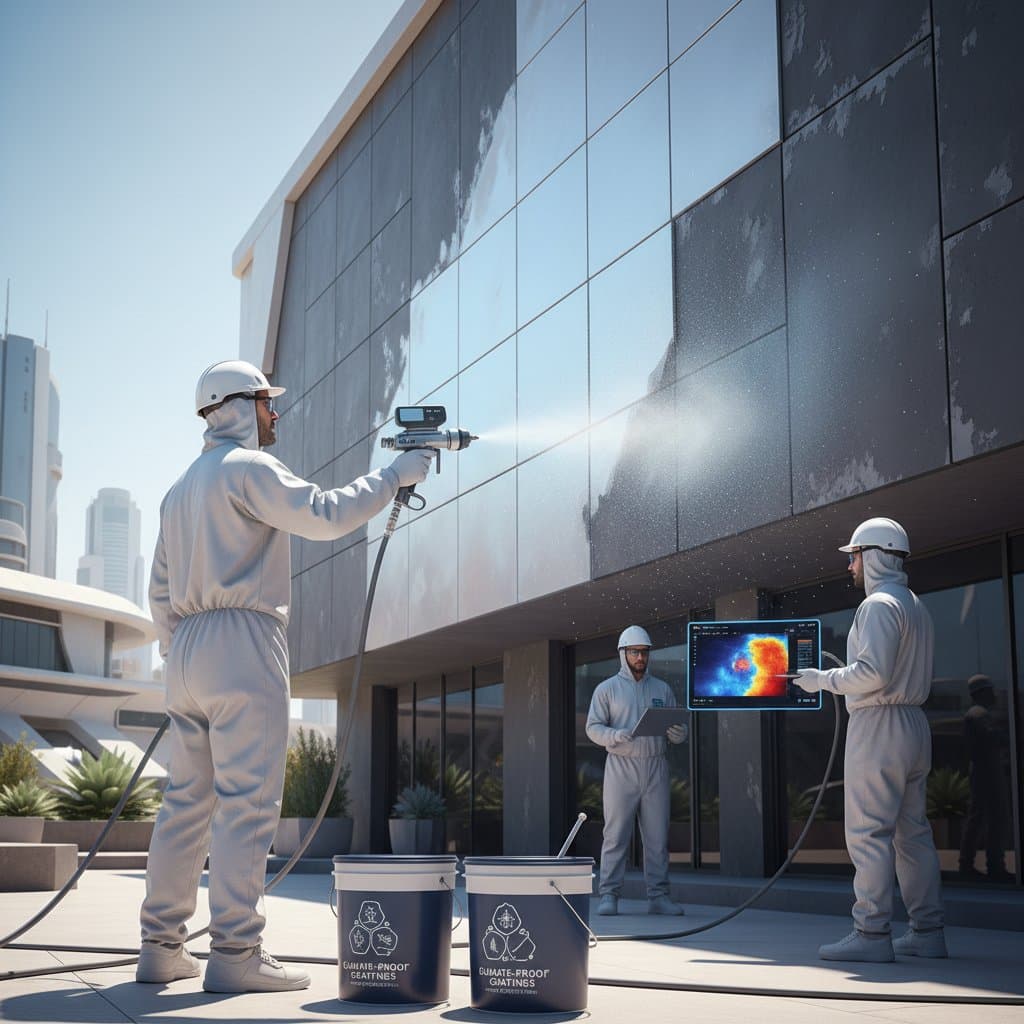
Specialized pigments in these paints reflect infrared radiation rather than absorb it. Sunlight contact results in heat redirection, maintaining lower surface temperatures. This process safeguards color and texture while diminishing interior cooling requirements by several degrees, thereby curbing energy use in peak summer periods.
Common Signs of Heat-Related Exterior Paint Failure
Heat exposure prompts early deterioration if unaddressed. Monitor for these indicators:
- Blistering or bubbling: Moisture trapped beneath expands from heat, lifting paint layers.
- Chalking: Powdery buildup signals UV degradation of paint binders.
- Fading: Gradual color diminution from sustained sunlight.
- Cracking or peeling: Layer separation arises from repeated thermal cycling.
Prompt intervention averts escalation to underlying structural harm.
Energy and Value Benefits
Reflective coatings yield tangible advantages. Reduced exterior heat lessens air conditioning demands, potentially recouping part of the painting investment across seasons. Properties with efficient, maintained exteriors command premium resale values, as prospective buyers value diminished upkeep and utility outlays.
Regional and Climate Considerations
Local conditions dictate optimal paint choices. In sun-drenched Southwest regions, prioritize UV-stable formulas to combat intense radiation. Humid coastal areas benefit from moisture-resistant options that prevent mold growth. Temperate zones allow standard heat-reflective paints, balancing cost and performance effectively.
Money-Saving Strategies for Heat-Resistant Painting
- Combine preparation steps: Integrate power washing and patching to minimize redundant labor.
- Choose lighter shades: Enhanced reflection cools interiors and trims energy costs.
- Schedule during mild weather: Optimal conditions speed application and improve adhesion, cutting rework.
- Request multiple quotes: Evaluate bids from certified contractors for competitive pricing.
- Invest in long-lasting coatings: Premium selections amortize costs over extended durability.
Professional vs DIY Painting
DIY Painting
Independent efforts suit minor projects, with material expenses at $2 to $4 per square foot for paint, primer, and tools. Uniform application on expansive exteriors demands specialized gear and expertise, often leading to suboptimal outcomes.
Professional Painting
Contractor services range from $4 to $8 per square foot, accounting for complexity. Experts manage thorough preparation, precise masking, and cleanup. They guarantee uniform thickness vital for reflective paint efficacy, backed by warranties for enduring results.
Planning Your Budget
Effective budgeting encompasses direct and ancillary expenses. Calculate square footage, apply a rate matching paint type, and incorporate a 10 to 15 percent contingency for surprises like repairs or extra layers. Segment costs for siding, trim, and doors to monitor allocations.
Example Budget Framework
| Category | Estimated Cost | Notes |
|---|---|---|
| Materials | $3,000 - $5,000 | Includes paint, primer, and sealant |
| Labor | $4,000 - $6,000 | Skilled application and prep work |
| Repairs | $500 - $1,500 | Caulking, patching, and surface restoration |
| Equipment | $300 - $800 | Scaffolding, sprayers, safety gear |
| Contingency | $800 - $1,200 | For additional coats or unexpected repairs |
Value and ROI Considerations
Return on investment emerges through energy savings and property enhancement. A $10,000 project might yield $500 annually in reduced cooling bills, achieving payback in 15 to 20 years. Enhanced curb appeal boosts home equity by 1 to 2 percent, amplifying financial returns.
Long-Term Maintenance
Annual inspections preserve exterior integrity. Remove accumulated dirt and mildew, repair minor chips swiftly, and employ gentle cleaning methods. Consistent care sustains reflective properties, prolonging effectiveness and postponing repaints.
Getting Started with Your Project
Assess current paint condition and measure surfaces to estimate needs. Research local contractors via reviews and credentials. Solicit detailed proposals outlining materials, timelines, and guarantees. Proceed with scheduling once aligned on budget and expectations, securing a resilient, cost-effective exterior.
Frequently Asked Questions
1. What is the average cost for applying heat-resistant paint on a home exterior?
Most homeowners allocate $6,000 to $12,000 for a standard two-story residence. Costs vary with square footage, paint grade, and labor intricacies. Premium ceramic or silicone variants command higher prices yet provide extended lifespan and heat deflection.
2. Which factors have the biggest impact on heat-resistant paint costs?
Surface type, paint innovation, regional climate, and labor scope exert primary influence. Textured materials like stucco or brick escalate paint and prep demands. Ceramic or reflective additives raise material expenses while fortifying resilience.
3. How can I save money on a heat-resistant exterior painting project?
Opt for mild-weather timing, select light colors needing fewer applications, and perform basic prep independently. Secure bids from multiple licensed professionals and insist on itemized estimates for transparency.
4. Should I hire professionals or try painting the exterior myself?
DIY approaches cut costs for limited areas but falter on larger scales without proper tools. Professionals deliver reliable coverage, adhesion, and safety compliance, ensuring performance and warranties for substantial undertakings.
5. How do I budget for unexpected costs during painting?
Reserve 10 to 15 percent of project total as contingency for repairs, surplus coats, or upgrades. Scrutinize contractor estimates to anticipate variables prior to commencement.
6. When is the best time to start an exterior painting project for lower costs?
Initiate during moderate temperatures and humidity levels. Such conditions accelerate work and enhance paint bonding, minimizing labor and errors. Off-season bookings often yield discounted rates and prompt availability.