The Rise of Terracotta Paint in 2024 Design Trends
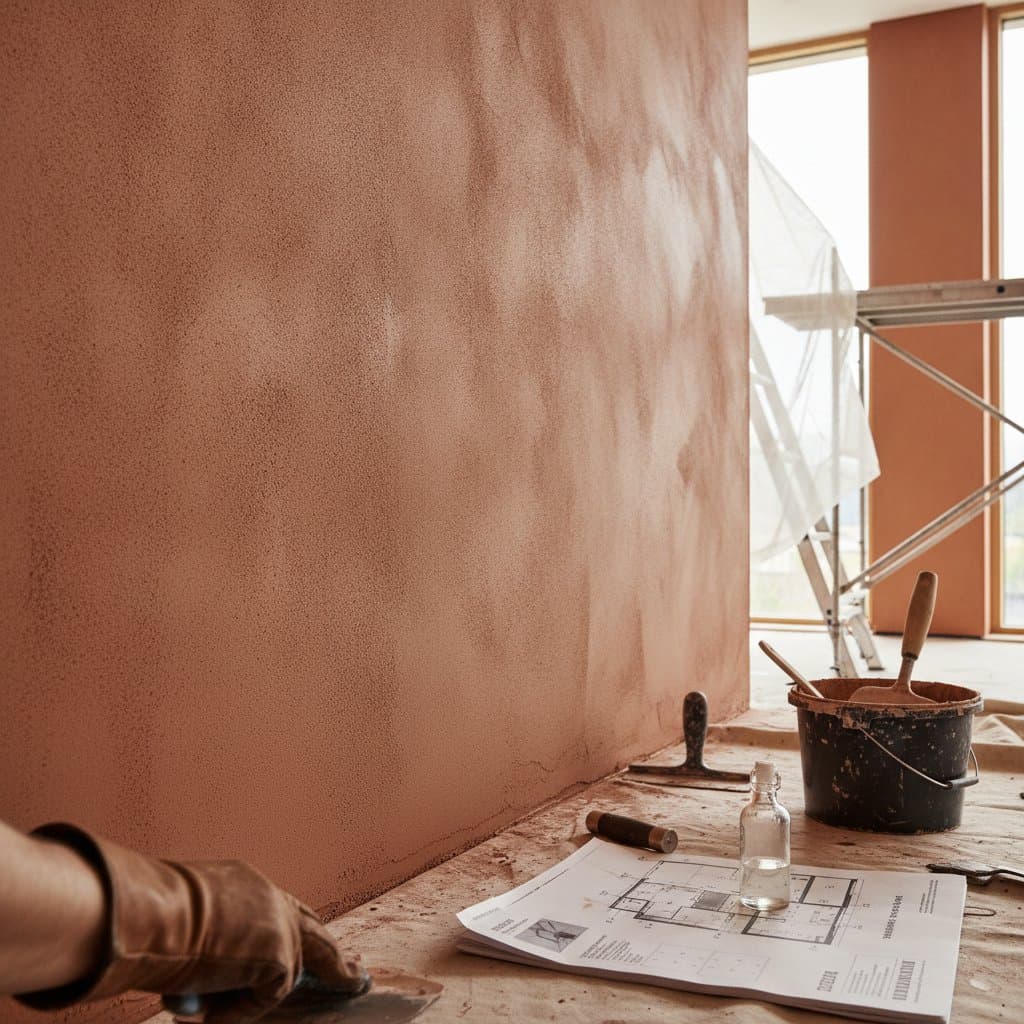
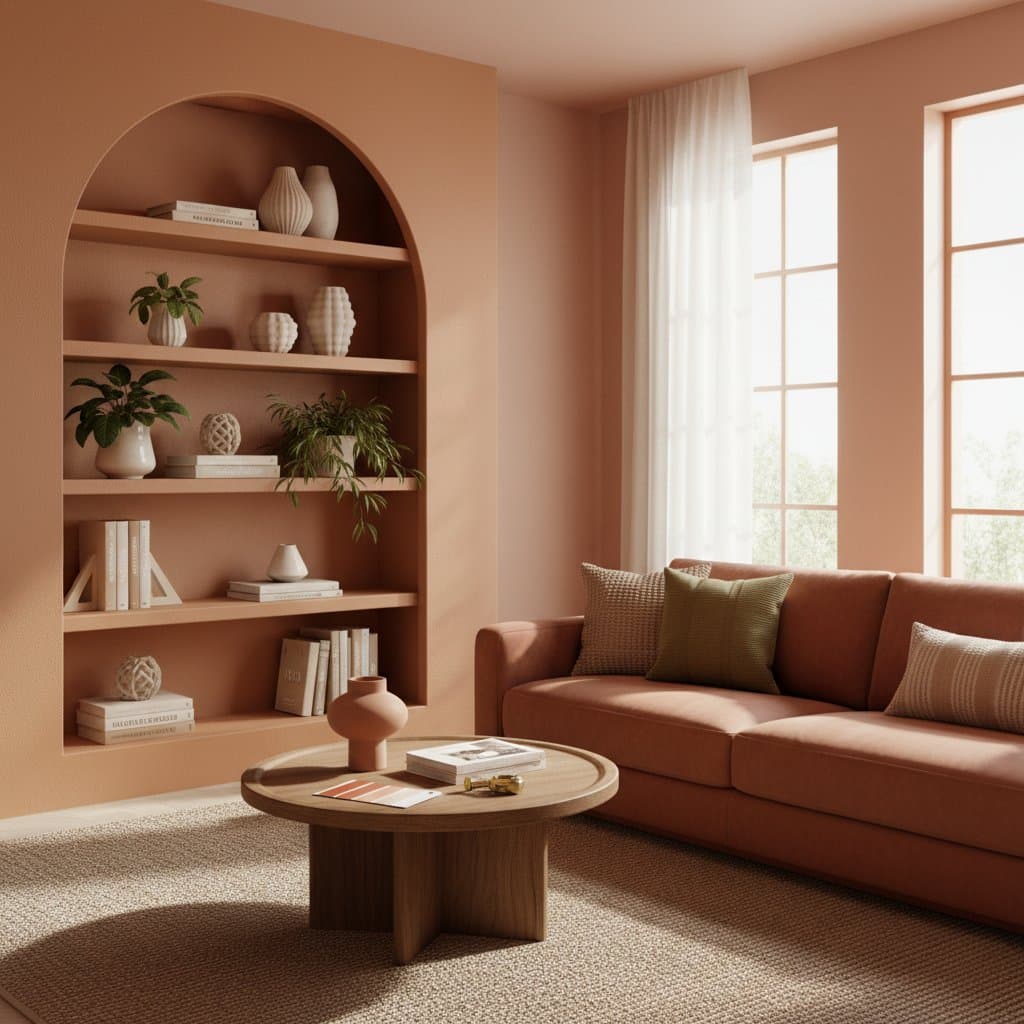
Terracotta paint transitions from a specialized option to a dominant trend, with demand growing by nearly 300 percent in recent months. Homeowners favor this color for its natural warmth and enduring personality. Whether applied to accent walls or entire rooms, terracotta shades transform interiors through their welcoming, sun-kissed richness.
This guide examines the reasons behind terracotta popularity, the expenses involved in home application, and strategies to implement the trend successfully.
Overview of Terracotta Paint Expenses
Applying terracotta shades generally ranges from $2.50 to $6.50 per square foot, covering preparation, supplies, and professional labor. For a typical interior room, homeowners allocate $1,200 to $2,800 when hiring experts. Variations arise from paint grade, wall state, and finish selection.
Expenses by Room Dimensions
- Small room (up to 150 square feet): $400 to $900
- Medium room (150 to 300 square feet): $900 to $1,800
- Large room (over 300 square feet): $1,800 to $3,000
Breakdown of Costs per Square Foot
- Materials: $0.80 to $2.00
- Labor: $1.50 to $3.50
- Preparation and repairs: $0.20 to $0.80
- Additional elements: $0.20 to $0.50
These figures pertain to interior walls with standard paint. Options like textured applications, intricate trim, or focal walls may raise costs modestly.
Elements Influencing Terracotta Paint Pricing
Paint Grade and Finish
Superior paints ensure optimal coverage and uniform color, particularly vital for rich shades such as terracotta. Premium selections withstand fading and produce smoother results. Designer or clay-infused products that mimic terracotta natural matte quality command higher prices.
Wall State and Preparation Needs
Surfaces requiring patches, smoothing, or priming demand additional effort. Terracotta colors highlight imperfections, making thorough preparation essential for a flawless, expert appearance.
Project Complexity
Focal walls, multi-tone schemes, or textured effects extend application time and material use. Such designs elevate total expenses by 10 to 25 percent.
Location-Based Labor Variations
City environments with elevated wages push project totals higher. In contrast, countryside or suburban areas provide reduced rates, though access to contractors skilled in specialty shades may limit choices.
Cost Examination by Finish Options
| Finish Type | Basic Range | Standard Range | Premium Range | Key Characteristics |
|---|---|---|---|---|
| Flat Matte | $2.50 to $3.50 | $3.50 to $4.50 | $4.50 to $6.00 | Provides deep, powdery texture suited to terracotta, conceals small imperfections |
| Eggshell | $2.80 to $4.00 | $4.00 to $5.20 | $5.20 to $6.50 | Offers subtle luster, simplifies cleaning, favored in communal spaces |
| Satin | $3.00 to $4.50 | $4.50 to $5.80 | $5.80 to $6.50 | Delivers mild shine, withstands wear in high-traffic zones like kitchens |
Premium formulations frequently incorporate organic pigments or clay elements for terracotta authentic depth. Although more expensive, they offer enhanced durability and vibrancy, minimizing future touch-ups.
Terracotta Shade Options and Styling Benefits
Terracotta versatility enhances its draw. It complements neutral tones, gentle creams, and wood elements seamlessly. Notable variations encompass:
- Soft Clay: Muted orange-brown perfect for restful bedrooms
- Burnt Sienna: Bold variant ideal for dining areas or highlights
- Desert Rose: Subtle pink inflection for contemporary flair
- Rust Clay: Intense earth shade that anchors expansive rooms
These selections cultivate inviting atmospheres with refined elegance. Pairing with organic fabrics or subdued accents promotes balance in hue and surface.
Investment Returns from Terracotta Painting
Selecting terracotta for a room enhances home appeal through added coziness and uniqueness. Property specialists observe that thoughtfully applied earth tones improve listing photos and attract diverse buyers. Interior painting yields 60 to 90 percent return on investment, varying by execution quality.
Robust finishes prolong intervals between refreshes, curbing ongoing expenses. Allocating extra resources initially secures color retention over extended periods.
Strategies to Reduce Terracotta Project Costs
- Manage preparation independently. Tasks like cleaning, masking, or light sanding lower labor charges by 15 to 20 percent.
- Select mid-level paint brands. They deliver performance close to luxury options at reduced expense.
- Schedule in low-demand periods. Service providers extend discounts when workloads ease.
- Focus on limited applications. Terracotta on select walls generates impact without comprehensive outlay.
- Acquire in volume. Larger purchases decrease unit pricing and maintain shade uniformity.
Steps to Develop a Terracotta Painting Budget
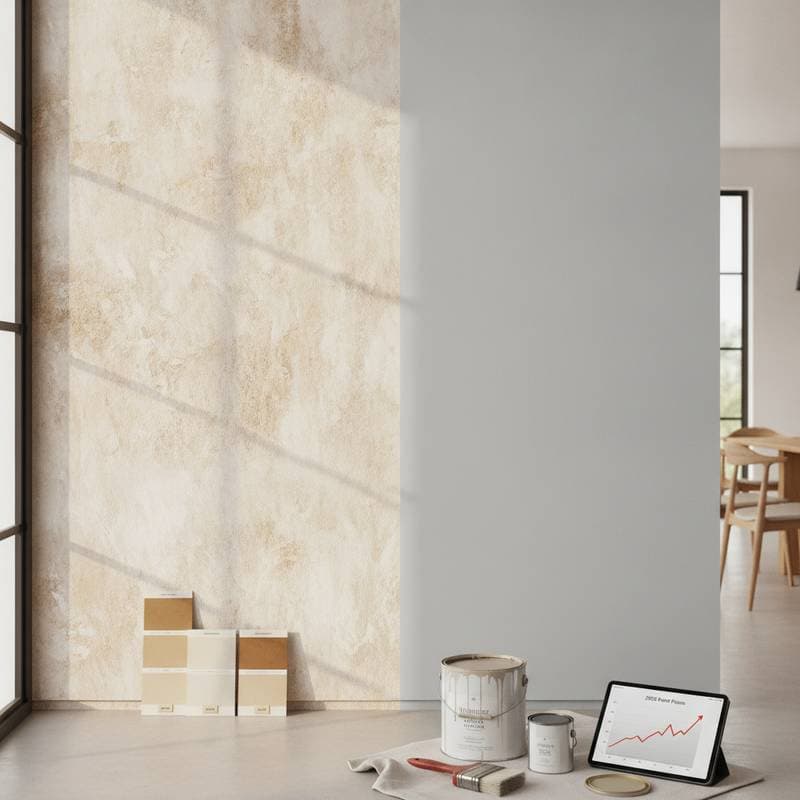
Establish your budget by first measuring the space and estimating square footage. Research local contractors for quotes that include detailed breakdowns of labor and materials. Factor in a 10 to 15 percent contingency for unforeseen elements like additional priming or minor repairs.
Compare paint samples in your lighting conditions to confirm shade suitability before committing. Track expenses with a simple spreadsheet, noting costs for supplies, tools, and any design consultations. This approach ensures comprehensive coverage while aligning with financial limits.
Common Questions on Terracotta Painting
What does a typical terracotta paint project cost?
Homeowners generally budget $2.50 to $6.50 per square foot for labor and materials. For a medium room, expect $1,200 to $2,800, influenced by finish choices and prep requirements.
Which elements most affect terracotta paint expenses?
Selections in paint quality, surface readiness, finish variety, and regional wages shape costs significantly. Rich terracotta shades often necessitate primer or extra layers for complete opacity, modestly raising totals.
How to lower costs on terracotta painting while preserving standards?
Undertake preliminary tasks personally, book during quieter seasons, and target feature walls only. Opting for trusted intermediate paints strikes an effective balance between affordability and endurance.
Is professional help preferable to DIY for terracotta projects?
Self-application cuts labor fees but demands skill for even results. Terracotta reveals inconsistencies readily, so experts produce superior uniformity, particularly in prominent or sizable areas.
How to account for potential extra expenses in terracotta painting?
Reserve 10 to 15 percent of the budget for adjustments, base coats, or fixes. Common surprises involve surface mending or shade tweaks post-initial application.
When should one initiate a terracotta paint project to minimize costs?
Target moderate weather periods with controlled humidity and subdued contractor demand. Such timing grants scheduling ease and potential rate reductions.