Professional Painters Recommend a $15 Cleaner for Optimal Surface Preparation
Professional painters understand that successful painting begins with thorough surface preparation. Before applying any paint, the surface must be free of dirt, grease, and residues to allow for proper adhesion. A concentrated phosphate-free cleaner, available for approximately $15, provides superior results compared to traditional TSP substitutes, without the associated hazards. This section explores the benefits of this cleaner and its role in achieving professional-grade finishes for both professionals and DIY enthusiasts.
Essential Principles of Surface Preparation for Painting
Paint adhesion depends on a clean, matte surface. Contaminants such as oils, soap scum, or chalky residues prevent paint from bonding effectively, leading to peeling or uneven application. Historically, trisodium phosphate (TSP) served as the standard cleaner for removing these contaminants. However, TSP poses risks including skin irritation, environmental damage, and potential residue that interferes with primer adhesion if not rinsed thoroughly.
Contemporary phosphate-free cleaners address these issues while delivering comparable cleaning power. These formulations are biodegradable, suitable for indoor use, and require minimal protective equipment. Priced at around $15 per bottle, they offer value for multiple projects and simplify the preparation process.
Reasons to Transition from Traditional TSP
TSP effectively dissolves heavy grime, but its drawbacks often outweigh the benefits. It can cause skin irritation, corrode metal surfaces, and contaminate outdoor areas during rinsing. Residual phosphates may also compromise paint bonding, resulting in premature failure.
Phosphate-free alternatives provide robust cleaning without these concerns. They eliminate oils, mildew, and smoke residues with a quick rinse, often in pre-mixed forms that eliminate the need for powder dissolution. During a recent project involving a five-person crew, switching to a phosphate-free cleaner reduced odors, accelerated drying times, and produced finishes suitable for high-visibility applications on the initial coat.
Key Features of the Recommended $15 Cleaner
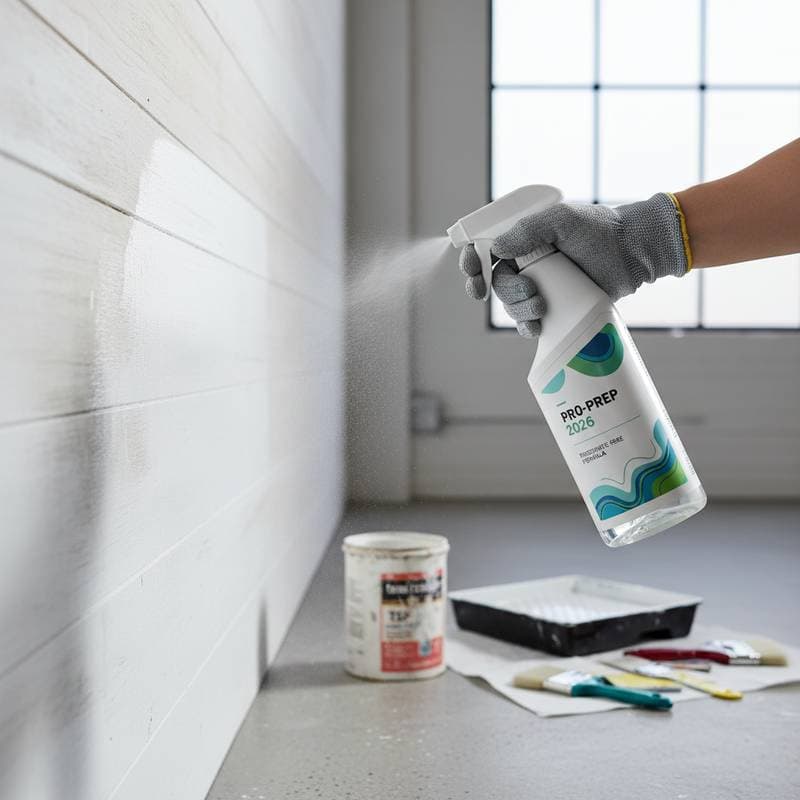
This concentrated phosphate-free cleaner, commonly available as a TSP alternative in hardware stores, excels in professional settings. Dilute a few ounces in warm water to tackle kitchen grease, fingerprints, and wax buildup. It preserves the integrity of painted trim, walls, cabinets, and baseboards.
Advantages appreciated by professional painters:
- Cost-Effective: A single bottle suffices for cleaning multiple rooms.
- Powerful Cleaning: Eliminates contaminants without surface damage.
- Versatile Application: Suitable for wood, drywall, metal, and masonry.
- User-Safe: Features low odor and non-toxic properties when diluted as directed.
- Streamlined Process: Requires no extensive rinsing or leaves no residue.
In practical use, this cleaner has proven effective on rental property walls and luxury kitchen cabinets. It prepares glossy trim and textured ceilings, resulting in a clean, non-slippery surface ideal for paint adhesion.
Step-by-Step Guide to Professional Cleaning
To replicate professional results, follow a systematic approach:
-
Prepare the Solution: Adhere to the product's dilution ratio, typically a small amount per gallon of warm water.
-
Apply Methodically: Use a sponge or cloth, starting from the top to avoid redistributing dirt.
-
Maintain Fresh Solution: Replace the mixture when it becomes cloudy to prevent grime spread.
-
Rinse Thoroughly: Wipe with clean water using a fresh cloth to remove any traces.
-
Allow Full Drying: Ensure surfaces dry completely before proceeding to sanding or priming.
For greasy surfaces like kitchen cabinets, perform two applications: the first to remove buildup, the second to confirm readiness for painting.
Surface Preparation Options Across Budget Levels
Effective preparation remains accessible regardless of budget constraints.
Minimal Budget Options:
- Combine a teaspoon of mild dish soap with warm water for basic cleaning.
- Apply a vinegar-water mixture to address fingerprints or light smoke residue.
- Rinse well and dry fully before painting.
Moderate Budget (Approximately $15):
- Select a concentrated phosphate-free TSP alternative.
- Use one bottle for several rooms or a complete set of cabinets.
- Ideal for walls, trim, and furniture refinishing.
Premium Budget:
- Opt for professional-grade degreasers in commercial or rental scenarios.
- Employ microfiber mops and sprayers for efficiency on large areas.
- Best suited for whole-house or industrial preparations.
Match the method to the surface's condition, prioritizing contaminant removal. Clean first, sand lightly, and apply primer or paint for optimal performance.
Proven Outcomes in Practical Applications
In a kitchen renovation project, this $15 cleaner transformed cabinets burdened by years of cooking residue. Within minutes, the surfaces became clean and receptive to primer, yielding smooth coverage without defects like fisheyes or peeling. The results impressed both the client and the team, demonstrating the cleaner's efficiency.
Proper preparation conserves time, materials, and effort. It ensures reliable outcomes for rental repaints or home updates, minimizing frustrations.
Common Pitfalls to Avoid in Preparation
Even effective cleaners cannot compensate for procedural errors. Consider these frequent oversights:
-
Neglecting the Rinse Step: Residue from any cleaner can persist; perform a water wipe consistently.
-
Sanding Prior to Cleaning: This embeds grease deeper; clean before sanding.
-
Excessive Product Use: Stick to recommended amounts for optimal results.
-
Omitting Hand Protection: Prolonged exposure can dry skin; wear gloves.
Adopting these practices distinguishes amateur efforts from professional standards. A clean, dry, matte surface facilitates superior painting results.
Performance Across Various Surfaces
Drywall: Removes dust and smudges without compromising existing paint, ideal for touch-ups.
Wood Trim: Eliminates wax and polish for reliable primer adhesion.
Metal Doors: Clears fingerprints and minor rust films before oil or enamel application.
Cabinets: Dissolves grease and silicone residues, ensuring paint durability.
Masonry: Clears chalky dust and efflorescence for enhanced bonding.
Test in inconspicuous areas to confirm compatibility. Consistent cleaning builds confidence for diverse projects.
Impact on Paint Durability
Strong adhesion prevents chipping, peeling, and fading. Dirty or oily surfaces cause paint to sit atop rather than integrate, shortening lifespan. This cleaner promotes bonding that withstands daily use, moisture, and routine cleaning.
For businesses, it reduces rework and boosts client satisfaction. For homeowners, it extends the vibrancy of finishes, delaying repaints and associated costs.
Strategies for Professional Efficiency
-
Organize Buckets: Label cleaning and rinsing solutions clearly during multi-room work.
-
Leverage Lighting: Use bright illumination to identify streaks or overlooked areas.
-
Manage Drips: Keep towels nearby to address spills promptly.
-
Ensure Ventilation: Promote airflow to enhance comfort with low-odor products.
-
Verify Surface Readiness: After drying, assess texture; it should feel clean and matte, not slick.
These techniques elevate preparation quality, paving the way for flawless painting.
Business Advantages of Reliable Preparation
From an entrepreneurial perspective, this cleaner serves as a valuable asset. It streamlines workflows, cuts waste, and elevates client experiences. Consistent performance across budgets makes it indispensable for professional kits, including those used by renovation teams.
Contractors can position it as part of a premium service, highlighting eco-friendly practices and meticulous detail. Such approaches foster client loyalty.
Maintaining Painted Surfaces Long-Term
To preserve fresh paint, clean routinely with mild soap and water, steering clear of abrasives that diminish sheen. For future touch-ups, a brief application of the phosphate-free cleaner restores paint readiness swiftly.
Effective preparation forms the unseen base for enduring finishes. This $15 cleaner supports every layer, delivering smooth, resilient results that enhance any space.