Why Limewash Paint Costs Three Times More Than Traditional Paint
Limewash paint attracts homeowners who seek natural finishes and enduring appeal. The material produces a striking matte texture that revitalizes walls, yet projects with limewash frequently demand two to three times the expense of standard paint applications. Homeowners benefit from grasping these cost dynamics to plan projects thoughtfully, reconcile design preferences with financial constraints, and recognize the merits of this organic coating.
Limewash Paint Cost Overview
Residential limewash projects typically range from $4 to $12 per square foot, in contrast to $1.50 to $4 for acrylic or latex equivalents. An average room might require $1,200 to $4,500 overall, influenced by surface readiness and desired outcomes. These elevated figures stem from distinctive materials, precise application processes, and the demanding labor needed for genuine limewash effects.
Average Cost Ranges by Project Size
- Small room (up to 150 sq. ft.): $600 - $1,200
- Medium room (200-400 sq. ft.): $1,200 - $3,000
- Large room (500+ sq. ft.): $3,000 - $6,000
Exterior applications often incur higher charges owing to enhanced preparation, protective measures against elements, and elevated safety protocols.
Cost Breakdown per Square Foot
| Cost Component | Limewash | Traditional Paint |
|---|---|---|
| Materials | $2 - $4 | $0.50 - $1.50 |
| Labor | $2 - $6 | $1 - $2 |
| Preparation | $0.50 - $1.50 | $0.25 - $0.75 |
| Finishing & Detailing | $0.50 - $1.00 | $0.25 - $0.50 |
Factors Affecting Limewash Paint Costs
Multiple elements drive the higher pricing of limewash applications. Homeowners gain insight by examining these components during quote evaluations or budget formulations.
1. Specialized Material Composition
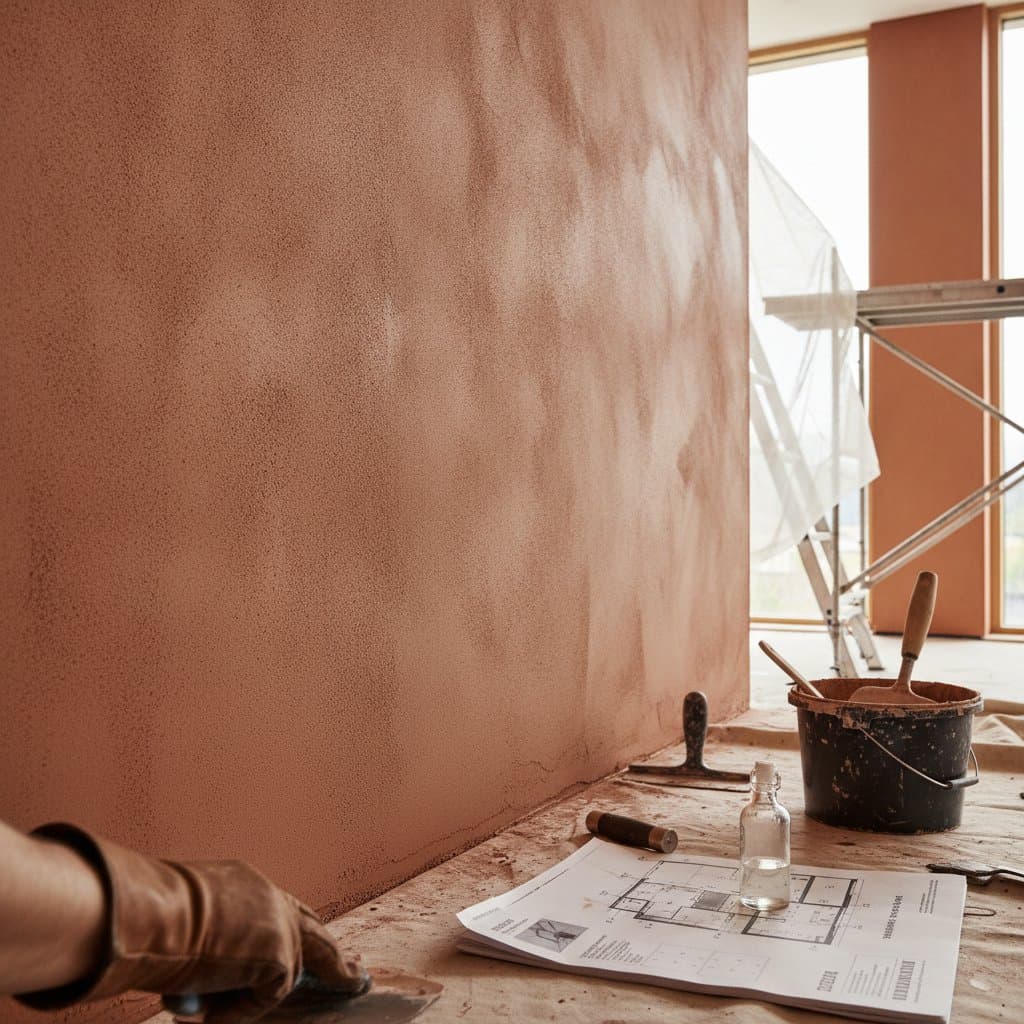
Limewash derives from pulverized limestone mixed with water, natural pigments, and binders. This mineral foundation creates a permeable layer that integrates with masonry rather than coating it superficially. Unlike mass-produced latex or acrylic options, limewash demands targeted sourcing and formulation from niche providers, which elevates expenses.
2. Surface Preparation Requirements
Limewash bonds optimally with absorbent substrates like brick, plaster, or stone. Professionals clean surfaces thoroughly, remove sealants, and may add subtle texturing for adhesion. On contemporary drywall, a mineral-based primer or adhesion promoter proves essential, extending both time and material investments.
3. Skilled Application Technique
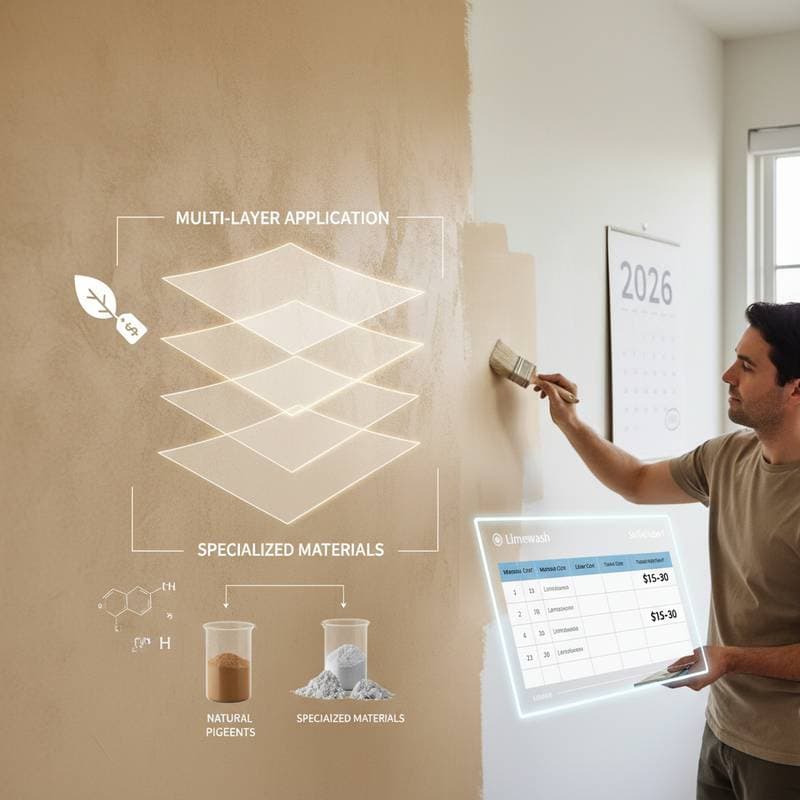
Limewash application diverges from routine painting methods. Workers apply each layer via brushing or stippling in diluted passes, typically two to four coats, with intervals for carbonation. This method requires expertise to yield the subtle shading characteristic of true limewash, justifying premium rates for qualified applicators.
4. Multiple Coats and Drying Time
Standard paints achieve coverage in one or two applications, whereas limewash necessitates several sheer layers. Full curing between coats prolongs the schedule, amplifying labor commitments and overall project timelines.
5. Natural Pigments and Finish Options
Limewash hues originate from mineral-based pigments, not chemical alternatives. These costlier elements demand precise integration for uniformity. Tailored mixing or shade adjustments can increment the budget by hundreds of dollars.
Detailed Cost Analysis by Application Type
| Application Type | Basic Range | Standard Range | Premium Range | Key Differences |
|---|---|---|---|---|
| Interior Walls | $4 - $8 | $6 - $10 | $8 - $12 | Premium involves bespoke pigments and layered textures |
| Exterior Masonry | $5 - $9 | $7 - $11 | $9 - $14 | Incorporates weatherproof additives and safety gear |
| Fireplaces & Accent Walls | $6 - $10 | $8 - $12 | $10 - $15 | Features detailed work and thermal-resistant treatments |
Quality and Longevity Considerations
Limewash demands greater initial outlay, but its durability surpasses that of acrylic finishes with routine upkeep. The mineral makeup resists flaking and deterioration, permitting the surface to mature attractively. Refreshing occurs infrequently, usually through a single overlay rather than complete renewal, particularly on stone or masonry bases. Such endurance mitigates long-term costs.
Value and Return on Investment
Limewash elevates a property's architectural essence. The coating imparts dimension, genuineness, and organic nuance unattainable with conventional paints. In heritage residences or contemporary settings pursuing rustic sophistication, limewash boosts visual merit and exterior allure. Properties featuring limewash often attract discerning buyers in property markets, drawn to eco-friendly and handcrafted elements.
Money-Saving Strategies for Limewash Projects
- Integrate DIY and professional efforts. Homeowners manage initial cleaning and safeguarding, reserving application for experts.
- Confine limewash to focal zones. Target usage on prominent features like mantels, highlight walls, or entryways to minimize coverage area.
- Select ready-mixed pigments. Standard palettes deliver comparable refinement without bespoke formulation fees.
- Time projects strategically. Opt for quieter seasons when professional availability peaks and rates dip.
- Solicit itemized proposals. Scrutinize breakdowns of materials, workforce, and prep to pinpoint efficiencies.
Planning Your Budget
Budgeting for limewash encompasses direct outlays and ancillary expenses. Reserve allocations for prep supplies, bonding agents, and maintenance kits. Incorporate a 10 to 15 percent buffer for unforeseen fixes or modifications amid work. Obtain formal bids from several specialists to assess project scopes, material choices, and completion approaches.
For those exploring self-application, account for tools like specialized brushes, pigment granules, protective attire, and trial mixtures. Though fulfilling, DIY limewash calls for rehearsal and comprehension of substrate responses to match expert standards.
Frequently Asked Questions
1. What is the average cost of limewash paint compared to traditional paint?
Limewash paint generally spans $4 to $12 per square foot, whereas latex or acrylic variants average $1.50 to $4. This gap accounts for bespoke materials, expert workmanship, and extended procedures.
2. What factors have the biggest impact on limewash painting costs?
Primary drivers encompass coat quantity, substrate state, pigment choices, and technique intricacy. Rough or sealed bases necessitate extra prep, inflating totals.
3. How can I save money on limewash painting without losing quality?
Target accents over full spaces, choose off-the-shelf colors, perform preliminary cleaning independently, and book during low-demand intervals.
4. Should I hire professionals or attempt limewash painting on my own?
Limewash demands proficiency and deliberation. Experts guarantee uniform adhesion and curing for resilience. Self-directed efforts suit those practiced, though results vary with skill level.
5. How do I budget for unexpected costs with limewash paint?
Add 10 to 15 percent surplus for repairs, primer tweaks, or surplus layers. Certain surfaces consume more material than anticipated.
6. When is the best time to start a limewash project for lower costs?
Periods of temperate conditions and balanced moisture favor curing. Aligning with contractors' off-seasons yields competitive quotes and adaptable schedules.