Understanding the Shift Away from Flat Paint in Contemporary Kitchens
Flat paint has long appealed to homeowners for its velvety matte look that conceals surface flaws and diffuses light evenly. Professional painters, however, increasingly advise against it for kitchen applications. This change stems from hands-on observations of how such paint performs in environments marked by steam, oils, and routine scrubbing. Homeowners benefit from grasping these insights to select finishes that deliver both elegance and endurance.
Kitchens represent high-demand zones within any residence. Cooking generates vapors, fats, and minute debris that adhere to vertical surfaces. Water from faucets and appliances adds further stress through splashes and condensation. Flat paint, with its porous texture, traps these elements, complicating removal without harming the coating. Consequently, discoloration emerges, particularly near appliances and preparation areas, diminishing the space's appeal over months.
Painters report that even top-tier flat formulations lose luster rapidly in these settings. Initial application yields a flawless result, yet exposure to daily activities reveals patchy dullness and persistent marks. This pattern has prompted experts to advocate for sheens that withstand such rigors while preserving visual harmony.
The Challenges Flat Paint Faces in Kitchen Environments
Flat paint omits the robust binders present in glossier counterparts. These binders form a sealed layer that repels liquids and facilitates wiping. Without them, kitchens expose walls to indelible water marks, greasy residues, and smudges from handling. Attempts to cleanse often strip color layers, resulting in mottled appearances and weakened adhesion.
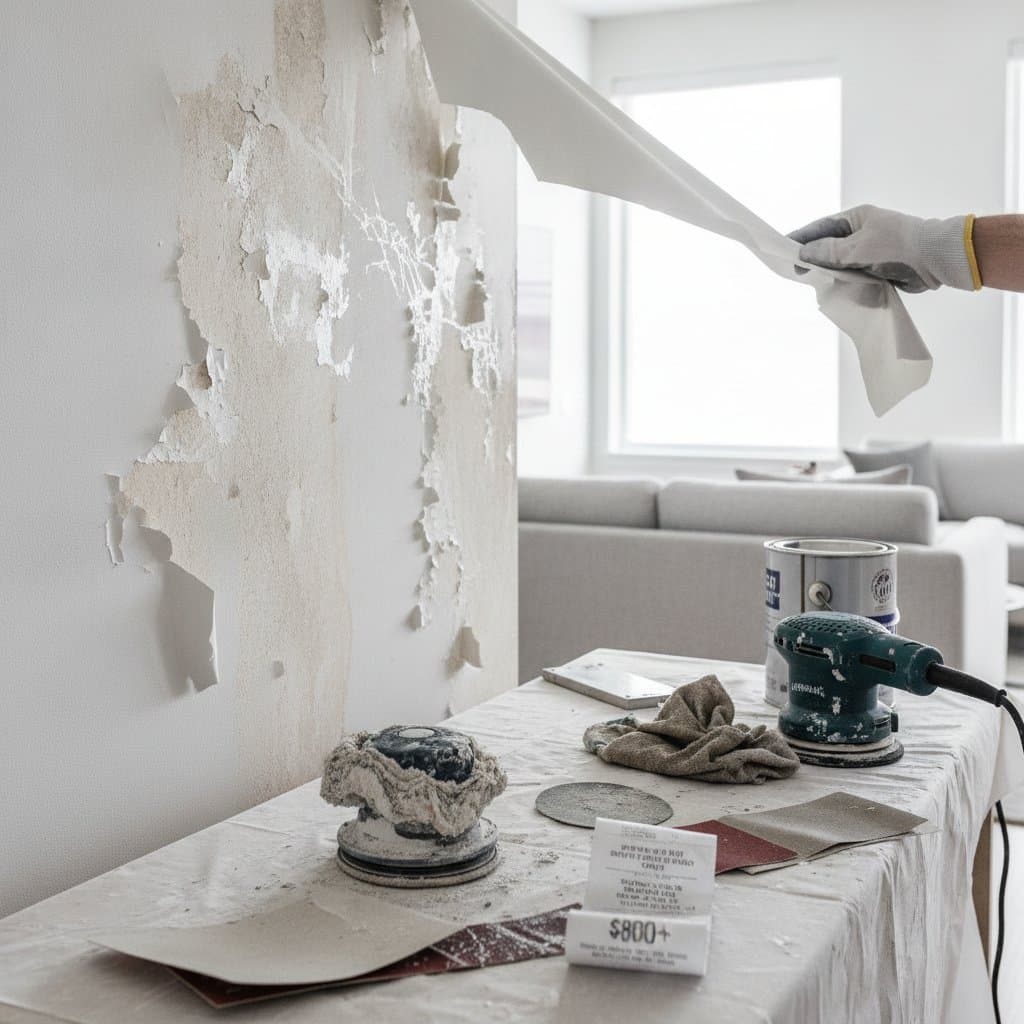
Beyond appearance, flat paint invites structural concerns. Accumulated dampness beneath the surface promotes bubbling, flaking, or fungal development around moisture sources like ranges and basins. Professionals note that these complications necessitate premature refreshes, elevating expenses and disrupting routines. Such vulnerabilities render flat paint impractical for spaces central to meal preparation and family gatherings.
Superior Finish Options for Kitchen Surfaces
Experts endorse sheens that merge subtlety with strength. Consider these proven choices:
- Eggshell: Delivers subtle sheen for gentle light reflection alongside straightforward maintenance, suiting general wall coverage.
- Satin: Provides enhanced moisture barrier with a pearl-like luster, excelling near water-intensive fixtures.
- Semi-gloss: Boasts superior scrub resistance and shine, ideal for moldings, cabinetry, and splash-prone zones.
Each option sustains a refined aesthetic while countering everyday assaults. They deter soiling, endure vigorous cleaning, and retain hue integrity for years, minimizing upkeep demands.
Evaluating Costs for a Kitchen Refresh
Budgeting aids in decision-making for updates. Typical expenditures vary by scope and materials.
Standard Pricing Overview
- Entry-level refresh using eggshell or satin: $400 to $800
- Comprehensive update including cabinet detailing: $900 to $1,600
- High-end application with specialized enamels: $1,700 to $2,800
Core Components of the Service
- Thorough surface decontamination and priming
- Small repairs via patching and smoothing
- Application of two layers from reputable brands in selected sheen
- Precision edging and post-work tidying
Additional Expenses
- Full cabinet overhauls or hue alterations
- Intensive decontamination for oils or spores
- Structural fixes like drywall mending or panel swaps
Influences on Total Investment
| Factor | Influence Level | Specific Instances |
|---|---|---|
| Paint Grade | Medium | Advanced formulas boost longevity |
| Wall State | Significant | Compromised surfaces demand extra labor |
| Room Dimensions | Significant | Expanded areas consume more supplies |
| Hue Transitions | Medium | Bold shifts require extra applications |
These elements guide accurate estimates, ensuring value aligns with outcomes.
Weighing Professional Assistance Against Self-Application
Hiring specialists yields superior results in kitchen repaints. Professionals possess tools and techniques for flawless preparation, including specialized primers that seal porous substrates. They select formulations calibrated for humidity, applying them uniformly to avoid drips or inconsistencies. Such expertise extends the finish's lifespan, often by several years compared to amateur efforts.
DIY approaches appeal for cost savings, yet risks abound. Inadequate surface readying leaves residues that undermine adhesion, fostering early failures. Novices may overlook ventilation needs, trapping fumes or accelerating drying defects. For optimal durability in demanding kitchens, professional intervention proves the wiser investment, particularly for intricate layouts or color complexities.
Steps to Organize Your Kitchen Painting Initiative
Effective planning streamlines the process and curbs surprises. Start by assessing current conditions: inspect for cracks, grease layers, or mold indicators. Consult color swatches under kitchen lighting to predict true tones, testing samples on inconspicuous spots.
Next, secure quotes from licensed painters, detailing desired sheens and scope. Schedule during low-activity periods to minimize disruptions, arranging temporary relocation of appliances if needed. Post-completion, implement habits like prompt spill cleanup and exhaust fan use to preserve the investment.
Common Queries on Kitchen Painting
Why Do Experts Discourage Flat Paint for Kitchens?
Flat paint retains dampness and blemishes, resisting effective sanitation. In humidity-rich areas with oils, it deteriorates swiftly, exposing wear patterns.
Which Sheen Suits Kitchen Walls Best?
Satin or eggshell provide optimal balance. They repel fluids, simplify washing, and mask minor flaws without excessive glare.
What Is the Typical Expense for Repainting a Kitchen?
Standard projects range from $900 to $1,600, influenced by dimensions, material caliber, and preparatory needs.
Is DIY Feasible for Overpainting Flat Finishes in Kitchens?
It is possible, though experts deliver even coverage and enduring quality. They employ area-specific products and rigorous prep for superior outcomes.
How Long Does a Kitchen Repaint Require?
Most efforts span two to three days, encompassing setup, application intervals, and final touches. Extensive or contaminated spaces extend timelines.
How to Maintain Fresh Kitchen Walls?
Choose cleanable sheens, wipe routinely with gentle solutions, and eschew abrasive tools. Adequate airflow mitigates vapor accumulation.
Achieving Lasting Kitchen Appeal Through Smart Finish Choices
Selecting the right paint transforms kitchens into resilient, inviting hubs. Durable sheens not only combat practical challenges but also enhance daily enjoyment. Homeowners who prioritize these options enjoy reduced maintenance and sustained beauty, making every meal preparation a pleasure.