Unlocking $8,000 in Resale Value: Venetian Plaster Versus Drywall
Homeowners seeking to elevate property value often prioritize kitchens, bathrooms, and flooring updates. Walls, however, present an underappreciated opportunity for substantial returns. Venetian plaster, a finish historically used in opulent villas and luxury hotels, now appeals to discerning homeowners for its sophisticated texture, resilience, and ability to command premium prices at resale. This material surpasses standard drywall not only in aesthetics but also in longevity and market differentiation, enabling informed choices that balance upfront investment with long-term gains.
Detailed Cost Analysis
Typical Pricing Structures
Venetian plaster pricing varies by finish quality and application complexity.
- Basic application: $8 to $12 per square foot, suitable for smooth, subtle effects.
- Professional mid-range finish: $13 to $20 per square foot, incorporating layered textures for depth.
- Premium custom designs: $21 to $35 per square foot, featuring metallic accents or intricate patterns.
For a 400-square-foot room, expect total expenses from $3,200 to $14,000. Factors such as existing wall conditions and desired intricacy influence the final figure.
Drywall offers a more economical alternative.
- Installation alone: $1.50 to $3.50 per square foot.
- Full finishing with painting: $3.50 to $6.00 per square foot.
The same room size would cost $1,400 to $2,400, providing a functional base without added flair.
Additional Expense Considerations
Venetian plaster projects may incur supplementary charges for:
- Surface preparation, such as repairs or leveling: $2 to $5 per square foot.
- Custom additives like pigments or metallics: $3 to $10 per square foot.
- Protective sealants or extra layers: Varies by project scale.
Drywall additions typically involve:
- Specialized moisture-resistant panels for wet areas: $1 to $2 per square foot premium.
- Textural enhancements or specialty paints.
- Integrated features like soundproofing materials.
Budget for these elements during planning to avoid surprises.
Installation Timelines
Drywall projects proceed efficiently, often completing a single room in two to three days. This timeframe covers hanging panels, applying joint compound, sanding, and priming for paint. Such speed suits renovations with tight schedules.
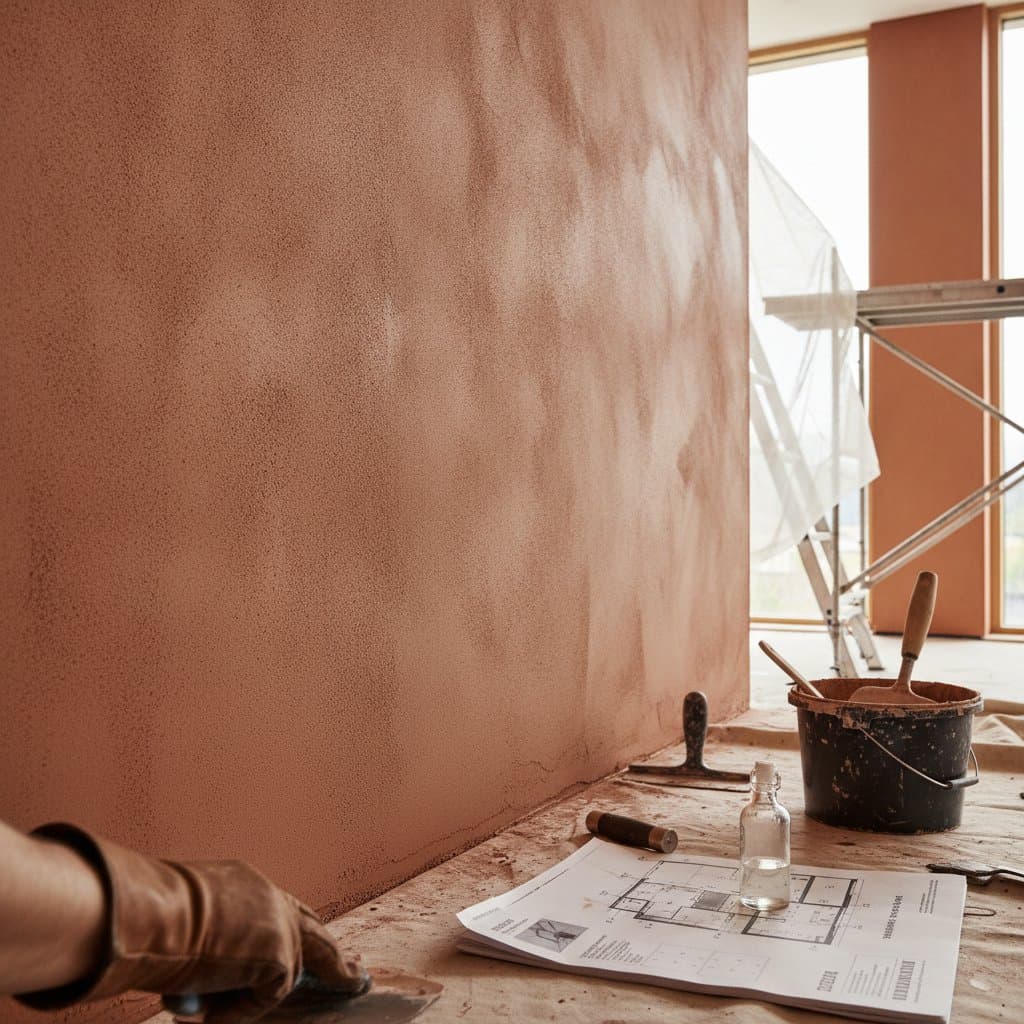
Venetian plaster demands greater precision and patience. Application requires multiple thin layers, each followed by drying and burnishing to achieve a polished sheen. A comparable room typically spans five to eight days, allowing for curing periods that ensure structural integrity.
Both processes necessitate site protection. For plaster, cover floors and fixtures to shield against dust particles. Post-completion cleanup proves straightforward, as the sealed surface repels residues effectively.
Selecting Qualified Contractors
Success hinges on partnering with skilled professionals. For Venetian plaster, prioritize artisans experienced in authentic lime-based formulations over synthetic mimics. Request physical samples and review portfolios showcasing varied textures and color integrations. Expect detailed discussions on coat counts, burnishing techniques, and sealant choices.
Drywall contractors should demonstrate proficiency in seamless joint work and dust mitigation. Inquire about priming methods and finish consistency. Secure written proposals that delineate materials, labor hours, and post-job protocols for both options.
Essential Verification Steps
- Confirm licensing and insurance coverage to safeguard against liabilities.
- Obtain references from recent clients, probing satisfaction with deadlines and outcomes.
- Scrutinize estimates for comprehensive breakdowns of costs.
- Secure contracts specifying payment milestones, schedules, and warranties.
- Evaluate responsiveness during initial consultations.
These measures ensure reliable execution and superior results.
Project Preparation Strategies
Effective preparation streamlines workflows and minimizes disruptions. For Venetian plaster, vacate the space of furnishings and secure coverings over remaining elements. Finalize selections for hues and sheens early, as mid-process alterations prove challenging.
Drywall installation requires completed electrical and plumbing integrations beforehand. This sequencing prevents costly modifications later.
Throughout execution, foster ongoing dialogue with the team. Solicit daily progress reports and verify interim quality standards. Upon finishing, examine surfaces under diverse lighting conditions to confirm evenness and appeal.
Resale Value Enhancements
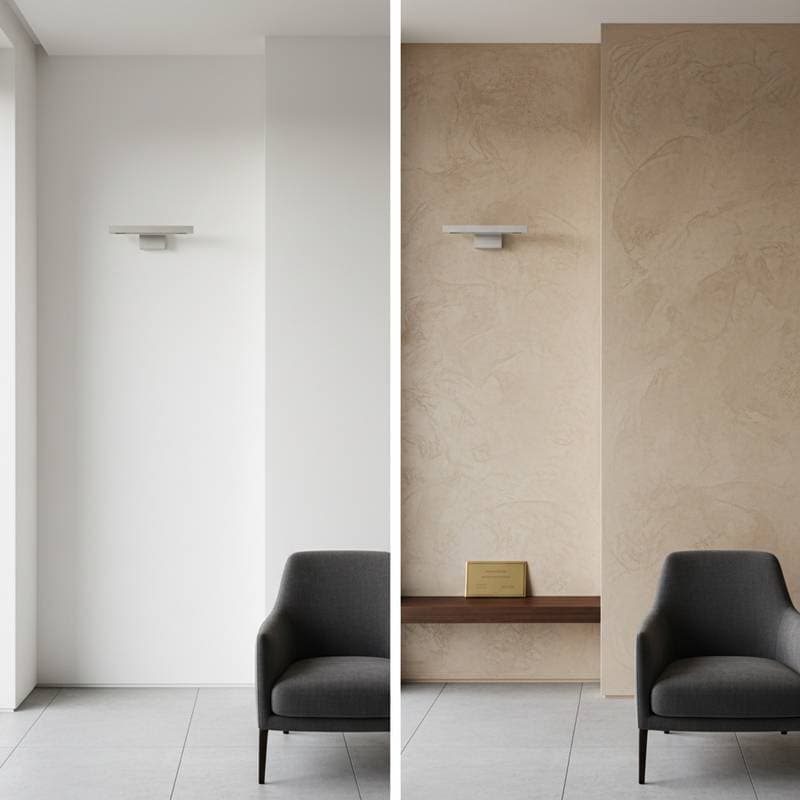
Venetian plaster delivers tangible boosts to marketability. Real estate experts note that properties featuring artisanal wall treatments draw premium bids, particularly in upscale locales. A single room's upgrade can contribute $8,000 or greater to overall value, amplified by the home's scale and local demand for refined details.
Standard drywall serves as a reliable canvas but lacks standout allure. Its affordability appeals to budget-conscious sellers, yet it rarely elevates perceived luxury. Target high-visibility areas like foyers, dining spaces, or primary bedrooms for plaster to maximize buyer impressions and competitive edges.
Durability and Upkeep Essentials
Sealed Venetian plaster withstands daily wear effectively. Minor abrasions resist accumulation, and routine care involves gentle damp cloth cleaning. Repairs integrate smoothly, as pigments permeate the material uniformly, unlike surface-level paints.
The finish ages gracefully, acquiring a subtle patina that deepens character over years.
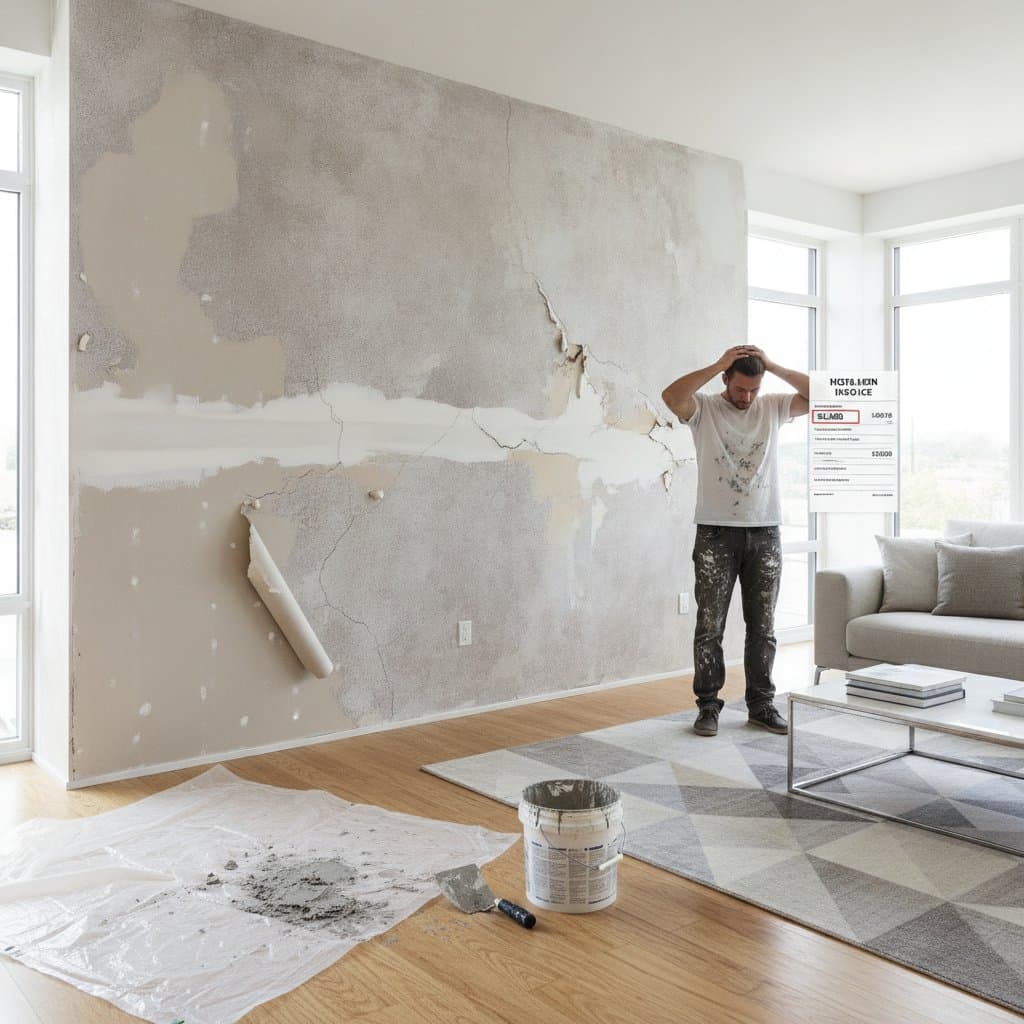
Drywall demands vigilant attention. Paint layers chip or fade, necessitating frequent touch-ups for dents and marks. In damp environments, panels risk deformation or mold without adequate airflow, underscoring plaster's breathable advantages for versatile room applications.
Long-Term Financial Perspective
Initial outlays for Venetian plaster exceed drywall significantly. However, its enduring nature reduces recurring expenses. High-quality applications persist for decades, requiring sparse interventions.
Conversely, drywall painting cycles every three to five years accumulate costs that may rival a one-time plaster investment. Calculate lifetime ownership to appreciate the plaster's value proposition fully.
Weighing Options for Your Home
Assess your goals, timeline, and budget when choosing between Venetian plaster and drywall. Plaster suits long-term residents or sellers aiming for distinction in luxury markets, where its tactile elegance justifies the premium. Drywall fits quick flips or neutral palettes, delivering solid functionality without excess.
Consult local real estate trends to gauge buyer preferences. For targeted impact, apply plaster selectively in focal areas to blend extravagance with practicality. This approach optimizes returns while aligning with personal style.
Frequently Asked Questions
How does the cost of Venetian plaster compare to drywall?
Venetian plaster ranges from $8 to $35 per square foot based on material grade and detailing, whereas drywall costs $1.50 to $6 per square foot with finishing. The disparity stems from specialized labor and artisanal techniques, yet plaster often recoups through enhanced property worth.
What is the typical duration for a Venetian plaster installation?
Projects for standard rooms span five to eight days, accounting for layered applications and curing intervals. Intricate designs extend timelines further. Drywall equivalents conclude in roughly three days, including all phases up to painting.
Is Venetian plaster suitable for DIY efforts?
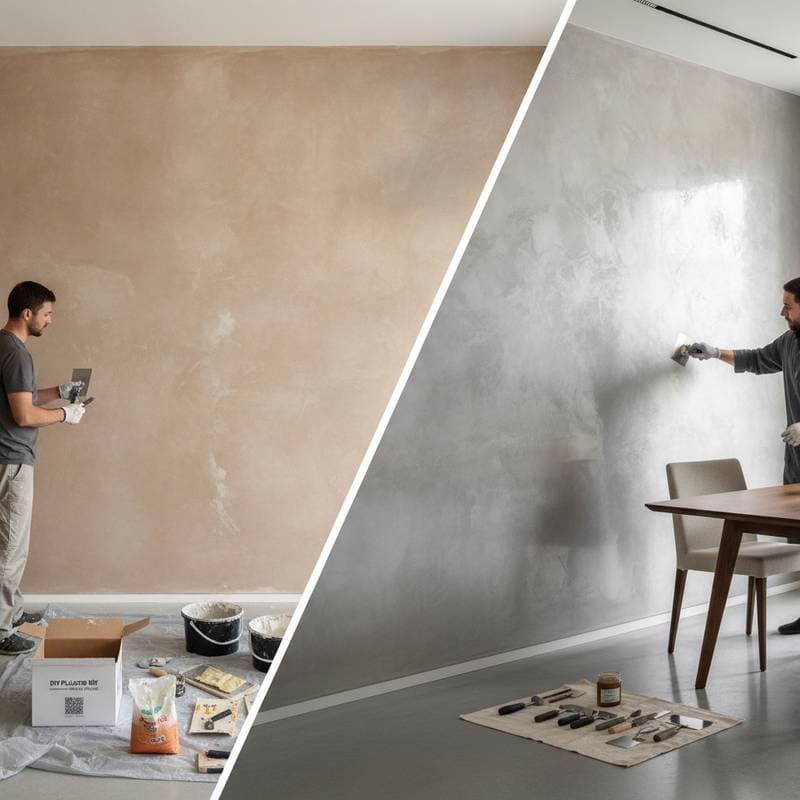
Novices face challenges with its precise application methods. Practice on a small, inconspicuous area to build skills, but engage experts for primary spaces to achieve professional uniformity and endurance.
How to select a contractor for Venetian plaster?
Seek specialists in traditional lime plasters, reviewing samples and project histories. Validate credentials through licenses, insurance, and client testimonials. Insist on thorough proposals covering materials, layers, and sealing protocols.
What maintenance does Venetian plaster require?
Routine dusting and damp wiping suffice for most needs. Sealed versions benefit from periodic light waxing to sustain shine. Superficial marks polish away easily, preserving the finish without extensive rework.
Does Venetian plaster elevate home resale value?
Affirmative; expertly applied plaster distinguishes listings, often increasing offers by thousands. Its sophisticated depth and resilience appeal to buyers valuing bespoke craftsmanship over conventional drywall finishes.