Why Most Homeowners Skip the $800 Sanding Step in Painting Projects
Surface preparation plays a key role in the longevity of any paint job. Yet, many homeowners overlook or reduce this essential phase. The sanding step, typically costing around $800 for an average interior or exterior project, often faces cuts from budgets. Homeowners frequently assume paint or primer can mask surface flaws. In reality, bypassing sanding leads to peeling, bubbling, and uneven results. Grasping the importance of sanding, its costs, and the consequences of omission empowers better decisions for painting investments.
How Sanding Supports Effective Surface Preparation
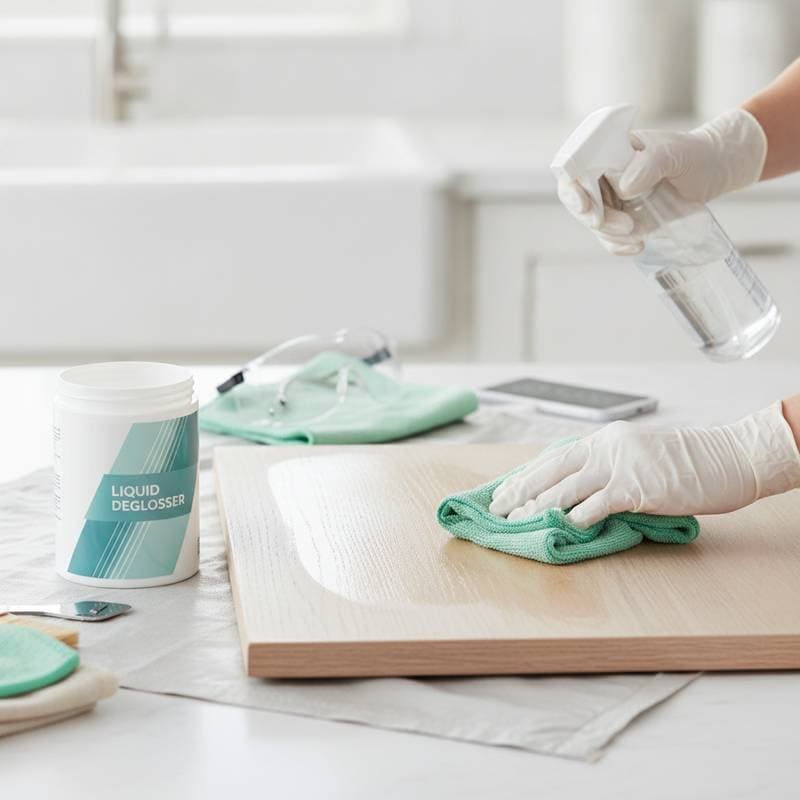
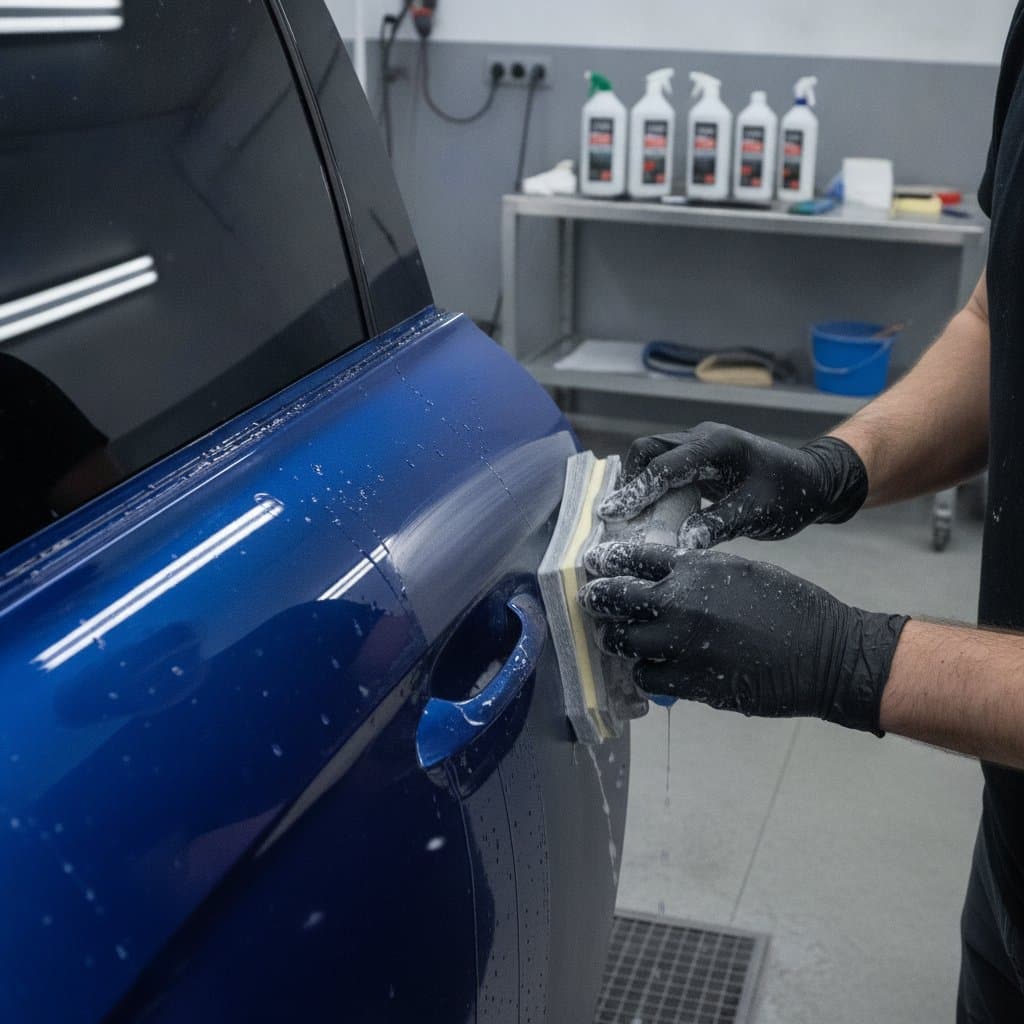
Sanding produces a clean, smooth base that allows paint to adhere securely. This process eliminates old paint, rough spots, and contaminants such as grease or dust. It also scuffs glossy surfaces to promote bonding rather than slippage. On drywall, sanding levels joint compound and repairs. For wood, it exposes the grain for uniform absorption. Even premium paints perform poorly without this preparation.
Experts in painting stress that sanding extends beyond aesthetics. It enhances durability and maintains color consistency over time. Omission results in streaks, textured irregularities, and early peeling.
Breaking Down Project Costs
Typical Cost Ranges
- Basic sanding and preparation: $400 to $700
- Standard sanding with patching and smoothing: $800 to $1,200
- Premium restoration and fine sanding: $1,300 to $2,000
Standard Inclusions
- Labor for sanding walls, trim, and other surfaces
- Dust control measures and cleanup
- Basic patching of holes or cracks
- Additional sanding between coats for smooth results
Additional Expenses
- Repairs for severe surface damage: $150 to $500
- Removal of multiple paint layers: $300 to $600
- Sanding for cabinets or detailed woodwork: $250 to $800
- Advanced dust-free sanding equipment: $200 to $400
Influences on Total Cost
| Factor | Impact on Cost | Examples |
|---|---|---|
| Surface Condition | Higher for damaged areas | Flaking paint, cracks, water stains |
| Project Scale | More time for larger areas | Full rooms or exteriors |
| Material Type | Varies by difficulty | Wood, metal, or drywall methods |
| Tool Selection | Boosts efficiency | Vacuum sanders cut cleanup time |
Reasons Homeowners Avoid Sanding
Homeowners often view sanding as an extra rather than a necessity. Quotes that list it separately as an $800 charge reinforce this idea. Surfaces may appear adequate at a glance, prompting assumptions that self-priming paints suffice. Some substitute wall washing for sanding.
This approach yields short-term savings but long-term drawbacks. Paint on unprepared surfaces peels within months, necessitating repaints that surpass initial prep costs. True economy lies in investing upfront for lasting results.
Consequences of Omitting Sanding
Poor adhesion underlies issues like bubbling or peeling. Sanding creates a mechanical connection between paint and the underlying material. Without it, paint forms a fragile layer vulnerable to moisture, heat, and wear.
Typical problems encompass:
- Peeling: New paint detaches from prior layers.
- Uneven surfaces: Brush or roller marks stand out.
- Inconsistent color: Absorption varies on glossy or rough spots.
- Shortened lifespan: Wear accelerates in high-use areas like kitchens.
Fixes demand stripping, re-sanding, and recoating, often doubling the skipped $800 into $2,000 or more.
Essential Scenarios for Sanding
Certain conditions require sanding without exception:
- Glossy or oil-based paints: Water-based topcoats need abrasion for grip.
- Damaged or flaking surfaces: New paint fails alongside the old.
- Wood elements like trim or cabinets: Achieves smooth grain and crisp edges.
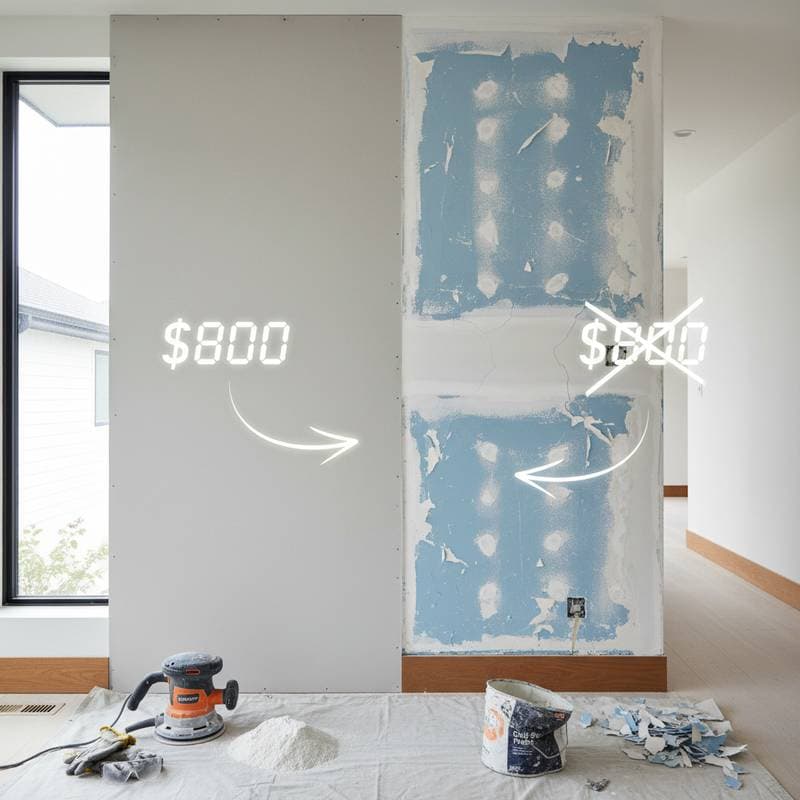
- Drywall fixes: Levels patches for seamless painting.
In these instances, defects emerge inevitably. No technique compensates for inadequate preparation.
Comparing Professional and DIY Sanding
Required Expertise
Professionals deliver even results with controlled techniques. Uneven DIY efforts produce swirls or insufficient roughness, compromising adhesion. Small tasks suit amateurs, but broad areas demand pro tools for uniformity.
Effort and Duration
A pro preps a standard room in four to six hours. Homeowners with basic supplies may invest two days for subpar outcomes. Professional speed often offsets the hire cost.
Tools and Precautions
Experts employ dust-capturing sanders to safeguard air quality and simplify cleanup. DIY without masks or airflow risks health from inhaled particles.
Economic Analysis
DIY cuts labor by $400 to $800, yet sandpaper, tools, and disposables add $150. Factoring time and quality, net savings diminish.
Selecting Contractors for Thorough Preparation
Prioritize painters who detail prep in estimates. Low bids may omit sanding. Inquire about:
- Surface prep procedures.
- Sanding tools and techniques.
- Inclusion and scope of sanding.
- Dust management strategies.
Reliable pros outline passes between coats and provide written specifics. Transparency signals commitment to enduring, high-quality finishes.
Steps to Prepare Your Space
Ease the process with these actions:
- Clear or shield furniture from dust.
- Wash surfaces to clear oils and debris.
- Check for and patch imperfections pre-sanding.
- Ensure airflow through windows or fans.
Maintain dialogue with your contractor for updates. Verify surface smoothness by touch before painting proceeds.
Building a Durable Paint Foundation
Sanding forms the bedrock of effective painting. It safeguards against premature failures and elevates visual appeal. Allocating $800 upfront secures longevity, averts regrets, and maximizes value. Opt for thorough prep in every project, professional or personal, to achieve professional-grade outcomes.