Cove Lighting Preparation: The Foundation for Superior 2026 Installations
Cove lighting elevates interior design by merging practical illumination with refined architectural elements. As trends emphasize multilayered lighting and engaging spaces, cove lighting remains prominent in contemporary and classic residences. The foundation of a successful installation rests on thorough preparation, which shapes the final quality, durability, and expense. Homeowners who grasp this process gain better planning capabilities and sidestep expensive modifications down the line.
This resource details the essentials of cove lighting preparation, associated expenses, influencing variables, and strategies for a design that balances aesthetics with economic sense.
Elements Influencing Cove Lighting Expenses
Each project presents distinct challenges. Recognizing these elements enables precise budgeting and informed selections suited to specific areas.
Surface Readiness
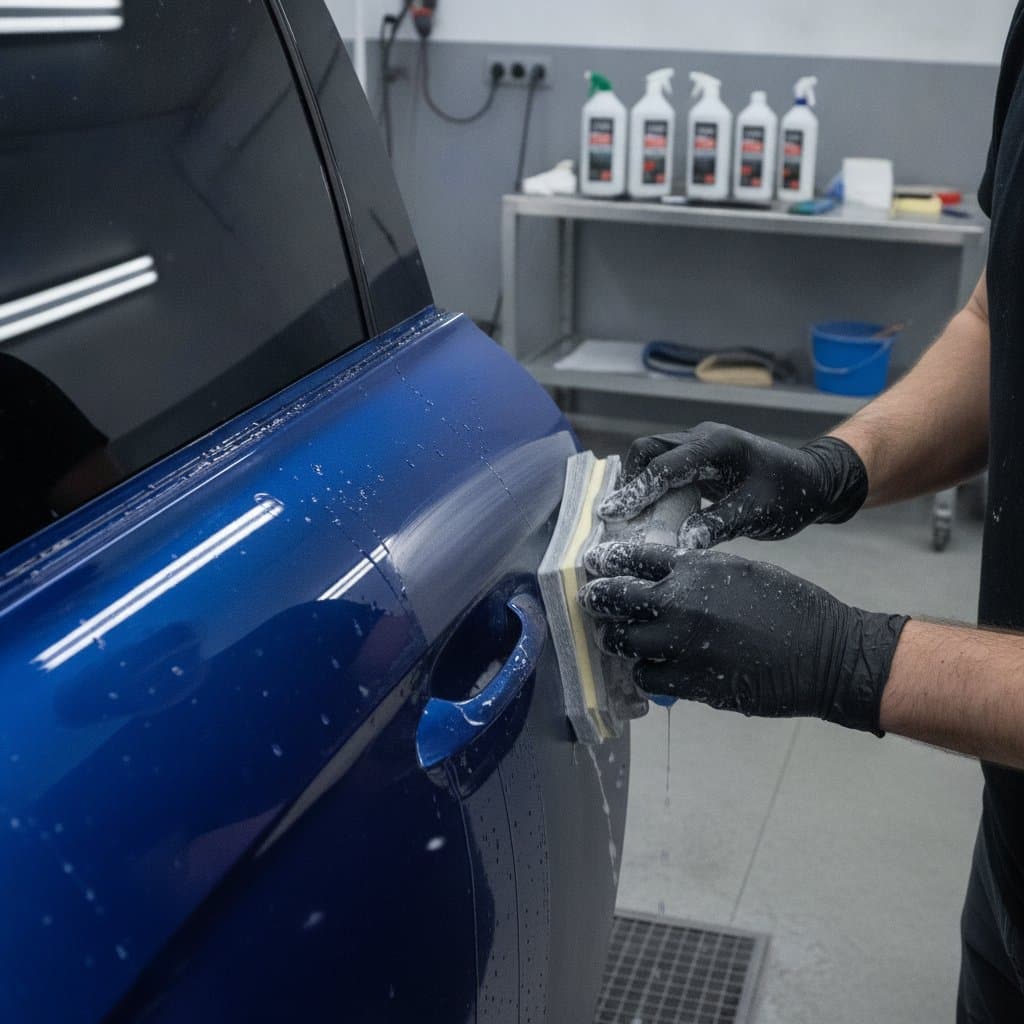
Even, pristine surfaces prove essential for uniform light distribution. Irregular drywall, outdated paint, or compromised plaster generates uneven glows or shadows that compromise the visual effect. Addressing these through repairs and priming contributes $300 to $800 toward overall expenses, yet averts subsequent repaints or fixture realignments.
Spatial Layout
Expansive layouts or areas with elaborate features demand additional forethought. Sloped ceilings, ornamental trim, or varied wall dimensions extend labor hours and material usage. Expert installers might craft bespoke channels or adapt LED enclosures, appending $200 to $600 per space.
Illumination Variety and Caliber
LED cove setups vary widely, each carrying distinct financial impacts:
- Basic white LED strips: $10 to $20 per linear foot
- Adjustable white or hue-shifting systems: $25 to $45 per linear foot
- Intelligent LED integrations: $45 to $70 per linear foot
Superior options deliver enhanced color accuracy, adjustable brightness, and power savings, elevating initial outlay while curtailing ongoing upkeep and substitutions.
Power Infrastructure and Cabling
Residences lacking prewired ceiling recesses often require fresh cabling. Electricians bill $75 to $150 hourly, with cabling tasks adding $300 to $1,200 based on intricacy. Incorporating dimmers or automated controls incurs an extra $200 to $500.
Elevation and Reach of Ceilings
Ceiling altitude and ease of access dictate labor duration. Elevated or ornate molding zones necessitate scaffolding or prolonged setups, inflating costs by 10% to 25%. Structures with restricted overhead entry or thick insulation encounter elevated cabling charges.
In-Depth Expense Breakdown by Component and Treatment
| Component/Treatment | Entry-Level Range | Mid-Tier Range | High-End Range | Primary Variations |
|---|---|---|---|---|
| LED Strip Illumination | $10 - $20 | $20 - $35 | $35 - $70 | Hue selections, power use, automation capabilities |
| Drywall Readiness and Base Coat | $1.50 - $2.50 per sq. ft. | $2.50 - $3.50 per sq. ft. | $3.50 - $5 per sq. ft. | Leveling, base coat standard, refinement degree |
| Recess Channel/Edging | $4 - $7 | $7 - $10 | $10 - $15 | Substance, contour style, resilience |
| Power Setup and Regulation | $300 - $500 | $500 - $800 | $800 - $1,200 | Basic versus automated brightness, cabling demands |
Essential Preparation Phases for Optimal Cove Lighting
Superior outcomes stem from meticulous groundwork. These phases sequence to guarantee balanced light, enduring operation, and polished visuals.
1. Surface Evaluation and Correction
Initiate with a thorough review of ceiling and wall conditions. Address fissures, protruding fasteners, or misaligned seams prior to base coating. In established dwellings, this entails stripping legacy layers or resealing drywall edges. Level planes eliminate aberrations and promote uniform diffusion.
2. Design Mapping and Notation
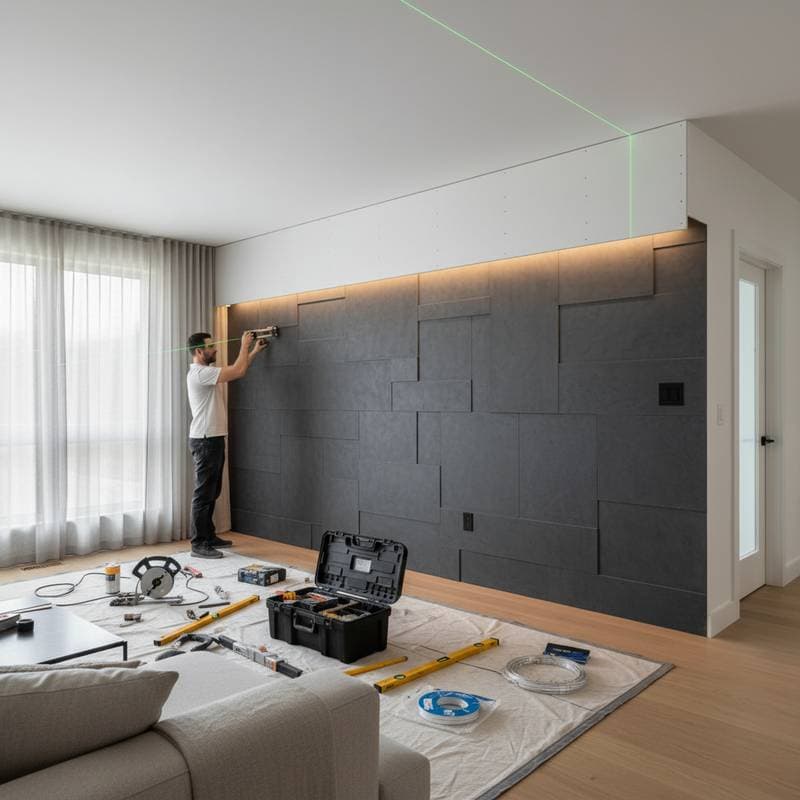
Prior to any incisions or connections, delineate the configuration precisely. This phase positions recesses in harmony with structural components. Accurate intervals foster steady intensity and avoid redundancies. Notation refines material projections, curbing excess.
3. Power System Design
Collaborate with a certified electrician to chart cable paths, outlet locations, and management interfaces. Proactive design circumvents disruptive wall interventions. Verify circuit tolerance and availability to support LED demands securely.
4. Base Coating and Coloring
Post-correction and abrasion, apply premium base coats for optimal layer bonding. Opt for suitable sheens near luminous zones; satin or matte variants amplify radiance without excess reflection.
5. Attachment and Verification of Components
With preparations complete, secure LED housings or tapes and conduct preliminary checks. Verification identifies voids or faults early. Specialists incorporate a brief operational trial before enclosing edges.
6. Edging and Final Touches
Affix border elements or moldings to conceal components and conduits. Durable borders withstand distortion and preserve crisp contours. Conclude with targeted color applications for seamless integration.
Benefits and Investment Returns
Cove lighting extends beyond mere atmosphere. It bolsters asset worth via power conservation, sophisticated visuals, and practical enhancements. Investments in robust groundwork and components yield tangible gains.
Power Conservation
LED cove systems utilize up to 75% less power than conventional sources. This pattern lowers bills and service needs over time. Selecting efficient variants raises startup figures by 10% to 20%, yet recoups through sustained economies.
Adaptive Styling
Cove lighting suits diverse motifs, from sleek minimalism to timeless elegance. It accentuates forms, delineates areas, or infuses coziness into personal quarters. Such flexibility amplifies residence allure and market desirability.
Durability and Upkeep
Sound surface work prolongs component life. Secure bonding, flawless seams, and precise wiring diminish repair instances. Expert execution curbs intermittence, fade, or early breakdowns.
Cost-Effective Approaches for Residents
Cove lighting achieves sophistication affordably through deliberate methods. These tactics sustain excellence amid fiscal restraint.
Manage Initial Tasks Independently
Individuals with foundational abilities can trim labor fees by tackling cleansing, abrasion, and base coating. Delegate power and assembly to experts for compliance and security, yielding net savings.
Select Streamlined Configurations
Linear paths along elevations or planes prove economical over arcs or tiers. Streamlining preserves elegance while limiting surplus and effort. In broad zones, target zones selectively to economize.
Schedule Judiciously
Project rates vary with demand cycles. Off-season timing secures reduced fees or prompt service. Advance material procurement mitigates holdups from logistics.
Evaluate Component Standards
LED variants differ in performance. Intermediate selections match elite luminosity and thrift at diminished prices. Assess metrics like output per watt and hue fidelity for optimal selections.
Integrate with Broader Works
Pair with scheduled coatings, overhauls, or paneling to leverage combined efforts. Overlapping personnel and preparations enhance efficiency.
Structuring Your Allocation
Defined funding keeps initiatives aligned and outcome-oriented. Compute total length and apply selected rates, factoring power enhancements, corrections, and borders. Allocate 10% to 15% for contingencies like extended cabling or refinements.
When reviewing bids, verify coverage of readiness, assembly, and closures. Some providers itemize distinctly; clarity on components avoids add-ons. Seek detailed breakdowns of supplies, workforce, and enhancements.
For funding, consider improvement financing or credit options. Modest endeavors suit direct payment; expansive ones favor phased schedules tied to progress.
Common Queries on Cove Lighting
1. What constitutes the typical expense for preparation and assembly?
Projects range from $2,000 to $8,000, scaled to area and intricacy. Per linear foot, figures span $40 to $70, encompassing supplies, workforce, and groundwork. Tailored motifs, automation, and elite LEDs elevate toward the upper limit.
2. Which elements most affect expenses?
Prominent influencers encompass surface work, power entry, illumination category, layout, and height. Automation integration appends hundreds; irregular planes demand added time and resources.
3. How to economize without compromising standards?
Undertake basic readiness solo, favor thrifty LEDs over elite automation, and simplify paths. Align with concurrent overhauls to share efforts and setups.
4. Is professional engagement preferable to self-assembly?
Professionals ensure code adherence, safety, and precision, especially for power and structural tasks. DIY suits minor, straightforward efforts but risks flaws or hazards in complex scenarios; consult experts for assessments.
5. When to initiate for cost advantages?
Target slower seasons like late fall or winter for diminished rates and availability. Coordinate with adjacent renovations to consolidate expenditures and timelines.