Why LRV Shapes the Future of 2026 Home Colors
Light Reflectance Value, or LRV, represents a key metric in paint selection that influences how spaces appear and function. This value quantifies the percentage of light a color reflects, ranging from 0 for pure black to 100 for pure white. Homeowners who grasp LRV gain the ability to optimize lighting, enhance energy use, and create intentional atmospheres. In 2026, LRV emerges as a central element in color selection, blending scientific precision with aesthetic appeal.
Understanding LRV Fundamentals
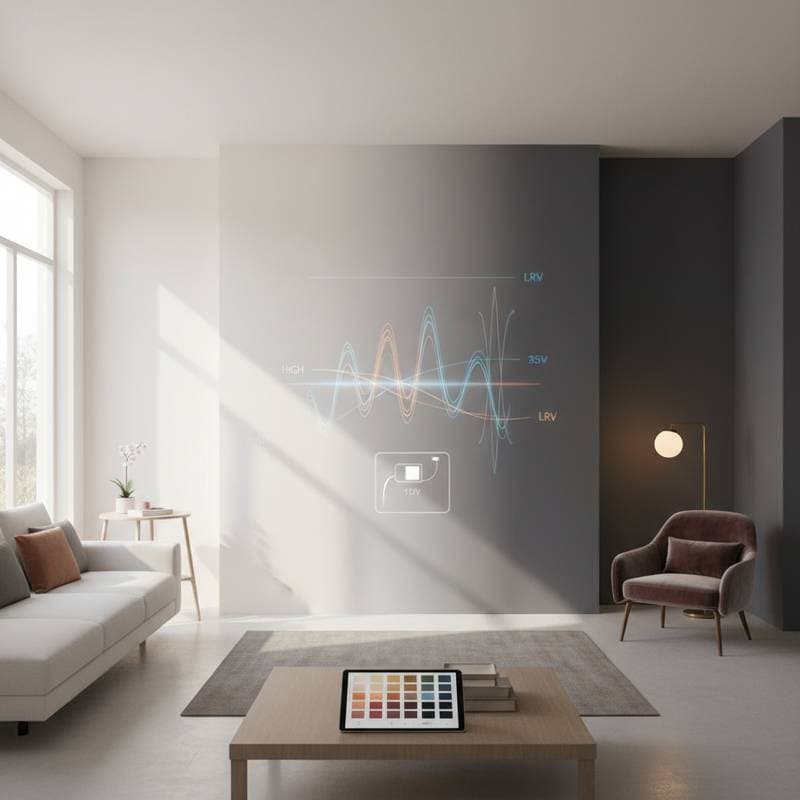
LRV indicates the amount of visible and invisible light reflected by a paint color. Colors with high LRV values, such as 70 or above, distribute light evenly, which expands the perceived size of a room and promotes brightness. In contrast, low LRV colors below 40 absorb light, fostering intimacy and depth in larger areas.
This measurement extends beyond visual appeal to impact daily experiences. For instance, selecting a high-LRV paint for a compact bathroom can counteract dim lighting, while a low-LRV option suits a spacious den for added warmth. Professionals recommend consulting LRV data sheets from paint manufacturers to inform choices accurately.
The Role of LRV in 2026 Color Trends
As design priorities shift toward sustainability and adaptability, LRV provides a reliable framework for color decisions. It enables spaces that respond to natural light variations, reducing reliance on artificial sources. This approach aligns with broader goals of energy conservation and occupant well-being.
Key factors driving LRV's prominence include the following:
- Energy Savings: High-LRV paints minimize the need for overhead lights by maximizing daylight utilization, potentially lowering electricity costs by up to 20 percent in well-lit rooms.
- Emotional Impact: Balanced LRV levels contribute to reduced stress; studies show brighter environments with moderate reflectance improve focus and relaxation.
- Practical Application: LRV ensures colors perform consistently across different room functions, from high-traffic kitchens to serene bedrooms.
- Design Precision: Knowledge of LRV allows for harmonious combinations, preventing issues like overly dark corners or washed-out hues.
These elements position LRV as an essential tool for forward-thinking interiors.
Assessing Light in Your Space
Effective LRV application begins with evaluating existing light conditions. North-facing rooms receive cooler, diffused light that can mute warm tones, whereas south-facing exposures amplify vibrancy. Document these patterns by noting light intensity at various times to predict color behavior.
To test samples, apply small patches to walls facing different directions and observe them over a full day. Record LRV values directly on each swatch for quick reference. This method reveals how a color with an LRV of 60 might brighten a morning nook but soften in evening shadows, guiding refined selections.
Aligning LRV with Room Functions
Tailoring LRV to specific areas enhances both utility and comfort. Consider the primary activities and desired mood when choosing reflectance levels.
- Living Areas: Select mid-range LRV from 55 to 75 for inviting brightness. Neutral tones like warm grays or soft blues maintain openness without overwhelming.
- Bedrooms: Opt for 35 to 55 LRV to promote tranquility. Subdued shades such as muted greens or soft purples create a restful enclosure.
- Kitchens and Workspaces: Prioritize 70 or higher for sustained energy. Light neutrals or pale accents support productivity and cleanliness.
- Media and Relaxation Zones: Use below 30 LRV to minimize distractions. Deep colors like navy or earthy reds improve viewing comfort.
Such targeted choices ensure each space supports its intended purpose effectively.
Implementing LRV on a Budget
LRV principles prove accessible regardless of financial constraints. Start with affordable testing to avoid costly errors.
- Entry-Level Approach: Purchase sample pots and adhere them to poster boards for portability. Rotate these around the room to simulate various lighting scenarios, refining options before full commitment.
- Moderate Investment: Choose paints with integrated primers for uniform application. These formulations preserve LRV accuracy, ensuring long-term satisfaction.
- Premium Options: Engage a color consultant specializing in LRV analysis. They can develop custom schemes that account for your home's unique architecture and orientation.
Maintain consistency by selecting the same sheen level during comparisons, as matte finishes diffuse light differently than glosses.
LRV's Influence on Paint Durability
Beyond initial appearance, LRV affects a paint's resilience over time. High-LRV exteriors resist UV degradation by reflecting sunlight, preserving vibrancy for years. Indoors, appropriate reflectance reduces thermal fluctuations, protecting surfaces from wear.
Painters emphasize LRV in recommendations to extend job longevity. For sun-exposed walls, aim for 60 or higher to combat fading; in shaded interiors, lower values enhance durability without glare. This strategic focus yields practical, enduring results.
Emerging Trends in 2026 Palettes
Forecasts for 2026 highlight adaptive neutrals that leverage LRV for dynamic effects. Layered tones in whites, grays, and earth hues adapt to light shifts, offering subtle elegance. These selections prioritize harmony over bold statements.
Innovators experiment with contrasting LRVs, such as light walls paired with dark accents for definition. In open plans, varying reflectance zones subtly delineate areas, like a 40 LRV dining section flowing into a 65 LRV seating space. This technique fosters cohesion without physical barriers.
Professional Techniques for Light Management
Drawing from production design, LRV optimizes visual outcomes in residential settings. Mid-range values of 55 to 70 suit spaces intended for photography, capturing details evenly.
To emphasize textures, combine low-LRV matte walls with reflective elements like metallic hardware. For narrow corridors, apply high-LRV paint to walls and ceilings, creating an illusion of width. These methods deliver measurable enhancements in perception and appeal.
LRV in Professional Practice
For design businesses, LRV bridges artistic vision with quantifiable benefits. Paint and fixture manufacturers now incorporate LRV metrics into specifications, aiding precise integrations. Consultants leverage this data to demonstrate value, such as cost savings from reduced lighting needs.
This expertise builds client confidence by translating complex concepts into clear advantages. Professionals who master LRV differentiate their services, aligning creativity with operational efficiency.
Evaluating Design Effectiveness
Integrating LRV reshapes the entire selection process, extending consideration to furnishings and textiles. Observe how light interacts across materials to achieve balance.
Validate choices by spending time in the completed space under varying conditions. If light transitions feel seamless and atmospheres align with intentions, the application succeeds. LRV empowers homeowners to craft environments that evolve with daily life, maximizing both form and function.