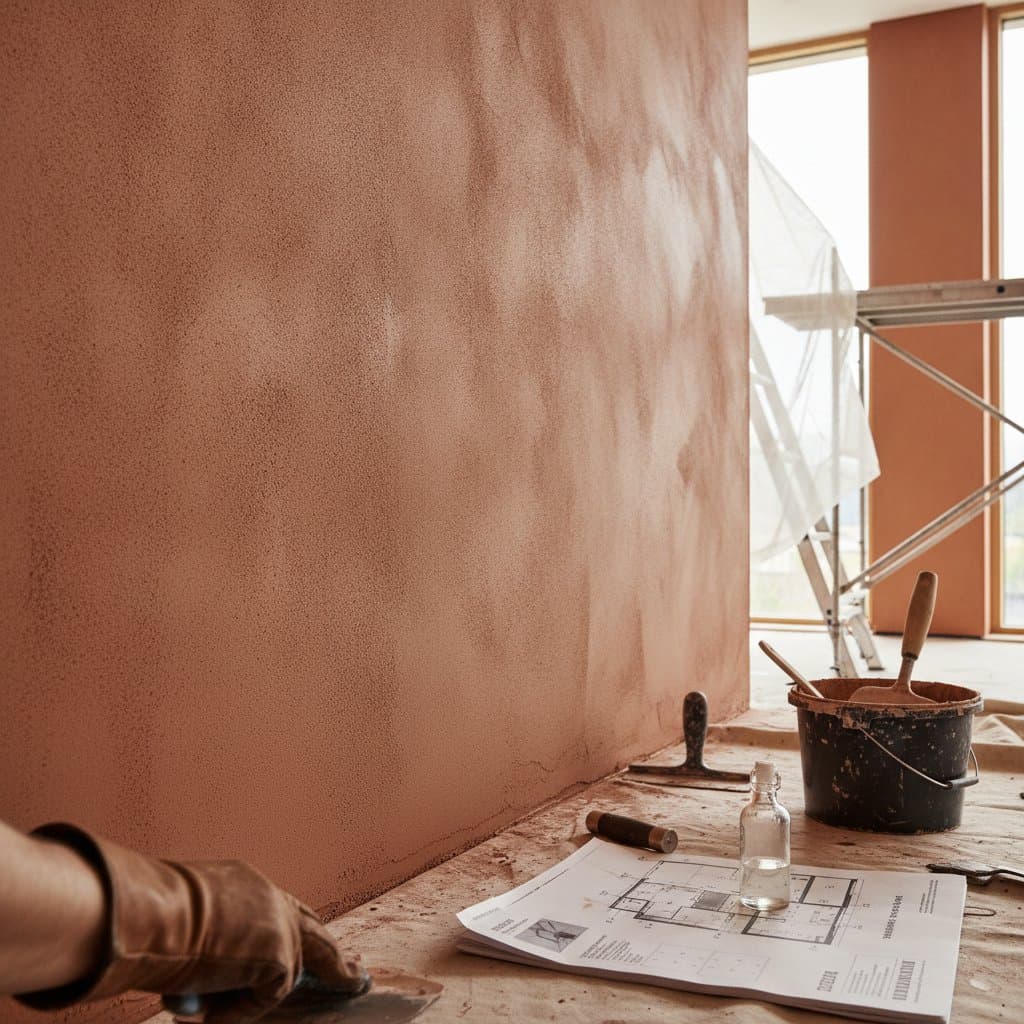
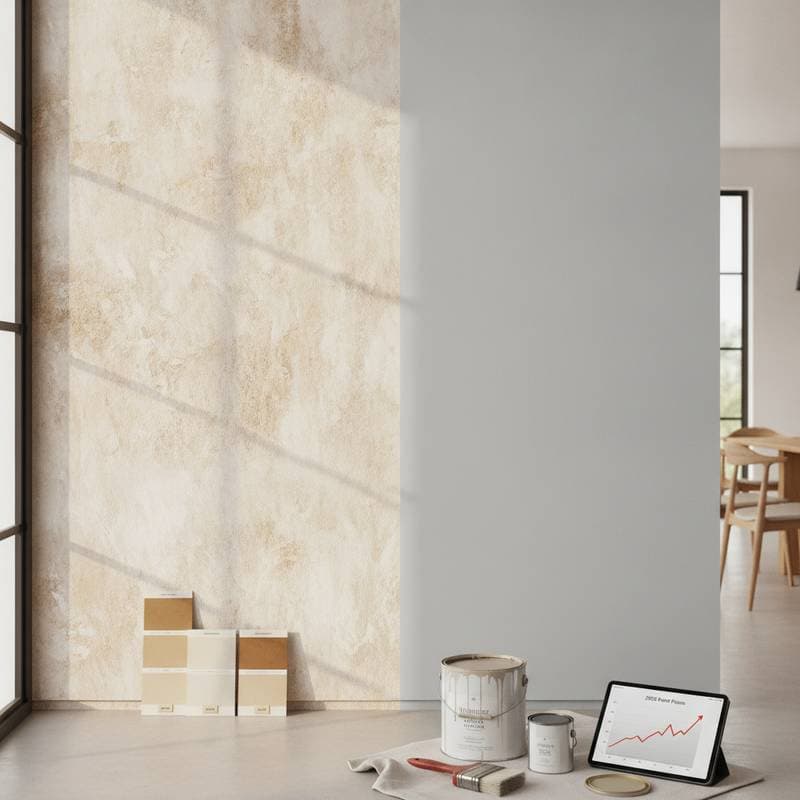
Why Terracotta and Clay Pink Define 2026 Kitchen Designs
Homeowners increasingly prioritize warmth, comfort, and authenticity in their interiors. Kitchens serve as the central hub of these spaces, amplifying the need for inviting designs. Terracotta and clay pink stand out as leading colors for 2026, delivering an earthy palette that merges rustic elements with refined modernity. These shades integrate seamlessly with wood, stone, and metal, striking a balance between tradition and innovation for enduring appeal.
The Emotional Resonance of Terracotta and Clay Pink
Terracotta and clay pink draw from the earth's warm hues and sun-warmed textures. They introduce a soothing atmosphere that counters the starkness of earlier cool-toned trends. Terracotta provides deep, grounding notes, while clay pink offers a soft, rosy glow that nurtures without dominating. This duo enhances both daylight and ambient lighting, bathing kitchens in a welcoming radiance all day long.
These tones carry deep emotional weight. Terracotta links to natural origins and artisanal heritage, whereas clay pink infuses quiet sophistication. They promote mindful living through tangible, purposeful aesthetics. In an era of routine-seeking comfort, these colors remind inhabitants of harmony and restraint.
Integrating These Colors into Contemporary Kitchens
Terracotta and clay pink adapt effortlessly to various intensities, from vibrant statements to subtle backdrops based on surrounding elements. In current kitchen layouts, they feature prominently in cabinets, backsplashes, and feature walls. They also enhance focal points like islands or exposed shelves, adding layers without cluttering the area.
Consider matte terracotta on base cabinets alongside off-white uppers or quartz surfaces for clean contrast. Use clay pink as a wall hue to amplify wood grains, brass hardware, or marble details. Such pairings yield cohesive yet individualized kitchens. Their versatility spans sleek minimalism to heritage-inspired arrangements.
Project Cost Overview
Budgeting for a terracotta or clay pink kitchen refresh hinges on room dimensions, prep needs, and finish preferences.
Typical Cost Tiers
- Entry-level refresh: $1,500 to $2,800
- Mid-range update: $3,000 to $5,500
- High-end transformation: $6,000 to $9,000
Standard Inclusions
- Thorough surface prep, including sanding and priming
- Application of premium paint to walls, trim, and cabinets
- Moisture-resistant sealants for high-exposure zones
- Final cleanup and detailing
Additional Expenses
- Refinishing or swapping cabinets
- Custom effects such as limewash or plaster textures
- Enhanced hardware or plumbing upgrades
- Major drywall fixes or substrate repairs
Influences on Total Expenses
| Factor | Influence Level | Specifics |
|---|---|---|
| Surface State | Medium | Rough or imperfect walls demand extended prep efforts |
| Paint Grade | Significant | Superior formulas provide enhanced coverage and longevity |
| Hue Intensity | Medium | Richer shades like terracotta often require extra layers |
| Sheen Variety | Minor | Flat or low-luster options minimally affect labor |
| Layout Intricacy | Significant | Intricate features like cabinetry or ornate trim extend timelines |
Aligning Warm Earth Tones with Modern Living
Design preferences evolve toward personalized, soothing schemes over neutral grays and whites. Terracotta and clay pink align with this movement through their innate, perpetual quality. They harmonize with eco-friendly choices such as salvaged timber, quarried stone, and terracotta flooring, echoing their organic essence.
In expansive, flowing homes, these colors delineate the kitchen zone softly. Their inviting nature fosters interaction and shared moments, suiting family-centric environments. Pairing with plants introduces vitality, enriching the overall vitality.
Weighing Professional Service Against Self-Directed Painting
While capable individuals might tackle kitchen painting independently, experts achieve flawless, durable outcomes. Professionals apply exacting techniques, specialized equipment, and knowledge of humidity challenges. Kitchens require meticulous care near fixtures, electrical points, and machinery, often justifying expert involvement.
Self-Directed Option
- Reduced expenses, yet demands thorough setup and commitment
- Suited to minor tweaks or isolated features
- Results vary with expertise and material choices
Expert Option
- Elevated initial investment yields impeccable quality
- Encompasses assessments and tailored base coats
- Quicker execution with less household interruption
For comprehensive overhauls, expert services prove the wiser, sustained investment.
Essential Preparation and Execution Steps
Commence by degreasing all surfaces to eliminate oils and particles. Detach or shield cabinets and fittings, then smooth walls via sanding for uniform adhesion. Experts apply a kitchen-specific primer, succeeded by dual paint layers. Allow sufficient intervals between applications to avoid marks and achieve vivid saturation. Conclude with barriers against dampness and marks where needed.
Anticipate two to five days for completion, scaled to kitchen scale and details. Restricted functionality during this phase calls for alternate cooking solutions to ease daily routines.
Selecting Optimal Shades and Sheens
Variations in terracotta and clay pink range from pale flushes to intense ochres. Selection hinges on illumination and current materials. Neutral light accentuates pink nuances, whereas golden rays deepen terracotta's richness. Apply test patches across surfaces to observe shifts from dawn to dusk.
Opt for flat or eggshell sheens on walls to mimic natural subtlety. Employ satin or semi-gloss on cabinets and edges for resilience and maintenance ease. Mixing sheens in aligned tones builds nuanced depth.
Steps to Launch Your Kitchen Refresh
Start by evaluating your space's light and fixtures to pinpoint ideal shades. Gather samples and consult experts for compatibility checks. Outline a budget incorporating prep, materials, and any extras. Schedule professionals early to align with your timeline. Finally, envision the transformed area as a warm, enduring gathering spot that elevates daily life.
Frequently Asked Questions
How Much Does Painting a Kitchen in Terracotta or Clay Pink Cost?
Professionals typically charge $3,000 to $5,500 for a complete project covering prep, application, and tidying. Expenses increase with cabinet work, detailing, or advanced techniques.
How Long Does a Kitchen Painting Project Last?
Standard repaints span two to five days, accounting for setup, base layers, finish coats, and curing periods. Expansive areas or cabinet inclusions may stretch to seven days.
Is Professional Painting Preferable to DIY for Kitchens?
Self-application suits limited scopes like accents, but full projects gain from expert precision. Professionals deliver even results, robust prep, and humidity-proofing for prolonged performance.
How Can One Select the Best Terracotta or Clay Pink Shade?
Examine samples under varied lights, noting changes from morning to night. Factor in countertops, floors, and hardware for seamless integration.
What Prep Work Precedes Kitchen Painting?
Degrease and dust surfaces, repair imperfections, and protect or remove fittings. Lightly abrade cabinets for grip, then apply a humidity-adapted primer.
What Challenges Arise in Kitchen Painting Projects?
Issues like patchy application, water harm, or mismatched bases often occur. Experienced teams mitigate these through diligent prep and quality supplies.