The $800 Premium: Why Limewash Costs More in 2026
Limewash painting attracts homeowners who desire texture, depth, and a natural aesthetic that standard paint cannot deliver. This finish provides a soft matte appearance with subtle variations that enhance walls, fireplaces, and exterior surfaces. As demand grows for timeless, organic options, limewash emerges as a sought-after specialty. Homeowners often receive quotes that exceed standard paint jobs by approximately $800. Grasping the reasons behind this premium enables informed decisions about whether limewash suits specific goals and budgets.
Understanding Limewash Basics
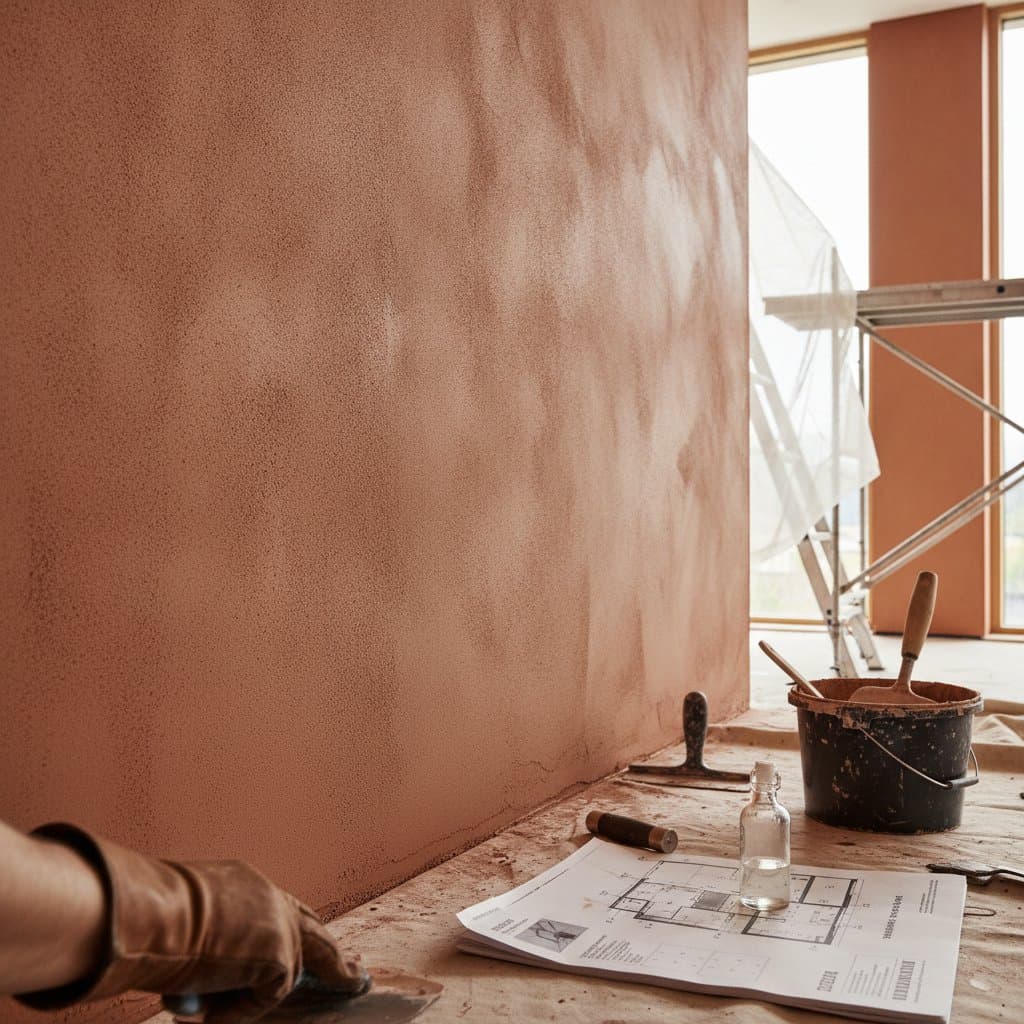
Limewash differs from conventional paint. It consists of a mineral-based coating derived from limestone, which undergoes crushing, burning, and slaking with water. Upon application, it penetrates porous surfaces such as brick, plaster, or stone, forming a chemical bond rather than a surface layer. This process yields a layered finish that evolves gracefully over time.
The material imparts old-world charm through its inherent variations. No two applications appear identical, which enhances visual interest but introduces procedural complexity. Projects require custom tinting, sample testing, and multiple layers to secure uniform tone and texture.
Detailed Cost Breakdown
Typical Price Ranges
- Basic projects: $4,000 to $5,500
- Standard projects: $5,500 to $7,500
- Premium projects: $7,500 to $10,000
These figures generally cover complete interior rooms or exterior treatments on brick or stucco for an average home. The $800 premium accounts for the disparity between a professional limewash application and an equivalent latex or acrylic paint job.
Core Components of the Cost
- Thorough surface preparation, including cleaning, patching, and priming
- On-site mixing of limewash with pigment testing for color accuracy
- Application of several thin coats to build depth and ensure coverage
- Use of specialized equipment, such as natural bristle brushes or masonry sprayers
- Management of drying periods between layers
- Final cleanup and optional protective sealing
Additional Expenses
- Extensive surface repairs beyond basic patching: $200 to $600
- Custom tinting or precise pigment matching: $150 to $300
- Advanced effects like distressed or aged appearances: $300 to $700
- Exterior sealants for weather resistance: $250 to $400
- Access equipment for elevated or multi-story exteriors: $500 to $1,000
Key Influences on Total Expenses
| Factor | Cost Influence | Specific Examples |
|---|---|---|
| Surface Type | Elevated for porous or impaired substrates | Brick or aged plaster requiring fixes |
| Labor Expertise | Increased for artisanal results | Layered applications or color blending |
| Material Grade | Higher for pure lime and pigments | Imported or boutique formulations |
| Project Scale | Reduced per square foot for expansive areas | Complete exteriors versus accents |
| Geographic Area | Varies with local wages and weather | Humid regions demand extended drying |
Reasons for the Higher Price Compared to Standard Paint
The additional $800 stems from intensive labor, unique materials, and required proficiency. Standard latex paint allows rapid rolling or spraying by general painters, whereas limewash necessitates careful layering and expertise. Each layer requires full drying before the next, with ongoing adjustments to maintain balanced variation.
Limewash offers a limited working period. Batches must prepare fresh on-site, as the lime sets quickly, which extends labor time. Premium formulations cost more due to their natural mineral composition versus synthetic alternatives.
Exterior work faces further challenges from environmental factors. Applications avoid extreme heat or direct sun to prevent issues, potentially delaying timelines and raising expenses. The material's sensitivity to moisture requires precise scheduling to ensure proper curing without runoff.
Project Timeline Overview
Limewash applications exceed the duration of routine painting. For a typical room:
- Preparation: 1 to 2 days for cleaning, repairs, and protection
- Application: 2 to 4 days, accounting for coats and drying
- Curing and Review: 1 to 2 days for adjustments and assessment
Exterior treatments on brick or stucco may span a full week, influenced by weather and substrate conditions. This extended schedule contributes to costs but guarantees strong adhesion and developed depth.
Weighing Professional Application Against DIY
Essential Skills
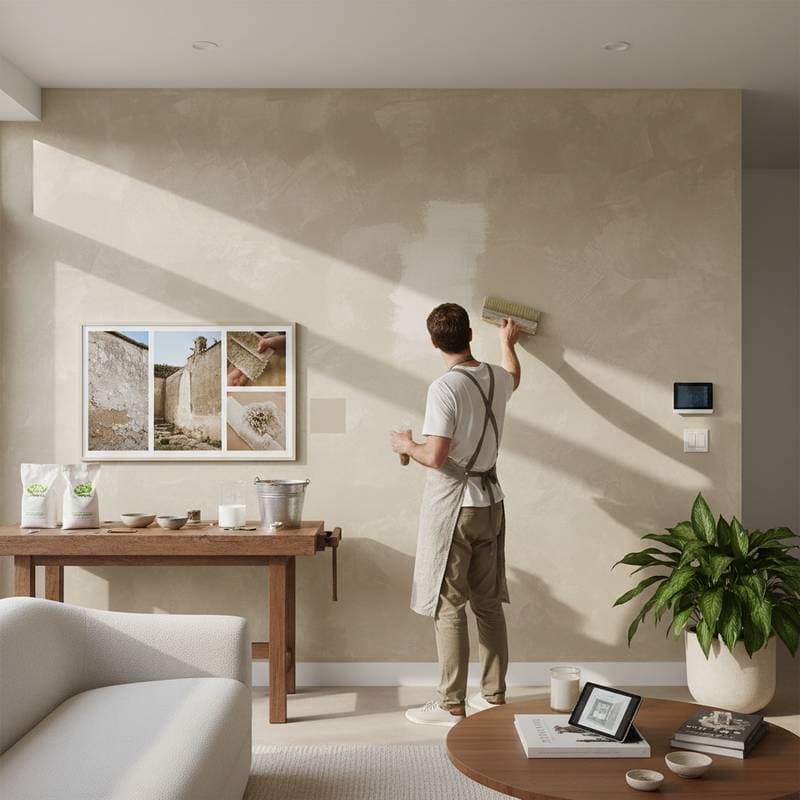
Limewash demands precise control and knowledge of surface interactions. Consistent movement and color across broad areas require experience. While accent walls suit capable DIY enthusiasts, comprehensive jobs benefit from expert handling.
Effort and Duration
DIY efforts often double the time of professional services. Testing mixes, applying layers, and refining results prove more demanding than anticipated. Experts streamline processes with appropriate tools and preparation, minimizing defects like streaks or inconsistencies.
Required Tools
Home projects involve natural bristle brushes, sprayers, mixing tools, and protective gear for lime handling. Although available, the expertise gap risks waste from improper mixtures or applications.
Safety Protocols
Lime's alkaline nature irritates skin and eyes, necessitating gear and safe mixing practices. Elevated exterior tasks introduce ladder or scaffolding hazards, which professionals manage routinely.
Financial Analysis
DIY saves $300 to $600 in labor but risks errors needing professional fixes. Contracting out secures adhesion and longevity, averting future maintenance like peeling.
Selecting a Reliable Contractor
Choosing experts for limewash involves targeted assessment beyond standard painting.
Effective Research
Identify specialists in mineral coatings with proven limewash portfolios showcasing texture and variation. Local recommendations reveal those adept at area-specific materials and conditions.
Credential Checks
Verify licenses, insurance, and training in limewash products or brands.
Evaluating Quotes
Obtain three itemized proposals detailing preparation, coats, and materials. Analyze specifics to discern value differences.
Client References
Inquire about finish quality, color fidelity, and site management. Examine project images to align with desired outcomes.
Contract Requirements
Demand outlines of preparation, materials, layers, payments, and warranties. Reject ambiguous proposals lacking these elements.
Preparing for the Project
Homeowners facilitate efficiency by:
- Removing furniture or barriers
- Finalizing colors with samples in advance
- Coordinating schedules with the team
- Assessing surfaces jointly with the contractor
Ongoing dialogue during work includes updates on progress and drying. Post-completion, evaluate under varied lights for uniformity. Contractors provide maintenance guidance, such as gentle cleaning methods.
Ensuring Finish Quality
Superior limewash exhibits gentle variations without visible marks or lines. Interiors appear matte and cohesive; exteriors resist rain-induced streaks post-curing.
Address concerns like patches or color discrepancies promptly on-site. Reputable teams incorporate touch-ups in the final inspection.
Realizing Lasting Value
Limewash invests in enhanced aesthetics and resilience. Though initial outlay exceeds paint, it endures longer on masonry, aging elegantly and refreshing with topcoats rather than full recoats.
Align selections with home architecture and illumination. Embrace benefits like breathability, non-toxicity, and low emissions for sustainable appeal. The premium underscores skilled execution and genuine materials, yielding a distinctive finish unmatched by conventional options.
Frequently Asked Questions
1. Why does limewash cost more than regular paint?
Limewash incurs higher expenses due to specialized labor, natural components, and extensive preparation. Fresh mixing, thin layering, and careful curing demand precision. In contrast, standard paint applies swiftly via rolling or spraying.
2. How long does a limewash project usually take?
Interior efforts span four to six days from start to cure. Exterior brick or stucco work extends to a week or more, factoring in complexity and weather. Multiple coats with drying pauses prolong the process relative to painting.
3. Can homeowners attempt limewash as a DIY project?
Experienced individuals manage small indoor accents. Extensive or outdoor applications suit professionals, given safety, mixing, and uniformity demands. Errors yield hard-to-fix inconsistencies.
4. How should homeowners choose a limewash contractor?
Prioritize those with limewash portfolios, licenses, and insurance. Secure detailed quotes on materials and steps, plus client feedback. Expect clear explanations and solid contracts with warranties.
5. What should homeowners expect during the limewash process?
Anticipate preparation for clean surfaces, followed by on-site mixing and layered applications with drying breaks. Crews manage weather for exteriors. Final stages include inspections and care advice for longevity.
6. What problems occur if limewash is applied incorrectly?
Poor application leads to uneven texture, color fading, or weak adhesion causing peeling. Moisture sensitivity risks wash-off or cracking. Professionals prevent these through proper technique, ensuring durable, attractive results.